mashupch.com – Albania, a small yet strategically located country in the Balkans, has played a significant role in European history. Despite its size, Albania’s influence extends across various historical epochs, from ancient times to the modern era. This article explores the pivotal contributions and influences of Albania on the broader European historical landscape.
Ancient Illyrian Roots
The roots of Albania’s historical influence can be traced back to the ancient Illyrians, an Indo-European people who inhabited the western Balkans. The Illyrians were known for their skills in warfare and trade, and they established several powerful kingdoms, such as the Kingdom of Dardania and the Kingdom of Epirus. These kingdoms engaged in commerce and conflict with neighboring civilizations, including the Greeks and Romans, leaving a lasting impact on the region’s development.
The Roman and Byzantine Eras
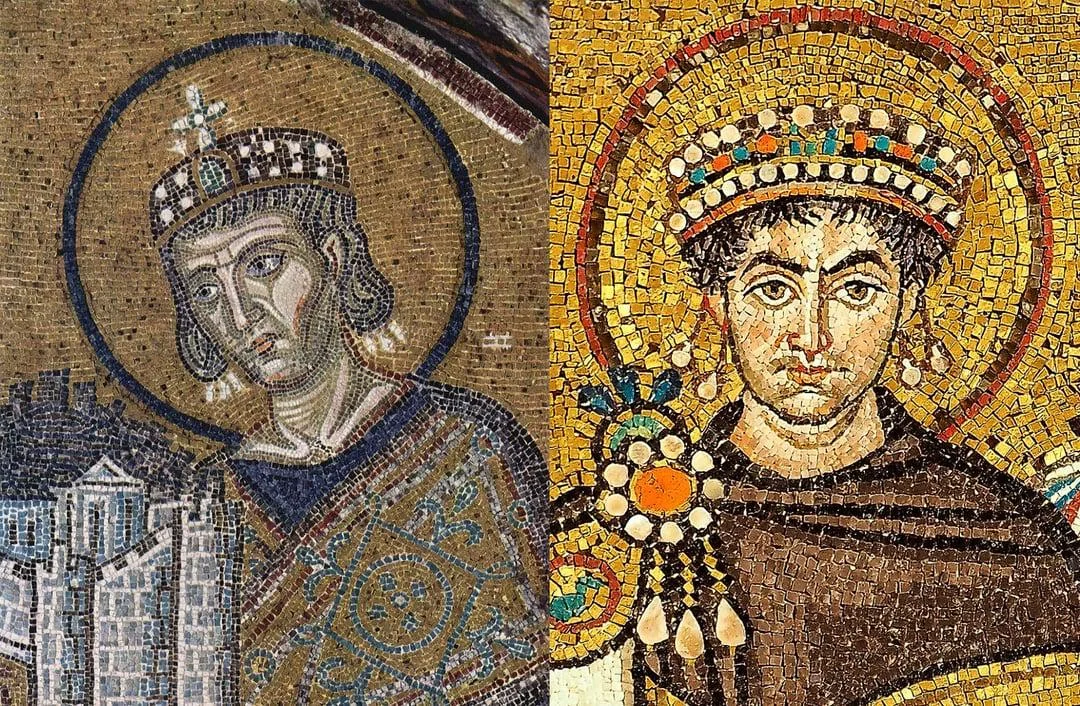
As part of the Roman Empire, and later the Byzantine Empire, Albania’s strategic location served as a crucial link between the Western and Eastern worlds. The Via Egnatia, a major Roman road, passed through Albanian territory, facilitating trade and cultural exchange between Rome and Byzantium. This connectivity allowed Albania to play a role in the spread of Christianity and the blending of Eastern and Western cultural elements.
The Ottoman Period
The Ottoman Empire’s expansion into the Balkans in the late Middle Ages brought significant changes to Albania. Despite being under Ottoman rule for several centuries, Albania retained a distinct cultural identity. The legendary Albanian national hero, Skanderbeg, resisted Ottoman forces for decades, becoming a symbol of resistance and inspiring other European powers to challenge Ottoman dominance. Skanderbeg’s legacy continues to influence Albanian national consciousness and European perceptions of resistance against the Ottomans.
The Albanian Renaissance
In the 19th century, the Albanian Renaissance was a cultural and political movement that sought to revive Albanian national identity and secure independence from the Ottoman Empire. Prominent figures like Pashko Vasa and Ismail Qemali played crucial roles in advocating for Albanian independence and the preservation of the Albanian language and culture. This movement contributed to the broader wave of nationalism that swept across Europe during this period.
Albania in the 20th Century
Albania’s influence on European history continued into the 20th century, particularly during the Cold War. Under the leadership of Enver Hoxha, Albania became one of the most isolated and Stalinist regimes in Europe. Despite its isolation, Albania’s unique position as a communist state that distanced itself from both the Soviet Union and China intrigued Western powers, adding complexity to Cold War dynamics in the region.
Albania’s Path to European Integration
Today, Albania is on a path towards European integration, aspiring to join the European Union. The country’s efforts to embrace democratic reforms, economic development, and regional cooperation reflect its ongoing influence in shaping the future of the Balkans and its role in European stability and progress.
Conclusion
Albania’s influence on European history is characterized by its strategic location, cultural resilience, and significant historical figures. From ancient Illyrian times to its modern aspirations for European integration, Albania has played a crucial role in shaping the historical and cultural landscape of Europe. As the country continues to forge its path in the 21st century, Albania’s historical legacy remains a testament to its enduring influence on the continent.