
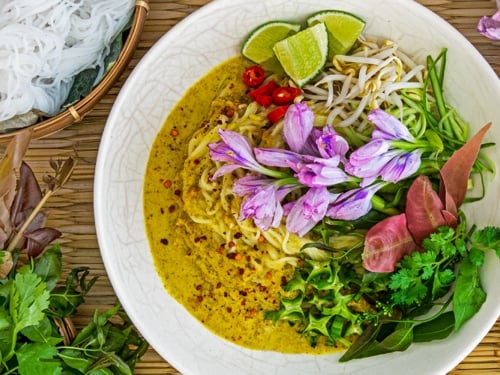
Nom Banh Chok: A Cambodian Culinary Treasure

mashupch.com – Nom Banh Chok, often referred to as “Khmer noodles,” is a beloved Cambodian dish that encapsulates the essence of the country’s culinary heritage. This refreshing and flavorful breakfast dish is a testament to the harmonious blend of fresh ingredients, aromatic herbs, and a delicate fish-based curry sauce.   

A Dish with Roots

The origins of Nom Banh Chok can be traced back centuries, with some food historians suggesting its roots lie in the Angkorian era. The dish’s name itself refers to the rice noodles, which were traditionally made by hand through a labor-intensive process. Over time, Nom Banh Chok has evolved into a beloved national dish, enjoyed by Cambodians from all walks of life.   

A Culinary Masterpiece

At the heart of Nom Banh Chok lies a fragrant fish-based curry sauce. This flavorful broth is typically made with a combination of mudfish, lemongrass, galangal, turmeric, and other aromatic spices. The curry is then tempered with coconut milk, creating a rich and creamy sauce that is both savory and subtly sweet.   

The curry sauce is then poured over a bed of freshly made rice noodles. These noodles, known as “Khmer noodles,” are slightly thicker than vermicelli and have a unique texture that adds to the dish’s appeal.   

A Garden of Freshness

No Nom Banh Chok is complete without a generous array of fresh vegetables and herbs. The dish is typically garnished with bean sprouts, cucumber, and a variety of fresh herbs such as mint, cilantro, and Vietnamese coriander. Edible flowers, such as jasmine and marigold, are often added for both visual appeal and a delicate floral aroma.   

A Culinary Tradition

Nom Banh Chok is more than just a dish; it’s a cultural experience. The preparation and consumption of this beloved breakfast dish are often accompanied by social interactions and storytelling, making it a cherished part of Cambodian social life.

A Taste of Cambodia

Whether you’re a seasoned traveler or a curious foodie, Nom Banh Chok is a must-try dish. Its unique blend of flavors, textures, and aromas offers a truly authentic taste of Cambodia. So, the next time you find yourself in this beautiful country, be sure to savor a bowl of Nom Banh Chok and experience the magic of Cambodian cuisine.

Additional Notes:

  • Nom Banh Chok is typically served for breakfast, but it can also be enjoyed as a light lunch or dinner.   
  • The dish is readily available throughout Cambodia, especially in local markets and street food stalls.   
  • There are many variations of Nom Banh Chok, with regional differences in the type of fish used, the spices included, and the garnishes added.
  • The dish is often sold by street vendors who carry the ingredients on bamboo poles, creating a colorful and vibrant street scene.

By understanding the history, ingredients, and cultural significance of Nom Banh Chok, we can gain a deeper appreciation for this beloved Cambodian dish and the rich culinary heritage it represents.

Bonfire Night: A Celebration of Tradition – A Night of Fire and Light

mashupch.com – Bonfire Night, also known as Guy Fawkes Night or Fireworks Night, is a traditional English celebration held annually on November 5th. This historic event commemorates the failed Gunpowder Plot of 1605, a plan to blow up the Houses of Parliament and kill King James I.

The Gunpowder Plot

In 1605, a group of Catholic conspirators, led by Guy Fawkes, attempted to assassinate King James I and re-establish a Catholic monarchy in England. Their plan involved placing gunpowder barrels in the cellar beneath the House of Lords. However, the plot was discovered, and Fawkes was arrested.

A Night of Commemoration and Celebration

To commemorate the failed plot, Bonfire Night has evolved into a festive occasion marked by bonfires, fireworks, and the burning of effigies of Guy Fawkes. The bonfires symbolize the burning of the gunpowder plotters, while the fireworks represent the explosion that never happened.

Traditional Bonfire Night Activities

  • Bonfires: Large bonfires are lit in communities across the country.
  • Fireworks: Spectacular firework displays illuminate the night sky.
  • Effigies: Effigies of Guy Fawkes are often burned on the bonfires.
  • Fireworks Displays: Organized firework displays are held in public parks and other venues.
  • Traditional Food: People enjoy traditional treats like toffee apples, sparklers, and hot drinks.

A Modern Tradition

While Bonfire Night has its historical roots, it has evolved into a modern celebration. The event is now a family-friendly occasion, with a focus on fun, entertainment, and community spirit. The festival atmosphere, combined with the stunning fireworks displays, makes Bonfire Night a memorable experience for people of all ages.

A Night to Remember

Bonfire Night is a unique cultural tradition that brings people together to celebrate history, community, and the resilience of the human spirit. The event’s enduring popularity ensures that the legacy of the Gunpowder Plot will continue to be remembered for generations to come.

The Mouth in Different Cultures: Traditions & Practices

mashupch.com – The mouth, an essential organ for survival and communication, holds significant cultural importance across the globe. Different cultures have developed unique traditions and practices related to oral care, reflecting their diverse beliefs and values. This article explores various cultural approaches to oral hygiene and the symbolic meanings associated with the mouth in different societies.

1. Traditional Oral Care Practices

a. Oil Pulling in India

In India, oil pulling is an ancient practice that involves swishing oil, often sesame or coconut, around the mouth to remove toxins. This Ayurvedic technique is believed to improve oral health and overall well-being by detoxifying the body and strengthening the teeth and gums.

b. Charcoal Brushing in Japan

Japan has a tradition of using charcoal to clean teeth. Charcoal is thought to have natural whitening and antibacterial properties, making it a popular choice for maintaining oral hygiene. This practice reflects the Japanese emphasis on natural and holistic approaches to health.

c. Tooth Lacquering in Southeast Asia

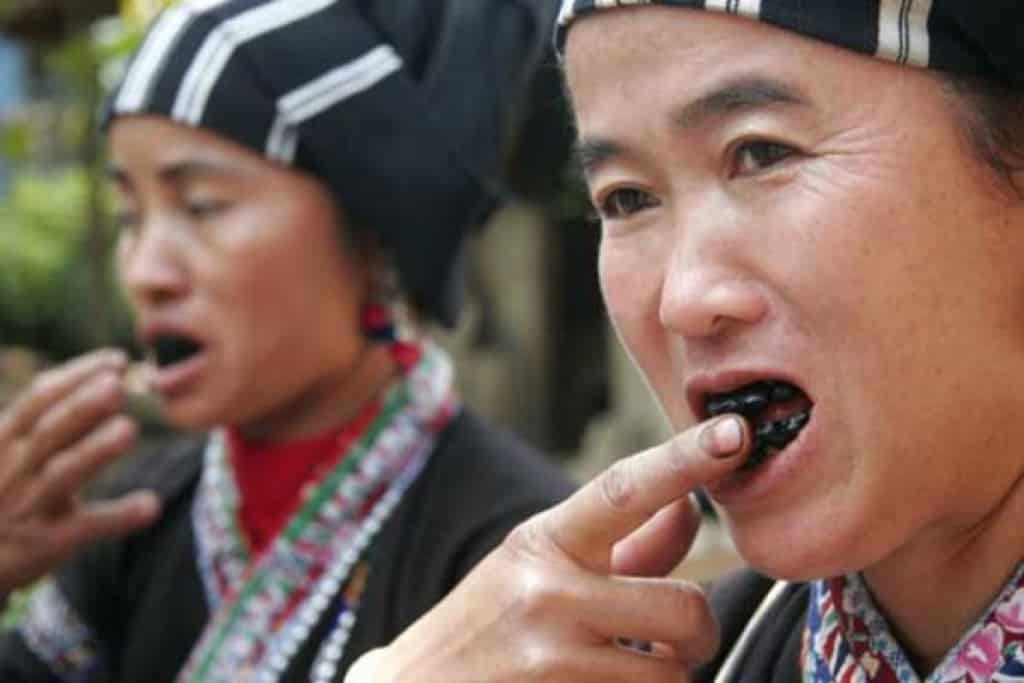
In some Southeast Asian cultures, tooth lacquering is a traditional practice where teeth are colored using natural dyes. This is often done for aesthetic reasons, as blackened teeth are considered a symbol of beauty and maturity. The practice highlights the cultural significance of oral aesthetics.

2. Symbolic Meanings of the Mouth

a. Oral Traditions in African Cultures

In many African cultures, the mouth is central to oral traditions, which are vital for preserving history, knowledge, and cultural identity. Storytelling, songs, and proverbs are passed down orally through generations, underscoring the mouth’s role in maintaining cultural heritage.

b. The Mouth as a Symbol of Expression in Western Cultures

In Western cultures, the mouth is often associated with self-expression and communication. The ability to speak and articulate thoughts is highly valued, and oral health is linked to confidence and social interaction. The emphasis on a bright smile reflects cultural ideals of beauty and success.

3. Modern Influences and Globalization

As globalization continues to influence cultural practices, traditional oral care methods are being integrated with modern dentistry. While many people still value their cultural traditions, they often combine these with contemporary practices to maintain oral health. This blending of traditions highlights the dynamic nature of cultural practices related to the mouth.

Conclusion

The mouth’s significance extends beyond its biological functions, encompassing cultural, aesthetic, and symbolic dimensions. Understanding the diverse traditions and practices related to the mouth in different cultures enriches our appreciation of global diversity and highlights the universal importance of oral health. As cultures continue to evolve, these practices may change, but the fundamental role of the mouth in human life remains constant.