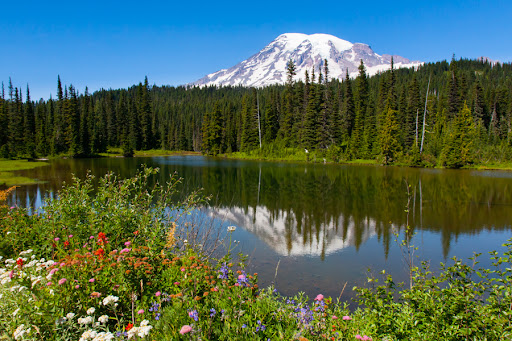
mashupch.com – Mount Rainier, standing majestically in Washington State, is one of the most iconic and recognizable mountains in the United States. As an active stratovolcano and the highest peak in the Cascade Range, Mount Rainier towers at an impressive 14,411 feet (4,392 meters). Its awe-inspiring presence and stunning natural beauty have made it a symbol of the Pacific Northwest and a beloved destination for outdoor enthusiasts and nature lovers.
Geographical Significance
Located about 60 miles southeast of Seattle, Mount Rainier dominates the skyline and serves as a prominent feature of Mount Rainier National Park. The mountain is encircled by lush forests, alpine meadows, and numerous glaciers, including the Emmons Glacier, the largest glacier by volume in the contiguous United States. Mount Rainier’s prominence and visibility make it a significant landmark, offering breathtaking views from various vantage points throughout the region.
Geological Features
Mount Rainier is an active stratovolcano, formed by layers of lava flows, volcanic ash, and other volcanic debris. It last erupted in the late 19th century, and while it is currently dormant, it remains one of the most closely monitored volcanoes in the world due to its potential for future eruptions. The mountain’s volcanic activity has shaped its rugged terrain, creating deep canyons, glacial valleys, and a myriad of waterfalls, contributing to its dramatic and diverse landscapes.
Biodiversity and Ecology
The diverse ecosystems surrounding Mount Rainier support a rich variety of plant and animal life. The lower elevations are blanketed in dense coniferous forests, home to species such as Douglas fir and western hemlock. As the elevation increases, the landscape transitions to subalpine and alpine meadows, vibrant with wildflowers during the summer months. The region is also home to wildlife such as black bears, elk, mountain goats, and numerous bird species, making it a haven for wildlife enthusiasts and photographers.
Cultural and Historical Importance
Mount Rainier holds deep cultural and historical significance. For thousands of years, it has been revered by Native American tribes, who consider it a sacred place. The mountain was named in honor of Rear Admiral Peter Rainier by British explorer George Vancouver in the 18th century. In 1899, Mount Rainier National Park was established as the fifth national park in the United States, preserving its natural beauty for future generations to enjoy.
Modern Exploration and Recreation
Mount Rainier is a popular destination for outdoor recreation, attracting visitors from around the world. Hiking, climbing, and camping are among the most popular activities, with over 260 miles of maintained trails offering opportunities for exploration and adventure. The summit climb is a challenging endeavor, requiring technical skills and preparation, but successful ascents are a rewarding achievement for mountaineers. In winter, the park transforms into a wonderland for snowshoeing, skiing, and other winter sports.
Conclusion
Mount Rainier stands as a testament to the natural splendor and geological intrigue of Washington State. Its towering presence and diverse ecosystems make it a cherished symbol of the Pacific Northwest, offering endless opportunities for exploration and discovery. As a site of ecological, cultural, and recreational importance, Mount Rainier continues to inspire awe and wonder, inviting all who visit to appreciate its timeless beauty and significance.