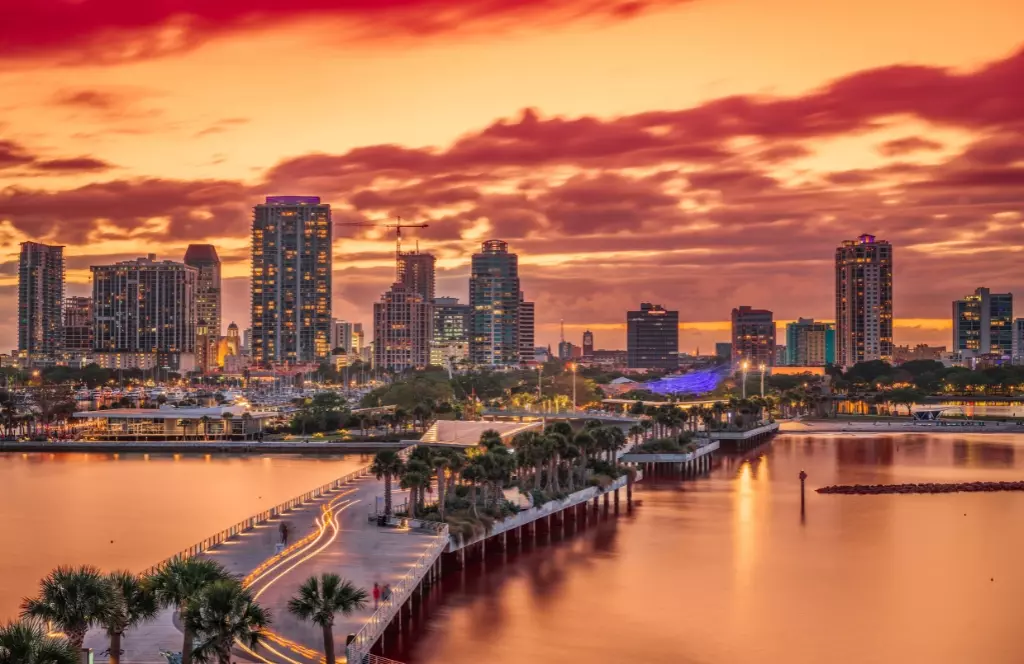
Florida City: A Gateway to Adventure and Natural Beauty

mashupch.com – Florida City, located at the southern tip of Florida, serves as the gateway to some of the state’s most iconic natural attractions, including the Florida Keys and the Everglades National Park. This charming city offers a blend of rural charm, rich history, and outdoor recreation, making it a unique destination for travelers seeking to explore Florida’s southern region.

History and Origins

Founded in 1914, Florida City began as an agricultural community, primarily focused on growing crops such as tomatoes and beans. Over time, the city developed into a key point of access to the surrounding natural wonders, thanks to its strategic location near the southern terminus of U.S. Route 1. This highway, known as the Overseas Highway, stretches from the mainland through the Florida Keys, making Florida City an important stopping point for travelers heading to the islands.

Gateway to the Everglades

One of Florida City’s main attractions is its proximity to the world-renowned Everglades National Park. Visitors can embark on eco-tours, airboat rides, and wildlife observation trips through the vast wetlands of the Everglades, where they may spot alligators, manatees, and a variety of bird species. The park’s diverse ecosystems and expansive landscapes offer opportunities for hiking, camping, and canoeing, allowing nature enthusiasts to immerse themselves in the region’s beauty.

Agriculture and Local Markets

Florida City retains its agricultural roots, and visitors can experience this through local farmer’s markets and U-pick farms, where they can gather fresh produce such as strawberries, tomatoes, and exotic tropical fruits. The city’s connection to the land is evident in its community events, which celebrate the region’s farming heritage and local cuisine.

The Road to the Keys

Florida City is often regarded as the “Gateway to the Florida Keys,” with its convenient location making it an ideal starting point for road trips to the stunning islands. The nearby Biscayne National Park also offers a taste of Florida’s natural marine beauty, where visitors can enjoy snorkeling, boating, and fishing in the clear waters of Biscayne Bay.

A Growing Community

While Florida City maintains a small-town atmosphere, its community is growing, attracting new residents who are drawn to its affordable housing, proximity to major attractions, and laid-back lifestyle. The city has become an increasingly popular residential area for those who work in nearby Miami but prefer a quieter and more affordable place to live.

Looking Ahead

With its proximity to both the Everglades and the Florida Keys, Florida City is positioned to continue growing as a hub for eco-tourism and outdoor adventure. Whether you’re exploring the unique ecosystems of the Everglades, taking a scenic drive down to the Keys, or simply enjoying the rural charm of the local community, Florida City offers visitors and residents alike a unique blend of adventure and tranquility.
Oregon City: A Historic and Scenic Gem in the Pacific Northwest

mashupch.com – Nestled at the confluence of the Willamette and Clackamas Rivers, Oregon City is a vibrant city that offers a unique blend of history, natural beauty, and modern charm. As the first city in the state of Oregon, it holds a special place in the region’s history, with its roots tracing back to the early 19th century. Whether you’re interested in exploring its historical sites, enjoying outdoor activities, or discovering local culture, Oregon City is a destination that offers something for everyone.

The Historical Significance of Oregon City

Oregon City was founded in 1829 and served as the territorial capital of Oregon until 1852. It is one of the most historically rich cities in the state, thanks to its pivotal role in the westward expansion of the United States. During the 19th century, Oregon City became a key stop along the Oregon Trail, where settlers traveled westward in search of a new life.

One of the city’s most notable historical landmarks is the End of the Oregon Trail Interpretive Center, which commemorates the final destination for thousands of pioneers who traveled the Oregon Trail. The center features interactive exhibits and educational displays that provide insight into the struggles and triumphs of those who made the journey.

Another iconic historical feature of Oregon City is the Willamette Falls, the largest waterfall in the Pacific Northwest. The falls played a critical role in the city’s development, as they were a source of power for the early industrial economy. Visitors can learn about the falls’ historical significance and its role in shaping the region through guided tours and exhibits.

Natural Beauty and Outdoor Activities

Oregon City is surrounded by lush landscapes and offers an array of outdoor activities for nature lovers and adventure seekers. The city’s location along the Willamette River provides ample opportunities for water-based activities such as kayaking, fishing, and boating. For those who prefer to stay on land, Oregon City is home to several scenic parks, hiking trails, and nature preserves.

Clackamas River Trail is a popular spot for outdoor enthusiasts, offering beautiful views of the Clackamas River, as well as opportunities for hiking, biking, and wildlife viewing. The Dogwood Park, located in the heart of the city, is another great location for picnics, outdoor gatherings, and leisurely walks.

Just a short drive from Oregon City, visitors can explore the Mt. Hood National Forest, offering expansive forests, alpine lakes, and mountain views. Whether you’re hiking, skiing, or just taking in the sights, the forest provides a year-round destination for outdoor recreation.

Oregon City’s Cultural and Artistic Scene

Oregon City boasts a growing cultural and artistic scene, with many local artists and performers contributing to the city’s vibrant atmosphere. The downtown area is home to a variety of galleries, studios, and performance spaces, where visitors can experience the creativity of the local community.

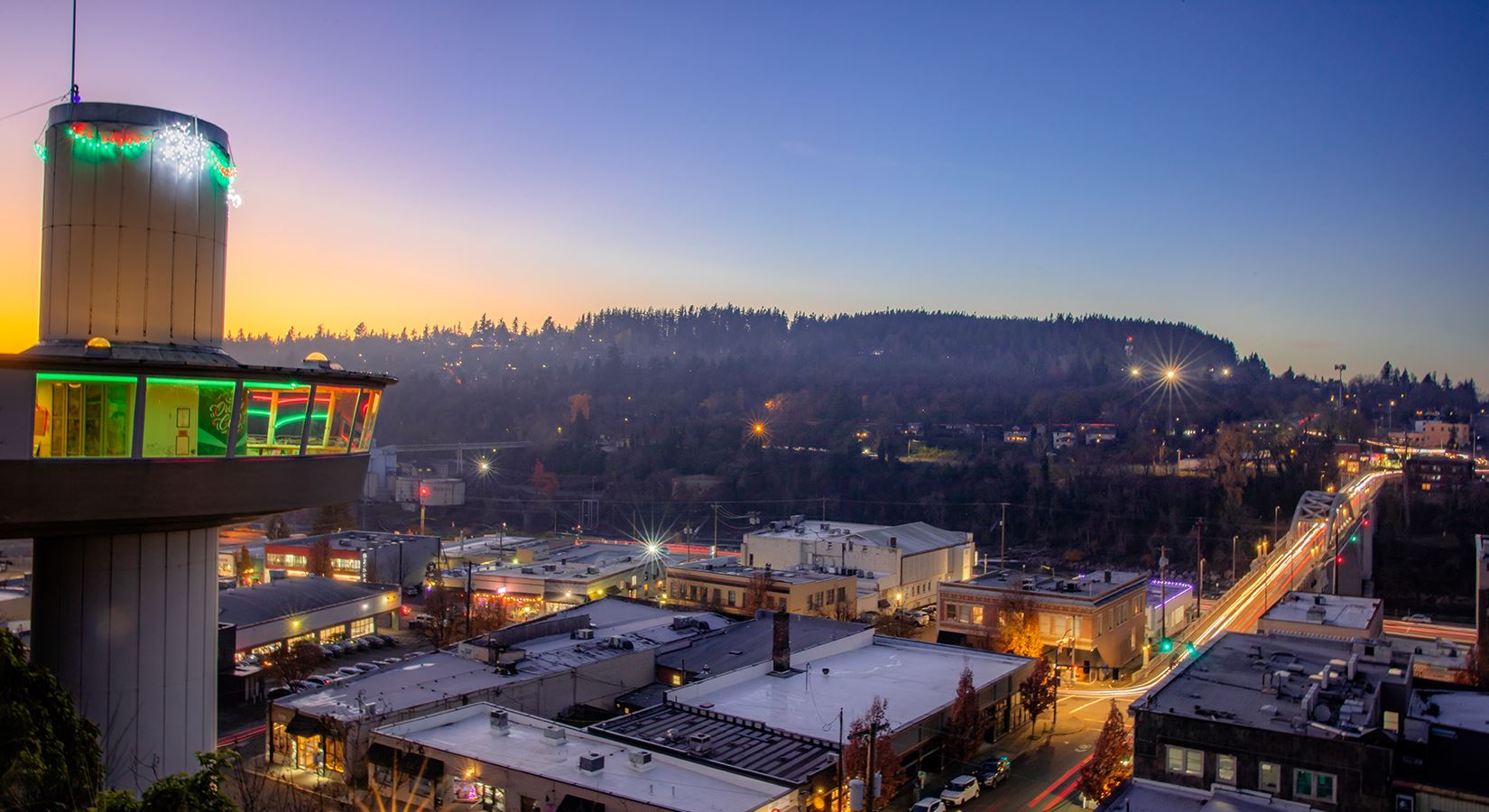
The Oregon City Municipal Elevator, an iconic landmark that connects the upper and lower parts of the city, is one example of the city’s blend of art and functionality. This unique structure is a historical site and a testament to the city’s engineering achievements.

Local theaters, such as the Oregon City Civic Auditorium, host performances ranging from plays to musical performances, offering entertainment for all ages. Additionally, the city holds several art festivals, including the Oregon City Festival of the Arts, where visitors can enjoy visual arts, live performances, and hands-on activities.

Key Attractions in Oregon City

  • End of the Oregon Trail Interpretive Center: A must-see for history enthusiasts, this center offers a detailed look at the pioneers who traveled the Oregon Trail and the challenges they faced along the way.
  • Willamette Falls: This powerful and scenic waterfall is one of the most famous landmarks in Oregon City. Visitors can enjoy viewing the falls from various viewpoints and learn about its historical importance to the area.
  • Oregon City Municipal Elevator: The only vertical street in North America, this elevator provides a unique way to travel between Oregon City’s historic downtown and the scenic bluff area above. It’s a historic structure that offers a great view of the surrounding area.
  • McLoughlin House: The home of the city’s founder, Dr. John McLoughlin, is a National Historic Site that showcases early pioneer life in Oregon. The house offers tours and educational programs that delve into the region’s early days.
  • Clackamas County Historical Society Museum: This museum provides insight into the rich history of the area, showcasing artifacts, exhibits, and stories of Oregon City’s past.

A Thriving Community with a Modern Touch

Oregon City is a dynamic place where history meets modern living. In recent years, the city has experienced growth, with new businesses, restaurants, and shops opening to serve both locals and visitors. The Oregon City Farmers Market is a local favorite, offering fresh produce, crafts, and live music throughout the year.

Despite its growth, Oregon City has managed to maintain its small-town charm. The community is tight-knit, with residents and visitors alike enjoying the relaxed, welcoming atmosphere. Whether you’re exploring the local businesses or attending a community event, Oregon City has a laid-back, neighborly feel that makes it a great place to visit or call home.

Conclusion

Oregon City is a city that offers a rich blend of history, culture, natural beauty, and modern attractions. From its historical landmarks and scenic parks to its vibrant arts scene and welcoming community, Oregon City has something for everyone. Whether you’re exploring the city’s fascinating past, enjoying the outdoors, or immersing yourself in local culture, Oregon City is a destination worth discovering in the Pacific Northwest.

Lucknow: The City of Nawabs – A Cultural Tapestry

mashupch.com – Lucknow, often referred to as the “City of Nawabs,” is a historic city in the Indian state of Uttar Pradesh. Known for its rich cultural heritage, delectable cuisine, and elegant architecture, Lucknow offers a unique blend of history, culture, and modernity.

A Glimpse into the Nawabi Era

Lucknow’s history is intertwined with the Nawabs of Awadh, who ruled the region for centuries. Their patronage of arts, culture, and cuisine left a lasting legacy on the city.

  • Bara Imambara: This magnificent Shia mosque, built in the 18th century, is known for its intricate architecture and the Bhool Bhulaiya, a labyrinthine maze within the complex.
  • Chota Imambara: This smaller mosque, also known as the Hussainabad Imambara, is famous for its stunning chandeliers and intricate tile work.
  • Rumi Darwaza: This imposing gateway, built in the 18th century, is a symbol of Lucknow’s Nawabi era.

A Cultural Tapestry

Lucknow is a city of diverse cultures and traditions. The city’s festivals, such as Diwali and Eid, are celebrated with great enthusiasm. Kathak dance, a classical dance form, is deeply rooted in Lucknow’s cultural heritage. The city’s numerous cultural institutions, including the Lucknow University and the Bhatkhande Music Institute, contribute to its rich cultural landscape.

A Culinary Delight

Lucknow’s cuisine is renowned for its delicate flavors and elegant presentation. The city is famous for its kebabs, biryanis, and sweets. The numerous dhabas and restaurants offer a wide range of culinary experiences, from traditional Awadhi cuisine to modern Indian fusion.

The Future of Lucknow

Lucknow is a city that is constantly evolving. With its focus on education, technology, and infrastructure development, Lucknow is poised to become a major economic hub in India. The city’s rich cultural heritage, historical landmarks, and delicious cuisine continue to attract visitors from all over the world.

Whether you’re exploring its historical sites, indulging in its delectable cuisine, or immersing yourself in its cultural activities, Lucknow offers a truly unforgettable experience.

The Heart of the Moluccas: Discovering Ambon City

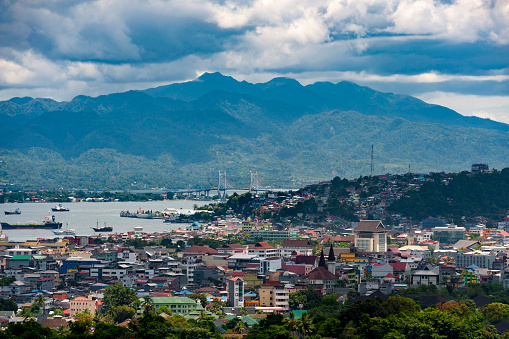
mashupch.com – Ambon, the bustling capital of the Maluku province in Indonesia, is affectionately known as “Ambon Manise,” which translates to “Sweet Ambon.” Located on Ambon Island, this city is renowned for its stunning natural landscapes, vibrant culture, and historical significance as a hub of the spice trade during colonial times.

Historical Background

Ambon has a rich history that dates back to the era of the spice trade in the 16th century. The island was a coveted destination for European powers due to its abundance of cloves and nutmeg. The Portuguese were the first Europeans to arrive in Ambon, followed by the Dutch, who established a significant colonial presence. This colonial history has left an indelible mark on the city, with remnants of forts and colonial architecture still visible today.

Cultural and Natural Attractions

Ambon boasts a variety of attractions that reflect its cultural diversity and natural beauty. The city is home to numerous historical sites, such as Fort Victoria and the Siwalima Museum, which offer insights into its colonial past and local traditions. The Ambon War Cemetery is another poignant site, commemorating those who lost their lives during World War II.

Nature enthusiasts will find plenty to explore in and around Ambon. The island’s coastline is dotted with beautiful beaches, such as Natsepa and Liang, known for their crystal-clear waters and vibrant coral reefs. These beaches offer excellent opportunities for snorkeling and diving, providing a glimpse into the rich marine biodiversity of the region.

Modern Developments and Economy

Today, Ambon is a thriving city with a growing economy supported by agriculture, fishing, and tourism. The city serves as a gateway to the Maluku Islands, attracting visitors with its unique blend of cultural and natural attractions. Efforts are being made to improve infrastructure and promote sustainable tourism, ensuring that the city’s natural beauty and cultural heritage are preserved for future generations.

Conclusion

Ambon City, with its captivating history, diverse culture, and stunning natural beauty, offers a unique experience for travelers. Whether you’re exploring its historical landmarks, enjoying the picturesque beaches, or immersing yourself in the local culture, Ambon provides a rich and rewarding journey. As the city continues to grow and develop, it remains a shining gem in the heart of the Moluccas, embodying the spirit of Indonesia’s eastern islands.

Hiroshima City: A Journey Through History and Renewal

mashupch.com – Hiroshima City, located in the western part of Japan’s Honshu Island, is a place where history and modernity coexist harmoniously. Known worldwide for its tragic past, Hiroshima has emerged as a symbol of peace and resilience. This article explores the historical significance, cultural attractions, and vibrant life of Hiroshima City.

A City with a Profound History

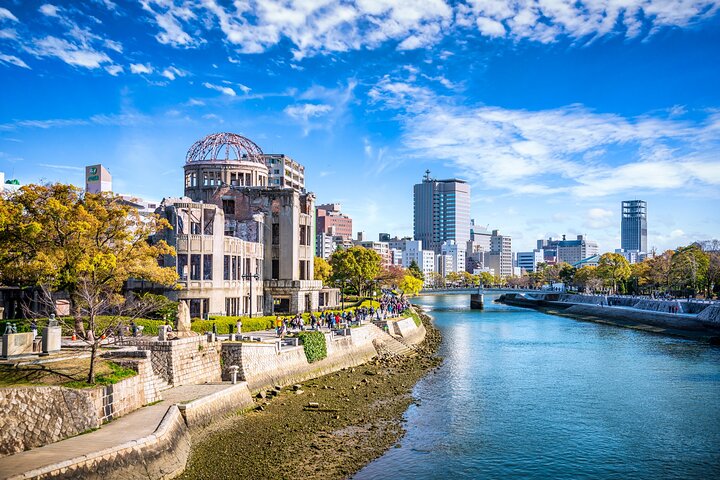
Hiroshima’s name is forever etched in history due to the events of August 6, 1945, when it became the first city to suffer an atomic bombing during World War II. The impact was devastating, but the city’s recovery and commitment to peace have made it a beacon of hope. The Hiroshima Peace Memorial Park stands as a poignant reminder of the past, featuring the iconic Atomic Bomb Dome and the Hiroshima Peace Memorial Museum, which educates visitors about the consequences of nuclear warfare and the importance of peace.

Cultural and Historical Attractions

In addition to its historical significance, Hiroshima is home to a wealth of cultural and historical sites. The Hiroshima Castle, originally built in the 16th century, offers a glimpse into the city’s feudal past. Reconstructed after the war, the castle now houses a museum with exhibits on Hiroshima’s history. Shukkeien Garden, a traditional Japanese garden, provides a tranquil escape in the heart of the city, showcasing beautifully manicured landscapes and serene ponds.

Culinary Delights: Hiroshima-style Okonomiyaki

Hiroshima is renowned for its unique take on okonomiyaki, a savory pancake made with layers of batter, cabbage, pork, and noodles, topped with a rich sauce. This local delicacy can be enjoyed at numerous restaurants throughout the city, particularly in the bustling Okonomimura district, which is dedicated to this beloved dish. Hiroshima’s culinary scene also features fresh seafood from the Seto Inland Sea and locally brewed sake, offering a diverse array of flavors for visitors to savor.

Natural Beauty and Island Excursions

Surrounded by natural beauty, Hiroshima offers numerous opportunities for outdoor exploration. The nearby island of Miyajima, a short ferry ride away, is famous for the Itsukushima Shrine and its “floating” torii gate, a UNESCO World Heritage site. The island’s scenic hiking trails and friendly deer make it a popular day-trip destination. Closer to the city, the Mitaki-dera Temple, nestled in the lush hills, provides a peaceful retreat with its ancient pagodas and waterfalls.

A Modern and Vibrant City

Today, Hiroshima is a thriving urban center with a lively arts and entertainment scene. The city’s shopping districts, such as Hondori Street, offer a mix of traditional shops and modern boutiques. Hiroshima’s cultural calendar is packed with events, including the Hiroshima Flower Festival and the Hiroshima International Animation Festival, celebrating the city’s artistic spirit and creativity.

Conclusion

Hiroshima City is a testament to the power of resilience and renewal. From its sobering history to its vibrant present, Hiroshima offers a rich tapestry of experiences for visitors. Whether reflecting on its past at the Peace Memorial Park, indulging in its culinary delights, or exploring its natural beauty, Hiroshima is a city that captivates the heart and inspires hope for a peaceful future.

Unveiling the Allure of Fremantle – Historical Significance

mashupch.com – Nestled at the mouth of the Swan River in Western Australia, Fremantle is a port city renowned for its rich maritime history, vibrant arts scene, and eclectic blend of cultures. Known affectionately as “Freo” by locals, this charming city offers a unique combination of historical significance and modern creativity. In this article, we explore what makes Fremantle an intriguing destination for travelers and locals alike.

Historical Significance

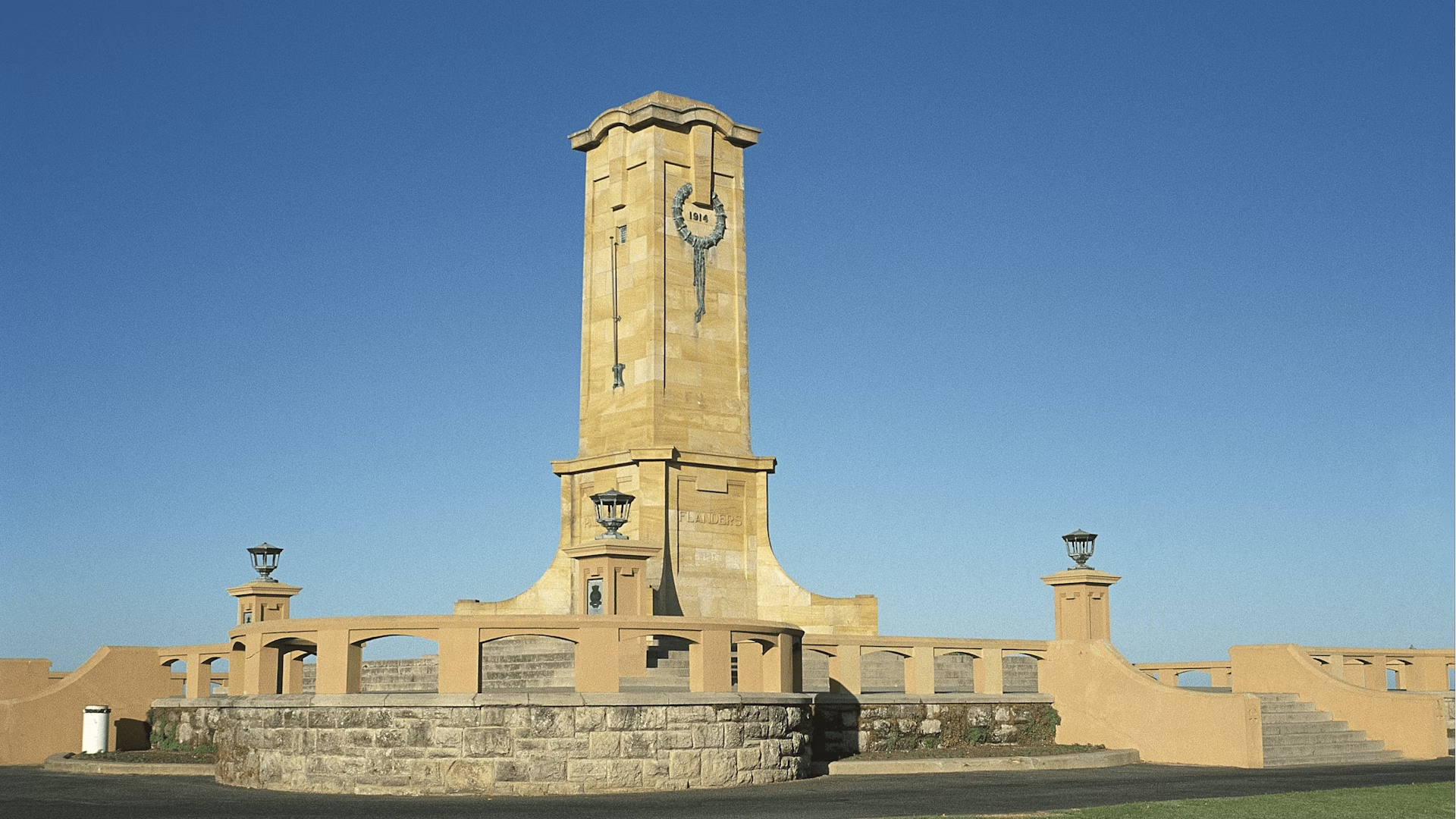
Fremantle boasts a fascinating history as one of the oldest settlements in Western Australia. Established in 1829, the city played a crucial role during the colonial era and the subsequent gold rush. Visitors can delve into its past by exploring the Fremantle Prison, a UNESCO World Heritage site that offers guided tours revealing stories of convicts and daring escapes. The Western Australian Maritime Museum, located on Victoria Quay, showcases the city’s strong maritime ties, including the iconic America’s Cup-winning yacht, Australia II.

Architectural and Cultural Heritage

Fremantle’s streets are lined with beautifully preserved 19th-century architecture, including heritage-listed buildings and charming Victorian terraces. The Fremantle Markets, housed in a historic building dating back to 1897, provide a lively atmosphere where visitors can browse local produce, artisanal goods, and unique crafts. The city’s cultural diversity is celebrated through numerous festivals and events, such as the Fremantle Festival and the Street Arts Festival, highlighting its dynamic community spirit.

Arts and Creativity

A haven for artists and creatives, Fremantle is home to a thriving arts scene. The Fremantle Arts Centre, set in a stunning Gothic-style building, hosts contemporary art exhibitions, live music performances, and workshops. The city’s vibrant street art, local galleries, and artisanal shops further reflect its creative pulse. Music lovers will find a diverse range of live performances in Fremantle’s many pubs and venues, showcasing both local talent and international acts.

Coastal and Culinary Delights

With its prime coastal location, Fremantle offers beautiful beaches and a bustling fishing harbor. South Beach is a popular spot for swimming and picnicking, while Bathers Beach provides a unique setting for sunset views. The city is also a culinary hotspot, with a wide array of dining options ranging from fresh seafood at Fishing Boat Harbour to multicultural cuisines in the city center. Fremantle’s craft breweries and lively cafés complete the vibrant food scene.

Conclusion

Fremantle is a city that seamlessly blends its rich historical roots with a vibrant contemporary culture. Its unique combination of heritage, creativity, and coastal charm makes it a must-visit destination for those seeking both relaxation and exploration. Whether you’re wandering through its historic streets, indulging in its culinary offerings, or enjoying its lively arts scene, Fremantle offers an unforgettable experience that captures the essence of Western Australia’s coastal allure.

Lithuania: Echoes of the Grand Duchy

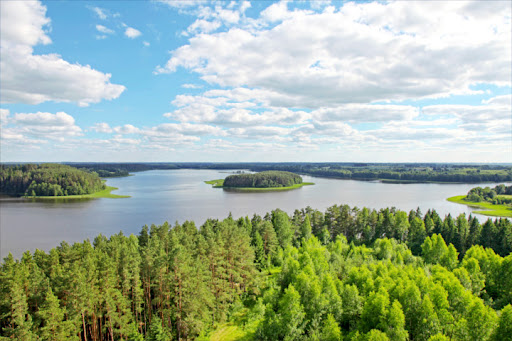
mashupch.com – Lithuania, a nation with a rich and storied past, was once the centerpiece of one of Europe’s largest and most influential states: the Grand Duchy of Lithuania. Spanning from the Baltic to the Black Sea, the Grand Duchy left an indelible mark on the history and culture of Eastern Europe. This article delves into the echoes of this grand era that continue to resonate in modern Lithuania.

The Rise of the Grand Duchy

The Grand Duchy of Lithuania emerged in the 13th century as a formidable power under the leadership of Grand Duke Mindaugas, who became the first and only crowned king of Lithuania. By the 14th century, the Grand Duchy had expanded its territory significantly, encompassing lands that are now part of Belarus, Ukraine, Poland, and Russia. This expansion was marked by a series of strategic alliances and military campaigns.

Cultural and Religious Influence

Despite being one of the last pagan states in Europe, the Grand Duchy eventually embraced Christianity in the late 14th century. The conversion brought about significant cultural and religious changes, fostering closer ties with Western Europe. The Grand Duchy became a melting pot of cultures and religions, where Catholicism, Orthodoxy, and pagan traditions coexisted.

The establishment of the Union of Krewo in 1385, which led to the personal union between Lithuania and Poland, was a pivotal moment in the region’s history. This union laid the foundation for the Polish-Lithuanian Commonwealth, one of the largest and most populous states in Europe at the time.

Architectural Heritage

The architectural legacy of the Grand Duchy is still visible across Lithuania. Vilnius, the capital, is a treasure trove of Gothic, Renaissance, and Baroque architecture. The Vilnius Old Town, a UNESCO World Heritage Site, reflects the city’s medieval past with its narrow winding streets and historic buildings.

Trakai Island Castle, located on Lake Galvė, is another iconic symbol of this era. Originally built in the 14th century, the castle served as a strategic defense point and a residence for the Grand Dukes. Today, it stands as a testament to Lithuania’s medieval grandeur and is a popular tourist attraction.

The Legal and Educational Legacy

The Statutes of Lithuania, first codified in the 16th century, were among the most advanced legal codes of their time. These statutes emphasized personal freedoms and property rights, influencing legal systems in neighboring regions. The Grand Duchy was also a center of learning, with Vilnius University, founded in 1579, becoming a leading educational institution in Eastern Europe.

Conclusion

The echoes of the Grand Duchy of Lithuania continue to resonate in the country’s cultural, architectural, and legal landscapes. This grand era, marked by territorial expansion, cultural fusion, and legal innovation, has shaped the identity of modern Lithuania. As you explore Lithuania today, you’ll find that the legacy of the Grand Duchy is not just a relic of the past, but a living part of the nation’s heritage.