
Monufia: The Heart of the Nile Delta – Historical Background

mashupch.com – Monufia is a governorate located in the heart of Egypt’s fertile Nile Delta. Known for its agricultural productivity and rich cultural traditions, Monufia plays a crucial role in the country’s economy and heritage. This article explores the historical background, cultural significance, and modern-day attractions of Monufia, highlighting its unique contribution to Egypt’s identity.

Historical Background

Ancient Roots

Monufia’s history is deeply intertwined with the ancient civilizations of Egypt. Archaeological findings in the region reveal its historical significance, with remnants of Pharaonic settlements and artifacts dating back thousands of years. The fertile lands of Monufia have supported human habitation and agricultural development since antiquity.

Development Through the Ages

Throughout history, Monufia has evolved as a key agricultural hub. During the medieval period and into modern times, it has been a center for crop cultivation, particularly known for its production of cotton and other staple crops. This agricultural heritage has shaped the region’s economy and way of life.

Cultural Significance

Traditional Crafts and Practices

Monufia is renowned for preserving traditional crafts and practices. The region is home to skilled artisans who engage in weaving, pottery, and other crafts that reflect Egypt’s rich cultural heritage. These crafts are often passed down through generations, maintaining the cultural continuity of the community.

Educational Institutions

The governorate is also known for its focus on education, with numerous schools and higher education institutions contributing to the intellectual and cultural development of the region. These institutions play a pivotal role in fostering a sense of community and promoting cultural awareness.

Modern Monufia

Agricultural Innovation

In modern times, Monufia continues to be a leader in agricultural innovation. The region has embraced modern farming techniques and technologies to enhance productivity and sustainability. This focus on innovation ensures that Monufia remains a vital contributor to Egypt’s food security and economic growth.

Tourist Attractions

While Monufia may not be as prominent on the tourist map as other regions, it offers a variety of attractions for those interested in exploring rural Egypt. Visitors can experience the charm of traditional villages, enjoy the lush landscapes of the Delta, and participate in local festivals that celebrate the region’s rich cultural heritage.

Conclusion

Monufia stands as a testament to the enduring importance of Egypt’s agricultural heartland. Its blend of historical depth, cultural richness, and modern innovation makes it a unique and vital part of the Nile Delta. Whether exploring its traditional crafts, engaging with its educational institutions, or experiencing its rural beauty, Monufia offers a glimpse into the soul of Egypt.
Unveiling the Allure of Fremantle – Historical Significance

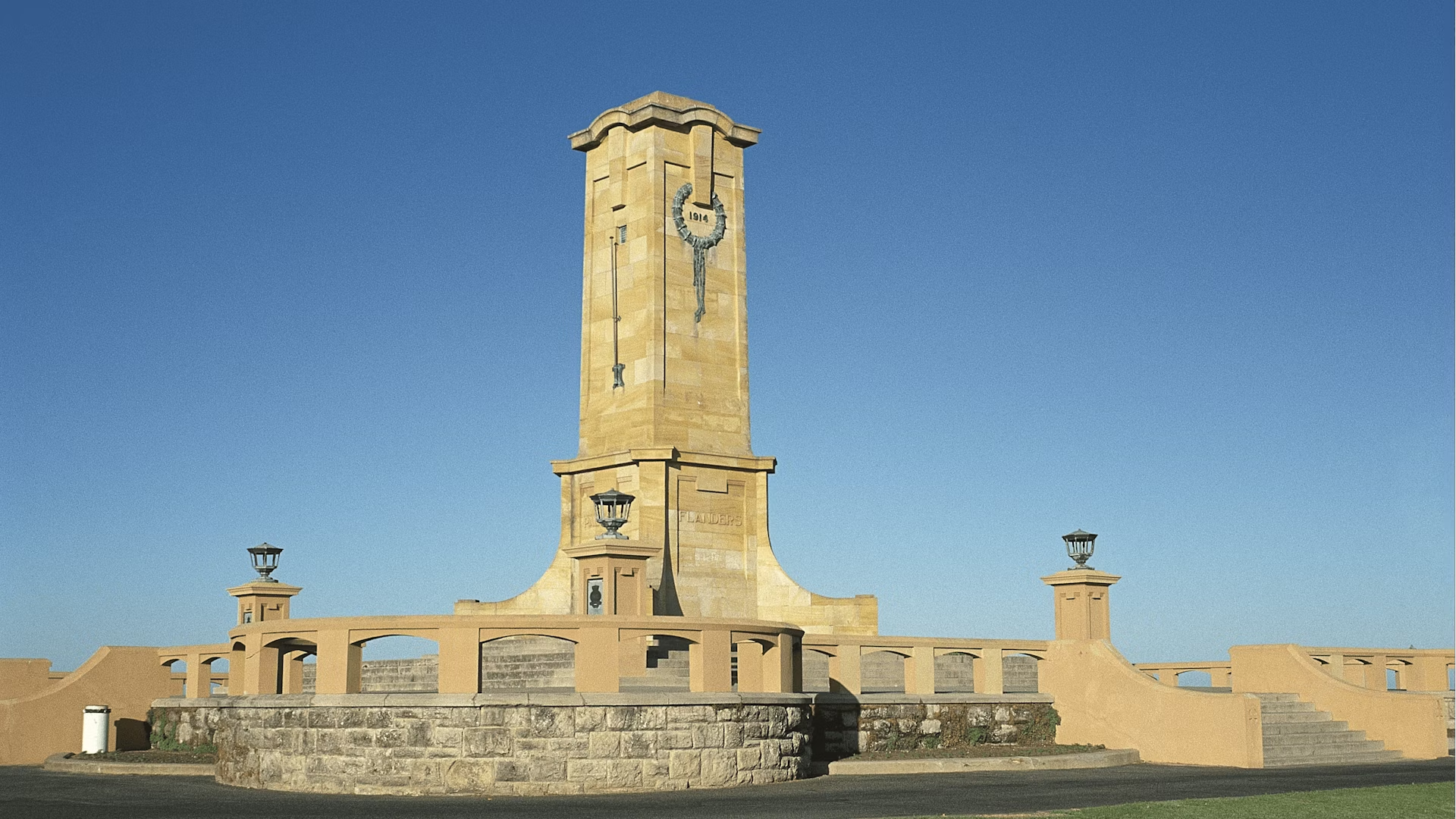
mashupch.com – Nestled at the mouth of the Swan River in Western Australia, Fremantle is a port city renowned for its rich maritime history, vibrant arts scene, and eclectic blend of cultures. Known affectionately as “Freo” by locals, this charming city offers a unique combination of historical significance and modern creativity. In this article, we explore what makes Fremantle an intriguing destination for travelers and locals alike.

Historical Significance

Fremantle boasts a fascinating history as one of the oldest settlements in Western Australia. Established in 1829, the city played a crucial role during the colonial era and the subsequent gold rush. Visitors can delve into its past by exploring the Fremantle Prison, a UNESCO World Heritage site that offers guided tours revealing stories of convicts and daring escapes. The Western Australian Maritime Museum, located on Victoria Quay, showcases the city’s strong maritime ties, including the iconic America’s Cup-winning yacht, Australia II.

Architectural and Cultural Heritage

Fremantle’s streets are lined with beautifully preserved 19th-century architecture, including heritage-listed buildings and charming Victorian terraces. The Fremantle Markets, housed in a historic building dating back to 1897, provide a lively atmosphere where visitors can browse local produce, artisanal goods, and unique crafts. The city’s cultural diversity is celebrated through numerous festivals and events, such as the Fremantle Festival and the Street Arts Festival, highlighting its dynamic community spirit.

Arts and Creativity

A haven for artists and creatives, Fremantle is home to a thriving arts scene. The Fremantle Arts Centre, set in a stunning Gothic-style building, hosts contemporary art exhibitions, live music performances, and workshops. The city’s vibrant street art, local galleries, and artisanal shops further reflect its creative pulse. Music lovers will find a diverse range of live performances in Fremantle’s many pubs and venues, showcasing both local talent and international acts.

Coastal and Culinary Delights

With its prime coastal location, Fremantle offers beautiful beaches and a bustling fishing harbor. South Beach is a popular spot for swimming and picnicking, while Bathers Beach provides a unique setting for sunset views. The city is also a culinary hotspot, with a wide array of dining options ranging from fresh seafood at Fishing Boat Harbour to multicultural cuisines in the city center. Fremantle’s craft breweries and lively cafés complete the vibrant food scene.

Conclusion

Fremantle is a city that seamlessly blends its rich historical roots with a vibrant contemporary culture. Its unique combination of heritage, creativity, and coastal charm makes it a must-visit destination for those seeking both relaxation and exploration. Whether you’re wandering through its historic streets, indulging in its culinary offerings, or enjoying its lively arts scene, Fremantle offers an unforgettable experience that captures the essence of Western Australia’s coastal allure.

Historical Landmarks of Pakistan

mashupch.com – Pakistan, a country rich in history and culture, boasts a multitude of historical landmarks that reflect the diverse civilizations and empires that have shaped its past. From ancient archaeological sites to stunning architectural marvels, these landmarks offer a glimpse into the country’s storied history.

Ancient Civilizations

Mohenjo-Daro

Located in the Sindh province, Mohenjo-Daro is one of the earliest urban settlements in the world, dating back to 2500 BCE. This UNESCO World Heritage site showcases the advanced urban planning and sophisticated drainage systems of the Indus Valley Civilization.

Taxila

Taxila, another UNESCO World Heritage site, was a major center of learning and culture in ancient times. It is home to numerous ruins, including stupas and monasteries, highlighting its significance in Buddhist history.

Mughal Architecture

Lahore Fort and Shalimar Gardens

The Lahore Fort and Shalimar Gardens, both UNESCO World Heritage sites, are prime examples of Mughal architecture. The fort, with its grand palaces and intricately decorated halls, and the gardens, with their beautiful terraces and fountains, reflect the opulence of the Mughal era.

Badshahi Mosque

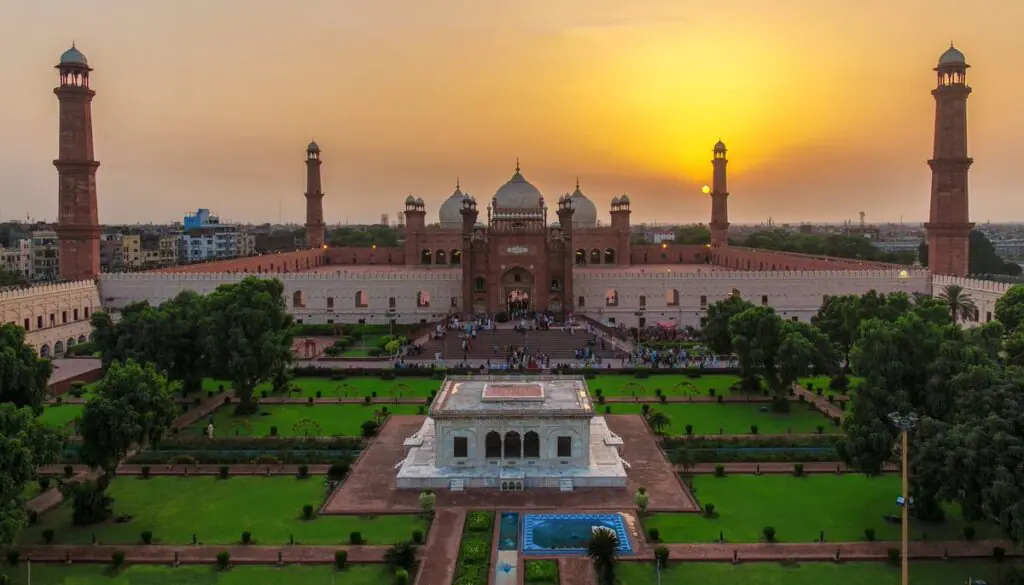
The Badshahi Mosque in Lahore is one of the largest mosques in the world. Built by Emperor Aurangzeb in 1673, its stunning red sandstone and marble architecture make it a masterpiece of Mughal design.

Islamic Heritage

Faisal Mosque

In Islamabad, the Faisal Mosque stands as a symbol of modern Islamic architecture. Completed in 1986, its unique design incorporates traditional Islamic art with contemporary architectural elements.

Rohtas Fort

This massive fortification in Punjab was built by the Afghan king Sher Shah Suri in the 16th century. Rohtas Fort is renowned for its robust defensive walls and intricate gateways, representing the strategic military architecture of its time.

Sikh Heritage

Gurdwara Panja Sahib

Located in Hasan Abdal, Gurdwara Panja Sahib is one of the most sacred Sikh pilgrimage sites. It commemorates Guru Nanak, the founder of Sikhism, and is famous for the holy rock bearing his handprint.

Conclusion

The historical landmarks of Pakistan are not just tourist attractions, but also a testament to the country’s rich and diverse cultural heritage. They provide an invaluable insight into the civilizations and empires that have left their mark on the region, making Pakistan a fascinating destination for history enthusiasts and travelers alike.

A Historical Perspective: The Diversity Visa Program

mashupch.com – The Diversity Visa (DV) Program, commonly known as the Green Card Lottery, is a unique initiative established by the United States government to promote cultural diversity and provide immigration opportunities to individuals from countries with low rates of immigration to the U.S. This program has a rich history that reflects the evolving immigration policies and the commitment of the United States to welcoming individuals from diverse backgrounds.

Origins of the Diversity Visa Program

The Diversity Visa Program was created as part of the Immigration Act of 1990, which aimed to diversify the immigrant population in the United States. The program was a response to the increasing homogeneity of immigrant populations, with a significant number of immigrants coming from a few source countries. Lawmakers sought to address this imbalance by allocating a portion of immigrant visas to individuals from countries that had historically low rates of immigration to the U.S.

The Immigration Act of 1990

The Immigration Act of 1990 introduced several changes to U.S. immigration law, including the establishment of the Diversity Visa Program. The act aimed to create a more equitable distribution of immigrant visas by setting aside 55,000 visas annually for individuals from countries with low rates of immigration to the U.S. This number was later reduced to 50,000 visas per year.

Evolution of the Program

Over the years, the Diversity Visa Program has undergone various changes and has faced its share of challenges. Despite these challenges, the program has remained a significant pathway for individuals from diverse backgrounds to immigrate to the United States.

Adaptations and Challenges

The program has adapted to changing global dynamics and immigration patterns. For instance, the list of eligible countries is reviewed and updated annually based on the number of immigrants from each country. Countries that have sent more than 50,000 immigrants to the U.S. in the previous five years are ineligible to participate in the DV Program.

The Diversity Visa Program has also faced criticism and scrutiny, with some arguing that it does not effectively promote diversity or that it should be replaced with other immigration priorities. Despite these challenges, the program continues to be a vital component of U.S. immigration policy.

Impact and Legacy

The Diversity Visa Program has had a profound impact on the lives of its recipients and on the cultural landscape of the United States. It has provided a pathway to the American Dream for individuals from around the world, enriching the cultural diversity of American society.

Cultural Enrichment and Economic Contributions

Recipients of the Diversity Visa have contributed significantly to American society, both culturally and economically. They have brought diverse perspectives, traditions, and talents to the U.S., enriching the cultural fabric of the nation. Many have also made valuable contributions to the U.S. economy, starting businesses, and contributing to innovation and job creation.

Conclusion

The Diversity Visa Program is a testament to the United States’ commitment to promoting cultural diversity and providing opportunities for individuals from around the world to pursue the American Dream. Since its inception, the program has evolved and adapted to changing global dynamics, reflecting the ongoing efforts to create a more inclusive and diverse society. As the program continues to shape the lives of its recipients and the cultural landscape of the United States, it remains a beacon of hope for many aspiring to make the United States their home.