Ancient Persia: Cradle of Civilization – Expansion & Governance

mashupch.com – Ancient Persia, also known as the Persian Empire, is one of the most influential civilizations in history. Located in what is now Iran, Persia played a vital role in shaping the cultural, political, and intellectual landscape of the ancient world. Spanning over several centuries, the rise and fall of the Persian Empire left a lasting legacy that continues to influence global culture, governance, and philosophy to this day.

The Birth of the Persian Empire

The Persian Empire traces its origins back to the 6th century BCE when the Achaemenid dynasty, led by the great ruler Cyrus the Great, rose to power. Before the emergence of the Persian Empire, the region was inhabited by various peoples, including the Medes, Elamites, and other ancient Iranian tribes. Cyrus the Great unified these different groups and established the Achaemenid Empire, marking the beginning of one of the largest and most powerful empires in history.

Cyrus the Great is renowned for his enlightened rule and is often credited with creating one of the first known charters of human rights, known as the Cyrus Cylinder. His empire expanded rapidly, encompassing territories from the Indus River in the east to the Aegean Sea in the west. Under Cyrus’s leadership, the Persians practiced religious tolerance, allowing conquered peoples to maintain their customs and beliefs, which helped stabilize and unify the vast empire.

Expansion and Governance

Following Cyrus’s reign, Darius I (Darius the Great) and Xerxes I further expanded the empire, reaching its zenith. Darius is particularly noted for reorganizing the empire into satrapies, or administrative regions, each overseen by a governor known as a satrap. This efficient administrative system allowed for effective governance across vast distances and helped maintain the unity of the empire despite its diverse population.

The Persian Empire was characterized by its impressive infrastructure, including the construction of the Royal Road, an ancient highway that stretched over 2,500 kilometers, facilitating communication and trade across the empire. The Persians also built a sophisticated postal system and created a standardized currency, further boosting economic stability and promoting trade between different regions of the empire.

Zoroastrianism: The Religion of Persia

A key aspect of Persian culture was its spiritual and religious foundation. The dominant religion in ancient Persia was Zoroastrianism, one of the world’s oldest monotheistic religions. Founded by the prophet Zoroaster (Zarathustra) around the 6th century BCE, Zoroastrianism preached the existence of one god, Ahura Mazda, and emphasized the concepts of truth, righteousness, and the cosmic struggle between good and evil.

Zoroastrianism influenced the moral and ethical code of Persian society and had a profound impact on later religious traditions, including Judaism, Christianity, and Islam. The religion’s emphasis on free will and individual responsibility resonated with the empire’s political system, where rulers were expected to uphold justice and fairness.

Cultural Achievements

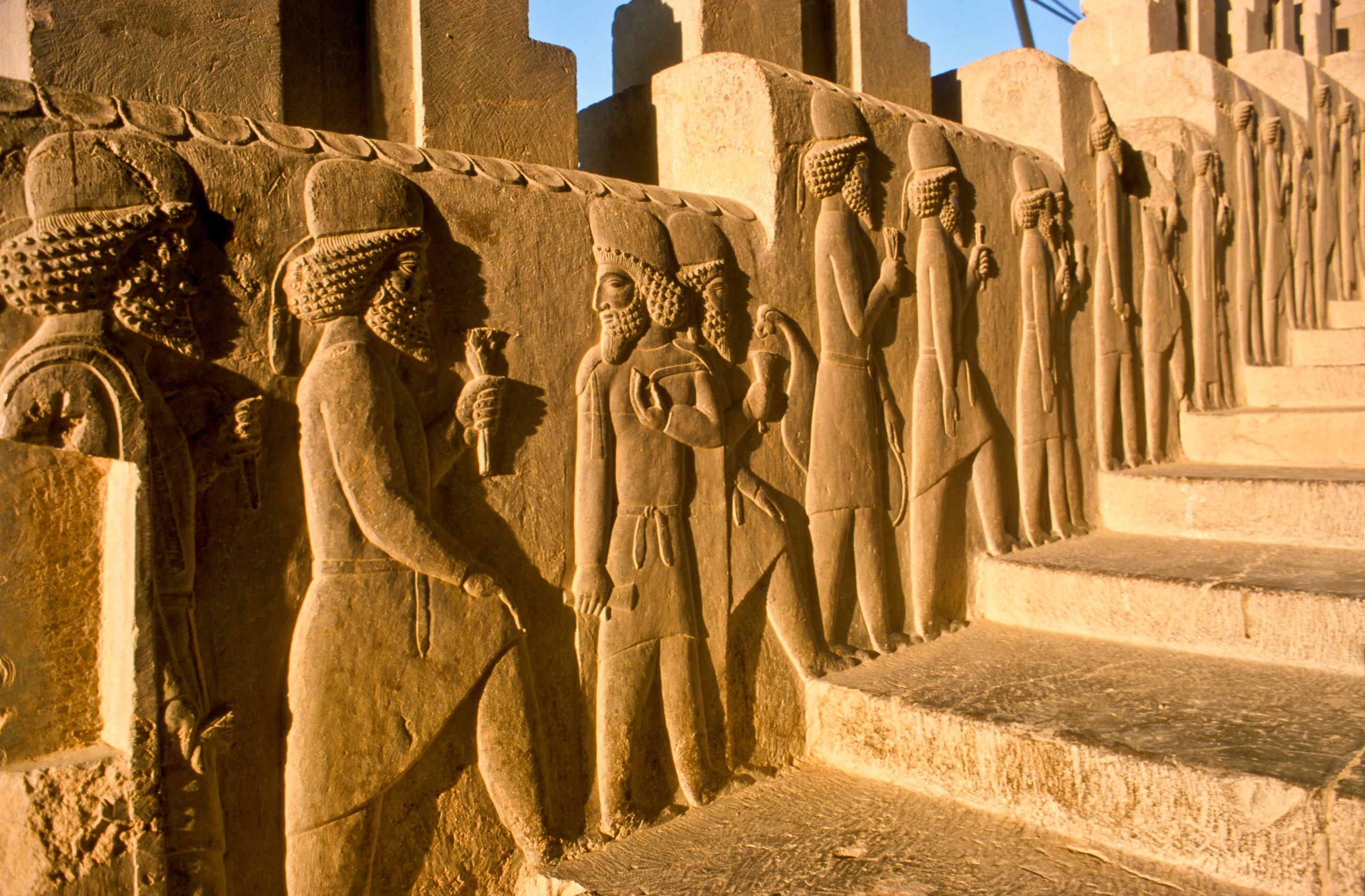
Ancient Persia was a melting pot of cultures, drawing from the civilizations of Mesopotamia, Egypt, Greece, and India. This blending of cultures is evident in Persian art, architecture, and literature. The Persians were masterful builders, as seen in the grandeur of their capital, Persepolis, which showcased a unique blend of Mesopotamian, Egyptian, and Greek architectural styles.

Persian art and craftsmanship were highly regarded, particularly in the realms of metalwork, pottery, and textiles. The intricate designs of Persian carpets and the detailed reliefs found in Persepolis remain some of the most stunning examples of ancient art. Additionally, the Persian love for gardens, symbolizing paradise, became a key feature of Persian culture and influenced garden design throughout the Middle East and beyond.

The Persian Wars and Decline

One of the most well-known chapters of Persian history is the series of conflicts with the Greek city-states, known as the Persian Wars. These wars, fought in the 5th century BCE, were marked by famous battles such as Marathon, Thermopylae, and Salamis. Although the Persians ultimately failed to conquer Greece, these wars left an indelible mark on both Greek and Persian history and culture.

The Persian Empire eventually began to decline in the 4th century BCE. Internal strife, weak leadership, and growing pressure from external forces weakened the once-mighty empire. In 330 BCE, the empire fell to the conquests of Alexander the Great, marking the end of the Achaemenid dynasty. However, Persian culture and influence continued to thrive under subsequent rulers, including the Parthians and the Sassanids.

Legacy of Ancient Persia

The legacy of ancient Persia is vast and enduring. Its contributions to governance, law, architecture, and culture have influenced civilizations across the globe. Persian ideas of justice, religious tolerance, and efficient administration laid the groundwork for many modern governments.

Moreover, Persian art, literature, and philosophy continued to flourish for centuries, influencing the Islamic Golden Age and shaping the cultural heritage of the Middle East. The impact of Zoroastrianism on later monotheistic religions and its focus on the struggle between good and evil can still be seen in modern religious and philosophical thought.

In conclusion, Ancient Persia was truly a cradle of civilization, fostering advancements in governance, religion, and culture that resonate to this day. Its rich history and cultural contributions make it one of the most important and influential empires in world history.
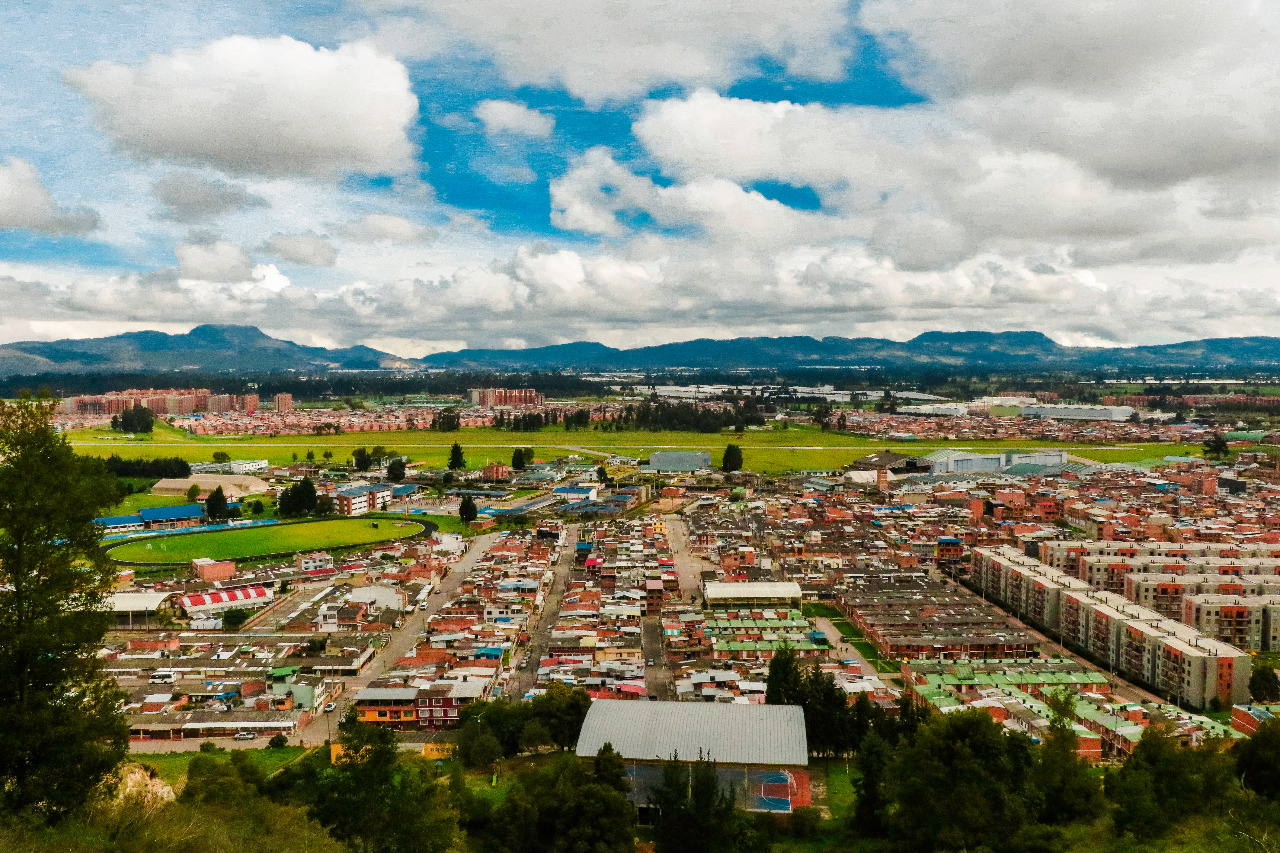
Pico Bonpland: A Majestic Andean Peak – A Serene Giant

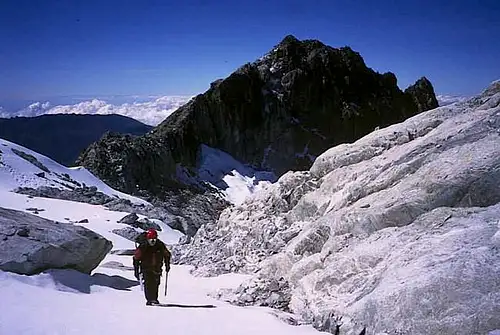
mashupch.com – Pico Bonpland, another notable peak in the Venezuelan Andes, rises to a height of 4,880 meters (16,010 feet). This majestic mountain, part of the Sierra Nevada de Mérida, offers a breathtaking sight and a challenging adventure for experienced climbers.

A Natural Wonder

The ascent to Pico Bonpland is a journey through diverse ecosystems, from lush cloud forests to alpine tundra. The lower slopes are covered in vibrant vegetation, while the higher elevations are characterized by rocky terrain and sparse vegetation. As climbers ascend higher, the air becomes thinner, and the temperature drops significantly.

A Climber’s Challenge

For experienced climbers, Pico Bonpland is a coveted challenge. The ascent requires technical skills, physical fitness, and the ability to withstand harsh weather conditions. The peak is often shrouded in clouds, making navigation difficult and increasing the risk of altitude sickness.

However, the rewards of reaching the summit are immense. From the peak, climbers are treated to panoramic views of the surrounding mountains, valleys, and distant plains. The feeling of accomplishment and the breathtaking scenery make the arduous climb worthwhile.

A Fragile Ecosystem

Pico Bonpland is a fragile ecosystem, and its delicate balance is threatened by climate change and human activity. The mountain’s glaciers, which have been shrinking in recent years, are a vital source of water for the region. As the glaciers retreat, the local water supply is at risk.

To preserve this natural wonder, it is essential to promote sustainable tourism and to protect the mountain’s ecosystem. By limiting human impact and implementing conservation measures, we can ensure that Pico Bonpland remains a majestic landmark for generations to come.

A Hidden Gem

While Pico Bolívar and Pico Humboldt often steal the spotlight, Pico Bonpland offers a quieter, more serene climbing experience. For those seeking a less crowded and more challenging ascent, Pico Bonpland is an excellent choice. The mountain’s remote location and stunning beauty make it a hidden gem for adventurous climbers.

Cundinamarca: The Heart of Colombia – A Cultural Tapestry

Bogotá: A Cosmopolitan City

mashupch.com – Cundinamarca, a department surrounding Colombia’s capital city, Bogotá, is a region of diverse landscapes, rich history, and vibrant culture. Bogotá, the nation’s capital, is a bustling metropolis that offers a unique blend of colonial charm and modern sophistication.

Bogotá: A City of Contrasts

Bogotá, a city nestled high in the Andes Mountains, is known for its stunning colonial architecture, vibrant street art, and diverse cultural scene.

  • La Candelaria: The historic center of Bogotá, with its colorful colonial buildings, charming plazas, and world-class museums.   
  • Monserrate: A hilltop sanctuary offering panoramic views of the city.  
  • Zona Rosa: A trendy neighborhood with upscale shops, restaurants, and nightlife.

Natural Wonders

Cundinamarca offers a variety of natural attractions, from snow-capped mountains to lush valleys.

  • Parque Nacional Natural Chingaza: A stunning national park with high-altitude páramo ecosystems, crystal-clear lakes, and diverse wildlife.
  • Laguna de Guatavita: A mystical lake associated with the legend of El Dorado.   
  • Villa de Leyva: A charming colonial town with well-preserved architecture and a laid-back atmosphere.   

A Cultural Tapestry

Cundinamarca’s rich cultural heritage is reflected in its music, dance, and traditional crafts.

  • Festival Internacional de Teatro de Bogotá: A world-renowned theater festival that attracts performers and audiences from around the globe.
  • Museo del Oro: A world-class museum showcasing the pre-Columbian gold artifacts of Colombia.   
  • Botero Museum: A museum dedicated to the works of renowned Colombian artist Fernando Botero.   

A Culinary Delight

Cundinamarca’s cuisine is a fusion of indigenous, Spanish, and African influences.

  • Ajiaco: A hearty soup made with potatoes, corn, chicken, and herbs.   
  • Arepas: Corn cakes that can be filled with a variety of ingredients, such as cheese, meat, or avocado.   
  • Tamales: Corn dough filled with meat, vegetables, and spices, wrapped in banana leaves and steamed.

Austurland: Iceland’s Eastern Frontier – Dramatic Landscapes

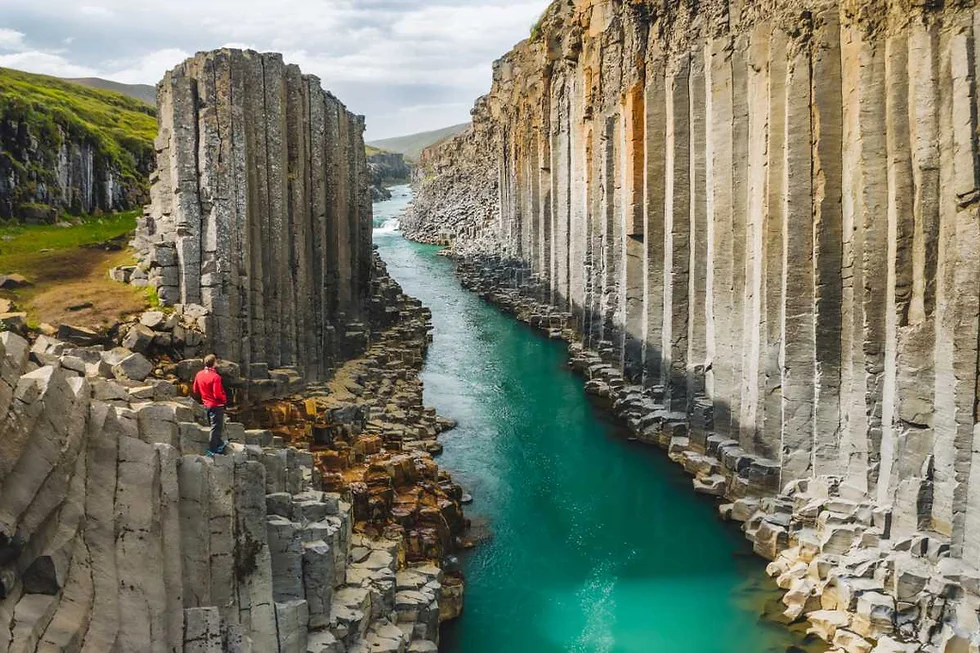
mashupch.com – Austurland, or East Iceland, is a region of stunning natural beauty, characterized by its dramatic mountains, deep fjords, and pristine wilderness. This remote region offers a unique blend of adventure, culture, and tranquility.

Egilsstaðir: The Gateway to the East

Egilsstaðir, the largest town in East Iceland, serves as a gateway to the region’s many attractions. It’s a charming town with a vibrant cultural scene, offering a range of activities for visitors.

  • Lagafell Mountain: This iconic mountain, with its distinctive shape, offers stunning views of the surrounding landscape.
  • Hallormsstaðaskógur: Iceland’s largest forest, Hallormsstaðaskógur is a haven for nature lovers, with hiking trails, camping sites, and opportunities for birdwatching.
  • Seydisfjörður: A picturesque fishing village with colorful houses and a vibrant arts scene.

Outdoor Adventures

Austurland offers a wide range of outdoor activities for adventure seekers.

  • Hiking: The region’s diverse landscapes, from rugged mountains to serene valleys, provide endless opportunities for hiking and trekking.
  • Fishing: The pristine waters of the Eastfjords offer excellent fishing opportunities, with a variety of species, including salmon, trout, and cod.
  • Kayaking: Explore the region’s stunning fjords and coastlines by kayak.
  • Horseback Riding: Experience the beauty of the Eastfjords on horseback.

A Cultural Experience

Austurland is rich in cultural heritage. Visitors can explore ancient ruins, visit historic churches, and experience traditional Icelandic music and folklore. The region’s unique cultural traditions, such as the Papey Island bird cliffs and the Petra Stone Collection, offer a fascinating glimpse into the past.

A Taste of Icelandic Cuisine

East Iceland offers a taste of authentic Icelandic cuisine, with fresh seafood, lamb, and other local delicacies. Visitors can savor delicious meals at local restaurants and cafes, or try their hand at traditional Icelandic cooking.

Conclusion

Austurland is a hidden gem, offering a truly authentic Icelandic experience. Its remote location, stunning landscapes, and rich cultural heritage make it a must-visit destination for anyone seeking adventure, tranquility, and a deeper connection with nature.

Schwarzwälder Kirschtorte: A Dark and Decadent Delight

mashupch.com – Schwarzwälder Kirschtorte, or Black Forest Cake, is a classic German dessert that has captivated the hearts of sweet-toothed enthusiasts worldwide. This decadent cake is a harmonious blend of dark chocolate, fresh cherries, and whipped cream, all infused with the distinctive flavor of Kirschwasser, a cherry brandy.

A Brief History

The exact origins of Schwarzwälder Kirschtorte are somewhat elusive, but it is believed to have emerged in the Black Forest region of Germany in the early 20th century. The cake’s rich and indulgent nature, combined with its unique combination of flavors, quickly made it a popular dessert.

The Art of Making Schwarzwälder Kirschtorte

Creating the perfect Schwarzwälder Kirschtorte requires a few key techniques:

  1. Baking the Cake: A dark chocolate sponge cake is baked and cooled.
  2. Preparing the Cherry Filling: Fresh cherries are pitted and macerated in Kirschwasser to infuse them with the distinctive flavor.
  3. Whipping the Cream: Heavy cream is whipped to stiff peaks and flavored with Kirschwasser.
  4. Assembling the Cake: The cake layers are layered with cherry filling and whipped cream, and the cake is finished with a dusting of cocoa powder and a garnish of cherries.

Serving Suggestions

Schwarzwälder Kirschtorte is typically served chilled, as a decadent dessert after a meal. It can also be enjoyed with a cup of coffee or tea.

Modern Variations

While the classic Schwarzwälder Kirschtorte is a timeless delight, modern pastry chefs have experimented with various twists on this iconic cake. Some popular variations include:

  • Vegan Schwarzwälder Kirschtorte: A plant-based version made with vegan chocolate cake, coconut cream, and cherry filling.
  • Gluten-Free Schwarzwälder Kirschtorte: A gluten-free version made with gluten-free flour and almond flour.
  • Miniature Schwarzwälder Kirschtorte: Individual servings of the classic cake, perfect for parties and celebrations.

Zakarpattia Oblast: Ukraine’s Gateway to the Carpathians

mashupch.com – Zakarpattia Oblast, nestled in the southwestern corner of Ukraine, is a region known for its breathtaking landscapes, diverse cultural heritage, and strategic geographical position. Bordered by several countries including Hungary, Slovakia, Poland, and Romania, Zakarpattia serves as a vibrant crossroads of cultures and traditions, enriched by its unique Carpathian setting.

Geography and Climate

Covering an area of about 12,800 square kilometers, Zakarpattia Oblast is dominated by the majestic Carpathian Mountains and lush valleys. The region’s terrain is a tapestry of rolling hills, dense forests, and pristine rivers, including the Tisza River, which flows through its heart. The climate is characterized by mild summers and cold, snowy winters, making it an ideal destination for both summer hiking and winter sports.

History and Development

The history of Zakarpattia is a rich mosaic of various influences, shaped by the many empires and nations that have governed the area. Originally inhabited by Slavic tribes, the region became part of the Kingdom of Hungary in the medieval period, later transitioning to the Austro-Hungarian Empire. After World War I, Zakarpattia was briefly part of Czechoslovakia before being incorporated into the Soviet Union after World War II.

The diverse historical influences have left an indelible mark on the region’s cultural and architectural landscape, with a blend of Hungarian, Slovak, Romanian, and Ukrainian elements. Today, Zakarpattia is a dynamic oblast that embraces its multicultural heritage while pursuing economic and social development.

Economy and Industry

The economy of Zakarpattia is multifaceted, with key sectors including agriculture, tourism, and light industry. The region’s fertile valleys support the cultivation of crops such as grapes, potatoes, and vegetables, as well as livestock farming. Zakarpattia is also known for its wine production, with several vineyards producing celebrated local wines.

Tourism plays a vital role in the local economy, drawing visitors with its natural beauty and cultural attractions. The Carpathian Mountains offer ample opportunities for outdoor activities like hiking, skiing, and thermal spa visits, while historical sites and festivals highlight the region’s rich cultural heritage.

Culture and Tourism

Zakarpattia Oblast is a cultural treasure trove, with a rich tapestry of traditions, languages, and customs. The region is home to multiple ethnic groups, including Ukrainians, Hungarians, Romanians, and Rusyns, each contributing to its vibrant cultural scene. This diversity is reflected in the area’s architecture, cuisine, and festivals.

Tourism in Zakarpattia is centered around its natural and cultural attractions. Visitors can explore the stunning landscapes of the Carpathians, visit the historic castles of Mukachevo and Uzhhorod, or enjoy the therapeutic benefits of the region’s thermal spas. Cultural events, such as the annual Cherry Festival and various folk festivals, offer a taste of the area’s rich traditions and hospitality.

In summary, Zakarpattia Oblast is a captivating region that combines stunning natural beauty with a rich cultural mosaic. Its strategic location, coupled with its commitment to preserving its unique heritage, makes it a vital and enchanting part of Ukraine’s tapestry. Whether exploring its mountains or delving into its multicultural past, Zakarpattia offers an unforgettable experience for all who visit.

Monufia: The Heart of the Nile Delta – Historical Background

mashupch.com – Monufia is a governorate located in the heart of Egypt’s fertile Nile Delta. Known for its agricultural productivity and rich cultural traditions, Monufia plays a crucial role in the country’s economy and heritage. This article explores the historical background, cultural significance, and modern-day attractions of Monufia, highlighting its unique contribution to Egypt’s identity.

Historical Background

Ancient Roots

Monufia’s history is deeply intertwined with the ancient civilizations of Egypt. Archaeological findings in the region reveal its historical significance, with remnants of Pharaonic settlements and artifacts dating back thousands of years. The fertile lands of Monufia have supported human habitation and agricultural development since antiquity.

Development Through the Ages

Throughout history, Monufia has evolved as a key agricultural hub. During the medieval period and into modern times, it has been a center for crop cultivation, particularly known for its production of cotton and other staple crops. This agricultural heritage has shaped the region’s economy and way of life.

Cultural Significance

Traditional Crafts and Practices

Monufia is renowned for preserving traditional crafts and practices. The region is home to skilled artisans who engage in weaving, pottery, and other crafts that reflect Egypt’s rich cultural heritage. These crafts are often passed down through generations, maintaining the cultural continuity of the community.

Educational Institutions

The governorate is also known for its focus on education, with numerous schools and higher education institutions contributing to the intellectual and cultural development of the region. These institutions play a pivotal role in fostering a sense of community and promoting cultural awareness.

Modern Monufia

Agricultural Innovation

In modern times, Monufia continues to be a leader in agricultural innovation. The region has embraced modern farming techniques and technologies to enhance productivity and sustainability. This focus on innovation ensures that Monufia remains a vital contributor to Egypt’s food security and economic growth.

Tourist Attractions

While Monufia may not be as prominent on the tourist map as other regions, it offers a variety of attractions for those interested in exploring rural Egypt. Visitors can experience the charm of traditional villages, enjoy the lush landscapes of the Delta, and participate in local festivals that celebrate the region’s rich cultural heritage.

Conclusion

Monufia stands as a testament to the enduring importance of Egypt’s agricultural heartland. Its blend of historical depth, cultural richness, and modern innovation makes it a unique and vital part of the Nile Delta. Whether exploring its traditional crafts, engaging with its educational institutions, or experiencing its rural beauty, Monufia offers a glimpse into the soul of Egypt.

Thailand’s Oasis of Tranquility: Exploring Prachinburi

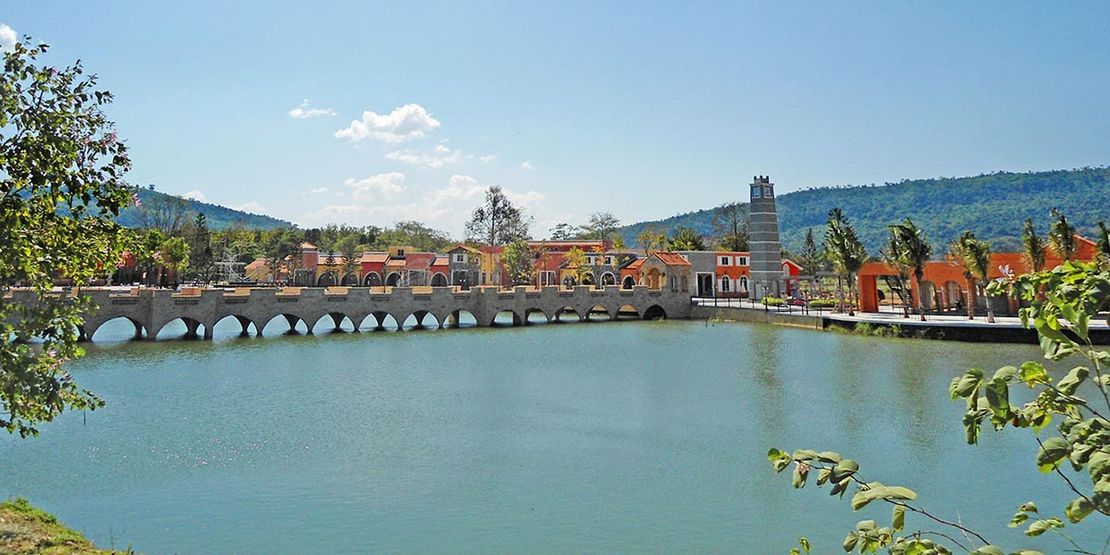
mashupch.com – Prachinburi is a serene province in eastern Thailand, renowned for its lush landscapes, historical sites, and tranquil ambiance. Although it may not be as widely known as some of its neighboring provinces, Prachinburi offers a wealth of experiences for those looking to explore Thailand’s natural and cultural heritage. It is an ideal destination for travelers seeking a peaceful retreat away from the bustling tourist hubs.

Historical and Cultural Significance

Prachinburi has a rich historical background, with archaeological evidence pointing to its significance during the Dvaravati period. The province is home to several ancient sites, including the Si Mahosot Ancient City, which showcases remnants of ancient civilization. Visitors can explore these historical landmarks and gain insights into the region’s past.

Natural Attractions

The province is blessed with stunning natural beauty, making it a haven for nature enthusiasts. Khao Yai National Park, a UNESCO World Heritage Site, partially extends into Prachinburi and is a popular destination for trekking, bird watching, and wildlife spotting. The park’s lush forests, cascading waterfalls, and diverse flora and fauna offer an immersive experience in nature.

Local Culture and Traditions

Prachinburi is known for its vibrant local culture and traditions. The locals celebrate various festivals throughout the year, providing a glimpse into their way of life. The annual Songkran festival, celebrated in April, is a lively event where visitors can partake in water splashing and traditional Thai ceremonies.

Conclusion

Prachinburi is an enchanting province that offers a perfect blend of history, nature, and culture. Whether you’re exploring ancient ruins, wandering through lush national parks, or experiencing local traditions, Prachinburi provides a refreshing escape from the ordinary. It’s a destination that invites travelers to immerse themselves in the tranquil beauty and rich heritage of Thailand.

The Northern Jewel of Thailand: Exploring Chiang Rai

mashupch.com – Chiang Rai, the northernmost province of Thailand, is a captivating destination known for its stunning landscapes, rich cultural heritage, and artistic landmarks. Nestled in the lush hills of the Golden Triangle region, where Thailand, Laos, and Myanmar converge, Chiang Rai offers a unique blend of natural beauty and cultural intrigue. This article explores the history, attractions, and vibrant culture of Chiang Rai.

Historical Insights

A Gateway to the Golden Triangle

Chiang Rai’s strategic location as part of the Golden Triangle has played a significant role in its history. Once a center for opium trade, the region has transformed into a peaceful area known for agriculture and tourism. The province’s history is deeply intertwined with the Lanna Kingdom, and its cultural influences are evident in the architecture and traditions.

The Legacy of King Mengrai

The province’s capital, also named Chiang Rai, was founded in 1262 by King Mengrai, the first king of the Lanna Kingdom. His legacy is celebrated throughout the province, and visitors can explore historical sites that reflect the ancient Lanna culture.

Must-Visit Attractions

Wat Rong Khun (The White Temple)

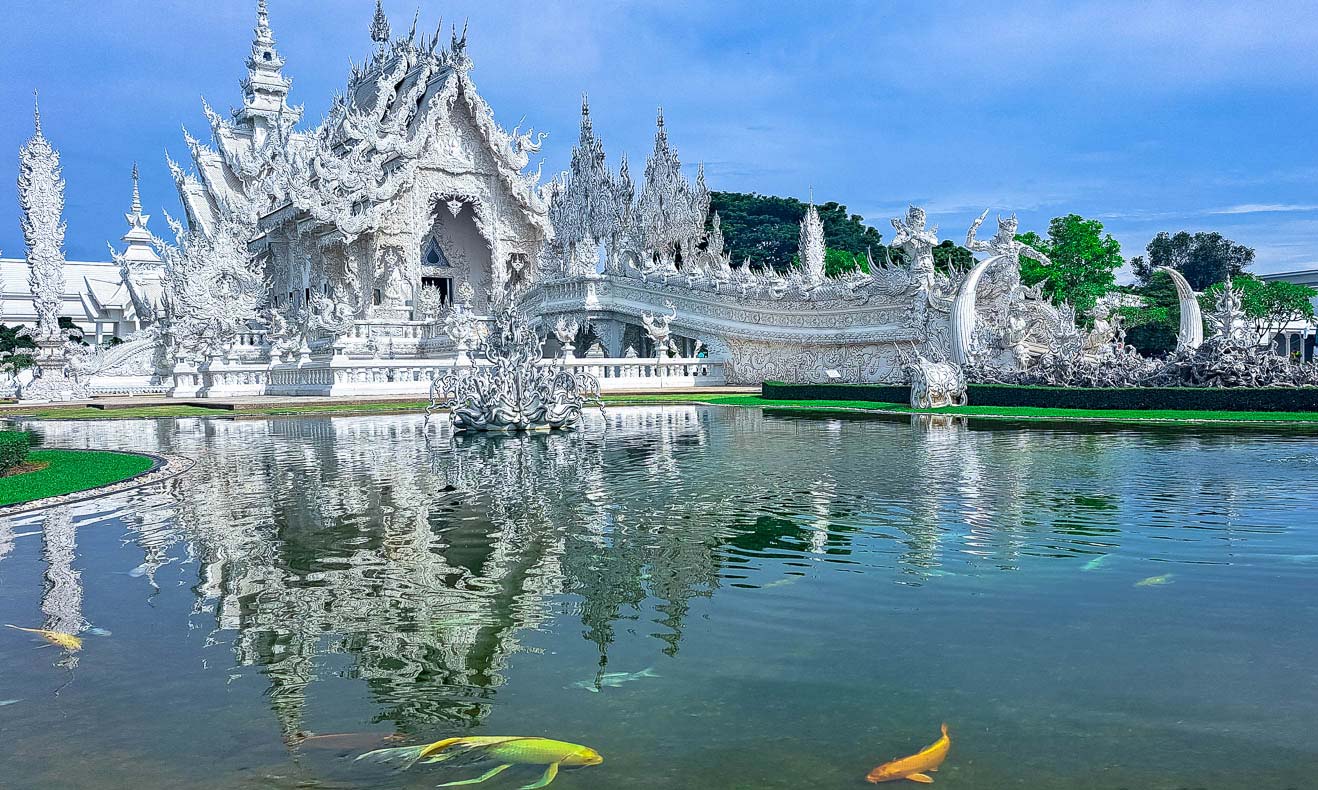
One of the most iconic attractions in Chiang Rai is Wat Rong Khun, commonly known as the White Temple. Designed by renowned Thai artist Chalermchai Kositpipat, this contemporary temple is a masterpiece of art and architecture. Its intricate white facade, adorned with mirrored glass, creates a dazzling effect that captivates all who visit.

Doi Tung Royal Villa and Mae Fah Luang Garden

The Doi Tung Royal Villa, once the residence of the late Princess Mother, is a beautiful example of Lanna and Swiss architecture. The surrounding Mae Fah Luang Garden is a botanical paradise, featuring a diverse array of plants and flowers. The site offers breathtaking views of the surrounding mountains and valleys.

The Golden Triangle

A visit to Chiang Rai is not complete without exploring the Golden Triangle, where the borders of Thailand, Laos, and Myanmar meet. The area offers historical insights and stunning vistas, with opportunities to visit local museums and learn about the region’s past.

Cultural Experiences

Traditional Hill Tribes

Chiang Rai is home to several hill tribes, each with its own unique customs and traditions. Visitors can experience the cultural richness of these communities by visiting villages and participating in cultural exchanges. The Akha, Karen, and Lahu tribes offer insights into their traditional lifestyles and crafts.

Local Markets and Cuisine

Exploring Chiang Rai’s local markets is a feast for the senses. The Night Bazaar and Saturday Walking Street are perfect places to sample northern Thai delicacies, such as khao soi (curry noodle soup) and sai ua (northern Thai sausage). These markets also offer a variety of handmade crafts and souvenirs.

Conclusion

Chiang Rai is a province that enchants visitors with its stunning landscapes, artistic landmarks, and rich cultural heritage. From the ethereal beauty of the White Temple to the vibrant traditions of the hill tribes, Chiang Rai offers a diverse array of experiences for travelers. Whether you’re drawn by its history, art, or natural beauty, Chiang Rai promises a journey filled with discovery and wonder.

Norway’s Music Scene: From Folk Tunes to Modern Beats

mashupch.com – Norway’s music scene is a dynamic tapestry of sounds that reflects the country’s rich cultural heritage and innovative spirit. From traditional folk music steeped in history to cutting-edge modern beats, the Norwegian music landscape offers a diverse and vibrant experience for music lovers. This journey through Norway’s musical evolution highlights the deep-rooted traditions and the contemporary creativity that define its sound.

Traditional Norwegian Folk Music

A Rich Heritage

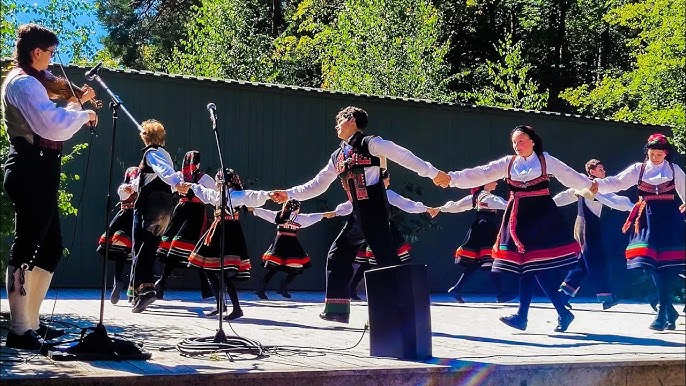
Norwegian folk music has its roots in centuries-old traditions, with melodies and rhythms passed down through generations. This genre is characterized by its use of traditional instruments, such as the Hardanger fiddle (Hardingfele), which is often adorned with intricate designs and produces a distinctive, resonant sound. Folk tunes typically accompany dances and celebrations, reflecting the cultural identity and stories of the Norwegian people.

Sámi Music and Joik

The indigenous Sámi people of Norway have their own unique musical tradition known as joik. This form of vocal expression is a powerful and personal way to convey emotions and connect with nature. Joik is an integral part of Sámi culture and has gained international recognition for its haunting beauty and spiritual depth.

The Rise of Norwegian Classical and Jazz

Classical Composers

Norway has produced several renowned classical composers who have made significant contributions to the global music scene. Edvard Grieg, known for his evocative compositions inspired by Norwegian landscapes and folklore, is a national icon. His works, such as “Peer Gynt” and “Piano Concerto in A minor,” continue to captivate audiences worldwide.

Norwegian Jazz

The Norwegian jazz scene has flourished over the past few decades, with artists gaining international acclaim for their innovative sounds and improvisational skills. Musicians like Jan Garbarek and Bugge Wesseltoft have helped put Norway on the map as a hub for contemporary jazz, blending traditional influences with modern styles.

Modern Norwegian Music: Pop, Rock, and Beyond

Pop and Rock Influences

Norway’s modern music scene is characterized by a diverse array of genres, including pop, rock, and electronic music. Artists such as A-ha, with their global hit “Take On Me,” have paved the way for future generations of Norwegian pop stars. Today, musicians like Sigrid and Aurora continue to gain international recognition with their unique sounds and powerful performances.

The Electronic Music Scene

Norway’s electronic music scene has also gained traction, with artists like Kygo leading the charge in the tropical house genre. His upbeat, melodic tracks have earned him a place on the global stage, highlighting Norway’s influence in the electronic music world.

Music Festivals and Cultural Events

Norway is home to a vibrant festival scene that celebrates its diverse musical heritage. Events like the Bergen International Festival and the Øya Festival in Oslo attract music lovers from around the world, showcasing everything from classical performances to indie rock and electronic beats. These festivals offer a platform for both established artists and emerging talent, fostering a sense of community and creativity.

Conclusion

Norway’s music scene is a captivating blend of tradition and innovation, offering something for every musical taste. From the haunting melodies of folk tunes to the energetic beats of modern pop and electronic music, Norway’s soundscape is a testament to its rich cultural heritage and forward-thinking approach. Whether you’re exploring the soulful strains of a Hardanger fiddle or dancing to the latest electronic hits, Norway’s music scene promises an unforgettable auditory adventure.

Seni Jepang: Manga dan Anime

mashupch – Jepang dikenal sebagai negara yang kaya akan budaya dan seni. Salah satu bentuk seni yang paling menonjol dari Jepang adalah manga dan anime. Keduanya telah menjadi bagian integral dari budaya pop Jepang dan memiliki pengaruh yang signifikan di seluruh dunia. Artikel ini akan menjelaskan apa itu manga dan anime, sejarahnya, serta dampaknya terhadap masyarakat dan budaya.

Manga adalah komik atau novel grafis yang berasal dari Jepang. Kata “manga” secara harfiah berarti “gambar yang mengalir,” dan sering kali ditulis dalam gaya hitam-putih. Manga dapat mencakup berbagai genre, mulai dari aksi, petualangan, fantasi, hingga romansa dan horror. Manga biasanya dibaca dari kanan ke kiri, yang merupakan kebiasaan membaca tradisional Jepang.

Manga dapat dipublikasikan dalam format majalah atau buku (tankōbon). Beberapa manga terkenal, seperti Naruto, One Piece, dan Attack on Titan, telah menjadi fenomena global dengan jutaan penggemar di seluruh dunia. Manga tidak hanya menarik perhatian anak-anak dan remaja, tetapi juga orang dewasa, dengan banyak cerita yang ditujukan untuk berbagai kelompok usia.

Apa Itu Anime?

Anime adalah istilah untuk animasi yang berasal dari Jepang. Meskipun istilah ini dapat merujuk pada semua jenis animasi di Jepang, di luar Jepang, “anime” biasanya merujuk pada animasi Jepang yang memiliki gaya dan karakteristik unik. Anime dapat diadaptasi dari manga, novel, video game, atau bahkan karya asli.

Anime biasanya diproduksi dalam bentuk serial televisi, film, atau OVA (Original Video Animation). Gaya visual anime sangat bervariasi, tetapi sering kali ditandai dengan karakter dengan mata besar, ekspresi dramatis, dan desain yang kreatif. Beberapa judul anime yang terkenal antara lain My Hero Academia, Spirited Away, dan Attack on Titan.

Sejarah Manga dan Anime

Manga memiliki akar yang dalam dalam seni dan budaya Jepang. Bentuk seni ini dapat ditelusuri kembali ke zaman Edo (1603-1868) dengan munculnya ukiyo-e, cetakan kayu yang menggambarkan kehidupan sehari-hari dan pemandangan alam. Pada abad ke-19, manga modern mulai berkembang, dengan pengaruh dari seni Barat dan teknik pencetakan.

Anime muncul pada awal abad ke-20, dengan karya-karya awal yang terinspirasi oleh film animasi asing. Namun, anime sebagai bentuk seni yang terpisah baru mulai dikenal setelah Perang Dunia II, ketika studio-studio animasi seperti Toei Animation mulai memproduksi film animasi. Seiring waktu, anime menjadi populer di kalangan masyarakat Jepang dan akhirnya meraih perhatian global pada tahun 1980-an dan 1990-an.

Dampak Budaya

Manga dan anime tidak hanya menjadi hiburan, tetapi juga merupakan medium untuk menyampaikan berbagai tema dan nilai. Banyak manga dan anime mengeksplorasi isu-isu sosial, budaya, dan psikologis, memberikan perspektif yang beragam kepada penontonnya. Mereka juga menjadi alat komunikasi yang efektif, menjembatani kesenjangan antara budaya jepang slot dan budaya asing.

Popularitas manga dan anime telah melahirkan berbagai acara, festival, dan komunitas penggemar di seluruh dunia. Konvensi seperti Comic-Con dan Anime Expo menarik ribuan penggemar setiap tahun, di mana mereka dapat berkumpul, berbagi minat, dan merayakan karya favorit mereka.

Manga dan anime adalah bagian tak terpisahkan dari seni Jepang yang telah berkembang menjadi fenomena global. Dengan kekuatan narasi, karakter yang mendalam, dan gaya visual yang unik, keduanya terus menarik perhatian dan imajinasi jutaan orang di seluruh dunia. Dari komik yang dibaca di rumah hingga film animasi yang ditayangkan di bioskop, seni Jepang ini akan terus berkontribusi pada budaya pop dan menginspirasi generasi mendatang.

The Significance of the Crimean Peninsula in Ukraine’s History

mashupch.com – The Crimean Peninsula, a strategically located and historically rich region, has played a crucial role in Ukraine’s history. Its unique geographical position and diverse cultural heritage have made Crimea a focal point of geopolitical interest and conflict over the centuries. This article explores the historical significance of Crimea and its impact on Ukraine’s national identity and political landscape.

Historical Background

The history of the Crimean Peninsula is marked by a tapestry of cultural influences and political changes. Throughout the centuries, Crimea has been inhabited by various ethnic groups, including the ancient Greeks, Scythians, and Tatars. It became a significant center of trade and cultural exchange due to its location along important maritime routes.

In the late 18th century, Crimea was annexed by the Russian Empire, becoming a key naval base for the Black Sea Fleet. The peninsula’s strategic importance continued through the Soviet era, during which it hosted critical military installations.

Crimea’s Role in Modern Ukraine

In 1954, Crimea was transferred from the Russian Soviet Federative Socialist Republic to the Ukrainian Soviet Socialist Republic by Soviet leader Nikita Khrushchev. This decision was largely symbolic at the time, as both republics were part of the Soviet Union. However, it gained significant political importance following Ukraine’s independence in 1991.

As part of independent Ukraine, Crimea enjoyed autonomous status, with its own parliament and government. The peninsula remained a multicultural region, home to ethnic Russians, Ukrainians, and Crimean Tatars. Its strategic location and resources, including tourism and agriculture, added to its economic significance.

The Annexation of Crimea

The Crimean Peninsula became a focal point of international attention in 2014 when Russia annexed it following the Euromaidan movement and the ousting of Ukraine’s President Viktor Yanukovych. The annexation, widely condemned by the international community, was seen as a violation of international law and Ukraine’s sovereignty.

The annexation has had profound implications for Ukraine, leading to strained relations with Russia and ongoing geopolitical tensions. It also highlighted the complex historical ties between Crimea and Ukraine, as well as the challenges of navigating national identity and regional autonomy.

Cultural and Social Significance

Beyond its geopolitical importance, Crimea holds significant cultural and social value for Ukraine. The peninsula is home to a rich tapestry of historical sites, including ancient ruins, palaces, and religious monuments. It is also a cultural melting pot, reflecting the diverse heritage of its inhabitants.

The Crimean Tatars, who faced deportation during the Soviet era, have a unique cultural and historical connection to the peninsula. Their return and resettlement in Crimea have been integral to preserving the region’s cultural diversity and heritage.

Conclusion

The Crimean Peninsula’s significance in Ukraine’s history is multifaceted, encompassing strategic, cultural, and social dimensions. Its complex past and contested present continue to shape Ukraine’s national identity and geopolitical landscape. Understanding Crimea’s historical importance is essential for appreciating the broader context of Ukraine’s ongoing struggle for sovereignty and territorial integrity.

Albania’s Influence on European History

mashupch.com – Albania, a small yet strategically located country in the Balkans, has played a significant role in European history. Despite its size, Albania’s influence extends across various historical epochs, from ancient times to the modern era. This article explores the pivotal contributions and influences of Albania on the broader European historical landscape.

Ancient Illyrian Roots

The roots of Albania’s historical influence can be traced back to the ancient Illyrians, an Indo-European people who inhabited the western Balkans. The Illyrians were known for their skills in warfare and trade, and they established several powerful kingdoms, such as the Kingdom of Dardania and the Kingdom of Epirus. These kingdoms engaged in commerce and conflict with neighboring civilizations, including the Greeks and Romans, leaving a lasting impact on the region’s development.

The Roman and Byzantine Eras

As part of the Roman Empire, and later the Byzantine Empire, Albania’s strategic location served as a crucial link between the Western and Eastern worlds. The Via Egnatia, a major Roman road, passed through Albanian territory, facilitating trade and cultural exchange between Rome and Byzantium. This connectivity allowed Albania to play a role in the spread of Christianity and the blending of Eastern and Western cultural elements.

The Ottoman Period

The Ottoman Empire’s expansion into the Balkans in the late Middle Ages brought significant changes to Albania. Despite being under Ottoman rule for several centuries, Albania retained a distinct cultural identity. The legendary Albanian national hero, Skanderbeg, resisted Ottoman forces for decades, becoming a symbol of resistance and inspiring other European powers to challenge Ottoman dominance. Skanderbeg’s legacy continues to influence Albanian national consciousness and European perceptions of resistance against the Ottomans.

The Albanian Renaissance

In the 19th century, the Albanian Renaissance was a cultural and political movement that sought to revive Albanian national identity and secure independence from the Ottoman Empire. Prominent figures like Pashko Vasa and Ismail Qemali played crucial roles in advocating for Albanian independence and the preservation of the Albanian language and culture. This movement contributed to the broader wave of nationalism that swept across Europe during this period.

Albania in the 20th Century

Albania’s influence on European history continued into the 20th century, particularly during the Cold War. Under the leadership of Enver Hoxha, Albania became one of the most isolated and Stalinist regimes in Europe. Despite its isolation, Albania’s unique position as a communist state that distanced itself from both the Soviet Union and China intrigued Western powers, adding complexity to Cold War dynamics in the region.

Albania’s Path to European Integration

Today, Albania is on a path towards European integration, aspiring to join the European Union. The country’s efforts to embrace democratic reforms, economic development, and regional cooperation reflect its ongoing influence in shaping the future of the Balkans and its role in European stability and progress.

Conclusion

Albania’s influence on European history is characterized by its strategic location, cultural resilience, and significant historical figures. From ancient Illyrian times to its modern aspirations for European integration, Albania has played a crucial role in shaping the historical and cultural landscape of Europe. As the country continues to forge its path in the 21st century, Albania’s historical legacy remains a testament to its enduring influence on the continent.

The Architecture of Yemen: From Ancient to Modern

mashupch.com – Yemen, a country rich in history and culture, boasts a unique architectural heritage that spans from ancient times to the modern era. This article explores the evolution of Yemeni architecture, highlighting the distinct styles and construction techniques that have shaped its cities and landscapes.

Ancient Architecture

Yemen’s architectural history dates back thousands of years, with evidence of settlements as early as 2500 BCE. The ancient city of Shibam, often referred to as the “Manhattan of the Desert,” features mudbrick skyscrapers that have stood for centuries. These buildings, some reaching up to 11 stories, demonstrate the advanced engineering skills of ancient Yemeni builders. The Marib Dam, another testament to ancient Yemen’s architectural prowess, played a crucial role in the region’s agricultural success and is considered one of the greatest feats of ancient engineering.

Islamic Influence

With the advent of Islam in the 7th century, Yemen’s architectural style began to incorporate Islamic elements. Mosques became central to city planning, characterized by domes, minarets, and intricate geometric patterns. The Great Mosque of Sana’a, built in the early Islamic period, is a prime example of this fusion, showcasing traditional Yemeni design with Islamic architectural features.

Traditional Tower Houses

Yemen is renowned for its traditional tower houses, particularly in the capital city of Sana’a. These multi-storied buildings are constructed using locally sourced materials like stone, mudbrick, and wood. The distinctive architecture features ornate wooden windows and doors, which not only provide aesthetic appeal but also serve functional purposes such as ventilation and lighting. The design of these houses reflects the need for protection and privacy, as well as the adaptation to Yemen’s climate.

Modern Developments

In recent decades, Yemen has seen a blend of traditional and modern architectural styles. While new buildings incorporate contemporary design elements and materials, there is a strong emphasis on preserving cultural identity. Sustainable practices, such as the use of eco-friendly materials and energy-efficient systems, are becoming more prevalent in modern Yemeni architecture. This approach ensures that new developments are in harmony with the environment and cultural heritage.

Challenges and Preservation Efforts

The ongoing conflict in Yemen poses significant challenges to the preservation of its architectural heritage. Many historical sites have suffered damage, prompting efforts by local and international organizations to safeguard and restore these irreplaceable structures. Preservation initiatives focus on maintaining the cultural integrity of ancient buildings while adapting them to meet modern needs.

Conclusion

Yemen’s architecture is a testament to its rich history and cultural diversity. From ancient mudbrick towers to modern eco-friendly designs, Yemeni architecture continues to evolve, reflecting the resilience and creativity of its people. As efforts to preserve this heritage continue, Yemen’s architectural legacy will remain a source of pride and inspiration for generations to come.

Lebanon’s Education System: Striving for Excellence

mashupch.com – Lebanon, a country known for its cultural diversity and historical richness, also boasts a unique and resilient education system. Despite facing numerous challenges over the years, Lebanon’s commitment to education remains steadfast. The nation’s education system plays a crucial role in shaping its future, striving for excellence in providing quality education to its youth.

A Multilingual Approach

One of the defining features of Lebanon’s education system is its multilingual approach. From an early age, students are exposed to multiple languages, with Arabic, English, and French being the primary languages of instruction. This approach not only enhances students’ linguistic abilities but also prepares them for a globalized world where multilingualism is an asset.

Structure and Curriculum

The Lebanese education system is structured into several stages: pre-school, elementary, intermediate, and secondary education. Education is compulsory from ages 6 to 14, covering the elementary and intermediate stages. The curriculum is designed to be comprehensive, emphasizing core subjects such as mathematics, sciences, and languages, alongside humanities and arts.

Private and Public Schools

Lebanon’s education landscape is characterized by a significant number of private schools, which often follow either the Lebanese curriculum or international curricula such as the French Baccalaureate or the International Baccalaureate (IB). Public schools, while less prevalent, are an essential part of the system, providing education to a large portion of the population.

Higher Education and Global Recognition

Lebanon is home to several prestigious universities, such as the American University of Beirut (AUB) and Saint Joseph University (USJ), which attract students from across the region and the world. Lebanese universities are renowned for their academic rigor and have made significant contributions to research and development in the Middle East.

Challenges and Reforms

Despite its strengths, Lebanon’s education system faces challenges, including political instability, economic constraints, and disparities in educational resources. The government, along with local and international organizations, is working towards reforms to address these issues, aiming to ensure equitable access to quality education for all students.

Conclusion

Lebanon’s education system is a testament to the country’s resilience and commitment to nurturing its future generations. By striving for excellence and embracing diversity, Lebanon continues to invest in its youth, empowering them with the knowledge and skills needed to thrive in an ever-changing world. As the nation navigates its challenges, the pursuit of educational excellence remains a beacon of hope and progress.

The Night Markets of Taiwan: A Food Lover’s Paradise

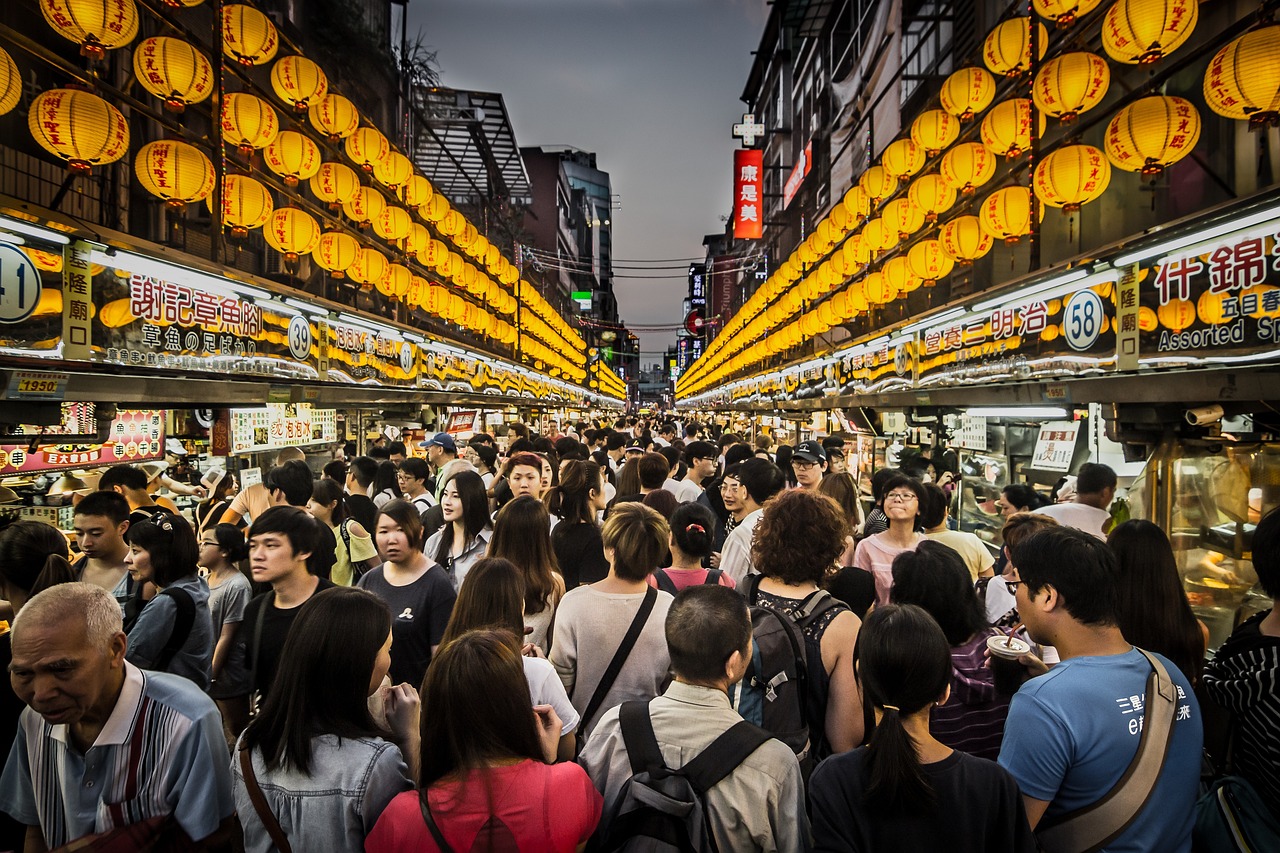
mashupch.com – Taiwan is renowned for its vibrant culture, stunning landscapes, and most notably, its bustling night markets. These markets are a food lover’s paradise, offering an endless array of culinary delights that showcase the rich and diverse flavors of Taiwanese cuisine. As the sun sets, these energetic hubs come to life, drawing locals and tourists alike to experience the unique atmosphere and mouthwatering dishes.

A Cultural and Culinary Experience

Night markets in Taiwan are more than just places to eat; they are a cultural experience. Each market has its own distinct vibe and specialty foods, reflecting the local culture and traditions. From the busy streets of Taipei to the coastal cities of Kaohsiung and Tainan, night markets are an integral part of Taiwanese life.

Must-Try Dishes

One of the highlights of visiting a night market is the opportunity to sample a wide variety of street foods. Here are a few must-try dishes:

  • Stinky Tofu: Despite its pungent aroma, stinky tofu is a beloved snack in Taiwan. It’s deep-fried to perfection and often served with a spicy or sweet sauce.
  • Oyster Omelet: A savory dish made with fresh oysters, eggs, and a starchy batter, the oyster omelet is a staple at many night markets.
  • Bubble Tea: Originating in Taiwan, bubble tea is a refreshing drink made with tea, milk, and chewy tapioca pearls.
  • Pineapple Cake: These sweet pastries with a tangy pineapple filling are a popular souvenir and a tasty treat.

Popular Night Markets

Taiwan boasts numerous night markets, each offering a unique experience. Some of the most popular ones include:

  • Shilin Night Market (Taipei): One of the largest and most famous night markets in Taiwan, Shilin offers a vast array of food, clothes, and entertainment.
  • Raohe Street Night Market (Taipei): Known for its vibrant atmosphere and traditional Taiwanese snacks, Raohe is a must-visit for food enthusiasts.
  • Liuhe Night Market (Kaohsiung): Located in southern Taiwan, Liuhe is famous for its seafood and local delicacies.

Tips for Visiting Night Markets

To make the most of your night market experience, keep these tips in mind:

  1. Go Hungry: With so many delicious options, you’ll want to try a little bit of everything.
  2. Bring Cash: Most vendors accept only cash, so make sure to have some on hand.
  3. Be Adventurous: Don’t be afraid to try new and unfamiliar foods; you might discover a new favorite dish.
  4. Visit Early: Arriving early can help you avoid crowds and ensure you get to try popular items before they sell out.

Conclusion

The night markets of Taiwan are a testament to the island’s rich culinary heritage and vibrant street food culture. Whether you’re a seasoned foodie or a curious traveler, these markets offer a feast for the senses and an unforgettable taste of Taiwan. So, come hungry and ready to explore the delicious world of Taiwanese night markets!

Historical Landmarks of Pakistan

mashupch.com – Pakistan, a country rich in history and culture, boasts a multitude of historical landmarks that reflect the diverse civilizations and empires that have shaped its past. From ancient archaeological sites to stunning architectural marvels, these landmarks offer a glimpse into the country’s storied history.
Ancient Civilizations

Mohenjo-Daro

Located in the Sindh province, Mohenjo-Daro is one of the earliest urban settlements in the world, dating back to 2500 BCE. This UNESCO World Heritage site showcases the advanced urban planning and sophisticated drainage systems of the Indus Valley Civilization.

Taxila

Taxila, another UNESCO World Heritage site, was a major center of learning and culture in ancient times. It is home to numerous ruins, including stupas and monasteries, highlighting its significance in Buddhist history.
Mughal Architecture

Lahore Fort and Shalimar Gardens

The Lahore Fort and Shalimar Gardens, both UNESCO World Heritage sites, are prime examples of Mughal architecture. The fort, with its grand palaces and intricately decorated halls, and the gardens, with their beautiful terraces and fountains, reflect the opulence of the Mughal era.

Badshahi Mosque

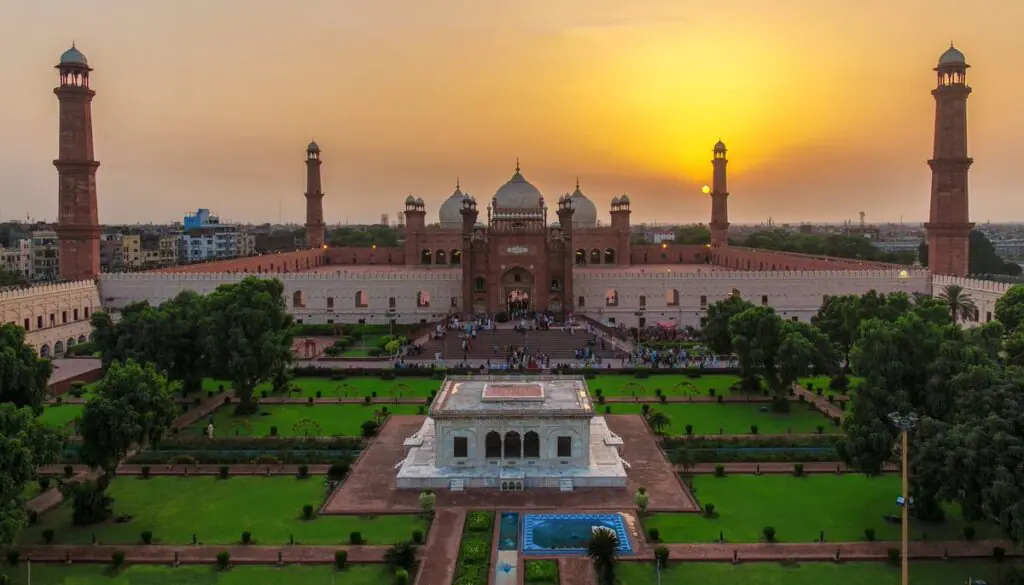
The Badshahi Mosque in Lahore is one of the largest mosques in the world. Built by Emperor Aurangzeb in 1673, its stunning red sandstone and marble architecture make it a masterpiece of Mughal design.

Islamic Heritage

Faisal Mosque

In Islamabad, the Faisal Mosque stands as a symbol of modern Islamic architecture. Completed in 1986, its unique design incorporates traditional Islamic art with contemporary architectural elements.

Rohtas Fort

This massive fortification in Punjab was built by the Afghan king Sher Shah Suri in the 16th century. Rohtas Fort is renowned for its robust defensive walls and intricate gateways, representing the strategic military architecture of its time.

Sikh Heritage

Gurdwara Panja Sahib

Located in Hasan Abdal, Gurdwara Panja Sahib is one of the most sacred Sikh pilgrimage sites. It commemorates Guru Nanak, the founder of Sikhism, and is famous for the holy rock bearing his handprint.

Conclusion

The historical landmarks of Pakistan are not just tourist attractions, but also a testament to the country’s rich and diverse cultural heritage. They provide an invaluable insight into the civilizations and empires that have left their mark on the region, making Pakistan a fascinating destination for history enthusiasts and travelers alike.

Education and Innovation in Syria

mashupch.com – Education and innovation are crucial pillars for the development and progress of any nation. In Syria, these elements have played significant roles in shaping the country’s social and economic landscape, despite the challenges posed by years of conflict and instability. This article explores the state of education in Syria, the drive for innovation, and the efforts being made to rebuild and enhance the educational system.

The State of Education in Syria

Before the outbreak of the Syrian conflict in 2011, the country boasted a relatively robust educational system. Primary and secondary education were widely accessible, and literacy rates were on the rise. Syrian universities offered a range of programs, and there was a growing emphasis on science and technology.

However, the ongoing conflict has severely impacted the education sector. Many schools and universities have been damaged or destroyed, leading to a significant disruption in educational services. Millions of children have been displaced, and access to education has become a challenge, particularly in conflict-affected areas.

Innovation Amidst Adversity

Despite these challenges, Syria has witnessed remarkable resilience and innovation. Syrian students and educators have shown incredible determination in continuing their education under difficult circumstances. Online platforms and distance learning have become vital tools in providing education to those who cannot attend traditional schools.

Initiatives like “Education Cannot Wait” and local community efforts have helped create makeshift schools and learning centers, ensuring that education remains a priority even amidst adversity. These efforts highlight the innovative spirit of Syrians in finding solutions to maintain educational access.

The Role of Technology in Education

Technology has become a significant enabler of education in Syria. Digital learning platforms, mobile applications, and virtual classrooms have provided alternative means for students to continue their studies. These technological solutions have not only bridged the gap caused by physical disruptions but have also introduced new methods of teaching and learning.

Organizations and tech companies have collaborated to provide digital resources, training, and support to both students and teachers. This integration of technology into education has the potential to transform the learning experience and foster a culture of innovation among Syrian youth.

Efforts to Rebuild and Enhance Education

Rebuilding the education system in Syria requires coordinated efforts from the government, international organizations, and local communities. Initiatives are underway to repair and reconstruct damaged schools and universities, ensuring safe and conducive learning environments.

Furthermore, there is a growing emphasis on curriculum reform and teacher training to align education with the demands of the modern world. Programs that focus on science, technology, engineering, and mathematics (STEM) are being promoted to equip students with skills necessary for future innovation and economic development.

Conclusion

Education and innovation are essential for Syria’s recovery and future prosperity. Despite the challenges posed by years of conflict, the resilience and determination of Syrian students, educators, and communities remain strong. By investing in education and fostering innovation, Syria can rebuild its educational system and create opportunities for its youth to contribute to the country’s development. The journey is challenging, but the potential for positive change is immense.

Upaya Kamboja untuk Mengatasi Masalah Sampah Plastik

mashupch – Kamboja, seperti banyak negara berkembang lainnya, menghadapi tantangan serius dalam mengelola limbah plastik. Dengan meningkatnya konsumsi produk plastik, terutama yang sekali pakai, negara ini berjuang untuk menangani dampak lingkungan yang merugikan dari sampah plastik yang tak terkendali. Namun, berbagai upaya mulai dilakukan oleh pemerintah, organisasi non-pemerintah (LSM), dan masyarakat untuk mengatasi masalah ini.

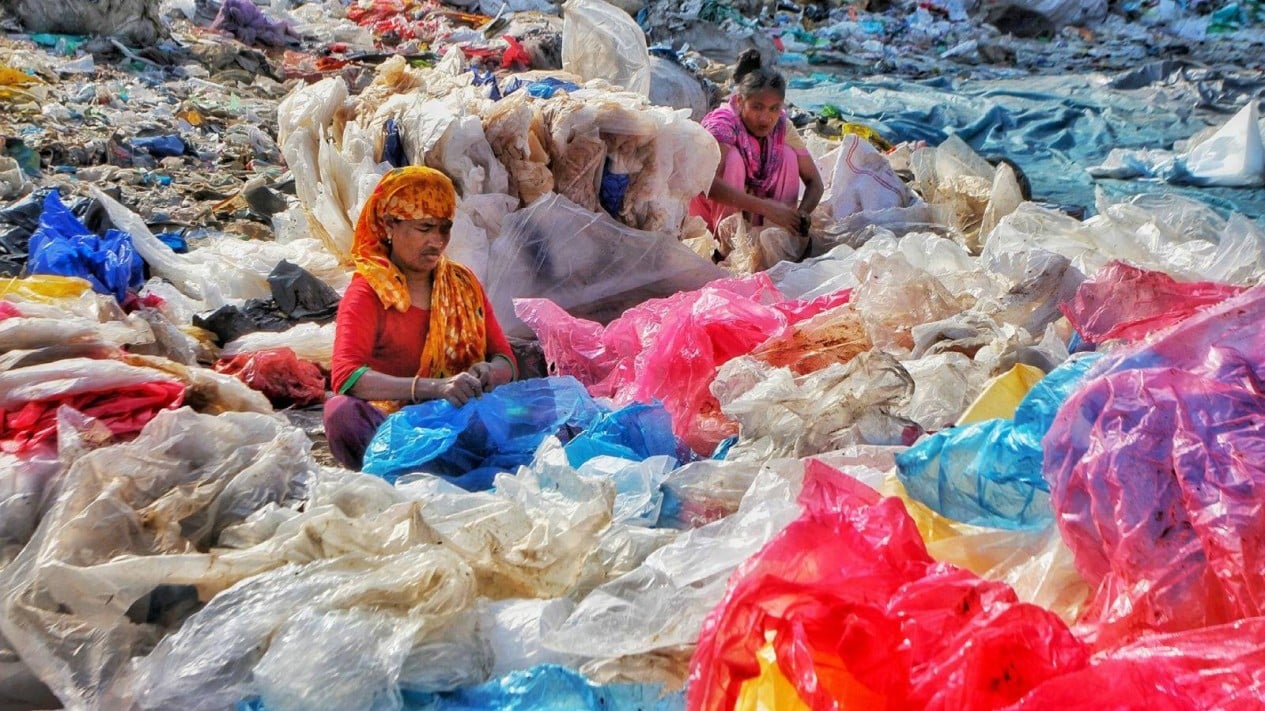
Pertumbuhan ekonomi Kamboja selama beberapa dekade terakhir telah memicu peningkatan konsumsi barang-barang yang dikemas dalam plastik. Dari kantong plastik di pasar hingga kemasan makanan, penggunaan plastik sekali pakai sangat lazim. Berdasarkan data dari Ministry of Environment, setiap tahun Kamboja menghasilkan lebih dari 10 juta ton sampah, dan 20% di antaranya adalah sampah plastik. Sampah ini tidak hanya mencemari lingkungan darat, tetapi juga mencemari sungai dan laut, merusak ekosistem serta kehidupan laut.

Pemerintah Kamboja menyadari urgensi masalah ini dan telah mengimplementasikan berbagai kebijakan untuk mengurangi penggunaan plastik. Salah satu kebijakan penting adalah pengenaan pajak pada penggunaan kantong plastik di pasar dan supermarket besar di seluruh negeri. Kebijakan ini bertujuan untuk membatasi penggunaan plastik dengan cara memberikan disinsentif ekonomi kepada konsumen.

Selain itu, pemerintah Kamboja juga bekerja sama dengan beberapa organisasi internasional dalam meningkatkan infrastruktur pengelolaan limbah. Program-program pengelolaan limbah yang lebih baik, termasuk proyek daur ulang plastik, sedang dikembangkan. Upaya ini diharapkan dapat mengurangi jumlah sampah plastik yang berakhir di tempat pembuangan akhir atau mencemari lingkungan.

upaya-kamboja-untuk-mengatasi-masalah-sampah-plastik

Beberapa LSM juga aktif dalam membantu pemerintah dan masyarakat untuk meningkatkan kesadaran akan bahaya sampah plastik. Plastic Free Cambodia adalah salah satu organisasi yang secara aktif melakukan kampanye dan edukasi tentang pengurangan plastik. Mereka sering mengadakan lokakarya, seminar, dan kampanye di media sosial untuk mendorong masyarakat mengadopsi gaya hidup yang lebih ramah lingkungan, termasuk penggunaan tas kain dan produk daur ulang.

Di tingkat lokal, ada juga inisiatif yang muncul dari komunitas. Misalnya, di beberapa desa di kamboja slot, penduduk setempat mulai membangun sistem pengelolaan limbah mandiri, di mana mereka mendaur ulang plastik menjadi produk yang berguna, seperti bahan bangunan atau kerajinan tangan. Inisiatif seperti ini tidak hanya membantu mengurangi sampah plastik, tetapi juga memberikan keuntungan ekonomi bagi masyarakat setempat.

Meskipun berbagai upaya telah dilakukan, Kamboja masih menghadapi tantangan besar dalam mengatasi masalah sampah plastik. Infrastruktur pengelolaan sampah yang terbatas, kurangnya fasilitas daur ulang, serta kesadaran masyarakat yang masih rendah menjadi hambatan utama. Selain itu, kebiasaan penggunaan plastik sekali pakai sudah mengakar kuat dalam budaya konsumsi, sehingga sulit untuk mengubah perilaku ini dalam waktu singkat.

Masalah lainnya adalah terbatasnya penegakan hukum terhadap kebijakan pengurangan plastik. Meskipun ada pajak untuk kantong plastik, tidak semua pedagang menerapkannya secara konsisten, sehingga efektivitas kebijakan ini masih dipertanyakan.

upaya-kamboja-untuk-mengatasi-masalah-sampah-plastik

Untuk ke depannya, ada harapan bahwa dengan kolaborasi yang lebih erat antara pemerintah, LSM, dan masyarakat, Kamboja dapat mengurangi dampak buruk sampah plastik. Pemerintah perlu terus memperkuat kebijakan lingkungan dan berinvestasi dalam teknologi serta infrastruktur pengelolaan sampah yang lebih efisien. Selain itu, upaya pendidikan dan penyadaran masyarakat tentang pentingnya mengurangi penggunaan plastik harus ditingkatkan.

Dengan pendekatan yang berkelanjutan, Kamboja berpotensi menjadi contoh bagi negara-negara berkembang lainnya dalam mengatasi krisis sampah plastik, sambil tetap mendorong pertumbuhan ekonomi yang ramah lingkungan.

The Architecture of Malaysia: Old Meets New

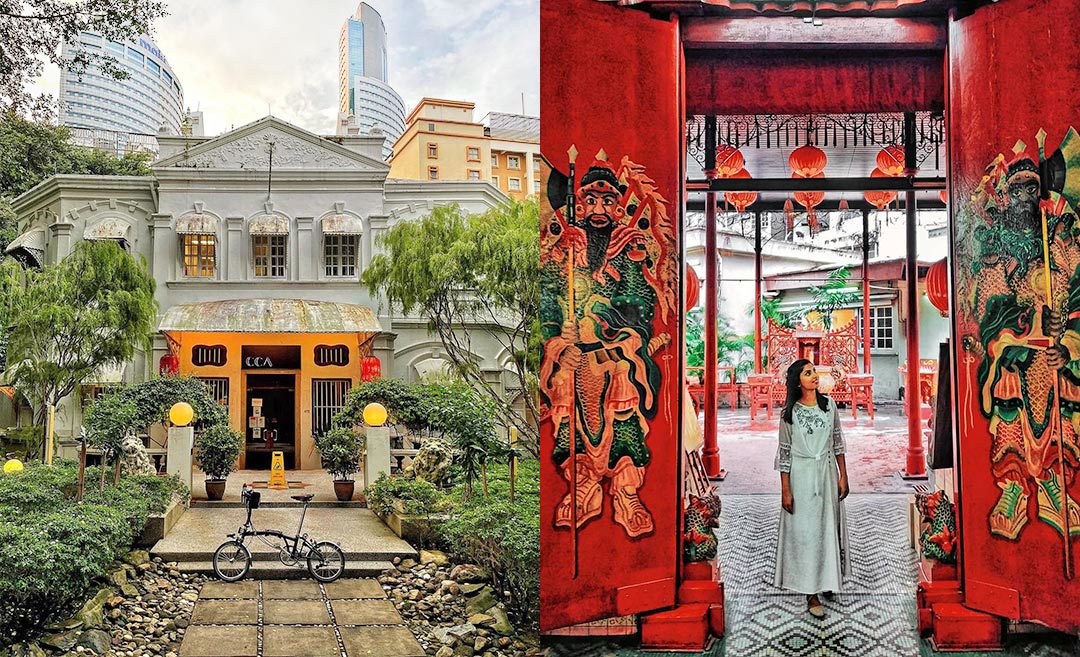
mashupch.com – Malaysia is a country where tradition and modernity coexist harmoniously, and nowhere is this more evident than in its architecture. A fascinating blend of old and new styles, Malaysian architecture reflects the country’s rich cultural tapestry, historical influences, and rapid development.

Traditional Architectural Styles

Malaysia’s traditional architecture is deeply rooted in its diverse cultural heritage, shaped by indigenous, Malay, Chinese, Indian, and colonial influences.

Malay Vernacular Architecture

Malay traditional houses, known as “rumah kampung,” are designed to adapt to the tropical climate. These wooden structures are often built on stilts to protect against floods and allow ventilation. The intricate carvings and steep roofs are distinctive features reflecting Malay craftsmanship and cultural values.

Chinese Shophouses

In urban areas, particularly Penang and Malacca, Chinese shophouses are a common sight. These buildings, dating back to the 18th and 19th centuries, exhibit a unique fusion of Chinese, European, and Malay architectural elements. Characterized by narrow facades, internal courtyards, and decorative tiles, they serve as both commercial and residential spaces.

Indian Temples

Indian architecture in Malaysia is prominently represented by Hindu temples. These temples are adorned with intricate carvings, colorful sculptures, and towering gopurams (gateway towers), reflecting the rich traditions of South Indian temple architecture.

Colonial Influences

Malaysia’s colonial past has left a significant impact on its architectural landscape. British, Portuguese, and Dutch colonial buildings can be found throughout the country, showcasing European styles adapted to the tropical environment.

British Colonial Architecture

During the British colonial period, many government buildings, schools, and churches were constructed in the Neo-Classical and Tudor Revival styles. Iconic examples include the Sultan Abdul Samad Building in Kuala Lumpur and the Penang City Hall, which feature grand facades and elegant design.

Modern Architectural Marvels

As Malaysia has developed, its skyline has transformed with modern architectural marvels that symbolize progress and innovation.

Petronas Twin Towers

The Petronas Twin Towers in Kuala Lumpur are perhaps the most recognizable symbol of modern Malaysia. Standing at 452 meters, these twin skyscrapers were the tallest buildings in the world from 1998 to 2004. Their design incorporates Islamic motifs, reflecting Malaysia’s cultural identity while embracing modern engineering.

The Exchange 106

Another addition to Kuala Lumpur’s skyline is The Exchange 106, one of the tallest buildings in Southeast Asia. This contemporary structure features a sleek, futuristic design, representing Malaysia’s growing economic prowess.

The Blend of Old and New

In Malaysia, the juxtaposition of traditional and modern architecture creates a dynamic urban landscape. Efforts to preserve heritage sites while embracing new developments ensure that the country’s architectural identity remains distinctive and vibrant.

Adaptive Reuse

Adaptive reuse projects are becoming increasingly popular, where historic buildings are repurposed for modern use. This approach not only preserves cultural heritage but also infuses new life into old structures, creating a seamless blend of past and present.

Conclusion

The architecture of Malaysia is a testament to the country’s ability to honor its historical roots while embracing contemporary innovation. From traditional kampung houses to towering skyscrapers, Malaysia’s architectural landscape is as diverse and dynamic as its culture. Exploring the built environment offers a unique insight into the country’s rich history and its vision for the future.

Laos’ Climate: Tropical Monsoon and Its Impact

mashupch.com – Laos, a landlocked country in Southeast Asia, is characterized by its tropical monsoon climate. This climate significantly influences the country’s agriculture, biodiversity, and daily life. Understanding the nuances of the tropical monsoon climate is essential for appreciating how it shapes the landscapes and livelihoods in Laos.

The Tropical Monsoon Climate

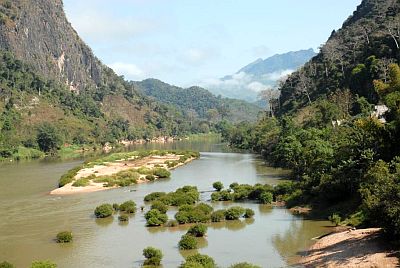
Laos experiences a tropical monsoon climate, which is marked by distinct wet and dry seasons. The wet season, dominated by the southwest monsoon, typically lasts from May to October. During this period, the country receives the majority of its annual rainfall, with lush greenery enveloping its landscape. The dry season extends from November to April, offering a respite from the heavy rains with cooler temperatures and lower humidity levels.

Impact on Agriculture

Agriculture is a cornerstone of Laos’ economy, and the monsoon climate plays a crucial role in shaping agricultural practices. The wet season is vital for rice cultivation, which relies heavily on the monsoon rains for irrigation. Rice paddies thrive during this time, and the abundance of water supports other crops like corn, coffee, and vegetables.

However, the reliance on monsoon rains also presents challenges. Unpredictable weather patterns and excessive rainfall can lead to flooding, damaging crops and affecting food security. Conversely, insufficient rainfall can result in droughts, impacting water availability and agricultural yields.

Biodiversity and Ecosystems

Laos is renowned for its rich biodiversity, and the monsoon climate contributes to this ecological wealth. The country’s forests, rivers, and wetlands provide habitats for a wide variety of plant and animal species. The wet season enhances the growth of tropical forests, supporting diverse ecosystems and promoting the proliferation of wildlife.

Seasonal changes also influence the behavior of many species. For instance, the wet season encourages the breeding of amphibians and the migration of certain bird species. These seasonal shifts highlight the intricate relationship between the climate and the natural world in Laos.

Challenges and Adaptation

While the monsoon climate supports agriculture and biodiversity, it also poses challenges for infrastructure and daily life. Flooding during the wet season can disrupt transportation, damage homes, and hinder access to essential services. In response, communities have developed adaptive strategies, such as building raised houses and implementing flood management systems.

Climate change further exacerbates these challenges by altering precipitation patterns and increasing the frequency of extreme weather events. To address these issues, Laos is investing in climate resilience initiatives, including improved water management practices and sustainable agriculture techniques.

Conclusion

The tropical monsoon climate is a defining feature of Laos, influencing its agriculture, ecosystems, and everyday life. While it brings both opportunities and challenges, the people of Laos have demonstrated resilience and adaptability in the face of changing weather patterns. Understanding and addressing the impacts of this climate is crucial for ensuring the sustainable development and prosperity of the nation.

Inside the Vatican: The Secrets of the Papal State

mashupch.com – The Vatican’s Secret Archives, one of the most iconic bastions of religion and culture, have long been shrouded in mystery. Housed within the walls of the Vatican City, these archives contain centuries of historical documents, including official papers and papal correspondence dating back to the 8th century38. The archives have been a subject of fascination and speculation, with many believing they hold untold secrets of the Catholic Church.

The Keeper of the Secrets

For years, the Vatican has been working to debunk the myth that its archives are filled with hidden secrets. The longtime keeper of the Vatican Apostolic Archive, who has spent over 45 years in this role, is now retiring and has decided to reveal some of the lesser-known details from his tenure. In a new book-length interview titled “Secretum,” he divulges behind-the-scenes information about the Holy See, including how some documents survived historical events like Napoleon Bonaparte’s seizure of the archives in 1810.

Recent Revelations and Controversies

Recent years have seen a series of revelations and controversies surrounding the Vatican’s secret documents. In 2012, a scandal erupted when internal Vatican documents were leaked, allegedly by a papal chamberlain. This led to the publication of a book by Gianluigi Nuzzi, “His Holiness: Secret Papers of Benedict XVI,” which included copies of leaked documents. The Vatican has been trying to manage the fallout from these leaks, which have shed light on internal conflicts and controversies within the papal state.

The Vatican’s Efforts to Open Up

Despite the controversies, the Vatican has been making efforts to open up its archives. In recent years, it has made portions of its archives accessible to researchers and historians, debunking the notion that the archives are entirely secret. This move has been part of a broader strategy to increase transparency and reduce the mystique surrounding the Vatican’s historical records.

Conclusion

The Vatican’s Secret Archives remain a source of intrigue and historical significance. As the keeper of these secrets retires and shares his insights, the world gains a deeper understanding of the inner workings of the papal state. While controversies and leaks continue to challenge the Vatican’s image, the institution’s efforts to open up its archives reflect a commitment to transparency and historical accuracy.

Mexico: The Fourteenth Largest Country by Area

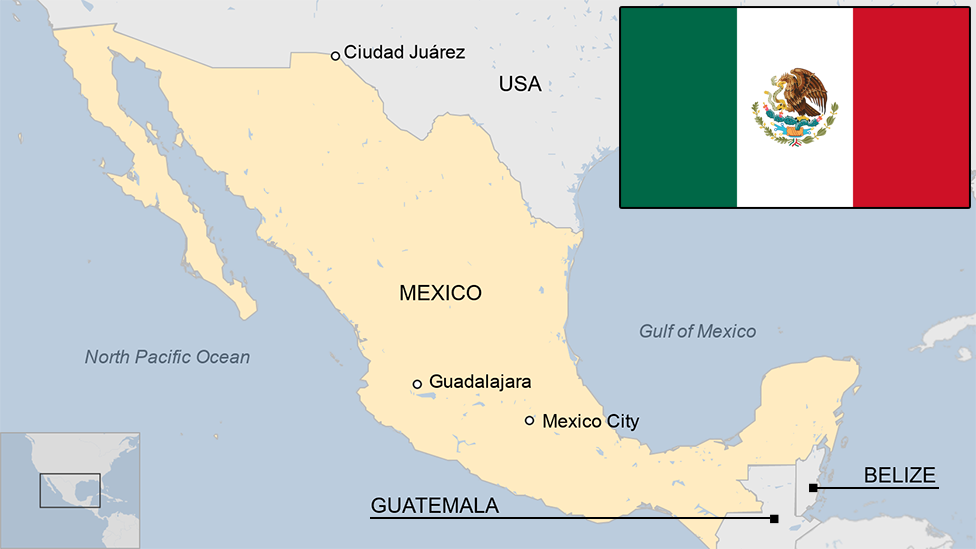
mashupch.com – Mexico, a country rich in history, culture, and natural beauty, holds the distinction of being the fourteenth-largest country in the world by total area. Spanning across an impressive 1.96 million square kilometers, Mexico is a land of diverse ecosystems, from the arid deserts of the north to the lush rainforests of the south. This article explores the geographical, cultural, and economic aspects that make Mexico a unique and significant nation on the global stage.

Geographical Overview

Mexico’s vast size is a result of its extensive landmass, which stretches from the Gulf of Mexico in the east to the Pacific Ocean in the west, and from the United States in the north to Central America in the south. This geographical diversity has endowed the country with a rich array of ecosystems and natural wonders.

Diverse Landscapes

The country’s landscape is characterized by its natural beauty, with the Sierra Madre Mountains, the Yucatan Peninsula, and the Baja California Peninsula being some of its most notable geographical features. Mexico is also home to numerous beaches, archaeological sites, and national parks.

Climate Variations

Given its size, Mexico experiences a wide range of climates, from the hot and arid climate of the north to the tropical climate of the south. This diversity in climate contributes to the country’s rich biodiversity and offers a variety of outdoor activities for residents and visitors alike.

Cultural Tapestry

Mexico’s cultural landscape is as diverse as its geographical one, with a population that reflects a blend of indigenous peoples, Spanish colonizers, and a multitude of other ethnic groups. This multiculturalism is a defining feature of Mexican society, celebrated through festivals, cuisine, and art.

Multiculturalism

Mexico’s multicultural heritage, shaped by its indigenous roots and Spanish colonial history, has fostered a society that is both traditional and dynamic. This blend is evident in the country’s cuisine, music, and literature, which have gained international recognition.

Indigenous Cultures

The indigenous peoples of Mexico, including the Maya, Aztec, and Zapotec, have a rich cultural heritage that dates back thousands of years. Their contributions to Mexican society are increasingly recognized, with efforts to preserve their languages, traditions, and rights.

Economic Strength

Mexico’s economy is one of the largest in Latin America, driven by abundant natural resources, a growing manufacturing sector, and a strategic geographical location that makes it a key player in international trade.

Natural Resources

Mexico’s vast natural resources have been a cornerstone of its economy, with the country being one of the world’s largest producers of silver and a significant producer of oil, natural gas, and agricultural products such as avocados and tomatoes.

Innovation and Technology

Beyond natural resources, Mexico has made significant contributions to innovation and technology. The country has a growing number of tech companies and startups, particularly in cities like Mexico City, Guadalajara, and Monterrey. Mexico’s commitment to research and development has led to advancements in fields such as automotive, aerospace, and renewable energy.

Conclusion

Mexico’s status as the fourteenth-largest country by area is a testament to its geographical vastness and cultural richness. From its stunning landscapes to its diverse population, Mexico offers a unique blend of natural beauty, cultural heritage, and economic opportunity. As the country continues to grow and evolve, it remains a significant player on the global stage, celebrated for its vibrant culture, historical significance, and natural splendor.

Symbols of Distinction: Luxembourg’s Honorary Orders

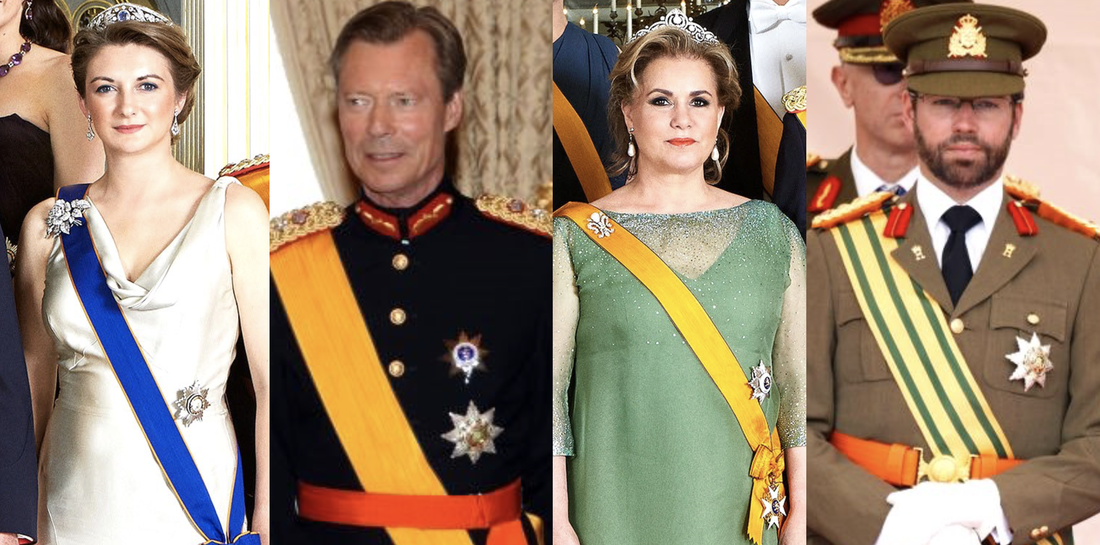
mashupch.com – Luxembourg, a small yet influential country in Western Europe, boasts a rich tradition of honoring its citizens and foreign dignitaries through its honorary orders. These orders not only serve as symbols of distinction but also reflect the country’s history, values, and commitment to excellence. This article delves into the four main honorary orders of Luxembourg, exploring their origins, significance, and the criteria for their awarding.

The Order of the Gold Lion of the House of Nassau

The Order of the Gold Lion of the House of Nassau is the highest and most prestigious distinction in Luxembourg. Established in 1858 by King William III of the Netherlands and Duke Adolphe of Nassau, this order commemorates the division of the House of Nassau into two branches: Walramian and Ottonian. The order is shared by both the Netherlands and Luxembourg, with the sovereigns of both countries serving as joint Grand Masters.

The insignia of the Order of the Gold Lion includes a sash worn from the right shoulder to the left hip, a badge at the hip, and a star. The badge features a white-enameled Maltese Cross with a gold monogram ‘N’ between the arms, and a central blue enameled disc bearing the gold lion of the House of Nassau. The reverse of the disc is also blue-enameled and contains the motto ‘Je Maintiendrai’ (I Shall Maintain).

The Order of Civil and Military Merit of Adolphe of Nassau

The Order of Civil and Military Merit of Adolphe of Nassau was founded by Adolphe, Grand Duke of Luxembourg, in 1858. This order is intended to reward individuals who have distinguished themselves by their loyalty and meritorious services to the Grand Duke, the Grand Ducal House, and the country. The insignia includes a sash, a badge, and a star, with the sash being blue with a small orange stripe at both edges.

The Order of the Oak Crown

The Order of the Oak Crown is another significant honorary order in Luxembourg. It is awarded to individuals who have rendered exceptional services to the country. The order’s insignia includes a sash, a badge, and a star, with the badge featuring an oak crown as its central motif. This order is often awarded to civil servants and other public figures who have made notable contributions to Luxembourg’s development and well-being.

The Order of Merit of the Grand Duchy of Luxembourg

The Order of Merit of the Grand Duchy of Luxembourg is the most recent of the four main orders, established in 1981. It is awarded to individuals who have demonstrated outstanding merit in various fields, including science, culture, and public service. The insignia of this order includes a sash, a badge, and a star, with the badge featuring the coat of arms of Luxembourg.

Conclusion

Luxembourg’s honorary orders are not just symbols of distinction; they are a testament to the country’s rich history and its commitment to recognizing excellence and service. Each order carries its own unique significance and is awarded based on specific criteria, ensuring that those who receive them are truly deserving of such high honors. These orders continue to play a vital role in Luxembourg’s cultural and diplomatic landscape, serving as a bridge between the past and the present, and honoring those who contribute to the nation’s prosperity and international relations.

Australia: Edith Cowan – Pioneering the Path for Women in Politics

mashupch.com – Edith Cowan is a name synonymous with the struggle for gender equality in Australian politics. Born on April 2, 1861, in Geraldton, Western Australia, Cowan made history when she became the first woman to be elected to an Australian parliament. Her achievement in 1921 was a significant milestone in the struggle for gender equality in the country, paving the way for greater participation of women in the democratic process.

Early Life and Advocacy

Edith Cowan’s early life was marked by personal tragedy, resilience, and a strong sense of social justice. She was born into a family of modest means and faced the challenges of being a single mother after the death of her husband. Despite these difficulties, Cowan was determined to make a difference in her community. She became actively involved in various social causes, including women’s rights, child welfare, and education.

Political Pioneer

Cowan’s advocacy work did not go unnoticed, and her reputation as a community leader grew. In 1921, she took a historic step by contesting a seat in the Western Australian Legislative Assembly. Her election to the parliament was a groundbreaking moment, not just for women’s rights but for the entire nation. Cowan’s victory demonstrated that women could not only participate in the democratic process but also contribute meaningfully to the governance of the country.

Legislative Achievements

During her time in parliament, Edith Cowan focused on issues that were close to her heart. She advocated for the welfare of children, the rights of women, and the improvement of education. Cowan’s legislative achievements included the establishment of the Children’s Court, which aimed to provide a more supportive environment for young offenders, and the introduction of laws to protect women and children from domestic violence.

Legacy

Edith Cowan’s legacy is a testament to her pioneering spirit and her unwavering commitment to social justice. Her election to the Western Australian Legislative Assembly in 1921 was a watershed moment that inspired generations of women to pursue careers in politics. Cowan’s life and work continue to be celebrated in Australia, with her image featured on the country’s $50 note and numerous institutions and awards named in her honor.

Conclusion

Edith Cowan’s journey from a young woman facing personal adversity to a trailblazing politician is a powerful narrative of resilience and determination. Her achievements in the early 20th century laid the foundation for greater participation of women in Australian politics. Today, Cowan is remembered not just as a political pioneer but as a symbol of the enduring struggle for gender equality in the democratic process. Her legacy serves as an inspiration to all who seek to make a positive impact on society through political engagement.

A Symbol of Division: The Demilitarized Zone

mashupch.com – The Korean Demilitarized Zone (DMZ) is a heavily militarized strip of land that runs across the Korean Peninsula, dividing North Korea and South Korea. Established under the provisions of the Korean Armistice Agreement, the DMZ serves as a buffer zone between the two nations, symbolizing the ongoing division and tension that has persisted since the Korean War.

Historical Context

The division of Korea along the 38th parallel was not a result of a long-standing border but rather a consequence of the geopolitical landscape following World War II. The United States and the Soviet Union, as occupying powers, agreed to divide Korea into two occupation zones, which eventually led to the establishment of two separate governments: the Democratic People’s Republic of Korea in the north and the Republic of Korea in the south.

The Korean Armistice Agreement

The Korean War, which lasted from 1950 to 1953, ended with the signing of the Korean Armistice Agreement. This agreement, which was a cease-fire rather than a peace treaty, established the Military Demarcation Line (MDL) and the DMZ as a buffer zone to prevent further conflict. The DMZ stretches for approximately 250 kilometers (155 miles) across the peninsula and is about 4 kilometers (2.5 miles) wide.

Symbolism and Impact

The DMZ is not just a physical boundary but also a powerful symbol of the division and unresolved conflict between North and South Korea. It remains one of the most heavily fortified borders in the world, with both sides maintaining a significant military presence. The DMZ has become a stark reminder of the ongoing political and ideological differences between the two Koreas, as well as the broader Cold War legacy that continues to shape the region’s geopolitics.

Environmental and Cultural Impact

Despite its militarized nature, the DMZ has inadvertently become a haven for wildlife, as human activity has been largely restricted within its boundaries. This has led to the preservation of diverse ecosystems and the survival of several endangered species. Additionally, the DMZ has become a site of cultural significance, with various museums and tours offering insights into the history and impact of the division.

Conclusion

The Korean Demilitarized Zone stands as a poignant symbol of division, representing the complex and often tense relationship between North and South Korea. While it serves as a buffer to prevent direct military conflict, it also underscores the unresolved issues and the ongoing search for peace and reunification on the Korean Peninsula. The DMZ remains a critical area of focus for international diplomacy and a reminder of the human cost of prolonged conflict and division.

The Female Counterpart of Grand Dukes: Grand Duchess

mashupch.com – The title of Grand Duchess holds a significant place in the hierarchy of nobility, particularly within the context of European royal and imperial families. It is the female equivalent of a Grand Duke, a rank that is typically bestowed upon the wives of Grand Dukes, although in some cases, it can be a title in its own right. This article delves into the historical and contemporary significance of the title of Grand Duchess, exploring its origins, the responsibilities associated with it, and notable figures who have held this esteemed position.

Origins and Historical Context

The title of Grand Duchess has its roots in the medieval period, when it was used to denote the wife of a Grand Duke, a ruler who governed a grand duchy, a territory that was considered to be of significant size and importance but not quite at the level of a kingdom. Over time, the title became more formalized and was recognized across various European monarchies.

In some instances, the title of Grand Duchess was also granted to female members of the imperial family who were not married to Grand Dukes but were entitled to the title due to their birthright or specific decrees. This was particularly common in the Russian Empire, where the title was frequently bestowed upon the daughters and granddaughters of the reigning Tsar.

Responsibilities and Role

The role of a Grand Duchess is multifaceted, encompassing both ceremonial duties and active participation in the governance of the grand duchy. Historically, Grand Duchesses were expected to support their husbands in their official capacities, attending state functions, engaging in diplomatic activities, and representing the grand duchy on the international stage.

In addition to their public duties, Grand Duchesses often played a pivotal role in the social and cultural life of their territories. Many were patrons of the arts, supporting artists, musicians, and writers, and funding the construction of cultural institutions such as theaters and museums.

Notable Grand Duchesses

Throughout history, several Grand Duchesses have left a lasting legacy due to their contributions to their countries and their involvement in significant historical events. One of the most famous is Grand Duchess Elizabeth Feodorovna of Russia, who was canonized as a saint by the Russian Orthodox Church for her charitable work and her martyrdom during the Russian Revolution.

Another notable figure is Grand Duchess Maria Pavlovna of Russia, known as “Maria the Younger,” who was renowned for her beauty and her patronage of the arts. She played a significant role in the cultural life of St. Petersburg and was a key figure in the Russian imperial court.

Conclusion

The title of Grand Duchess is a testament to the enduring legacy of European nobility and the important roles that women have played within these dynasties. While the political power of grand duchies has waned in the modern era, the title of Grand Duchess remains a symbol of prestige and distinction. It serves as a reminder of the historical contributions of these women, whose influence extended beyond the confines of their titles to impact the social, cultural, and political landscapes of their times.

The Role of the Land & Titles Act in Solomon Islands

mashupch.com – The Land and Titles Act in Solomon Islands is a crucial piece of legislation that governs the administration, allocation, and development of land within the country. This act has undergone several amendments to address the evolving needs of the Solomon Islands’ land management system. This article explores the significance of the Land and Titles Act and its amendments, highlighting their impact on land administration and development.

Historical Context

The Land and Titles Act was first established in 1978, providing a framework for the management of land in Solomon Islands. Over the years, the act has been amended to adapt to the changing socio-economic landscape and to address emerging challenges in land administration.

Key Provisions of the Land and Titles Act

Allocation of Land Interests

One of the primary functions of the Land and Titles Act is the allocation of interests in land. This includes the distribution of land rights among various stakeholders, ensuring that the process is fair, transparent, and equitable. The act aims to balance the interests of traditional landowners, developers, and the government, promoting sustainable land use and economic development.

Development of Land

The act also plays a significant role in the development of land. It outlines the procedures for land development, ensuring that projects are carried out in a manner that respects the rights of landowners and the environment. This includes provisions for environmental impact assessments and community consultations, which are essential for sustainable development.

Administration of Land

The administration of land is another critical aspect of the Land and Titles Act. The act delegates powers to the Commissioner of Lands to manage land-related matters, including the registration of land titles and the resolution of land disputes. This ensures that the administration of land is carried out efficiently and in accordance with the law.

Amendments to the Land and Titles Act

Land and Titles (Amendment) Act 2014

The Land and Titles (Amendment) Act 2014 introduced several significant changes to the original act. These amendments focused on improving the allocation of land interests, ensuring that the development of land is carried out in a fair and equitable manner. The act also strengthened the administrative framework for land management, enhancing the transparency and accountability of land-related processes.

Land and Titles (Amendment) Act 2016

The Land and Titles (Amendment) Act 2016 further refined the act by inserting new sections that address specific issues related to land administration. These amendments aimed to streamline the registration process, improve the resolution of land disputes, and enhance the overall efficiency of land management in Solomon Islands.

Impact and Challenges

The Land and Titles Act and its amendments have had a significant impact on land administration and development in Solomon Islands. They have helped to create a more transparent and equitable system for land management, promoting sustainable economic development. However, challenges remain, particularly in the implementation of the act and ensuring that all stakeholders, including traditional landowners, are adequately represented in land-related decisions.

Conclusion

The Land and Titles Act in Solomon Islands is a vital piece of legislation that plays a crucial role in the administration, allocation, and development of land. Through its amendments, the act has evolved to address the changing needs of the country, promoting sustainable land use and economic development. Despite the challenges, the act remains a cornerstone of land management in Solomon Islands, ensuring that land-related processes are carried out in a fair, transparent, and equitable manner.

Exploring Sierra Leone’s Diverse Geography

mashupch.com – Sierra Leone, a small country located on the western coast of Africa, boasts a rich and varied geography that encompasses a wide range of landscapes and ecosystems. Bordered by Guinea to the north and east, Liberia to the southeast, and the Atlantic Ocean to the west, Sierra Leone’s diverse topography includes coastal mangroves, wooded hill country, upland plateaus, and eastern mountains. This article delves into the distinct geographical regions of Sierra Leone, highlighting the unique features and characteristics of each.

Coastal Guinean Mangroves

The coastal region of Sierra Leone is characterized by extensive mangrove swamps that line the Atlantic Ocean. This area is a flat, low-lying plain that is frequently flooded, extending for about 200 miles (320 km) along the coast. The mangrove swamps are composed mainly of sands and clays, with numerous creeks and estuaries that support a rich biodiversity. The coastal landscape is also marked by sandbars and silting lagoons, which often form the actual coastline.

Wooded Hill Country

Inland from the coastal swamps, the Sierra Leone Peninsula rises to form a region of thickly wooded mountains. These mountains run parallel to the sea for about 25 miles (40 km) and include the Peninsula Mountains, which rise from the coastal swamps to heights of up to 2,900 feet (880 meters) at Picket Hill. This region is a crucial part of Sierra Leone’s geography, offering a stark contrast to the low-lying coastal areas with its dense forests and elevated terrain.

Upland Plateau

The interior plains of Sierra Leone are a mix of featureless seasonal swamps in the north, known as “Bolilands,” and rolling wooded country in the south. The Bolilands are characterized by lands that flood during the rainy season and become dry and hard during the dry season, supporting only grass. In the south, the plains are more varied, with isolated hills rising abruptly to over 1,000 feet (300 meters). This region transitions into the interior plateau and mountain region, which encompasses roughly the eastern half of the country.

Eastern Mountains

The eastern part of Sierra Leone is dominated by a series of mountain ranges, including the Loma Mountains and the Tingi Mountains. The Loma Mountains are crowned by Mount Loma Mansa (Mount Bintimani), which stands at 6,391 feet (1,948 meters), making it the highest peak in the country. The Tingi Mountains also rise significantly, with Sankanbiriwa Peak reaching 6,080 feet (1,853 meters). These mountain ranges are composed mainly of granite with a thick laterite crust, and they are bounded to the west by the Kambui Schists, a narrow outcrop of mineral-bearing metamorphic rocks.

Drainage System

Sierra Leone’s drainage system is dense and complex, with numerous rivers rising in the Fouta Djallon highlands of Guinea and flowing in a general northeast-to-southwest direction across the country. The principal rivers include the Great Scarcies, Little Scarcies, Rokel, Gbangbaia, Jong, Sewa, Waanje, Moa, and Mano. These rivers are interrupted by rapids that restrict navigability, and their levels fluctuate significantly with the seasons.

Conclusion

Sierra Leone’s diverse geography is a testament to the country’s natural beauty and ecological richness. From the coastal mangroves to the eastern mountains, each region offers a unique landscape and ecosystem. Understanding and appreciating this diversity is crucial for the sustainable development and conservation of Sierra Leone’s natural resources.

By exploring the distinct geographical regions of Sierra Leone, we gain a deeper appreciation for the country’s natural heritage and the challenges and opportunities it presents for its people and environment.

Micronesia’s Role in World War II

mashupch.com – Micronesia, a collection of islands in the western Pacific Ocean, played a significant role during World War II. The region, which includes the Mariana Islands, Caroline Islands, and Marshall Islands, was a strategic battleground between the United States and Japan. This article explores the impact of World War II on Micronesia, focusing on the military operations, the experiences of the local population, and the lasting effects on the region.

Strategic Importance

Micronesia’s strategic location made it a crucial area for both the United States and Japan during World War II. The islands served as bases for naval and air operations, and their control was essential for projecting power across the Pacific. The Japanese captured many of these islands shortly after the outbreak of the war, using them to launch attacks on Allied forces and to defend against potential invasions.

Major Battles and Operations

Several significant battles took place in Micronesia, including the Battle of the Philippine Sea, the Battle of Saipan, and the Battle of Iwo Jima. These battles were pivotal in the Pacific campaign, leading to the eventual defeat of Japanese forces in the region. The islands of Chuuk (formerly Truk) were particularly important, serving as a major Japanese naval base until its destruction during Operation Hailstone in 1944.

Impact on the Local Population

The war had a profound impact on the indigenous Micronesian population. The years of conflict brought dramatic political, economic, and lifestyle shifts. Islanders experienced attacks, invasions, and the harsh realities of war, including the effects of diseases like beriberi and dysentery, as well as malnutrition311. The civilian population, culture, and infrastructure were completely changed due to the logistical requirements of the Allies in their war against Japan.

Post-War Administration

Following the war, Micronesia came under U.S. administration in 1947. The region was placed under a United Nations trusteeship, with the United States as the administering authority. This period marked the beginning of a long-standing relationship between Micronesia and the United States, which continues to influence the region’s political, economic, and social structures.

Legacy and Remembrance

The legacy of World War II in Micronesia is evident in the numerous war relics and historical sites scattered across the islands. These remnants serve as a reminder of the region’s pivotal role in the Pacific campaign and the sacrifices made by both military personnel and civilians. Today, these sites attract tourists and historians interested in the history of the Pacific theater of World War II.

Conclusion

Micronesia’s role in World War II was multifaceted, involving significant military operations, profound changes for the local population, and a lasting impact on the region’s political and social landscape. The islands’ strategic importance and the experiences of their inhabitants during the war continue to shape the history and identity of Micronesia.

Access and Services: Healthcare in Kiribati

mashupch.com – Kiribati, an island nation in the central Pacific Ocean, faces unique challenges in providing healthcare services due to its remote location and limited resources. Despite these challenges, the government and international organizations are working to improve access and quality of healthcare services for its citizens.

Access to Healthcare Services

Kiribati’s healthcare system is primarily managed by the Ministry of Health and Medical Services (MHMS), which operates a network of hospitals, health centers, and clinics across the country. Health services are delivered free of charge through this network, which includes four hospitals, 30 health centers, and 75 clinics. This system aims to provide accessible, efficient, and effective health services to the population.

The World Bank is supporting Kiribati’s commitment to advancing Universal Health Coverage (UHC) to ensure that all citizens, known as I-Kiribati, can access health services when needed. This includes upgrading the health information system and increasing access to telehealth services, as well as funding the purchase of sea ambulances to improve emergency medical services.

Challenges and Improvements

One of the major challenges facing Kiribati’s healthcare system is the limited availability and quality of services due to the island’s small size and remoteness. The country also suffers from unsafe drinking water and high child mortality rates, which contribute to the overall health challenges.

To address these issues, the Kiribati Health Strategic Plan 2016-2019 aims to improve access to high-quality comprehensive family planning services and maternal health. The plan also focuses on delivering safe, quality health services to support a healthy population.

Future Outlook

The future of healthcare in Kiribati looks promising with ongoing efforts to improve access and quality of services. The World Bank’s support in advancing UHC and the upgrades to the health information system are expected to significantly enhance the healthcare infrastructure and services available to the population.

In conclusion, while Kiribati faces significant challenges in providing healthcare services due to its remote location and limited resources, the government and international organizations are actively working to improve access and quality. These efforts are crucial in ensuring that all I-Kiribati can receive the necessary healthcare services to lead healthy lives.

Pristina, Kosovo’s Capital: A City in Transition

mashupch.com – Pristina, the vibrant capital of Kosovo, is a city that embodies the spirit of transition and renewal. This article explores the historical, cultural, and economic developments that have shaped Pristina into the dynamic urban center it is today.

Historical Background

Pristina has a rich history that reflects the broader narrative of the Balkans. Originally a small settlement, it grew in importance under Ottoman rule, developing a distinct cultural and architectural identity. The 20th century brought significant changes, with Pristina becoming the capital of the Socialist Autonomous Province of Kosovo within Yugoslavia.

Urban Development

Since the declaration of Kosovo’s independence in 2008, Pristina has undergone rapid urban development. The city has expanded physically, with new residential areas, commercial zones, and infrastructure projects. This growth is a response to both the increasing population and the economic development of Kosovo.

Cultural Scene

Pristina is a melting pot of cultures, reflecting the diverse ethnic and religious backgrounds of its inhabitants. The city is home to numerous cultural institutions, including museums, galleries, and theaters. The annual Pristina International Film Festival is a highlight, attracting filmmakers and cinephiles from around the world.

Economic Hub

As the capital, Pristina is the economic heart of Kosovo. The city is home to the country’s major banks, businesses, and government institutions. The IT sector, in particular, has seen significant growth, with Pristina becoming a regional hub for software development and digital services.

Challenges and Opportunities

Despite its progress, Pristina faces several challenges. Urban sprawl and inadequate infrastructure are major issues, leading to traffic congestion and environmental concerns. Additionally, the city must balance its development with the preservation of its historical and cultural heritage.

However, these challenges also present opportunities for innovation and sustainable growth. By investing in green spaces, public transportation, and smart urban planning, Pristina can become a model for modern, livable cities.

Conclusion

Pristina is a city that perfectly encapsulates the essence of transition. From its historical roots to its contemporary developments, Pristina is a testament to the resilience and dynamism of its people. As Kosovo’s capital continues to evolve, it holds the promise of a bright future, blending tradition with innovation to create a unique urban experience.

The journey of Pristina is a story of transformation and potential. By addressing its challenges with vision and determination, Pristina can continue to thrive as a beacon of progress in the Balkans.

Timoreesch: Unveiling the Southeast Asian People

mashupch.com – The Timoreesch, a Southeast Asian people, are a fascinating group with a rich cultural heritage and a history marked by resilience and adaptation. This article delves into the origins, cultural practices, and contemporary challenges faced by the Timoreesch, shedding light on their unique place within the diverse tapestry of Southeast Asian societies.

Origins and Historical Background

The Timoreesch people trace their origins to the island of Timor, located in the eastern part of Indonesia. Their history is a complex narrative of indigenous development, external influences, and resilience in the face of colonial and post-colonial challenges. The Timoreesch have been shaped by centuries of interaction with various cultures, including the Portuguese, Dutch, and Indonesians, yet they have managed to preserve their distinct identity and traditions.

Cultural Practices and Traditions

The cultural practices of the Timoreesch are a vibrant blend of indigenous beliefs and external influences. Their traditional arts, music, and dance reflect the richness of their cultural heritage, often telling stories of their history, mythology, and daily life. The Timoreesch are also known for their intricate textiles, which are not only a form of artistic expression but also carry significant cultural and symbolic meanings.

Language and Communication

The Timoreesch language, known as Tetum, is a vital aspect of their identity. It is one of the official languages of East Timor, alongside Portuguese, and is widely spoken among the Timoreesch diaspora. The language serves as a tool for preserving their cultural heritage, transmitting traditional knowledge, and fostering a sense of community among its speakers.

Contemporary Challenges and Adaptation

Like many indigenous peoples, the Timoreesch face various challenges in the modern world. These include issues related to land rights, cultural preservation, and political representation. Despite these challenges, the Timoreesch have demonstrated remarkable resilience and adaptability. They are actively engaged in efforts to preserve their language and cultural practices, while also advocating for their rights and participating in the socio-political processes of their respective countries.

The Role of the Diaspora

The Timoreesch diaspora plays a crucial role in maintaining the cultural identity and promoting the welfare of the community. Through cultural events, educational initiatives, and advocacy work, the diaspora helps to ensure that the Timoreesch heritage is preserved and celebrated. It also serves as a bridge between the Timoreesch and the wider world, fostering understanding and solidarity.

Conclusion

The Timoreesch people are a testament to the enduring strength of cultural identity and the resilience of indigenous communities in the face of globalization and modern challenges. Their rich cultural heritage, language, and traditions are not only a source of pride but also an invaluable contribution to the diversity and richness of Southeast Asian societies. As the Timoreesch continue to navigate the complexities of the modern world, their journey offers important lessons about the importance of cultural preservation, resilience, and the enduring power of community.

Leading in Sustainability: Switzerland’s Environmental Initiatives

mashupch.com – Switzerland has long been recognized as a leader in environmental sustainability, implementing a range of innovative initiatives to protect its natural landscapes and promote eco-friendly practices. This article explores the key environmental strategies and programs that have positioned Switzerland at the forefront of global sustainability efforts.

National Sustainability Strategy

Switzerland’s commitment to sustainability is encapsulated in its National Sustainability Strategy, which outlines a comprehensive vision for a sustainable future. The strategy focuses on four pillars: environment, economy, social affairs, and culture, aiming to ensure that development is balanced and inclusive.

Renewable Energy Leadership

Switzerland is a leader in the adoption of renewable energy sources, with a strong emphasis on hydropower, solar, and wind energy. The country’s Alpine topography is ideal for harnessing the power of water, and Switzerland is one of the world’s largest producers of hydroelectricity per capita. Additionally, the government has set ambitious targets for increasing the share of renewable energy in the national energy mix.

Waste Management and Recycling

Switzerland boasts one of the most efficient waste management systems in the world. The country has implemented a comprehensive recycling program, with high rates of recycling for materials such as paper, glass, plastics, and metals. Additionally, Switzerland has stringent regulations on waste disposal and encourages the reduction of waste through various initiatives, including the promotion of reusable products.

Public Transportation and Green Mobility

Switzerland’s public transportation system is a model of efficiency and sustainability. The country has invested heavily in a comprehensive network of trains, buses, and trams, which are powered by renewable energy. This has resulted in high rates of public transportation usage, reducing the carbon footprint of mobility. Furthermore, Switzerland is actively promoting electric vehicles and developing infrastructure to support green mobility.

Biodiversity Conservation

Switzerland is home to a rich array of flora and fauna, and the country has implemented various initiatives to protect its biodiversity. National parks and protected areas, such as the Swiss National Park and the Jungfrau-Aletsch UNESCO World Heritage site, provide sanctuaries for wildlife and habitats. Additionally, Switzerland supports international conservation efforts and has ratified numerous international agreements on biodiversity.

Climate Change Mitigation

Switzerland is actively involved in climate change mitigation, with policies aimed at reducing greenhouse gas emissions. The country has set ambitious targets for carbon neutrality and is investing in research and development of clean technologies. Switzerland also participates in international climate initiatives and supports global efforts to combat climate change.

Education and Public Engagement

Education plays a crucial role in Switzerland’s environmental initiatives. The country has implemented programs to educate the public about sustainability, including school curricula on environmental issues and public awareness campaigns. Additionally, Switzerland encourages citizen participation in environmental decision-making and supports community-based conservation projects.

Conclusion: A Beacon of Sustainable Development

Switzerland’s environmental initiatives demonstrate a holistic approach to sustainability, integrating economic, social, and environmental considerations. By leading in renewable energy, waste management, public transportation, biodiversity conservation, and climate change mitigation, Switzerland serves as a beacon of sustainable development for the world. As the country continues to innovate and implement new strategies, it remains a key player in global efforts to protect the planet for future generations.

A Comparative Analysis: Canada’s Healthcare System

mashupch.com – Canada’s healthcare system is often held up as a model of universal healthcare, providing essential medical services to all Canadian residents without financial barriers. This system, primarily funded and administered by the government, stands in contrast to the healthcare models of other countries, particularly the United States. A comparative analysis of Canada’s healthcare system reveals both its strengths and the challenges it faces in providing high-quality care to its population.

The Canadian Healthcare Model

Canada’s healthcare system is based on the principles of universality, accessibility, comprehensiveness, and public administration, as outlined in the Canada Health Act. The system is predominantly publicly funded, with healthcare services provided by the provinces and territories, while the federal government contributes financially and sets national standards. This model ensures that all residents have access to medically necessary services, including hospital care and physician services, without direct payment at the point of service.

Comparison with the United States

The United States, in contrast, has a healthcare system that is largely private and relies heavily on employer-provided insurance, government programs like Medicare and Medicaid, and out-of-pocket payments. This system results in significant disparities in access to care and higher overall healthcare costs. Canada’s universal healthcare system, by comparison, achieves better health outcomes for a lower per capita cost, demonstrating the effectiveness of a publicly funded model in providing equitable care.

Strengths of the Canadian System

One of the key strengths of Canada’s healthcare system is its ability to provide universal access to essential medical services. This ensures that all residents, regardless of their socioeconomic status, have access to the care they need. Additionally, the Canadian system is known for its high-quality care and strong primary healthcare infrastructure. The public funding model also helps to control healthcare costs and reduces the financial burden on individuals and families.

Challenges and Criticisms

Despite its strengths, Canada’s healthcare system faces several challenges. Wait times for certain procedures and specialist consultations are a common criticism, with some patients experiencing delays in receiving necessary care. The system also faces financial pressures, with rising healthcare costs and an aging population straining public resources. Additionally, there are ongoing debates about the extent of services that should be covered and the balance between public and private healthcare provision.

Conclusion

Canada’s healthcare system serves as a prime example of a universal healthcare model that prioritizes access and equity. While it faces challenges, particularly with wait times and financial sustainability, it continues to provide high-quality care to all Canadian residents. A comparative analysis with other healthcare systems, such as that of the United States, highlights the benefits of a publicly funded approach in achieving better health outcomes and reducing healthcare disparities. As Canada’s healthcare system evolves, it will be important to address these challenges while maintaining the core principles that have made it a global leader in healthcare provision.

Cultural Heritage of the Maldives

mashupch.com – The Maldives, a tropical paradise in the Indian Ocean, is renowned for its stunning natural beauty, but it also boasts a rich cultural heritage that has been shaped by its unique geography, history, and interactions with various civilizations. This article delves into the cultural heritage of the Maldives, exploring its traditional arts, customs, and the historical influences that have contributed to its distinct cultural identity.

Historical Background

The Maldives has a long history dating back to prehistoric times, with evidence of human habitation from around 1500 BCE. Over the centuries, the archipelago has been influenced by various cultures, including Indian, Arab, African, and European. The introduction of Islam in the 12th century by the North African scholar Abu al-Barakat al-Barbari was a pivotal moment in Maldivian history, leading to the establishment of Islam as the state religion, which continues to play a central role in the country’s culture.

Traditional Arts and Crafts

Boduberu

Boduberu is a traditional drum dance that is an integral part of Maldivian culture. Originating from the northern atolls, this performance art involves large drums and is accompanied by chanting and hand clapping. Boduberu performances are a common feature in local festivals and celebrations, showcasing the rhythm and energy of Maldivian music.

Thaala

Thaala is a form of traditional Maldivian music that uses a variety of instruments, including the bodu beru drum, hand claps, and vocals. It is often performed during weddings and other social gatherings, reflecting the joyous and communal aspect of Maldivian culture.

Maldivian Architecture

The architecture of the Maldives is adapted to its low-lying atolls and reflects the country’s Islamic heritage. Traditional Maldivian homes, known as “Mudhouse,” are made from coral stone and wood, with intricate carvings and latticework. These houses are built on stilts to protect them from the ocean, and their design ensures ventilation and comfort in the tropical climate.

Language and Literature

The Maldivian language, Dhivehi, is a unique blend of Indo-Aryan and Dravidian languages, with influences from Arabic and Persian. Dhivehi literature has a rich history, with ancient texts such as the “Raivaru” and “Boduberu,” which are collections of folk songs and poems. The language and its literature are central to the cultural identity of the Maldivian people.

Cuisine

Maldivian cuisine is a reflection of the country’s maritime history and its reliance on the sea. Fish, particularly tuna, is a staple in the Maldivian diet and is prepared in various ways, such as grilled, smoked, or made into a dish called “mas huni.” Coconuts are also a key ingredient in many Maldivian dishes, used in both sweet and savory preparations.

Festivals and Celebrations

Eid al-Fitr

As an Islamic nation, Eid al-Fitr is one of the most important festivals in the Maldives. It marks the end of Ramadan and is celebrated with prayers, family gatherings, and the exchange of gifts. The festival is an opportunity for community bonding and the sharing of traditional foods.

National Day

The Maldives celebrates its National Day on November 1, commemorating the victory of Sultan Muhammad Thakurufaanu over the Portuguese invaders in 1578. This day is marked by parades, cultural performances, and patriotic events that honor the country’s history and independence.

Preservation and Promotion

Efforts to preserve and promote the cultural heritage of the Maldives include the establishment of cultural centers, museums, and the celebration of national festivals. The government and various organizations are also working to document traditional practices, arts, and crafts to ensure they are passed down to future generations.

In conclusion, the cultural heritage of the Maldives is a tapestry woven from its history, traditions, and the influences of the diverse cultures that have interacted with the archipelago. Through its arts, customs, and celebrations, the Maldives maintains a vibrant cultural identity that is both unique and deeply connected to its past.

A Comparative Analysis: Healthcare in Ecuador

mashupch.com – Ecuador’s healthcare system has undergone significant transformations over the years, reflecting both progress and challenges in providing universal health coverage. This article aims to provide a comparative analysis of healthcare in Ecuador, drawing insights from various studies and reports to understand the current state and future prospects of the system.

Historical Context and Recent Reforms

Ecuador’s healthcare system has been shaped by various reforms aimed at improving access and equity. The most recent significant reform was implemented in 2007, which aimed to reduce socioeconomic inequalities in healthcare utilization. However, despite these efforts, significant disparities persist, particularly among indigenous, low-income, and rural populations.

Comparative Analysis

Universal Health Coverage

A recent report by the Transform Health Coalition highlights the progress and challenges in achieving Universal Health Coverage (UHC) in Ecuador. The report emphasizes the need for further integration of public and private health services to ensure comprehensive coverage.

Socioeconomic Inequalities

Several studies have analyzed the impact of socioeconomic inequalities on healthcare utilization in Ecuador. Despite the reforms, indigenous, low-income, and rural households continue to face significant barriers in accessing healthcare services. This underscores the need for targeted policies to address these disparities.

Quality and Accessibility of Healthcare Services

Research on primary health services in Ecuador has shown that while there have been improvements in the quality and accessibility of services, challenges remain in ensuring financial equity and reducing out-of-pocket expenses. This is particularly relevant in the context of the COVID-19 pandemic, which has highlighted the importance of robust healthcare systems.

Cesarean Section Rates

A comparative analysis of cesarean section rates in the public and private health systems in Ecuador revealed significant disparities, with higher rates observed in the private sector. This highlights the need for policies to ensure equitable access to maternal health services.

Conclusion

Ecuador’s healthcare system has made strides in improving access and quality of care, but significant challenges remain, particularly in reducing socioeconomic inequalities and ensuring universal coverage. Future reforms should focus on integrating public and private health services, reducing out-of-pocket expenses, and addressing disparities in healthcare utilization. By doing so, Ecuador can move closer to achieving UHC and improving the overall health of its population.

The Impact of Migration on Honduran Communities

mashupch.com – Migration has become a significant aspect of life in Honduras, influencing various aspects of the country’s socio-economic landscape. This article explores the multifaceted impact of migration on Honduran communities, drawing from recent studies and reports.

Economic and Social Impacts

Economic factors are a primary driver of migration from Honduras. The country faces challenges such as low wages, lack of job opportunities, and persistent poverty, pushing many to seek better economic prospects abroad9. This exodus has led to a reliance on remittances, which have become a crucial source of income for many Honduran families. However, this dependence on remittances also poses risks, as it can hinder economic development and create vulnerabilities in the local economy.

Environmental and Climate Change Factors

Climate change has exacerbated the situation, particularly affecting poorer communities. Droughts and other climate-related disasters have made living conditions unbearable, forcing many to migrate in search of more stable environments. The United Nations has highlighted the devastating impact of climate change on Honduras, noting that it is draining the country of its people.

Political and Social Instability

Political instability and violence are also significant factors driving Hondurans to migrate. The country has experienced corruption, government instability, and high levels of violence and crime, which have created unsafe living conditions. These conditions have made life particularly difficult for those in low-income households, who are more likely to migrate due to the lack of human capital accumulation and access to opportunities.

Health and Well-being of Migrants

Migrants from Honduras face numerous health risks, particularly those who migrate to North America. Infectious diseases pose a significant threat to the health of migrants, complicating their lives and integration into new societies.

Conclusion

The impact of migration on Honduran communities is profound and multifaceted, affecting economic, environmental, political, and social aspects. While migration offers some individuals the chance to escape poverty and violence, it also creates new challenges and vulnerabilities. Addressing these issues requires comprehensive policies that consider the root causes of migration and the needs of both migrants and the communities they leave behind.