
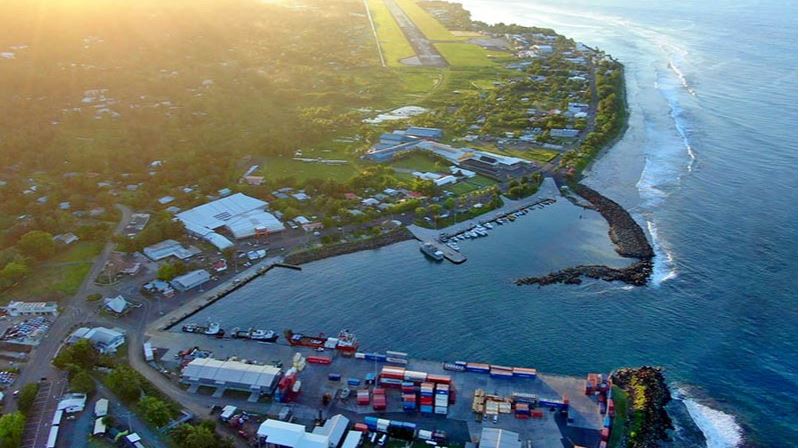
The Role of the Land & Titles Act in Solomon Islands

mashupch.com – The Land and Titles Act in Solomon Islands is a crucial piece of legislation that governs the administration, allocation, and development of land within the country. This act has undergone several amendments to address the evolving needs of the Solomon Islands’ land management system. This article explores the significance of the Land and Titles Act and its amendments, highlighting their impact on land administration and development.

Historical Context

The Land and Titles Act was first established in 1978, providing a framework for the management of land in Solomon Islands. Over the years, the act has been amended to adapt to the changing socio-economic landscape and to address emerging challenges in land administration.

Key Provisions of the Land and Titles Act

Allocation of Land Interests

One of the primary functions of the Land and Titles Act is the allocation of interests in land. This includes the distribution of land rights among various stakeholders, ensuring that the process is fair, transparent, and equitable. The act aims to balance the interests of traditional landowners, developers, and the government, promoting sustainable land use and economic development.

Development of Land

The act also plays a significant role in the development of land. It outlines the procedures for land development, ensuring that projects are carried out in a manner that respects the rights of landowners and the environment. This includes provisions for environmental impact assessments and community consultations, which are essential for sustainable development.

Administration of Land

The administration of land is another critical aspect of the Land and Titles Act. The act delegates powers to the Commissioner of Lands to manage land-related matters, including the registration of land titles and the resolution of land disputes. This ensures that the administration of land is carried out efficiently and in accordance with the law.

Amendments to the Land and Titles Act

Land and Titles (Amendment) Act 2014

The Land and Titles (Amendment) Act 2014 introduced several significant changes to the original act. These amendments focused on improving the allocation of land interests, ensuring that the development of land is carried out in a fair and equitable manner. The act also strengthened the administrative framework for land management, enhancing the transparency and accountability of land-related processes.

Land and Titles (Amendment) Act 2016

The Land and Titles (Amendment) Act 2016 further refined the act by inserting new sections that address specific issues related to land administration. These amendments aimed to streamline the registration process, improve the resolution of land disputes, and enhance the overall efficiency of land management in Solomon Islands.

Impact and Challenges

The Land and Titles Act and its amendments have had a significant impact on land administration and development in Solomon Islands. They have helped to create a more transparent and equitable system for land management, promoting sustainable economic development. However, challenges remain, particularly in the implementation of the act and ensuring that all stakeholders, including traditional landowners, are adequately represented in land-related decisions.

Conclusion

The Land and Titles Act in Solomon Islands is a vital piece of legislation that plays a crucial role in the administration, allocation, and development of land. Through its amendments, the act has evolved to address the changing needs of the country, promoting sustainable land use and economic development. Despite the challenges, the act remains a cornerstone of land management in Solomon Islands, ensuring that land-related processes are carried out in a fair, transparent, and equitable manner.
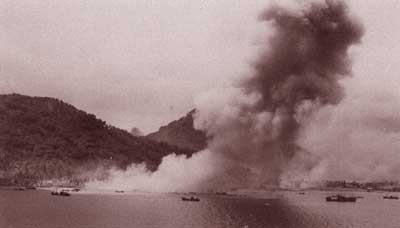

Micronesia’s Role in World War II

mashupch.com – Micronesia, a collection of islands in the western Pacific Ocean, played a significant role during World War II. The region, which includes the Mariana Islands, Caroline Islands, and Marshall Islands, was a strategic battleground between the United States and Japan. This article explores the impact of World War II on Micronesia, focusing on the military operations, the experiences of the local population, and the lasting effects on the region.

Strategic Importance

Micronesia’s strategic location made it a crucial area for both the United States and Japan during World War II. The islands served as bases for naval and air operations, and their control was essential for projecting power across the Pacific. The Japanese captured many of these islands shortly after the outbreak of the war, using them to launch attacks on Allied forces and to defend against potential invasions.

Major Battles and Operations

Several significant battles took place in Micronesia, including the Battle of the Philippine Sea, the Battle of Saipan, and the Battle of Iwo Jima. These battles were pivotal in the Pacific campaign, leading to the eventual defeat of Japanese forces in the region. The islands of Chuuk (formerly Truk) were particularly important, serving as a major Japanese naval base until its destruction during Operation Hailstone in 1944.

Impact on the Local Population

The war had a profound impact on the indigenous Micronesian population. The years of conflict brought dramatic political, economic, and lifestyle shifts. Islanders experienced attacks, invasions, and the harsh realities of war, including the effects of diseases like beriberi and dysentery, as well as malnutrition311. The civilian population, culture, and infrastructure were completely changed due to the logistical requirements of the Allies in their war against Japan.

Post-War Administration

Following the war, Micronesia came under U.S. administration in 1947. The region was placed under a United Nations trusteeship, with the United States as the administering authority. This period marked the beginning of a long-standing relationship between Micronesia and the United States, which continues to influence the region’s political, economic, and social structures.

Legacy and Remembrance

The legacy of World War II in Micronesia is evident in the numerous war relics and historical sites scattered across the islands. These remnants serve as a reminder of the region’s pivotal role in the Pacific campaign and the sacrifices made by both military personnel and civilians. Today, these sites attract tourists and historians interested in the history of the Pacific theater of World War II.

Conclusion

Micronesia’s role in World War II was multifaceted, involving significant military operations, profound changes for the local population, and a lasting impact on the region’s political and social landscape. The islands’ strategic importance and the experiences of their inhabitants during the war continue to shape the history and identity of Micronesia.

The Role of Healthcare Professionals in a Hospital Setting

mashupch.com – Hospitals are complex institutions that require a multidisciplinary team of healthcare professionals to function effectively. Each professional plays a crucial role in the diagnosis, treatment, and care of patients. This article explores the various roles and responsibilities of healthcare professionals within a hospital setting.

Medical Doctors

Medical doctors are at the forefront of patient care in hospitals. They are responsible for diagnosing illnesses, prescribing treatments, and managing patient care plans. Doctors work in different specialties such as surgery, internal medicine, pediatrics, and emergency medicine, among others. Their expertise is vital in making critical decisions that affect patient outcomes.

Nurses

Nurses are the backbone of hospital care, providing direct patient care, administering medications, and monitoring patient conditions. They work closely with doctors to implement treatment plans and are often the first point of contact for patient concerns and questions. Nurses also play a significant role in patient education and emotional support.

Allied Health Professionals

Allied health professionals include a wide range of specialists such as physiotherapists, occupational therapists, dietitians, and speech therapists. They work collaboratively with medical doctors and nurses to address specific patient needs, focusing on rehabilitation, nutrition, and communication, among other areas.

Pharmacists

Pharmacists ensure the safe and effective use of medications. They are responsible for dispensing prescriptions, providing drug information, and monitoring for potential drug interactions or side effects. Pharmacists also play a role in patient education and can help manage chronic conditions through medication therapy management.

Laboratory Technicians and Pathologists

Laboratory technicians and pathologists are essential for diagnostic testing. They perform and interpret laboratory tests that help in diagnosing diseases and monitoring patient health. Their work includes analyzing blood, tissue, and other bodily fluids, which is crucial for guiding treatment decisions.

Radiologists and Imaging Technologists

Radiologists and imaging technologists use medical imaging technologies such as X-rays, CT scans, and MRIs to diagnose and treat diseases. They work closely with other healthcare professionals to provide a comprehensive view of a patient’s condition, aiding in the detection and management of various health issues.

Administrative Staff

Administrative staff, including hospital administrators, receptionists, and medical records personnel, ensure the smooth operation of the hospital. They handle tasks such as patient registration, scheduling appointments, and maintaining medical records, which are vital for efficient patient care and hospital management.

Conclusion

The role of healthcare professionals in a hospital setting is multifaceted and critical to the delivery of high-quality patient care. Each professional contributes unique skills and knowledge that are essential for the diagnosis, treatment, and overall well-being of patients. Collaboration among these professionals is key to providing comprehensive care that addresses the physical, emotional, and social needs of patients. As healthcare continues to evolve, the importance of these roles will only grow, making them indispensable in the hospital setting.