
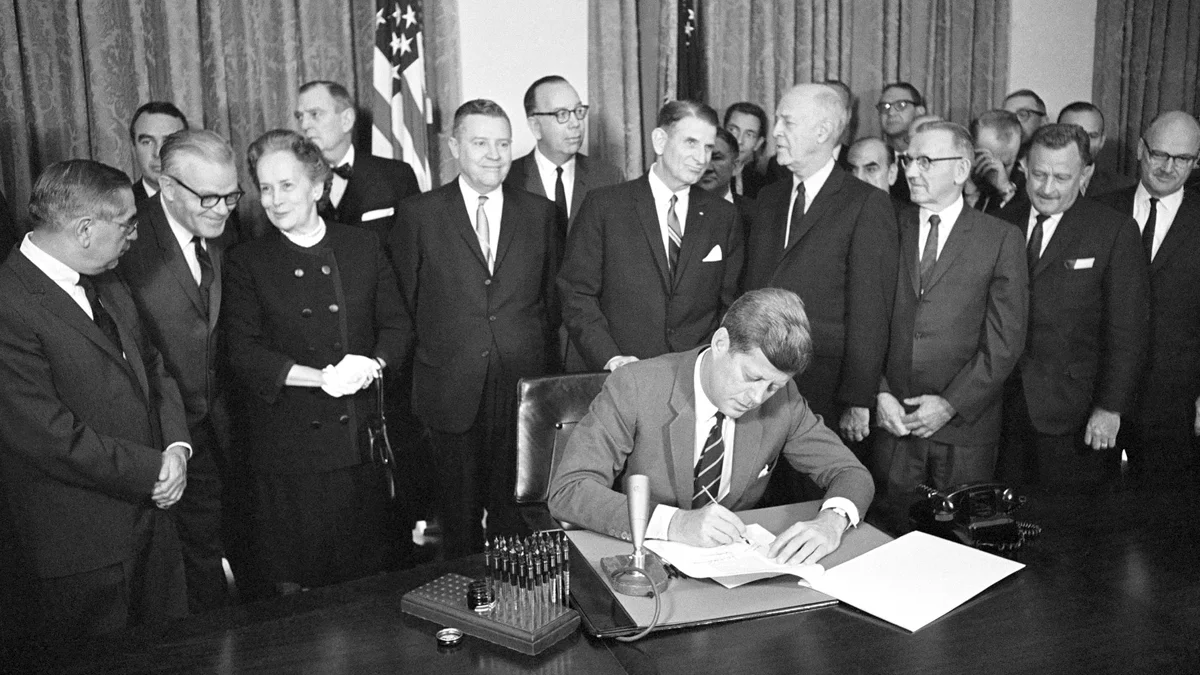
John F. Kennedy: Advocate for Healthcare Reform

mashupch.com – John F. Kennedy, the 35th President of the United States, is widely remembered for his leadership during moments of national crisis and his vision for a better America. Among his many significant policy efforts, Kennedy also recognized the importance of healthcare reform as an essential part of ensuring the well-being of American citizens. Throughout his political career, Kennedy advocated for various reforms to improve healthcare access, affordability, and quality for all Americans. His ideas and proposals laid the groundwork for future advancements in the American healthcare system, influencing subsequent reforms and providing a blueprint for future leaders to follow.

Early Political Awareness of Healthcare Issues

John F. Kennedy’s commitment to healthcare reform began during his early years as a U.S. Senator from Massachusetts. Even as a freshman Senator in the 1950s, Kennedy was keenly aware of the disparities and challenges in healthcare faced by many Americans, particularly those living in rural areas or among the nation’s most vulnerable populations. He often highlighted the inadequacies in the healthcare system, especially when it came to the lack of adequate coverage for the elderly, the poor, and rural residents.

Kennedy’s concern for healthcare reform was grounded in his belief that a nation’s success could be measured by how well it cared for its most vulnerable citizens. He understood that a healthier population was more productive and that a strong, vibrant nation could not thrive if a significant portion of its citizens lacked access to quality medical care.

Championing Healthcare for the Elderly

One of Kennedy’s most significant healthcare reform efforts was his strong advocacy for healthcare coverage for the elderly. In the early 1960s, there was no federal program for providing health insurance to seniors, leaving many elderly Americans without the means to pay for necessary medical treatments. At the time, the burden of paying for healthcare fell largely on individuals, and seniors were particularly vulnerable due to fixed incomes, making it difficult for them to afford medical expenses.

Kennedy recognized the need for a comprehensive healthcare program for older Americans, and he pushed for a Medicare program that would provide federal health insurance to individuals aged 65 and older. He saw the issue not just as an economic one but as a moral imperative to ensure that seniors would have access to medical care without the risk of financial ruin.

Kennedy’s advocacy was instrumental in bringing attention to the issue of senior healthcare. He supported legislation to create Medicare, introduced by his predecessor, President Harry S. Truman, but it was during Kennedy’s presidency that momentum for this crucial program began to gather. Kennedy’s leadership in championing healthcare for seniors set the stage for the landmark passage of Medicare and Medicaid in 1965 under President Lyndon B. Johnson.

Pushing for Broader Healthcare Access

Beyond his advocacy for the elderly, Kennedy also recognized the broader need for healthcare access for all Americans, particularly for working-class families and those living in underserved communities. One of Kennedy’s central objectives during his presidency was to extend medical care to as many people as possible, regardless of their economic status or geographic location.

Kennedy frequently advocated for public health programs that would increase healthcare access for low-income individuals, particularly in rural areas. He sought to expand funding for community health centers, which could serve as a lifeline for those living in isolated parts of the country where healthcare resources were limited. These centers were designed to provide basic medical care and preventive services to communities that might not otherwise have access to doctors and hospitals.

In addition to expanding healthcare access, Kennedy was a strong proponent of increasing funding for medical research, believing that improving medical knowledge was key to advancing the overall quality of care. He made notable efforts to expand the National Institutes of Health (NIH) budget, understanding the value of scientific advancement in improving public health and combating diseases that plagued the nation.

The Fight for National Health Insurance

As President, Kennedy continued to push for a more comprehensive healthcare system in the United States. He strongly supported the concept of national health insurance, which would provide a universal form of healthcare coverage to all Americans, regardless of their income or social status. His vision for national health insurance was rooted in his belief that the United States should be a leader in addressing the needs of its citizens, particularly in areas such as healthcare.

Kennedy faced significant opposition to his proposals for national health insurance, particularly from conservative politicians who were wary of the cost and the potential for government overreach. Despite this opposition, Kennedy remained steadfast in his commitment to healthcare reform. He continued to work toward building support for national health insurance, advocating for the principle that healthcare should be treated as a basic human right.

Although Kennedy was not able to achieve full national health insurance during his presidency, his advocacy for healthcare reform helped set the stage for later efforts to provide broader coverage for Americans. His leadership on the issue demonstrated a commitment to improving the lives of ordinary people, and it established a precedent for future administrations to continue working toward a more equitable healthcare system.

Kennedy’s Legacy in Healthcare Reform

While Kennedy’s presidency was cut short by his tragic assassination in 1963, his advocacy for healthcare reform left a lasting impact on the nation. His efforts to expand healthcare access for the elderly, improve public health services, and support medical research helped to lay the foundation for the expansion of healthcare services in the decades that followed.

The passage of Medicare and Medicaid in 1965 was a direct result of Kennedy’s leadership on healthcare issues. These programs have since become pillars of the American healthcare system, providing health coverage for millions of seniors, low-income individuals, and families.

Moreover, Kennedy’s approach to healthcare reform emphasized the importance of a compassionate, people-centered system. His belief in government’s responsibility to care for the most vulnerable members of society resonated with later policymakers and advocates for universal healthcare, such as those who would later champion the Affordable Care Act under President Barack Obama.

Kennedy’s advocacy for healthcare reform also contributed to a broader conversation about the role of government in providing social services and supporting the well-being of citizens. He showed that government intervention could be a powerful tool for ensuring that basic needs, including healthcare, were met for all Americans.

Conclusion: A Vision for a Healthier America

John F. Kennedy’s commitment to healthcare reform was a defining aspect of his presidency and political philosophy. Although his efforts did not result in the full realization of a national health insurance program during his time in office, his advocacy for healthcare access, particularly for seniors and underserved populations, set in motion significant reforms that would reshape the American healthcare landscape.

Kennedy’s work laid the groundwork for future healthcare policies, and his vision of a society that prioritizes the health and well-being of all its citizens continues to inspire political leaders, policymakers, and advocates for healthcare reform. Today, John F. Kennedy remains an enduring symbol of the potential for government to effect meaningful change in the lives of ordinary Americans, particularly in the realm of healthcare.

In advocating for healthcare reform, Kennedy reminded us that a great nation is measured not only by its economic power or military strength but by how it cares for its citizens. His legacy in healthcare continues to be a touchstone for those seeking to create a more equitable, accessible, and compassionate healthcare system in the United States.
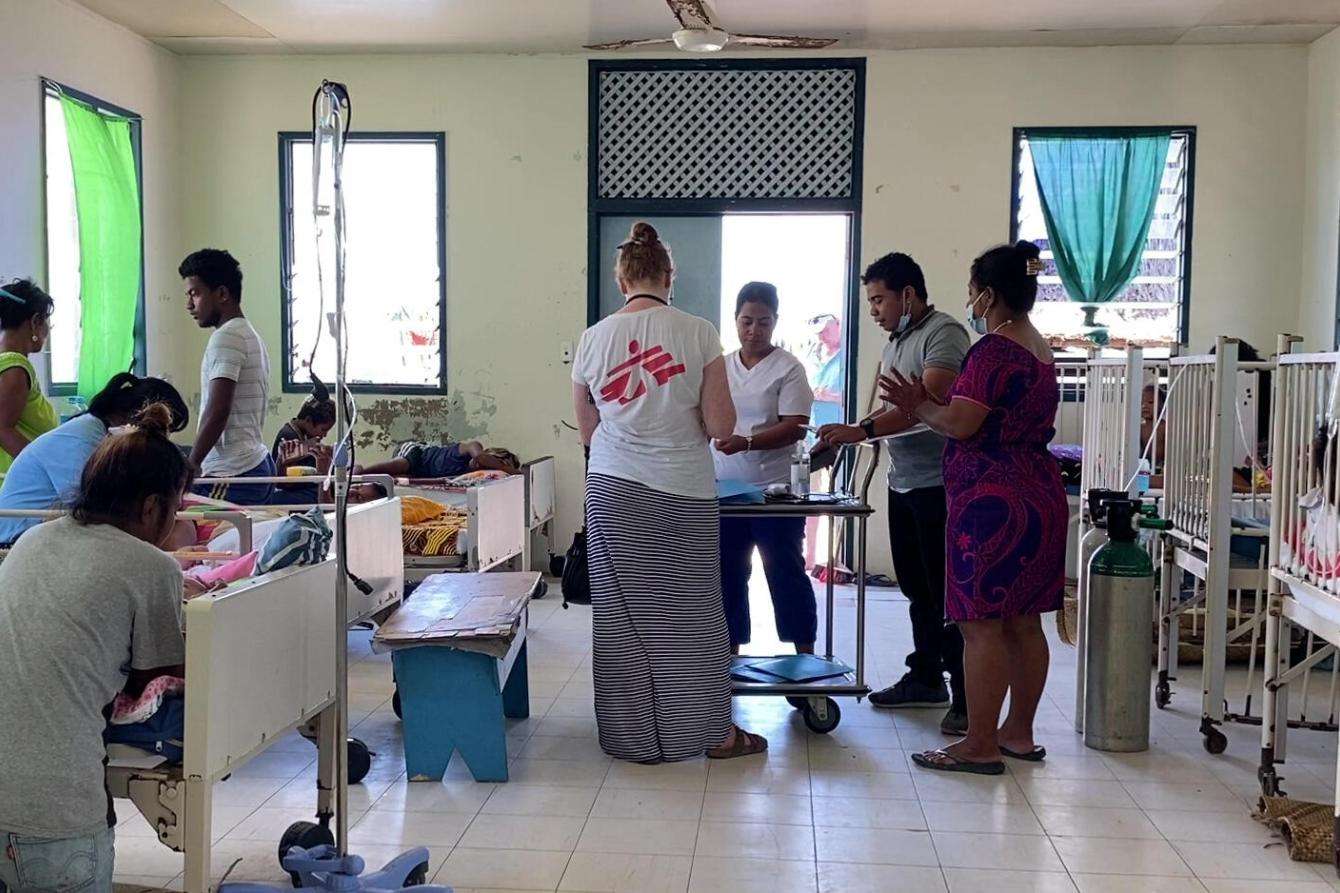
Access and Services: Healthcare in Kiribati

mashupch.com – Kiribati, an island nation in the central Pacific Ocean, faces unique challenges in providing healthcare services due to its remote location and limited resources. Despite these challenges, the government and international organizations are working to improve access and quality of healthcare services for its citizens.

Access to Healthcare Services

Kiribati’s healthcare system is primarily managed by the Ministry of Health and Medical Services (MHMS), which operates a network of hospitals, health centers, and clinics across the country. Health services are delivered free of charge through this network, which includes four hospitals, 30 health centers, and 75 clinics. This system aims to provide accessible, efficient, and effective health services to the population.

The World Bank is supporting Kiribati’s commitment to advancing Universal Health Coverage (UHC) to ensure that all citizens, known as I-Kiribati, can access health services when needed. This includes upgrading the health information system and increasing access to telehealth services, as well as funding the purchase of sea ambulances to improve emergency medical services.

Challenges and Improvements

One of the major challenges facing Kiribati’s healthcare system is the limited availability and quality of services due to the island’s small size and remoteness. The country also suffers from unsafe drinking water and high child mortality rates, which contribute to the overall health challenges.

To address these issues, the Kiribati Health Strategic Plan 2016-2019 aims to improve access to high-quality comprehensive family planning services and maternal health. The plan also focuses on delivering safe, quality health services to support a healthy population.

Future Outlook

The future of healthcare in Kiribati looks promising with ongoing efforts to improve access and quality of services. The World Bank’s support in advancing UHC and the upgrades to the health information system are expected to significantly enhance the healthcare infrastructure and services available to the population.

In conclusion, while Kiribati faces significant challenges in providing healthcare services due to its remote location and limited resources, the government and international organizations are actively working to improve access and quality. These efforts are crucial in ensuring that all I-Kiribati can receive the necessary healthcare services to lead healthy lives.

A Comparative Analysis: Canada’s Healthcare System

mashupch.com – Canada’s healthcare system is often held up as a model of universal healthcare, providing essential medical services to all Canadian residents without financial barriers. This system, primarily funded and administered by the government, stands in contrast to the healthcare models of other countries, particularly the United States. A comparative analysis of Canada’s healthcare system reveals both its strengths and the challenges it faces in providing high-quality care to its population.

The Canadian Healthcare Model

Canada’s healthcare system is based on the principles of universality, accessibility, comprehensiveness, and public administration, as outlined in the Canada Health Act. The system is predominantly publicly funded, with healthcare services provided by the provinces and territories, while the federal government contributes financially and sets national standards. This model ensures that all residents have access to medically necessary services, including hospital care and physician services, without direct payment at the point of service.

Comparison with the United States

The United States, in contrast, has a healthcare system that is largely private and relies heavily on employer-provided insurance, government programs like Medicare and Medicaid, and out-of-pocket payments. This system results in significant disparities in access to care and higher overall healthcare costs. Canada’s universal healthcare system, by comparison, achieves better health outcomes for a lower per capita cost, demonstrating the effectiveness of a publicly funded model in providing equitable care.

Strengths of the Canadian System

One of the key strengths of Canada’s healthcare system is its ability to provide universal access to essential medical services. This ensures that all residents, regardless of their socioeconomic status, have access to the care they need. Additionally, the Canadian system is known for its high-quality care and strong primary healthcare infrastructure. The public funding model also helps to control healthcare costs and reduces the financial burden on individuals and families.

Challenges and Criticisms

Despite its strengths, Canada’s healthcare system faces several challenges. Wait times for certain procedures and specialist consultations are a common criticism, with some patients experiencing delays in receiving necessary care. The system also faces financial pressures, with rising healthcare costs and an aging population straining public resources. Additionally, there are ongoing debates about the extent of services that should be covered and the balance between public and private healthcare provision.

Conclusion

Canada’s healthcare system serves as a prime example of a universal healthcare model that prioritizes access and equity. While it faces challenges, particularly with wait times and financial sustainability, it continues to provide high-quality care to all Canadian residents. A comparative analysis with other healthcare systems, such as that of the United States, highlights the benefits of a publicly funded approach in achieving better health outcomes and reducing healthcare disparities. As Canada’s healthcare system evolves, it will be important to address these challenges while maintaining the core principles that have made it a global leader in healthcare provision.

The Role of Healthcare Professionals in a Hospital Setting

mashupch.com – Hospitals are complex institutions that require a multidisciplinary team of healthcare professionals to function effectively. Each professional plays a crucial role in the diagnosis, treatment, and care of patients. This article explores the various roles and responsibilities of healthcare professionals within a hospital setting.

Medical Doctors

Medical doctors are at the forefront of patient care in hospitals. They are responsible for diagnosing illnesses, prescribing treatments, and managing patient care plans. Doctors work in different specialties such as surgery, internal medicine, pediatrics, and emergency medicine, among others. Their expertise is vital in making critical decisions that affect patient outcomes.

Nurses

Nurses are the backbone of hospital care, providing direct patient care, administering medications, and monitoring patient conditions. They work closely with doctors to implement treatment plans and are often the first point of contact for patient concerns and questions. Nurses also play a significant role in patient education and emotional support.

Allied Health Professionals

Allied health professionals include a wide range of specialists such as physiotherapists, occupational therapists, dietitians, and speech therapists. They work collaboratively with medical doctors and nurses to address specific patient needs, focusing on rehabilitation, nutrition, and communication, among other areas.

Pharmacists

Pharmacists ensure the safe and effective use of medications. They are responsible for dispensing prescriptions, providing drug information, and monitoring for potential drug interactions or side effects. Pharmacists also play a role in patient education and can help manage chronic conditions through medication therapy management.

Laboratory Technicians and Pathologists

Laboratory technicians and pathologists are essential for diagnostic testing. They perform and interpret laboratory tests that help in diagnosing diseases and monitoring patient health. Their work includes analyzing blood, tissue, and other bodily fluids, which is crucial for guiding treatment decisions.

Radiologists and Imaging Technologists

Radiologists and imaging technologists use medical imaging technologies such as X-rays, CT scans, and MRIs to diagnose and treat diseases. They work closely with other healthcare professionals to provide a comprehensive view of a patient’s condition, aiding in the detection and management of various health issues.

Administrative Staff

Administrative staff, including hospital administrators, receptionists, and medical records personnel, ensure the smooth operation of the hospital. They handle tasks such as patient registration, scheduling appointments, and maintaining medical records, which are vital for efficient patient care and hospital management.

Conclusion

The role of healthcare professionals in a hospital setting is multifaceted and critical to the delivery of high-quality patient care. Each professional contributes unique skills and knowledge that are essential for the diagnosis, treatment, and overall well-being of patients. Collaboration among these professionals is key to providing comprehensive care that addresses the physical, emotional, and social needs of patients. As healthcare continues to evolve, the importance of these roles will only grow, making them indispensable in the hospital setting.

A Comparative Analysis: Healthcare in Ecuador

mashupch.com – Ecuador’s healthcare system has undergone significant transformations over the years, reflecting both progress and challenges in providing universal health coverage. This article aims to provide a comparative analysis of healthcare in Ecuador, drawing insights from various studies and reports to understand the current state and future prospects of the system.

Historical Context and Recent Reforms

Ecuador’s healthcare system has been shaped by various reforms aimed at improving access and equity. The most recent significant reform was implemented in 2007, which aimed to reduce socioeconomic inequalities in healthcare utilization. However, despite these efforts, significant disparities persist, particularly among indigenous, low-income, and rural populations.

Comparative Analysis

Universal Health Coverage

A recent report by the Transform Health Coalition highlights the progress and challenges in achieving Universal Health Coverage (UHC) in Ecuador. The report emphasizes the need for further integration of public and private health services to ensure comprehensive coverage.

Socioeconomic Inequalities

Several studies have analyzed the impact of socioeconomic inequalities on healthcare utilization in Ecuador. Despite the reforms, indigenous, low-income, and rural households continue to face significant barriers in accessing healthcare services. This underscores the need for targeted policies to address these disparities.

Quality and Accessibility of Healthcare Services

Research on primary health services in Ecuador has shown that while there have been improvements in the quality and accessibility of services, challenges remain in ensuring financial equity and reducing out-of-pocket expenses. This is particularly relevant in the context of the COVID-19 pandemic, which has highlighted the importance of robust healthcare systems.

Cesarean Section Rates

A comparative analysis of cesarean section rates in the public and private health systems in Ecuador revealed significant disparities, with higher rates observed in the private sector. This highlights the need for policies to ensure equitable access to maternal health services.

Conclusion

Ecuador’s healthcare system has made strides in improving access and quality of care, but significant challenges remain, particularly in reducing socioeconomic inequalities and ensuring universal coverage. Future reforms should focus on integrating public and private health services, reducing out-of-pocket expenses, and addressing disparities in healthcare utilization. By doing so, Ecuador can move closer to achieving UHC and improving the overall health of its population.