
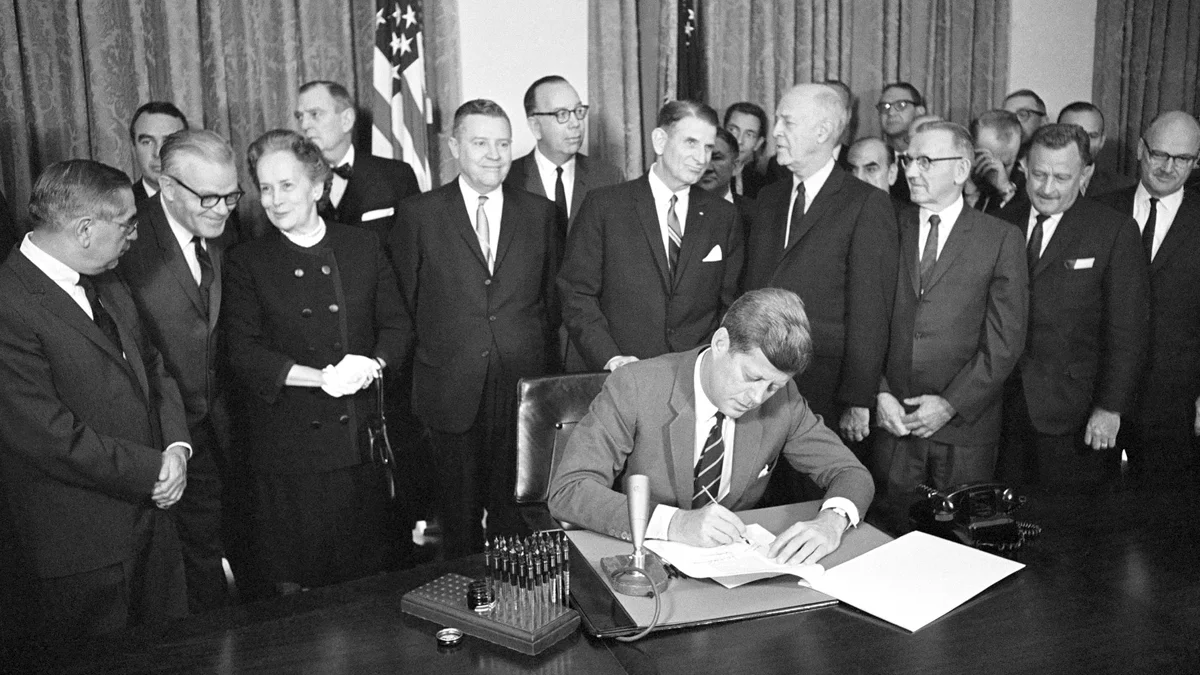
John F. Kennedy: Advocate for Healthcare Reform

mashupch.com – John F. Kennedy, the 35th President of the United States, is widely remembered for his leadership during moments of national crisis and his vision for a better America. Among his many significant policy efforts, Kennedy also recognized the importance of healthcare reform as an essential part of ensuring the well-being of American citizens. Throughout his political career, Kennedy advocated for various reforms to improve healthcare access, affordability, and quality for all Americans. His ideas and proposals laid the groundwork for future advancements in the American healthcare system, influencing subsequent reforms and providing a blueprint for future leaders to follow.

Early Political Awareness of Healthcare Issues

John F. Kennedy’s commitment to healthcare reform began during his early years as a U.S. Senator from Massachusetts. Even as a freshman Senator in the 1950s, Kennedy was keenly aware of the disparities and challenges in healthcare faced by many Americans, particularly those living in rural areas or among the nation’s most vulnerable populations. He often highlighted the inadequacies in the healthcare system, especially when it came to the lack of adequate coverage for the elderly, the poor, and rural residents.

Kennedy’s concern for healthcare reform was grounded in his belief that a nation’s success could be measured by how well it cared for its most vulnerable citizens. He understood that a healthier population was more productive and that a strong, vibrant nation could not thrive if a significant portion of its citizens lacked access to quality medical care.

Championing Healthcare for the Elderly

One of Kennedy’s most significant healthcare reform efforts was his strong advocacy for healthcare coverage for the elderly. In the early 1960s, there was no federal program for providing health insurance to seniors, leaving many elderly Americans without the means to pay for necessary medical treatments. At the time, the burden of paying for healthcare fell largely on individuals, and seniors were particularly vulnerable due to fixed incomes, making it difficult for them to afford medical expenses.

Kennedy recognized the need for a comprehensive healthcare program for older Americans, and he pushed for a Medicare program that would provide federal health insurance to individuals aged 65 and older. He saw the issue not just as an economic one but as a moral imperative to ensure that seniors would have access to medical care without the risk of financial ruin.

Kennedy’s advocacy was instrumental in bringing attention to the issue of senior healthcare. He supported legislation to create Medicare, introduced by his predecessor, President Harry S. Truman, but it was during Kennedy’s presidency that momentum for this crucial program began to gather. Kennedy’s leadership in championing healthcare for seniors set the stage for the landmark passage of Medicare and Medicaid in 1965 under President Lyndon B. Johnson.

Pushing for Broader Healthcare Access

Beyond his advocacy for the elderly, Kennedy also recognized the broader need for healthcare access for all Americans, particularly for working-class families and those living in underserved communities. One of Kennedy’s central objectives during his presidency was to extend medical care to as many people as possible, regardless of their economic status or geographic location.

Kennedy frequently advocated for public health programs that would increase healthcare access for low-income individuals, particularly in rural areas. He sought to expand funding for community health centers, which could serve as a lifeline for those living in isolated parts of the country where healthcare resources were limited. These centers were designed to provide basic medical care and preventive services to communities that might not otherwise have access to doctors and hospitals.

In addition to expanding healthcare access, Kennedy was a strong proponent of increasing funding for medical research, believing that improving medical knowledge was key to advancing the overall quality of care. He made notable efforts to expand the National Institutes of Health (NIH) budget, understanding the value of scientific advancement in improving public health and combating diseases that plagued the nation.

The Fight for National Health Insurance

As President, Kennedy continued to push for a more comprehensive healthcare system in the United States. He strongly supported the concept of national health insurance, which would provide a universal form of healthcare coverage to all Americans, regardless of their income or social status. His vision for national health insurance was rooted in his belief that the United States should be a leader in addressing the needs of its citizens, particularly in areas such as healthcare.

Kennedy faced significant opposition to his proposals for national health insurance, particularly from conservative politicians who were wary of the cost and the potential for government overreach. Despite this opposition, Kennedy remained steadfast in his commitment to healthcare reform. He continued to work toward building support for national health insurance, advocating for the principle that healthcare should be treated as a basic human right.

Although Kennedy was not able to achieve full national health insurance during his presidency, his advocacy for healthcare reform helped set the stage for later efforts to provide broader coverage for Americans. His leadership on the issue demonstrated a commitment to improving the lives of ordinary people, and it established a precedent for future administrations to continue working toward a more equitable healthcare system.

Kennedy’s Legacy in Healthcare Reform

While Kennedy’s presidency was cut short by his tragic assassination in 1963, his advocacy for healthcare reform left a lasting impact on the nation. His efforts to expand healthcare access for the elderly, improve public health services, and support medical research helped to lay the foundation for the expansion of healthcare services in the decades that followed.

The passage of Medicare and Medicaid in 1965 was a direct result of Kennedy’s leadership on healthcare issues. These programs have since become pillars of the American healthcare system, providing health coverage for millions of seniors, low-income individuals, and families.

Moreover, Kennedy’s approach to healthcare reform emphasized the importance of a compassionate, people-centered system. His belief in government’s responsibility to care for the most vulnerable members of society resonated with later policymakers and advocates for universal healthcare, such as those who would later champion the Affordable Care Act under President Barack Obama.

Kennedy’s advocacy for healthcare reform also contributed to a broader conversation about the role of government in providing social services and supporting the well-being of citizens. He showed that government intervention could be a powerful tool for ensuring that basic needs, including healthcare, were met for all Americans.

Conclusion: A Vision for a Healthier America

John F. Kennedy’s commitment to healthcare reform was a defining aspect of his presidency and political philosophy. Although his efforts did not result in the full realization of a national health insurance program during his time in office, his advocacy for healthcare access, particularly for seniors and underserved populations, set in motion significant reforms that would reshape the American healthcare landscape.

Kennedy’s work laid the groundwork for future healthcare policies, and his vision of a society that prioritizes the health and well-being of all its citizens continues to inspire political leaders, policymakers, and advocates for healthcare reform. Today, John F. Kennedy remains an enduring symbol of the potential for government to effect meaningful change in the lives of ordinary Americans, particularly in the realm of healthcare.

In advocating for healthcare reform, Kennedy reminded us that a great nation is measured not only by its economic power or military strength but by how it cares for its citizens. His legacy in healthcare continues to be a touchstone for those seeking to create a more equitable, accessible, and compassionate healthcare system in the United States.
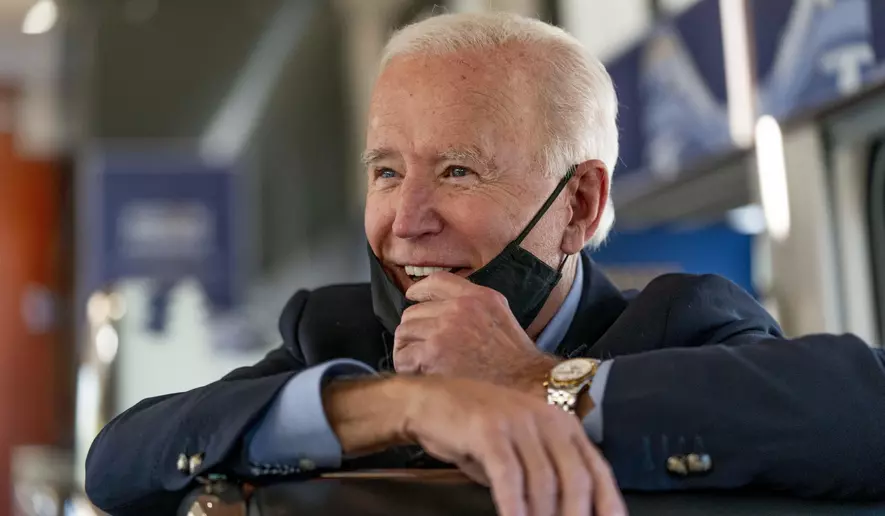
Joe Biden: Nobel Peace Prize Nominee (as Vice President)

mashupch.com – Joe Biden, the 46th President of the United States, has had a distinguished political career that has spanned over five decades. His tenure as Vice President under Barack Obama from 2009 to 2017 was marked by numerous key policy achievements, including the expansion of healthcare, the withdrawal of U.S. troops from Iraq, and the handling of the aftermath of the 2008 global financial crisis. However, one of the most unique moments of his vice presidency came in 2017 when he was nominated for the Nobel Peace Prize—a nomination that sparked discussions around his contributions to global diplomacy and peace-building efforts during his time in office.

Biden’s nomination for the Nobel Peace Prize was notable not only for his role as a U.S. leader but also for the broader context in which it occurred. During his vice presidency, Biden was often seen as a key figure in navigating complex international challenges and advancing policies that promoted peace, stability, and cooperation across the globe. In this article, we explore the significance of Joe Biden’s nomination for the Nobel Peace Prize, his contributions to global diplomacy, and the factors that made him a worthy candidate for the prestigious honor.

The Nobel Peace Prize and Its Significance

The Nobel Peace Prize, one of the five original awards established by the will of Swedish inventor Alfred Nobel, is one of the most prestigious international accolades. Awarded annually, the prize honors individuals or organizations that have made significant contributions to the promotion of peace, diplomacy, and the resolution of conflicts.

The Nobel Peace Prize is awarded by the Norwegian Nobel Committee, and the selection process is rigorous, with candidates being nominated by a select group of individuals, including members of national governments, university professors, and previous laureates. As a result, being nominated for the Nobel Peace Prize is a significant honor in and of itself, even if the individual or organization does not ultimately win.

Biden’s nomination in 2017 was part of a long-standing tradition of recognizing political leaders who have contributed to global peace, such as former U.S. Presidents Jimmy Carter and Barack Obama, both of whom were awarded the Nobel Peace Prize for their efforts to resolve conflicts and promote human rights. However, Biden’s nomination stood out because of his role in key international agreements, diplomatic efforts, and peacebuilding initiatives during his time as Vice President.

Biden’s Role as a Diplomat and Global Leader

Joe Biden’s nomination for the Nobel Peace Prize was largely due to his extensive work in diplomacy and global peace initiatives during his time as Vice President. Biden was an active participant in shaping U.S. foreign policy, particularly in conflict areas such as the Middle East, Europe, and Eastern Asia. He was known for his diplomatic efforts to foster alliances, de-escalate conflicts, and promote democratic values and human rights around the world.

1. The Iran Nuclear Deal

One of the most significant international agreements of the Obama administration was the Joint Comprehensive Plan of Action (JCPOA), commonly known as the Iran Nuclear Deal. Biden played a key role in the negotiations that led to this landmark agreement, which aimed to curb Iran’s nuclear ambitions in exchange for sanctions relief. The deal, signed in 2015, was hailed as a diplomatic victory, as it helped prevent the escalation of tensions between the U.S. and Iran and reduced the risk of nuclear proliferation in the Middle East.

The Iran Nuclear Deal was a prime example of Biden’s commitment to diplomacy as a means of resolving international conflicts. His involvement in the deal showcased his belief in the power of negotiations and international cooperation over military confrontation. While the deal was later criticized and eventually abandoned by the Trump administration, Biden’s role in facilitating the agreement reinforced his stature as a leading advocate for peace and diplomatic engagement.

2. Support for NATO and Transatlantic Alliances

During his vice presidency, Biden also focused on strengthening America’s relationships with its European allies, particularly through NATO (North Atlantic Treaty Organization). Biden was a staunch advocate for maintaining the strength of the NATO alliance and worked to ensure that the United States would remain committed to collective defense. His efforts to reinforce transatlantic partnerships and support democratic values were central to U.S. foreign policy during his time in office.

Biden’s work with NATO also included efforts to respond to challenges posed by Russia, particularly in the aftermath of Russia’s annexation of Crimea in 2014. Biden helped coordinate sanctions against Russia and emphasized the importance of a unified Western response. His strong support for NATO and its role in maintaining global peace and security made him a key figure in U.S. foreign policy during this period.

3. Advancing Human Rights and Democracy

Throughout his career, Biden has been a strong advocate for human rights and democratic values on the global stage. As Vice President, he took a leading role in promoting democracy and human rights in countries that were undergoing transitions, such as Ukraine, Tunisia, and Myanmar. Biden’s commitment to supporting democratic institutions and empowering civil society was evident in his diplomatic engagements and his efforts to counter authoritarianism.

One of the most notable instances of Biden advocating for human rights was his involvement in supporting Ukraine during the 2014 Ukrainian revolution. Biden worked closely with President Petro Poroshenko and other Ukrainian leaders to promote reforms, anti-corruption measures, and democratic governance in the face of Russian aggression. His support for Ukraine’s sovereignty and its aspirations for greater integration with the West contributed to stabilizing the region and defending democratic values in Europe.

4. Advocating for Global Health and Security

Biden’s work in global health and security also contributed to his nomination for the Nobel Peace Prize. He was a vocal advocate for expanding global health initiatives and addressing challenges such as the HIV/AIDS epidemic, malaria, and Ebola outbreaks. His leadership in coordinating U.S. efforts to respond to the Ebola outbreak in West Africa, for instance, demonstrated his commitment to international cooperation in combating health crises.

Biden’s work in global health also aligned with his support for the Global Health Security Agenda (GHSA), an initiative to strengthen health systems and prepare for future pandemics. His involvement in these global health efforts helped demonstrate his belief in the importance of international collaboration to address global challenges.

Biden’s Leadership and Legacy in Global Peace

Joe Biden’s nomination for the Nobel Peace Prize in 2017 reflected his leadership in the global arena and his efforts to build peace through diplomacy, human rights, and international cooperation. Biden’s nomination came at a time when his diplomatic expertise and long-standing commitment to peace were widely recognized. Whether in his work on the Iran Nuclear Deal, his advocacy for human rights, or his support for U.S. allies and global security, Biden’s contributions to peace and diplomacy were significant.

While Biden did not ultimately win the Nobel Peace Prize in 2017, his nomination was a recognition of his efforts to resolve conflicts through dialogue and his belief in the power of diplomacy to achieve lasting peace. Biden’s legacy as a global leader, particularly in the areas of arms control, democratic governance, and human rights, underscores his significant role in shaping U.S. foreign policy and his lasting impact on global peace and security.

As President of the United States, Biden continues to prioritize international diplomacy and peacebuilding. His ongoing commitment to multilateralism, climate action, and advancing human rights further solidifies his role as a global leader dedicated to promoting peace and security in an increasingly complex and interconnected world.

Conclusion

Joe Biden’s nomination for the Nobel Peace Prize as Vice President was a recognition of his unwavering commitment to global peace, diplomacy, and the promotion of democratic values. His work in brokering significant international agreements, strengthening alliances, advancing human rights, and addressing global health challenges contributed to his stature as a diplomatic leader. While the nomination itself did not culminate in an award, it remains a testament to Biden’s influence and leadership on the world stage during his time as Vice President.

As President, Biden has continued to build on these principles, striving to create a more peaceful and just world through diplomacy, cooperation, and respect for human dignity. His legacy as an advocate for peace, both at home and abroad, will continue to shape U.S. foreign policy for years to come.

Barack Obama: Advocate for Education and Youth Empowerment

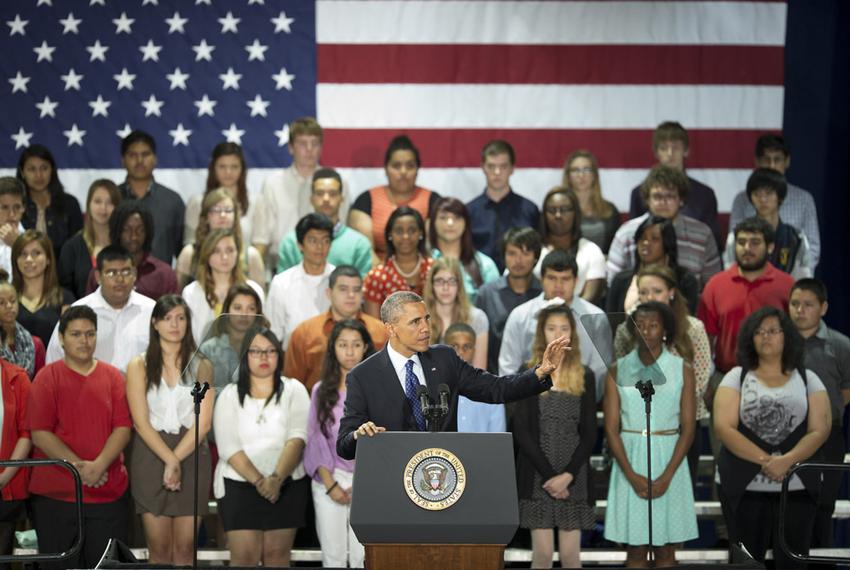
mashupch.com – Throughout his presidency and beyond, Barack Obama has consistently championed the causes of education and youth empowerment. As the 44th President of the United States, Obama understood that the future of the nation depended on investing in the next generation, fostering innovation, and ensuring that young people, regardless of their background, had access to the opportunities necessary for success. His advocacy efforts have left a lasting impact on educational reform, youth involvement, and the empowerment of young people across the globe.

This article will explore Obama’s dedication to education and youth empowerment, examining his policies, initiatives, and the ongoing influence of his work in these areas.

Obama’s Early Commitment to Education

Before his presidency, Barack Obama had already developed a deep commitment to improving education in the United States. As a community organizer in Chicago, he worked with low-income families, advocating for better educational opportunities for children in underfunded schools. His understanding of the challenges that young people face in underserved communities shaped his policy priorities later in life. He saw firsthand how a lack of educational opportunities could perpetuate cycles of poverty, and this fueled his belief that education is not only a means for personal success but also a vehicle for social change.

Obama’s journey as an advocate for education also drew from his personal experience. Raised by a single mother and grandmother, he knew the value of hard work and the doors that education could open. His achievements in education, including earning a law degree from Harvard Law School, set an example for young people, especially those from disadvantaged backgrounds, that with determination and access to education, anything is possible.

Educational Policies and Reforms During Obama’s Presidency

1. The American Recovery and Reinvestment Act (ARRA) and Education Funding

Upon taking office in 2009, Obama inherited the aftermath of the Great Recession, which had led to widespread job losses and budget cuts in education at the state and local levels. In response, one of the first major steps he took was passing the American Recovery and Reinvestment Act (ARRA), which allocated significant funding to education. This included:

  • $100 billion in funding for schools, which helped stave off layoffs of teachers and other staff.
  • $4.35 billion for the Race to the Top program, a competitive grant initiative designed to encourage states to reform their education systems by setting high academic standards, improving teacher effectiveness, and embracing innovative learning methods.

Through these investments, Obama sought to address the immediate financial challenges that schools faced, while also incentivizing long-term improvements in the quality of education across the country.

2. The Common Core State Standards Initiative

Obama’s administration was a strong supporter of the Common Core State Standards, a set of educational benchmarks for K-12 students in English language arts and mathematics. The goal of Common Core was to standardize the expectations for what students should know at each grade level across all states, ensuring that students in every part of the country received a high-quality education that prepared them for college and careers.

The initiative faced controversy, with critics arguing that it infringed upon local control of education and led to an overemphasis on testing. However, supporters, including Obama, believed that establishing rigorous and consistent standards was crucial to ensuring that students were equipped with the skills necessary to compete in a global economy.

3. The Affordable Care Act and Education Access

One of Obama’s hallmark pieces of legislation, the Affordable Care Act (ACA), not only revolutionized healthcare in the U.S. but also had a significant impact on education. The ACA expanded access to healthcare for millions of young people, many of whom were in school or just starting their careers. By allowing young adults to stay on their parents’ insurance plans until the age of 26, the ACA helped alleviate some of the financial burdens that students and recent graduates faced, ensuring they had access to essential healthcare services while pursuing their education.

4. The DREAM Act and Immigration Reform

As an advocate for young people, Obama was deeply committed to the rights of immigrant students, many of whom had lived in the U.S. for most of their lives. In 2012, he introduced the Deferred Action for Childhood Arrivals (DACA) program, which provided temporary relief from deportation for eligible undocumented immigrants who came to the U.S. as children. DACA allowed these individuals, often referred to as “Dreamers,” to pursue educational opportunities and work legally in the country.

While DACA was not a permanent solution, it represented Obama’s unwavering commitment to ensuring that young immigrants had access to education and opportunities. He continued to push for comprehensive immigration reform, advocating for a pathway to citizenship for Dreamers and other undocumented individuals.

5. My Brother’s Keeper Initiative

In 2014, Obama launched the My Brother’s Keeper initiative, a program focused on addressing the opportunity gaps faced by boys and young men of color, particularly in communities with high rates of poverty and incarceration. The initiative aimed to support these young men in areas such as education, employment, and health. It also sought to change the narrative around young men of color by highlighting their potential and providing them with mentorship and resources to thrive.

My Brother’s Keeper led to the creation of numerous local, state, and national partnerships designed to improve outcomes for boys and young men of color, with a focus on ensuring they graduate from high school, complete college, and find meaningful employment. Obama’s investment in this initiative represented his deep belief in the power of mentorship and community support to help young people reach their full potential.

6. The 21st Century Community Learning Centers

Obama also supported the expansion of after-school and summer programs for students, particularly in underserved communities. These programs, known as 21st Century Community Learning Centers, provided students with access to additional academic support, enrichment activities, and opportunities for personal growth outside of traditional school hours. The aim was to keep young people engaged in learning, reduce dropout rates, and provide a safe space for students during the critical hours after school.

7. Higher Education and College Affordability

As President, Obama focused on making higher education more accessible and affordable. He pushed for reforms aimed at reducing student loan debt and increasing financial aid for students, especially those from low-income families. In 2015, he introduced the America’s College Promise proposal, which aimed to make two years of community college education free for all qualified students. While the proposal did not pass through Congress, it highlighted Obama’s commitment to making higher education more affordable and accessible.

Obama also sought to reform the student loan system by expanding income-driven repayment plans, allowing graduates to pay back their loans based on their income levels. This helped ease the financial burden on students who graduated with significant debt.

Youth Empowerment: Encouraging Civic Engagement and Leadership

Beyond policy initiatives, Obama’s presidency was marked by his unwavering belief in the power of youth to shape the future. He frequently spoke out about the importance of young people engaging in their communities and taking on leadership roles. Obama’s advocacy for youth empowerment was grounded in the idea that young people should not only pursue their own dreams but also work to make the world a better place for others.

1. Young Leaders of Tomorrow

Throughout his time in office, Obama made a concerted effort to engage with young leaders both in the U.S. and internationally. He often met with youth leaders, organizations, and student groups, offering them support and encouragement. Obama’s speeches frequently included messages of hope and empowerment for young people, reminding them that they had the power to create change through their actions and voices.

Obama also placed a strong emphasis on the importance of civic engagement. He encouraged young people to vote, participate in their communities, and become active in shaping the policies that would affect their lives. His famous speech at the 2016 Democratic National Convention, in which he said, “Yes, we can,” resonated deeply with young audiences, inspiring them to believe in their ability to create positive change.

2. Global Youth Engagement

Obama’s focus on youth empowerment extended beyond U.S. borders. As President, he worked to foster international youth engagement and leadership through initiatives like the Young African Leaders Initiative (YALI). This program, launched in 2010, aimed to empower young leaders from across Africa by providing them with the skills, mentorship, and resources necessary to drive change in their own communities.

Obama also created the Obama Foundation, which continues to support young leaders around the world. Through this initiative, the foundation provides young people with opportunities for leadership development, mentorship, and hands-on projects that address critical issues such as education, economic development, and health.

Legacy: Continued Advocacy for Education and Youth Empowerment

Obama’s commitment to education and youth empowerment remains a central part of his post-presidency work. Through the Obama Foundation, he continues to mentor and support young leaders across the world, advocating for the importance of education and access to opportunities for all. He has also remained a vocal advocate for higher education, affordable housing, and economic opportunity for young people, particularly those from marginalized communities.

His belief that young people are the key to solving the world’s most pressing challenges continues to inspire future generations to strive for excellence, justice, and leadership.

Conclusion

Barack Obama’s presidency left an indelible mark on the landscape of education and youth empowerment in the United States and around the world. Through his policies, initiatives, and ongoing advocacy, he created a legacy that empowers young people to pursue their dreams and make a positive impact in their communities. Obama’s commitment to education and youth empowerment remains a guiding force for future leaders, reminding us all that investing in the next generation is one of the most important ways to ensure a brighter and more equitable future for all.