mashupch.com – Throughout his presidency and beyond, Barack Obama has consistently championed the causes of education and youth empowerment. As the 44th President of the United States, Obama understood that the future of the nation depended on investing in the next generation, fostering innovation, and ensuring that young people, regardless of their background, had access to the opportunities necessary for success. His advocacy efforts have left a lasting impact on educational reform, youth involvement, and the empowerment of young people across the globe.
This article will explore Obama’s dedication to education and youth empowerment, examining his policies, initiatives, and the ongoing influence of his work in these areas.
Obama’s Early Commitment to Education
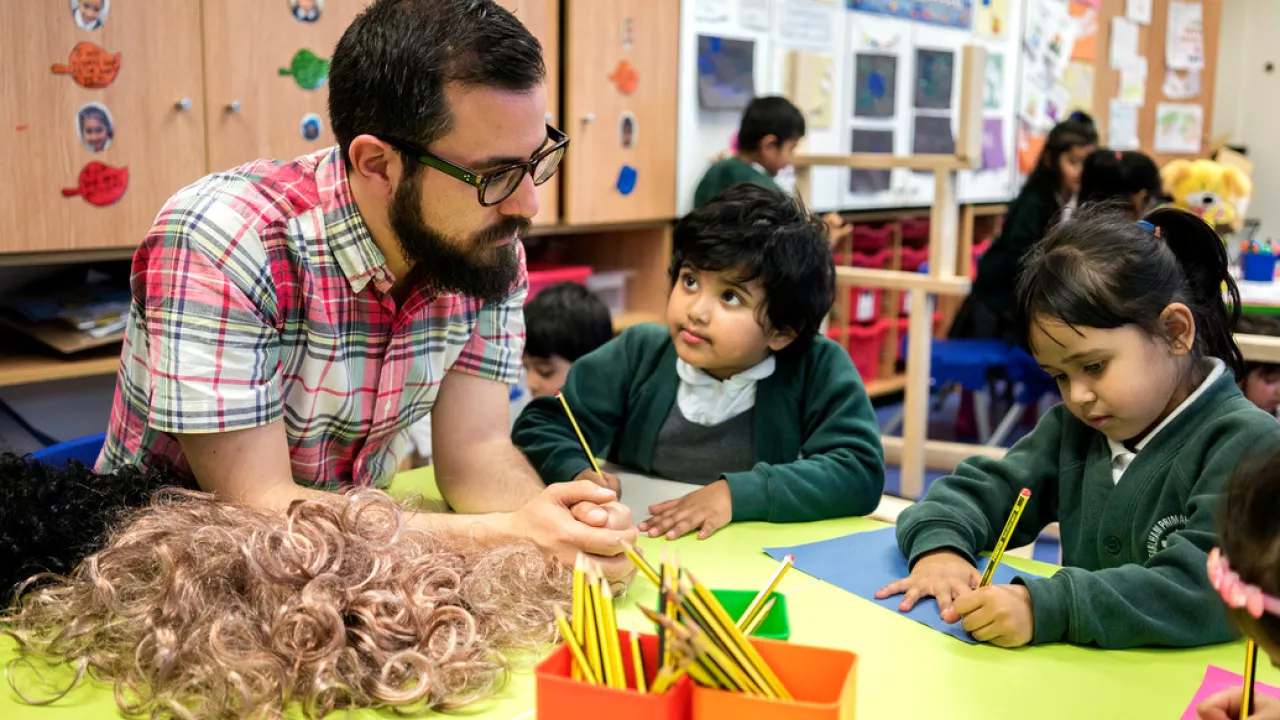
Before his presidency, Barack Obama had already developed a deep commitment to improving education in the United States. As a community organizer in Chicago, he worked with low-income families, advocating for better educational opportunities for children in underfunded schools. His understanding of the challenges that young people face in underserved communities shaped his policy priorities later in life. He saw firsthand how a lack of educational opportunities could perpetuate cycles of poverty, and this fueled his belief that education is not only a means for personal success but also a vehicle for social change.
Obama’s journey as an advocate for education also drew from his personal experience. Raised by a single mother and grandmother, he knew the value of hard work and the doors that education could open. His achievements in education, including earning a law degree from Harvard Law School, set an example for young people, especially those from disadvantaged backgrounds, that with determination and access to education, anything is possible.
Educational Policies and Reforms During Obama’s Presidency
1. The American Recovery and Reinvestment Act (ARRA) and Education Funding
Upon taking office in 2009, Obama inherited the aftermath of the Great Recession, which had led to widespread job losses and budget cuts in education at the state and local levels. In response, one of the first major steps he took was passing the American Recovery and Reinvestment Act (ARRA), which allocated significant funding to education. This included:
- $100 billion in funding for schools, which helped stave off layoffs of teachers and other staff.
- $4.35 billion for the Race to the Top program, a competitive grant initiative designed to encourage states to reform their education systems by setting high academic standards, improving teacher effectiveness, and embracing innovative learning methods.
Through these investments, Obama sought to address the immediate financial challenges that schools faced, while also incentivizing long-term improvements in the quality of education across the country.
2. The Common Core State Standards Initiative
Obama’s administration was a strong supporter of the Common Core State Standards, a set of educational benchmarks for K-12 students in English language arts and mathematics. The goal of Common Core was to standardize the expectations for what students should know at each grade level across all states, ensuring that students in every part of the country received a high-quality education that prepared them for college and careers.
The initiative faced controversy, with critics arguing that it infringed upon local control of education and led to an overemphasis on testing. However, supporters, including Obama, believed that establishing rigorous and consistent standards was crucial to ensuring that students were equipped with the skills necessary to compete in a global economy.
3. The Affordable Care Act and Education Access
One of Obama’s hallmark pieces of legislation, the Affordable Care Act (ACA), not only revolutionized healthcare in the U.S. but also had a significant impact on education. The ACA expanded access to healthcare for millions of young people, many of whom were in school or just starting their careers. By allowing young adults to stay on their parents’ insurance plans until the age of 26, the ACA helped alleviate some of the financial burdens that students and recent graduates faced, ensuring they had access to essential healthcare services while pursuing their education.
4. The DREAM Act and Immigration Reform
As an advocate for young people, Obama was deeply committed to the rights of immigrant students, many of whom had lived in the U.S. for most of their lives. In 2012, he introduced the Deferred Action for Childhood Arrivals (DACA) program, which provided temporary relief from deportation for eligible undocumented immigrants who came to the U.S. as children. DACA allowed these individuals, often referred to as “Dreamers,” to pursue educational opportunities and work legally in the country.
While DACA was not a permanent solution, it represented Obama’s unwavering commitment to ensuring that young immigrants had access to education and opportunities. He continued to push for comprehensive immigration reform, advocating for a pathway to citizenship for Dreamers and other undocumented individuals.
5. My Brother’s Keeper Initiative
In 2014, Obama launched the My Brother’s Keeper initiative, a program focused on addressing the opportunity gaps faced by boys and young men of color, particularly in communities with high rates of poverty and incarceration. The initiative aimed to support these young men in areas such as education, employment, and health. It also sought to change the narrative around young men of color by highlighting their potential and providing them with mentorship and resources to thrive.
My Brother’s Keeper led to the creation of numerous local, state, and national partnerships designed to improve outcomes for boys and young men of color, with a focus on ensuring they graduate from high school, complete college, and find meaningful employment. Obama’s investment in this initiative represented his deep belief in the power of mentorship and community support to help young people reach their full potential.
6. The 21st Century Community Learning Centers
Obama also supported the expansion of after-school and summer programs for students, particularly in underserved communities. These programs, known as 21st Century Community Learning Centers, provided students with access to additional academic support, enrichment activities, and opportunities for personal growth outside of traditional school hours. The aim was to keep young people engaged in learning, reduce dropout rates, and provide a safe space for students during the critical hours after school.
7. Higher Education and College Affordability
As President, Obama focused on making higher education more accessible and affordable. He pushed for reforms aimed at reducing student loan debt and increasing financial aid for students, especially those from low-income families. In 2015, he introduced the America’s College Promise proposal, which aimed to make two years of community college education free for all qualified students. While the proposal did not pass through Congress, it highlighted Obama’s commitment to making higher education more affordable and accessible.
Obama also sought to reform the student loan system by expanding income-driven repayment plans, allowing graduates to pay back their loans based on their income levels. This helped ease the financial burden on students who graduated with significant debt.
Youth Empowerment: Encouraging Civic Engagement and Leadership
Beyond policy initiatives, Obama’s presidency was marked by his unwavering belief in the power of youth to shape the future. He frequently spoke out about the importance of young people engaging in their communities and taking on leadership roles. Obama’s advocacy for youth empowerment was grounded in the idea that young people should not only pursue their own dreams but also work to make the world a better place for others.
1. Young Leaders of Tomorrow
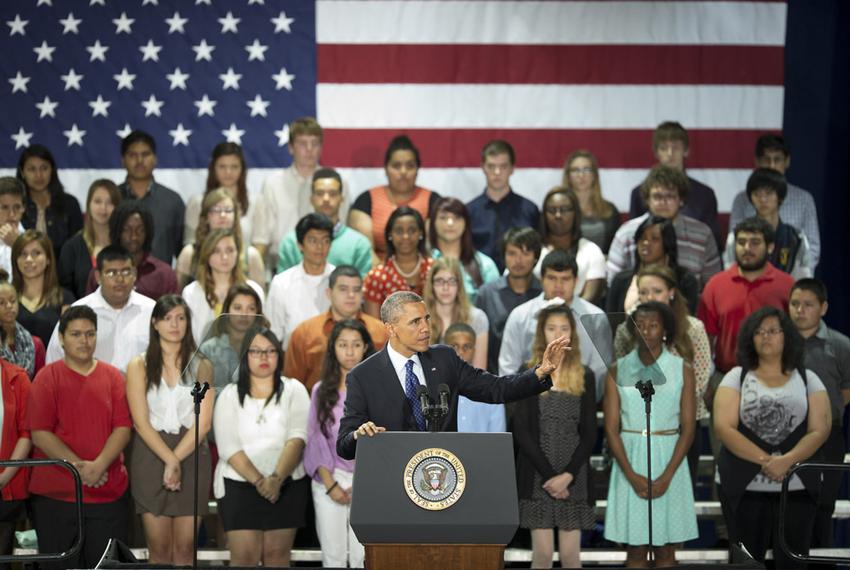
Throughout his time in office, Obama made a concerted effort to engage with young leaders both in the U.S. and internationally. He often met with youth leaders, organizations, and student groups, offering them support and encouragement. Obama’s speeches frequently included messages of hope and empowerment for young people, reminding them that they had the power to create change through their actions and voices.
Obama also placed a strong emphasis on the importance of civic engagement. He encouraged young people to vote, participate in their communities, and become active in shaping the policies that would affect their lives. His famous speech at the 2016 Democratic National Convention, in which he said, “Yes, we can,” resonated deeply with young audiences, inspiring them to believe in their ability to create positive change.
2. Global Youth Engagement
Obama’s focus on youth empowerment extended beyond U.S. borders. As President, he worked to foster international youth engagement and leadership through initiatives like the Young African Leaders Initiative (YALI). This program, launched in 2010, aimed to empower young leaders from across Africa by providing them with the skills, mentorship, and resources necessary to drive change in their own communities.
Obama also created the Obama Foundation, which continues to support young leaders around the world. Through this initiative, the foundation provides young people with opportunities for leadership development, mentorship, and hands-on projects that address critical issues such as education, economic development, and health.
Legacy: Continued Advocacy for Education and Youth Empowerment
Obama’s commitment to education and youth empowerment remains a central part of his post-presidency work. Through the Obama Foundation, he continues to mentor and support young leaders across the world, advocating for the importance of education and access to opportunities for all. He has also remained a vocal advocate for higher education, affordable housing, and economic opportunity for young people, particularly those from marginalized communities.
His belief that young people are the key to solving the world’s most pressing challenges continues to inspire future generations to strive for excellence, justice, and leadership.
Conclusion
Barack Obama’s presidency left an indelible mark on the landscape of education and youth empowerment in the United States and around the world. Through his policies, initiatives, and ongoing advocacy, he created a legacy that empowers young people to pursue their dreams and make a positive impact in their communities. Obama’s commitment to education and youth empowerment remains a guiding force for future leaders, reminding us all that investing in the next generation is one of the most important ways to ensure a brighter and more equitable future for all.