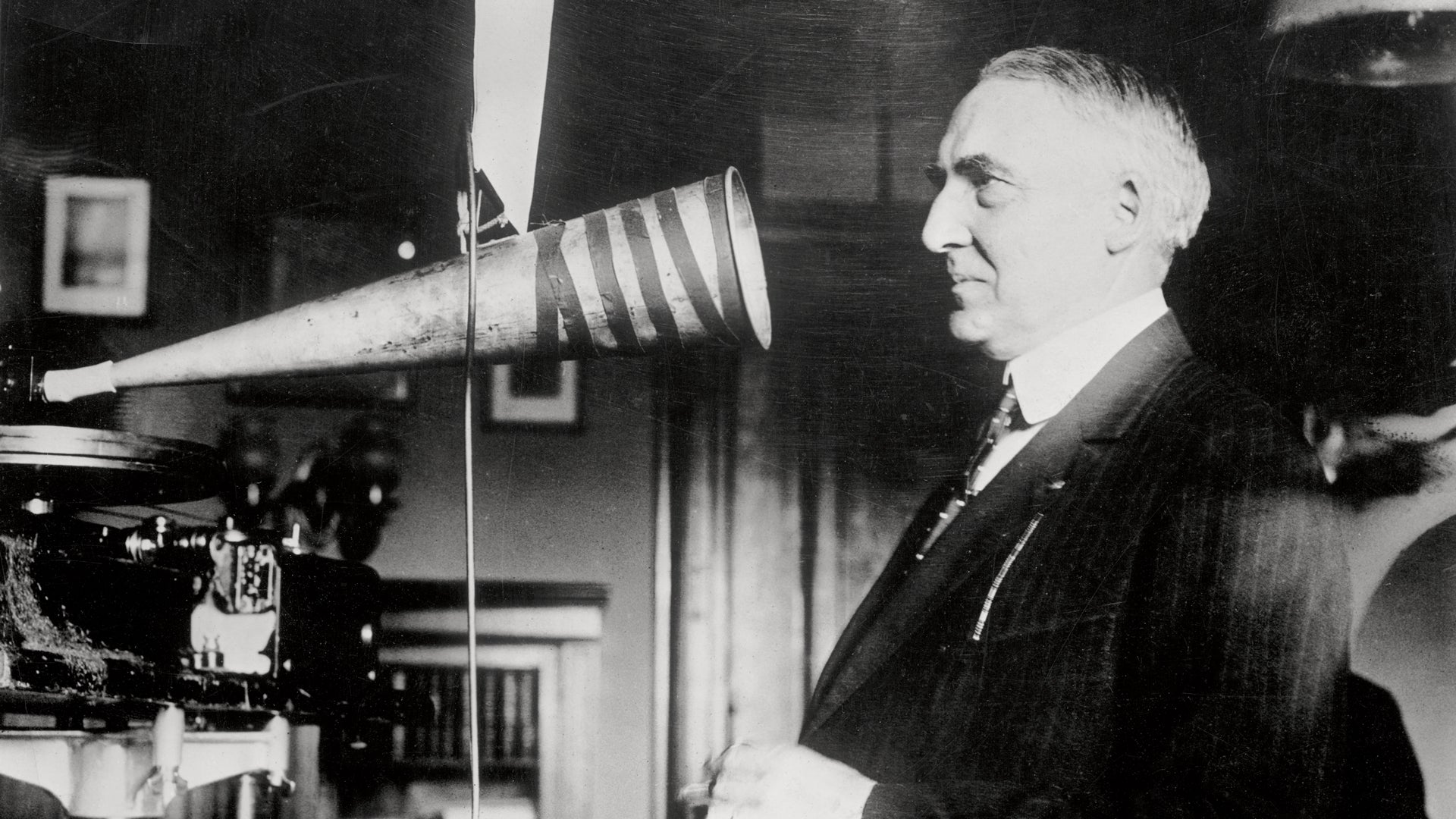
The Rise and Fall of Warren G. Harding – Early Life and Career

mashupch.com – Warren G. Harding, the 29th President of the United States, remains one of the most enigmatic figures in American political history. His rise to power is a story of political opportunism and careful strategizing, while his fall from grace is defined by scandal, corruption, and an untimely death. Harding’s presidency, though brief, continues to be studied as an example of both the possibilities and the dangers of leadership. From his humble beginnings to his meteoric rise to the White House and his dramatic fall, the life and legacy of Warren G. Harding are filled with complexity.

Early Life and Career

Humble Beginnings and Personal Life

Warren Gamaliel Harding was born on November 2, 1865, in Blooming Grove, Ohio, to a family of modest means. His father, George, was a physician and farmer, while his mother, Phoebe, was an influential figure in his early life. Growing up in rural Ohio, Harding experienced the challenges of frontier life, but his family valued education, which led him to attend Ohio Central College in Iberia, Ohio.

Harding’s early academic performance was unremarkable, but his interest in the world of journalism was already beginning to take shape. After graduating from college, he worked for local newspapers and eventually took control of the Marion Daily Star in 1884. As the owner and publisher of the paper, Harding developed an understanding of the power of the media in shaping public opinion. His journalistic career also helped him develop the skills necessary for political success, including persuasion, communication, and networking.

Entry into Politics

Harding’s entry into politics came relatively late in his life. After years of building a reputation as a businessman and community leader, he ran for public office in 1900 and was elected to the Ohio State Senate. Harding’s political career progressed steadily, and he earned a reputation as a moderate, pragmatic politician who was able to work across party lines. He served as Lieutenant Governor of Ohio from 1904 to 1906, and in 1914, he was elected as a U.S. Senator from Ohio.

Harding’s career as a senator was largely uneventful, but he was able to cultivate relationships with key political figures, which would later help him when he sought national office. It was during his time as a senator that Harding first began to position himself for higher office. His appeal was that of a man of the people, who would promise a return to “normalcy” after the social upheavals of the Progressive Era and World War I.

The Road to the White House

The 1920 Republican Nomination

The 1920 Republican National Convention was a turning point in Harding’s political career. At the time, the Republican Party was divided between progressive and conservative factions, and no clear frontrunner had emerged for the presidential nomination. Harding, who had not initially been considered a leading candidate, emerged as a compromise choice. His moderate, pro-business platform and calm demeanor made him appealing to delegates who were looking for a candidate to unify the party and appeal to a post-war electorate.

Harding’s nomination was achieved through backroom deals and political maneuvering. His campaign slogan, “A return to normalcy,” resonated with a war-weary America that longed for a return to peace and prosperity after the First World War. Harding’s emphasis on economic stability, limited government intervention, and a focus on domestic issues helped him secure the Republican nomination. His campaign was largely shaped by his advisors and political allies, including his campaign manager, Harry Daugherty.

The 1920 Election and Victory

In the general election of 1920, Harding faced Democratic nominee James M. Cox, who had served as governor of Ohio and was a strong advocate for the progressive reforms of the era. The election was largely shaped by the public’s desire to move away from the turmoil of the World War I era and the progressive policies of the Wilson administration. Harding’s call for a return to normalcy was a direct appeal to voters who were tired of the changes and challenges brought about by the war.

Harding won the election by a landslide, receiving over 60% of the popular vote and a commanding electoral victory. His win was seen as a rejection of the progressive policies of the previous decade, and it marked the beginning of a conservative era in American politics. Harding’s victory was also significant because it reflected the growing influence of the “silent majority” of Americans, those who were not necessarily vocal in their political opinions but who preferred stability and prosperity.

The Harding Presidency: High Hopes and Early Successes

Economic Policies and the “Return to Normalcy”

Upon taking office in March 1921, Harding moved quickly to implement his vision for America. One of the central tenets of his campaign had been to restore economic stability to a country that had been ravaged by the war and by progressive reforms. Harding was a staunch advocate for business interests, and his administration pursued policies aimed at reducing government intervention in the economy.

One of his first acts as president was to push for a reduction in taxes. The Revenue Act of 1921 was designed to cut taxes on both individuals and corporations, with the belief that lower taxes would stimulate business investment and promote economic growth. The tax cuts, which reduced the top income tax rate from 73% to 58%, were aimed at fostering a climate of business confidence and prosperity.

Additionally, Harding’s administration worked to reduce government spending and balance the budget, which had ballooned during World War I. Through a combination of cuts in military and domestic spending, the Harding administration managed to achieve a budget surplus by 1922, something that had not been seen in years. These fiscal policies laid the foundation for the economic boom of the 1920s, a period that would be characterized by rapid industrial growth, rising stock prices, and increasing consumer demand.

Foreign Policy: Isolationism and Diplomacy

In foreign affairs, Harding pursued a policy of isolationism, reflecting the general sentiment of Americans who were weary of international entanglements following World War I. Harding sought to avoid further involvement in European conflicts and instead focused on strengthening diplomatic ties with other nations. One of his most notable achievements in foreign policy was the Washington Naval Conference of 1921-1922, which brought together the major naval powers of the world to discuss arms limitation and disarmament.

The conference resulted in a series of treaties that limited the size of naval fleets and aimed to prevent an arms race. The agreements reached at the Washington Naval Conference helped to reduce tensions between the United States, the United Kingdom, Japan, and other major powers, although the long-term effectiveness of these treaties would later be questioned. Harding also supported the Kellogg-Briand Pact of 1928, which sought to outlaw war as a means of resolving international disputes, although the pact ultimately proved ineffective in preventing future conflicts.

The Fall of Warren G. Harding: Scandals and Corruption

The Teapot Dome Scandal

Despite his early successes, Harding’s presidency was soon overshadowed by scandal. The most significant of these was the Teapot Dome scandal, which involved the illegal leasing of federal oil reserves in Wyoming and California. The scandal revolved around the actions of Harding’s Secretary of the Interior, Albert Fall, who secretly leased the reserves to private oil companies in exchange for bribes.

The Teapot Dome scandal was a major blow to Harding’s administration and reputation. While Harding himself was not directly implicated in the scandal, the affair exposed corruption within his cabinet and raised questions about his leadership. Fall was later convicted of bribery and sentenced to prison, and the scandal became a symbol of the corruption that marred Harding’s time in office.

Other Scandals and Harding’s Health

In addition to Teapot Dome, Harding’s administration was plagued by other scandals, including the involvement of several high-ranking officials in illegal activities and financial corruption. The President’s refusal to take decisive action against these scandals contributed to a growing perception of incompetence within his administration.

Furthermore, Harding’s health began to deteriorate during his presidency. He suffered from various health problems, including heart issues, and his physical decline became more apparent as time went on. In August 1923, while on a cross-country tour in California, Harding collapsed and died suddenly of a heart attack at the age of 57. His death was met with shock and left many questions about the direction his presidency would have taken.

Conclusion: A Complex Legacy

Warren G. Harding’s rise to the presidency was the result of political savvy, careful positioning, and a carefully crafted image as a man who would restore normalcy after the upheaval of the Progressive Era and World War I. His early successes in office, particularly his economic policies and diplomatic efforts, seemed to promise a bright future for his administration. However, his presidency was ultimately undone by corruption, scandal, and his inability to address the ethical lapses within his administration.

Harding’s untimely death left many of the questions surrounding his presidency unanswered, and his legacy remains one of contradictions. While his economic policies laid the groundwork for the prosperity of the 1920s, the corruption of his cabinet members, particularly in the Teapot Dome scandal, tainted his reputation. As a result, Harding’s rise and fall serve as a reminder of the complexities of political leadership and the lasting impact that scandals can have on a president’s legacy.
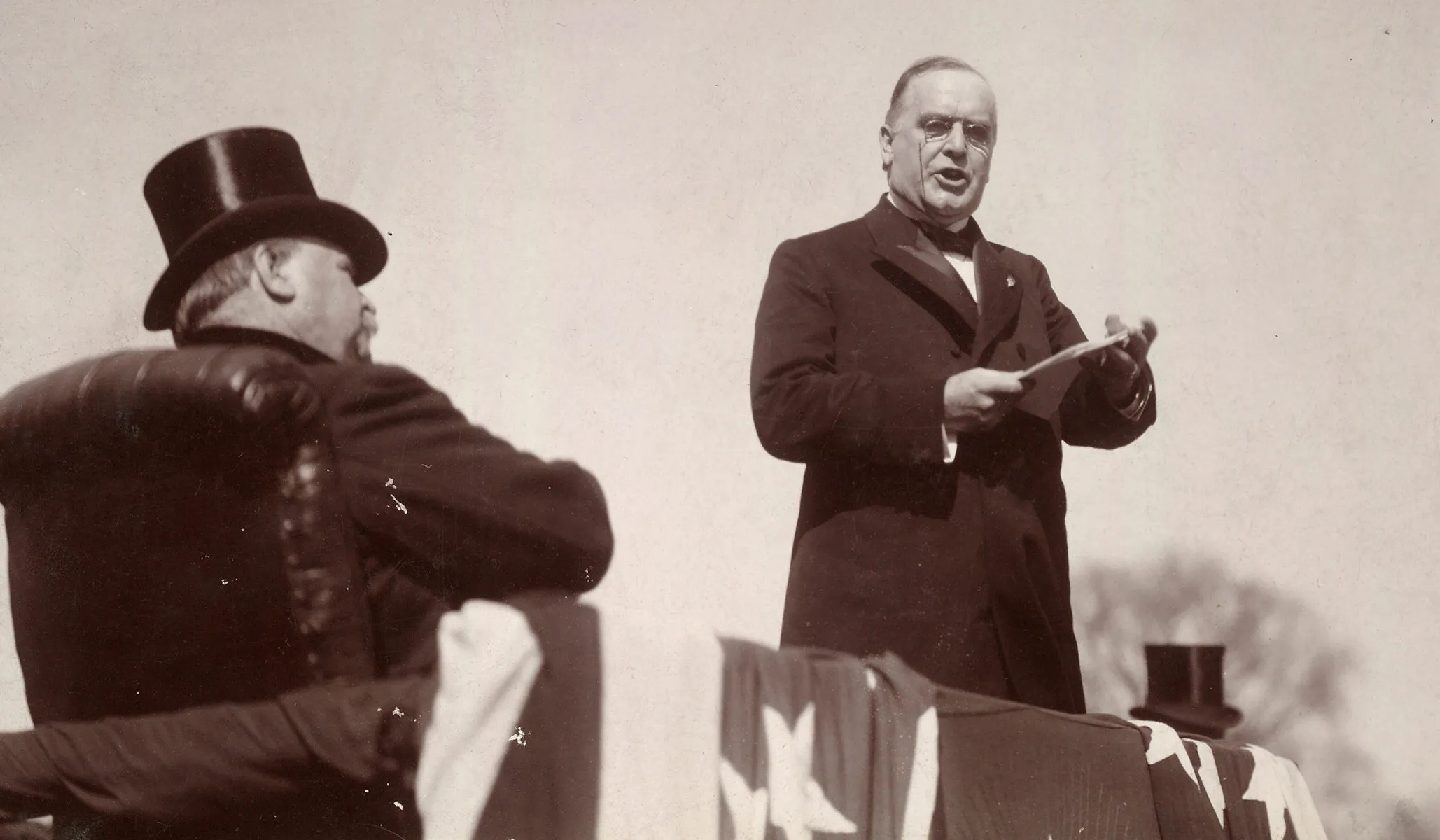
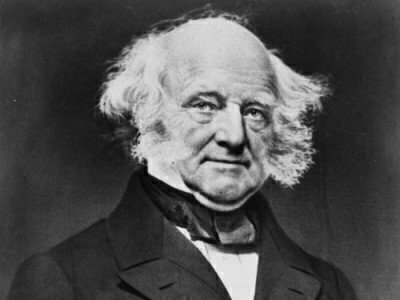
William McKinley: The Forgotten President – Early Life

mashupch.com – William McKinley, the 25th President of the United States, is often overlooked in the pantheon of American leaders. While presidents like Abraham Lincoln, Theodore Roosevelt, and Franklin D. Roosevelt dominate discussions in American history, McKinley’s tenure is frequently relegated to the background. However, his presidency—though sometimes overshadowed by the larger-than-life figures that followed and preceded him—played a crucial role in shaping the United States during a time of significant transformation. This article seeks to bring McKinley’s presidency into sharper focus, exploring the circumstances that defined his leadership, the policies he championed, and the legacy he left behind.

Early Life and Political Beginnings

A Modest Start

Born on January 29, 1843, in Niles, Ohio, William McKinley grew up in a working-class family with strong Methodist beliefs. His father, William McKinley Sr., was a businessman, and his mother, Nancy Allison McKinley, was a devout homemaker. McKinley had a modest, yet supportive, upbringing that instilled in him a deep sense of duty, discipline, and patriotism. His education began at public schools, and later, he attended Allegheny College in Meadville, Pennsylvania. However, his college years were interrupted by illness, and he ultimately did not graduate.

Civil War Service

McKinley’s sense of duty led him to join the Union Army during the American Civil War. At the age of 18, he enlisted as a private in the 23rd Ohio Volunteer Infantry. Throughout the war, McKinley proved his mettle, quickly rising through the ranks to the position of major, a testament to his leadership and bravery. He participated in numerous significant battles, including the Battle of Antietam, where he showed remarkable courage and leadership under fire. His wartime service would influence much of his political career, as McKinley often invoked his military experiences to connect with voters, especially during times of national crisis.

Political Rise

After the war, McKinley returned to Ohio and pursued a career in law, while also entering politics. His initial political foray came when he was elected to the U.S. House of Representatives in 1876. Over the next decade, McKinley established himself as a staunch advocate for protective tariffs, which aimed to shield American manufacturers from foreign competition. His position on tariffs earned him the reputation of a defender of American industry, a key part of his political identity. In 1892, McKinley was elected governor of Ohio, where he focused on economic recovery, fiscal discipline, and supporting industrial development. His successes at the state level set the stage for his bid for the presidency in 1896.

The Election of 1896: McKinley’s Path to the White House

The Political Landscape

The 1896 presidential election was a pivotal moment in American history. The nation was in the midst of a severe economic depression, the worst since the Civil War, and issues such as the gold standard and the silver question dominated political discourse. On one side stood William Jennings Bryan, a charismatic and populist figure who advocated for the free coinage of silver, which he believed would help farmers and working-class Americans. On the other was William McKinley, who supported the gold standard and a pro-business platform. McKinley’s focus on restoring economic stability and promoting industrial growth made him the candidate of the Republican Party.

The Campaign

McKinley’s 1896 campaign was notably different from those of his predecessors. Rather than embarking on an exhausting whistle-stop tour, McKinley conducted what became known as a “front porch” campaign. From his home in Canton, Ohio, he gave speeches and hosted rallies, appealing directly to voters. His campaign was well-organized, largely funded by business interests, and aimed at presenting McKinley as the candidate who could bring stability to a nation plagued by economic uncertainty. Bryan, in contrast, crisscrossed the country, delivering impassioned speeches in support of silver and populist reforms. Ultimately, McKinley won the election with 271 electoral votes to Bryan’s 176, marking the beginning of a transformative era in U.S. politics.

McKinley’s Presidency: A Critical Period in American History

The Dingley Tariff and Economic Stabilization

McKinley’s presidency began at a time when the nation was reeling from the effects of the 1893 depression. The economy was fragile, and industrialists, farmers, and workers were facing significant challenges. McKinley’s response to the economic crisis was the Dingley Tariff of 1897, which raised tariffs on imported goods to protect American businesses. The tariff was a direct response to growing foreign competition and the economic discontent that had swept the nation. Though it was controversial, the tariff helped stabilize the U.S. economy and encouraged industrial growth, particularly in the Northeast.

McKinley’s support for the gold standard was another key element of his economic policy. At the time, there was fierce debate over whether the U.S. should continue to adhere to the gold standard or adopt a bimetallic system that included silver. McKinley firmly believed that the gold standard provided long-term fiscal stability and would restore confidence in the U.S. economy. His stance on this issue helped secure his place as a pro-business president, though it also alienated many farmers and rural voters who supported Bryan’s silver-backed policies.

The Spanish-American War and the Rise of American Imperialism

Arguably, McKinley’s most significant and lasting achievement was his handling of the Spanish-American War in 1898. The war, which lasted only a few months, marked the United States’ emergence as a global power. Tensions between the U.S. and Spain had been escalating over the situation in Cuba, where a struggle for independence from Spanish colonial rule was underway. McKinley initially sought a diplomatic solution, but following the mysterious explosion of the USS Maine in Havana Harbor, public pressure for war grew.

Under McKinley’s leadership, the U.S. declared war on Spain, and the conflict resulted in a decisive victory. Spain ceded control of Cuba, Puerto Rico, Guam, and the Philippines to the United States. This expansion of U.S. territories marked the beginning of American imperialism and solidified McKinley’s place in history as the president who helped transform the U.S. into an imperial power. However, McKinley’s decision to annex the Philippines was controversial, leading to the Philippine-American War (1899-1902), in which U.S. forces fought against Filipino insurgents seeking independence.

The Open Door Policy and Expansion into Asia

McKinley also pursued an ambitious foreign policy agenda in Asia. In 1899, Secretary of State John Hay, under McKinley’s direction, formulated the Open Door Policy, which sought to ensure equal trading rights for all foreign nations in China and prevent any single power from dominating the region. While the policy was not entirely successful in achieving its goals, it reflected McKinley’s vision of expanding American influence and promoting free trade across the globe.

McKinley’s Assassination and Legacy

A Tragic End

McKinley’s second term was tragically cut short when he was assassinated in September 1901. On September 6, 1901, while attending the Pan-American Exposition in Buffalo, New York, McKinley was shot twice by anarchist Leon Czolgosz. McKinley succumbed to his wounds on September 14, 1901, leaving Vice President Theodore Roosevelt to assume the presidency. McKinley’s assassination shocked the nation and marked a moment of profound change in the American political landscape.

The Forgotten Legacy

Despite his pivotal role in shaping the U.S. during a time of profound change, McKinley is often referred to as a “forgotten president.” His tenure was overshadowed by the more dynamic presidencies of Theodore Roosevelt and Franklin D. Roosevelt. McKinley is often seen as a transitional figure, one who bridged the gap between the more conservative, business-oriented policies of the late 19th century and the progressive reforms of the 20th century.

Nevertheless, McKinley’s presidency had a lasting impact on the direction of American foreign and domestic policy. His leadership during the Spanish-American War and his embrace of imperialism set the stage for the U.S. to become a global power in the 20th century. His support for the gold standard and protective tariffs laid the foundation for the economic prosperity of the early 20th century, and his policies helped establish the United States as a dominant force on the world stage.

Conclusion: Rediscovering McKinley’s Place in History

William McKinley may not be as well-remembered as some of his successors, but his presidency played a critical role in shaping the modern United States. He guided the nation through an economic crisis, oversaw the expansion of American territories, and laid the groundwork for future foreign policies. While his legacy has been overshadowed by more charismatic figures, McKinley’s contributions to American history deserve recognition. As the 25th president, McKinley navigated a rapidly changing world with pragmatism and vision, and his leadership continues to be an important part of the nation’s story.

The Life and Legacy of Martin Van Buren – Early Life

mashupch.com – Martin Van Buren, the eighth President of the United States, was a pivotal figure in early American politics. Born into modest circumstances, he rose to prominence as a lawyer, politician, and diplomat, shaping the Democratic Party and becoming an architect of the modern American political system. His legacy is multifaceted, touching on everything from party organization to his role in Andrew Jackson’s administration and his own presidency, which was marked by both economic hardship and important political developments.

Early Life and Education

Birth and Childhood

Martin Van Buren was born on December 5, 1782, in Kinderhook, New York, into a Dutch-American family. His father, Abraham Van Buren, was a farmer and tavern owner, while his mother, Maria Hoes Van Buren, came from a modest background. He grew up in a bilingual household, speaking Dutch as his first language. This early experience in a working-class, immigrant family shaped his future political persona, as he often portrayed himself as a “man of the people” despite his later political and social rise.

Legal Beginnings and Entry into Politics

Although Van Buren’s formal education was limited, he demonstrated early intelligence and ambition. At the age of 14, he began studying law, serving an apprenticeship under a prominent New York lawyer. By 1803, Van Buren was admitted to the New York Bar, establishing himself as a skilled lawyer. His legal career naturally led to involvement in local politics, and by 1812, he was elected to the New York State Senate, marking the beginning of a long and influential political career.

Political Rise and Influence

Mastering New York Politics

Van Buren’s early political career was defined by his deep involvement in New York state politics, where he became a key player in the Democratic-Republican Party. He quickly earned a reputation for his political acumen and organization, helping to establish the Albany Regency, a powerful political machine that controlled much of New York politics in the early 19th century.

The “Little Magician”

As Van Buren gained prominence in New York, his political influence grew on the national stage. In 1821, he was elected to the U.S. Senate, where he championed states’ rights and limited federal government intervention. His skill in navigating the intricacies of political alliances and party dynamics earned him the nickname “The Little Magician.” His ability to craft political coalitions, manage factions, and promote his party’s agenda became key assets in his rise to national prominence.

Partnership with Andrew Jackson

Van Buren and the Jacksonian Era

One of the most defining relationships in Van Buren’s career was his partnership with Andrew Jackson. A staunch supporter of Jacksonian democracy, Van Buren became one of Jackson’s most trusted advisers. He played a critical role in Jackson’s successful bid for the presidency in 1828 and served as Jackson’s Secretary of State from 1829 to 1831. During this time, he solidified his position as a key figure in the Democratic Party and helped shape many of Jackson’s policies.

Vice Presidency and Democratic Party Formation

Van Buren’s influence within the Democratic Party only grew during his time as Jackson’s Vice President from 1833 to 1837. He was a central figure in organizing and consolidating the Democratic Party as a national political force. His political philosophy was rooted in the belief that strong party organization was essential to maintaining democracy and preventing the rise of factions that could divide the country. His organizational skills helped to institutionalize the two-party system that continues to shape American politics today.

Presidency of Martin Van Buren

Election of 1836 and Economic Challenges

In 1836, Van Buren was elected President of the United States, succeeding Andrew Jackson. His presidency began with high hopes, but it quickly became overshadowed by the Panic of 1837, one of the worst economic crises in American history. The Panic was caused by a variety of factors, including speculative land investments, the collapse of state banks, and the economic policies of Jackson’s administration, such as the dismantling of the Bank of the United States.

Van Buren’s response to the economic depression was guided by his belief in limited government intervention. He refused to allow the federal government to directly involve itself in economic relief efforts, believing that the economy would eventually recover on its own. Instead, he focused on creating the Independent Treasury System, a means of separating government funds from private banks to stabilize the economy. Although the economy eventually recovered, Van Buren’s handling of the crisis was deeply unpopular and contributed to his defeat in the 1840 election.

Slavery and Sectional Issues

Van Buren’s presidency also saw increasing tensions over the issue of slavery. While he personally opposed the expansion of slavery, he sought to maintain a balance between pro-slavery and anti-slavery factions within the Democratic Party. This cautious approach allowed him to maintain Southern support but alienated Northern abolitionists. The growing divisions over slavery would continue to deepen in the years following Van Buren’s presidency, ultimately leading to the Civil War.

Foreign Policy: Maintaining Neutrality

On the international front, Van Buren’s presidency was marked by his commitment to avoiding foreign entanglements. During the Canadian Rebellion of 1837, Van Buren maintained a policy of neutrality, preventing American involvement in the conflict while ensuring diplomatic relations with Britain. This policy of restraint helped avoid broader conflict but did little to bolster Van Buren’s popularity at home.

Post-Presidency and Legacy

Political Activism and the Free Soil Party

After his defeat in the 1840 election, Van Buren remained an active figure in American politics. In 1848, he ran for president as the candidate for the Free Soil Party, a political group that opposed the expansion of slavery into new territories. Although he did not win, his candidacy highlighted the growing divide over slavery and the issue’s central importance in American politics.

Contributions to Modern Political Parties

Van Buren’s most lasting legacy is his role in shaping the modern political party system in the United States. His belief in the importance of party organization, discipline, and unity helped lay the foundation for the Democratic Party, which remains one of the two major political parties in the country. His emphasis on party loyalty and institutional structure changed the way American politics operated, fostering a more organized and cohesive system of governance.

Death and Historical Legacy

Martin Van Buren died on July 24, 1862, at the age of 79. His legacy, while often overshadowed by the economic struggles of his presidency, is deeply significant in the context of U.S. history. Van Buren’s contributions to party politics, his role as a key figure in the Jacksonian era, and his work to institutionalize the Democratic Party have had a lasting impact on American political culture.

Conclusion

Martin Van Buren’s life and career encapsulate the political complexities of early 19th-century America. From his humble beginnings in Kinderhook, New York, to his role as a national political figure, Van Buren was a master strategist and a key architect of the Democratic Party. His presidency may have been marred by economic difficulties, but his influence on American political institutions endures. As both a skilled political organizer and a leader during a time of national turmoil, Van Buren’s contributions to the American political landscape are profound and enduring, making him a crucial figure in the nation’s history.

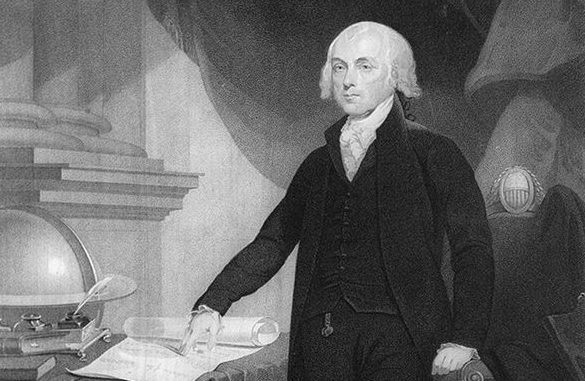
James Madison and the Balance of Power

mashupch.com – James Madison, one of the most influential figures in the early history of the United States, played a pivotal role in shaping the framework of the nation’s government. Known as the “Father of the Constitution,” Madison’s intellectual and political contributions were central to the development of the U.S. political system, especially regarding the balance of power between the federal government and the states, as well as the balance among the three branches of government. Madison’s ideas on the balance of power not only shaped the drafting of the Constitution but also informed his views and actions throughout his career, from his role in the creation of the federal government to his leadership as president.

At the heart of Madison’s political philosophy was his belief in the necessity of balancing competing interests within society to prevent any one group or entity from gaining too much power. This philosophy was central to his ideas about the role of government, which he believed should be structured in such a way as to avoid tyranny while ensuring that government could function effectively. Madison’s vision of government was built around the principle of checks and balances, a system that would help ensure no one faction or branch of government could dominate the others.

This article delves into Madison’s thinking about the balance of power, exploring how his views shaped the U.S. Constitution, the Federalist Papers, and his presidency. From his early experiences with the weaknesses of the Articles of Confederation to his leadership during the War of 1812, Madison’s efforts to strike a balance between federal and state power and among the branches of government left an enduring mark on American political thought.

Early Political Thought and the Articles of Confederation

Madison’s path to his understanding of the balance of power was shaped by his early experiences as a student of political philosophy and his involvement in the fledgling government of the United States. Born in 1751, Madison was educated in the principles of the Enlightenment, particularly the writings of thinkers such as John Locke, Montesquieu, and Rousseau. These philosophers emphasized the need for government to prevent the concentration of power and to protect individual liberty, ideas that would heavily influence Madison’s own beliefs.

When the American Revolution concluded, the newly independent states were bound together by the Articles of Confederation, a document that created a very weak central government. The Articles of Confederation reflected the wariness of many Americans about a strong central authority, having just fought a war against British tyranny. Under the Articles, the federal government lacked the power to tax, regulate trade, or maintain a standing army. This created numerous challenges for the new nation, including financial instability, difficulty in resolving interstate disputes, and a lack of cohesion in foreign policy.

Madison, having observed these weaknesses firsthand during his time in the Virginia legislature, became increasingly convinced that a stronger central government was necessary to maintain order and preserve the republic. He recognized that the Articles of Confederation were insufficient in balancing the interests of a growing nation, and that an effective government would need a more powerful federal system that could act decisively while still protecting the rights of states and citizens.

The Constitutional Convention: A Blueprint for Balance

Madison’s involvement in the Constitutional Convention of 1787 marked the beginning of his efforts to create a balanced government that could address the flaws of the Articles of Confederation. At the Convention, Madison was one of the leading voices advocating for a stronger central government that would be capable of addressing the country’s problems, but he also understood the need to limit that government’s power to avoid the potential for tyranny.

Madison’s contributions to the Constitutional Convention were foundational. He introduced the Virginia Plan, which called for a strong central government with three branches: executive, legislative, and judicial. The plan also proposed a bicameral legislature, with one house representing the people (based on population) and the other representing the states (with equal representation). This structure was designed to balance the needs of larger states with those of smaller states, preventing one group from dominating the others.

One of Madison’s central concerns during the Convention was ensuring that the new government had enough authority to govern effectively without becoming tyrannical. He argued that the best way to prevent any one group from becoming too powerful was by creating a system of checks and balances, where each branch of government would have the ability to limit the power of the others. This principle of separation of powers was designed to create a structure where the different branches—executive, legislative, and judicial—could provide oversight of one another, thus preventing any one branch from becoming dominant.

Madison also recognized the importance of limiting the power of the federal government over the states. He believed that the states should retain significant authority, particularly over matters not explicitly granted to the federal government. This idea of federalism, which balanced the powers of the central government with those of the states, was a crucial component of the Constitution.

While the final Constitution was a product of numerous compromises, Madison’s vision of a balanced government—one with a strong federal government that could govern effectively, while also protecting individual liberties and ensuring that no one faction could dominate—was largely realized.

The Federalist Papers: Explaining and Defending the Balance of Power

Once the Constitution was drafted, it faced strong opposition from many quarters. The Anti-Federalists feared that the new system of government would concentrate too much power in the hands of the federal government, at the expense of the states and individual rights. In response to these concerns, Madison, along with Alexander Hamilton and John Jay, wrote a series of essays known as the Federalist Papers. These essays aimed to explain the principles behind the Constitution and persuade the public to support its ratification.

In these essays, Madison addressed many of the fears raised by the Anti-Federalists, particularly the concern that the federal government would become too powerful. In Federalist No. 10, Madison argued that a large republic, with its diversity of factions and interests, would prevent any single group from gaining too much power. He argued that the extended republic created by the Constitution would dilute the influence of any one faction, ensuring that no group could dominate the political system.

In Federalist No. 51, Madison further developed his theory of checks and balances, explaining that the Constitution’s separation of powers would prevent any one branch of government from becoming too powerful. Madison argued that each branch of government would be able to check the others, creating a system of accountability that would ensure that power was not concentrated in any one entity. He also argued that the structure of the government, by dividing power between the federal government and the states, would help prevent the abuse of power and protect individual liberty.

The Federalist Papers were crucial in securing the ratification of the Constitution, as they helped to clarify the intent behind the document’s provisions. Madison’s arguments about the need for a balanced government—one that prevented the concentration of power while still being strong enough to govern effectively—became a foundational aspect of American political thought.

The Bill of Rights: Adding Safeguards to the Balance of Power

Although the Constitution established a system of government that Madison believed would balance power and protect individual liberty, many Americans were still concerned that it lacked explicit protections for personal freedoms. During the ratification debates, the Anti-Federalists argued that the absence of a Bill of Rights left citizens vulnerable to government overreach.

Initially, Madison was opposed to the idea of a Bill of Rights, believing that the Constitution itself was sufficient in protecting individual liberties. However, after the Constitution’s ratification, Madison came to recognize the political importance of adding such protections. In 1789, as a member of the House of Representatives, Madison introduced a series of amendments to the Constitution that would become the Bill of Rights. These ten amendments were ratified in 1791 and provided essential protections for individual freedoms, including the right to free speech, freedom of religion, and protection against unreasonable searches and seizures.

The Bill of Rights was a critical addition to the Constitution, as it helped to reassure the public that the government would not overstep its bounds and that individual rights would be safeguarded. It also reinforced the balance of power between the government and the people, ensuring that the federal government’s power was limited by explicit constitutional protections.

Madison’s Presidency and the Continuing Struggle for Balance

Madison’s presidency (1809–1817) was marked by continued efforts to balance the power of the federal government with the rights of the states and the people. One of the most significant challenges of his presidency was the War of 1812, which tested the nation’s resolve and the strength of the federal government.

Madison’s leadership during the war highlighted the tensions between federal authority and states’ rights. Many states, particularly those in the Northeast, opposed the war and feared its economic consequences. Yet Madison, determined to maintain national sovereignty and defend the nation’s interests, believed that the federal government had a duty to act decisively in the face of foreign threats. The war ultimately proved to be a difficult and divisive conflict, but it also reinforced the importance of a strong central government in maintaining national unity and security.

During his presidency, Madison also confronted questions about the role of the federal government in the economy. He supported the establishment of the Second Bank of the United States and promoted internal improvements, such as infrastructure projects, that would help strengthen the nation’s economy. However, his views on the role of government in economic affairs were often influenced by his belief in limiting federal power and preserving the rights of the states.

Conclusion: The Enduring Legacy of Madison’s Balance of Power

James Madison’s vision of government was built on the fundamental idea that power should be balanced and divided to prevent any one group or entity from dominating. His ideas on the balance of power between the federal government and the states, as well as between the branches of government, were central to the creation of the U.S. Constitution and continue to influence American political thought today.

Madison’s contributions to the Federalist Papers, his support for the Bill of Rights, and his leadership during his presidency all reflect his ongoing commitment to ensuring that the United States would be governed by a system of checks and balances. His belief in a balanced government, where power is both distributed and limited, remains a cornerstone of American democracy.

Madison’s legacy as the “Father of the Constitution” endures, as his vision for a government that could effectively balance the competing demands of federal power, state authority, and individual rights continues to shape the political landscape of the United States. Through his work, Madison established the foundational principles that would guide the nation for centuries to come.

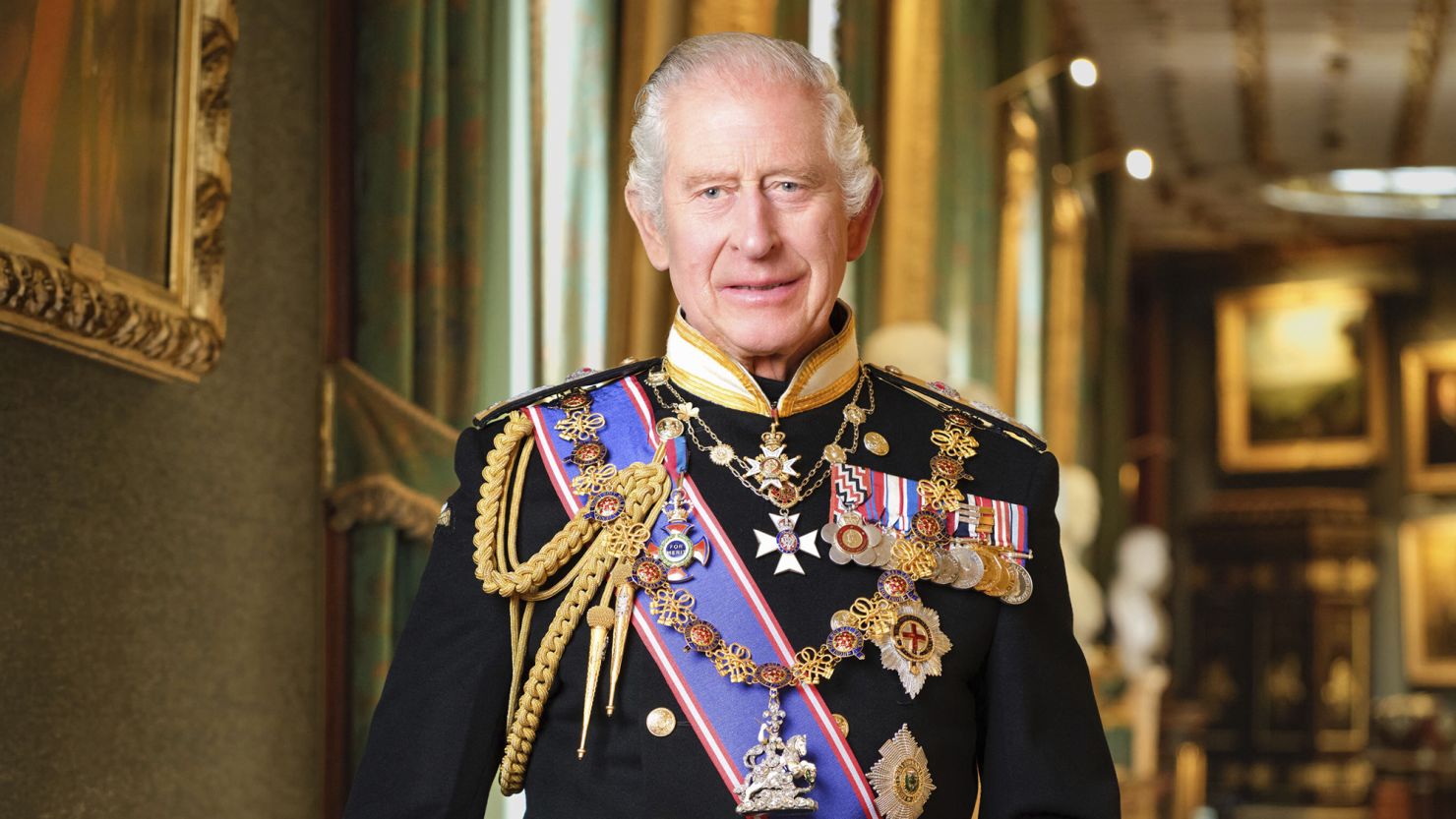
King Charles III – The Reigning Monarch and His Early Life

mashupch.com – King Charles III, the current monarch of the United Kingdom, ascended the throne following the passing of his mother, Queen Elizabeth II, in September 2022. His reign marks a significant chapter in the British royal family’s history, and his leadership is already shaping the future of the monarchy.

Early Life and Background

Born Charles Philip Arthur George on November 14, 1948, at Buckingham Palace, the eldest son of Queen Elizabeth II and Prince Philip, Duke of Edinburgh, Charles became the heir apparent to the British throne from the moment of his birth. His early life was marked by the profound influence of his mother and the significant role he would later take in public life.

Education and Early Interests

Charles was educated at various schools, including Gordonstoun School in Scotland, a prestigious institution where he developed a strong sense of discipline and responsibility. He later attended the University of Cambridge, where he studied anthropology, archaeology, and history, an education that would later inform his broad range of interests in various fields such as the environment and architecture.

The Prince of Wales

Before becoming King, Charles held the title of Prince of Wales for many decades. He dedicated much of his life to supporting various causes and initiatives through his charitable organization, The Prince’s Trust, which he founded in 1976. His advocacy for environmental conservation, sustainability, and interfaith dialogue has made him a well-known figure on the global stage.

Royal Duties and Public Engagement

Throughout his years as Prince of Wales, Charles performed numerous royal duties, attending state functions and representing the monarchy worldwide. His work was recognized for its focus on important global issues, from climate change to urban development. He became a respected voice for sustainability, often championing innovative solutions to modern-day challenges.

Ascension to the Throne

Following the death of his mother, Queen Elizabeth II, in September 2022, Charles ascended to the throne as King Charles III. His coronation was held in May 2023, marking the beginning of a new era for the British monarchy. As monarch, King Charles III faces the challenge of modernizing the institution while retaining its traditions and ceremonial aspects that have long defined the royal family.

A New Approach to the Monarchy

As King, Charles is already making his mark by focusing on causes close to his heart, such as climate change, social justice, and international relations. His approach to monarchy is seen as more modern and inclusive, with an emphasis on maintaining relevance in a rapidly changing world.

King Charles III is also expected to continue to support the Commonwealth, ensuring that the British monarchy remains a unifying force for countries that share historical ties to the United Kingdom. His reign promises to be one of continuity, yet also transformation as he balances the role of traditional monarch with a modern visionary.

Conclusion

King Charles III, having dedicated much of his life to public service and advocacy, is now leading the British monarchy through a period of change and evolution. As he navigates the challenges of modern leadership while respecting the legacy of his predecessors, his reign is likely to leave an indelible mark on both the United Kingdom and the wider world.

The Importance of Early Childhood Education

mashupch.com – Early childhood education (ECE) is a critical phase in a child’s development, laying the groundwork for future academic success and social-emotional well-being. During these formative years, children are highly receptive to learning, and the experiences they have can shape their cognitive, emotional, and physical development. This article explores the multifaceted importance of early childhood education and its role in laying the foundations for a child’s future.

Cognitive Development

Early childhood education plays a pivotal role in fostering cognitive development. Through structured activities and play, children learn to think critically, solve problems, and develop language skills. These foundational skills are essential for later academic success, as they enable children to understand and process new information more effectively.

Social and Emotional Development

ECE also focuses on social and emotional development, teaching children how to interact with others, express their feelings, and develop empathy. These skills are crucial for building positive relationships and navigating social situations, both in school and in life. By learning to manage their emotions and communicate effectively, children are better equipped to handle the challenges they will face as they grow.

Physical Development

Physical development is another key aspect of early childhood education. Through activities that promote motor skills, children develop coordination, balance, and strength. These activities not only contribute to their physical health but also enhance their cognitive abilities, as physical exercise has been shown to improve brain function and cognitive performance.

Preparation for Formal Education

Early childhood education serves as a bridge to formal education, preparing children for the structure and expectations of school. By introducing basic academic concepts and routines, ECE helps children transition more smoothly into kindergarten and beyond. This early preparation can lead to better academic performance and higher rates of school completion.

Reducing Inequalities

Access to quality early childhood education can help reduce educational inequalities by providing all children with the opportunity to develop the skills they need to succeed. This is particularly important for children from disadvantaged backgrounds, who may not have the same learning opportunities at home.

Conclusion

The importance of early childhood education cannot be overstated. By laying the foundations for cognitive, social, emotional, and physical development, ECE sets the stage for a child’s future success. Investing in quality early childhood education is an investment in our children’s potential and in the future of our society. As we continue to recognize the value of these early years, we must strive to ensure that all children have access to the high-quality early education they deserve.