
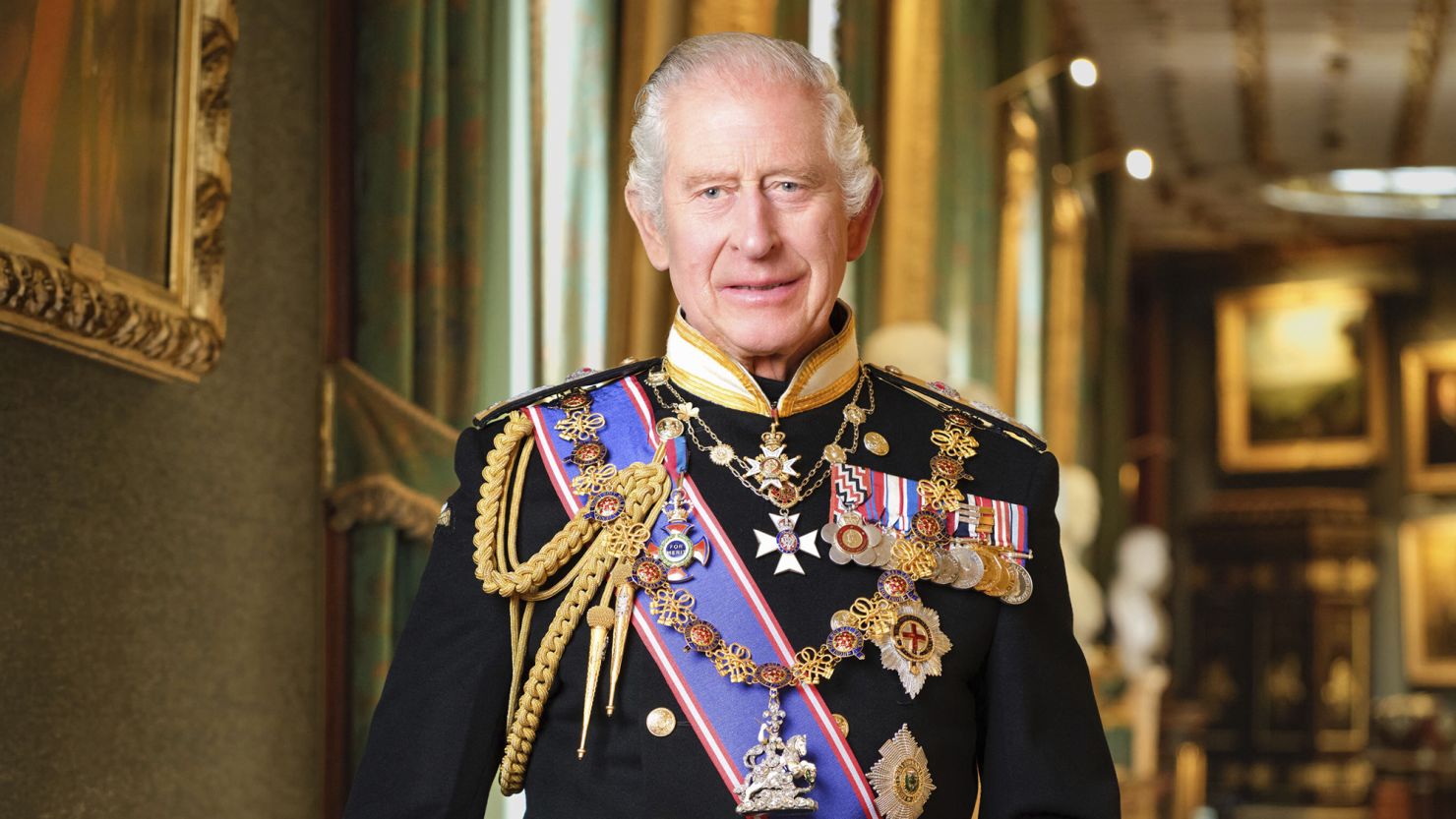
mashupch.com – King Charles III, the current monarch of the United Kingdom, ascended the throne following the passing of his mother, Queen Elizabeth II, in September 2022. His reign marks a significant chapter in the British royal family’s history, and his leadership is already shaping the future of the monarchy.
Early Life and Background
Born Charles Philip Arthur George on November 14, 1948, at Buckingham Palace, the eldest son of Queen Elizabeth II and Prince Philip, Duke of Edinburgh, Charles became the heir apparent to the British throne from the moment of his birth. His early life was marked by the profound influence of his mother and the significant role he would later take in public life.
Education and Early Interests
Charles was educated at various schools, including Gordonstoun School in Scotland, a prestigious institution where he developed a strong sense of discipline and responsibility. He later attended the University of Cambridge, where he studied anthropology, archaeology, and history, an education that would later inform his broad range of interests in various fields such as the environment and architecture.
The Prince of Wales
Before becoming King, Charles held the title of Prince of Wales for many decades. He dedicated much of his life to supporting various causes and initiatives through his charitable organization, The Prince’s Trust, which he founded in 1976. His advocacy for environmental conservation, sustainability, and interfaith dialogue has made him a well-known figure on the global stage.
Royal Duties and Public Engagement
Throughout his years as Prince of Wales, Charles performed numerous royal duties, attending state functions and representing the monarchy worldwide. His work was recognized for its focus on important global issues, from climate change to urban development. He became a respected voice for sustainability, often championing innovative solutions to modern-day challenges.
Ascension to the Throne
Following the death of his mother, Queen Elizabeth II, in September 2022, Charles ascended to the throne as King Charles III. His coronation was held in May 2023, marking the beginning of a new era for the British monarchy. As monarch, King Charles III faces the challenge of modernizing the institution while retaining its traditions and ceremonial aspects that have long defined the royal family.
A New Approach to the Monarchy
As King, Charles is already making his mark by focusing on causes close to his heart, such as climate change, social justice, and international relations. His approach to monarchy is seen as more modern and inclusive, with an emphasis on maintaining relevance in a rapidly changing world.
King Charles III is also expected to continue to support the Commonwealth, ensuring that the British monarchy remains a unifying force for countries that share historical ties to the United Kingdom. His reign promises to be one of continuity, yet also transformation as he balances the role of traditional monarch with a modern visionary.
Conclusion
King Charles III, having dedicated much of his life to public service and advocacy, is now leading the British monarchy through a period of change and evolution. As he navigates the challenges of modern leadership while respecting the legacy of his predecessors, his reign is likely to leave an indelible mark on both the United Kingdom and the wider world.