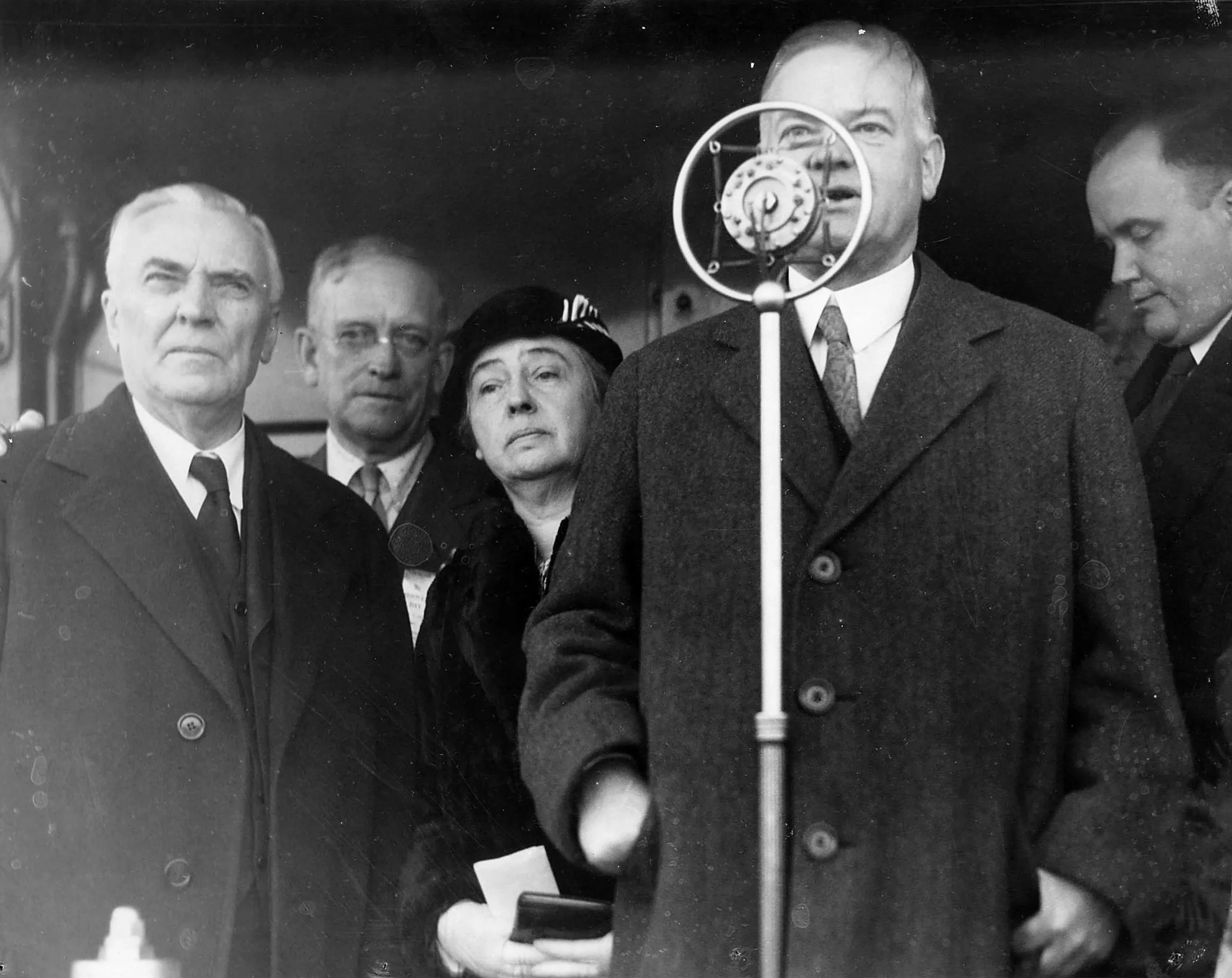
The Life of Herbert Hoover: From Engineer to Commander in Chief

mashupch.com – Herbert Hoover, the 31st President of the United States, holds a unique place in American history. Though his presidency is often remembered for the economic challenges of the Great Depression, Hoover’s life story is far more complex and compelling. Before ascending to the presidency, Hoover had a remarkable career as an engineer, businessman, and humanitarian, making significant contributions to global relief efforts and earning a reputation as a skilled administrator. His transition from an engineer to the Commander in Chief is one of the most intriguing aspects of his life and legacy.

This article will explore the multifaceted life of Herbert Hoover, from his early years as an engineer to his unexpected path to the presidency and the challenges he faced during his time in office.

Early Life and the Formative Years of Herbert Hoover

Herbert Clark Hoover was born on August 10, 1874, in West Branch, Iowa, to a Quaker family. His parents, Jessie and H.J. Hoover, were devout members of the Religious Society of Friends, and Hoover’s early upbringing instilled in him values of simplicity, hard work, and a deep sense of social responsibility. However, Hoover’s early life was marred by personal tragedy. His father, a blacksmith, died of cancer when Hoover was just 6 years old, and his mother passed away when he was only 9. Hoover was sent to live with various relatives after his parents’ deaths, a situation that shaped his independent character.

Despite these early hardships, Hoover excelled in school and was determined to make something of himself. He eventually attended Stanford University, where he studied geology and engineering. Graduating in 1895 with a degree in geology, Hoover’s education laid the foundation for a successful career that would see him travel the globe.

A Career as an Engineer: From Mining to Global Impact

After graduation, Hoover embarked on a career in mining engineering, a field that would bring him both wealth and recognition. His work took him to various parts of the world, including China, Australia, and South Africa, where he worked as a mining consultant for several companies. Hoover’s expertise in geology and engineering allowed him to secure lucrative contracts, and by the early 1900s, he was financially successful. However, it was not just his technical expertise that made Hoover stand out; his ability to manage large, complex projects and organize diverse teams of workers became one of his hallmarks.

Global Adventures and Building a Reputation

During his time in China, Hoover experienced the Boxer Rebellion, a violent anti-foreign uprising in 1900. Although he was caught up in the chaos, Hoover’s calm and methodical approach helped him to manage the situation and safeguard American and European interests in the region. His ability to handle crisis situations further cemented his reputation as a capable and resilient leader.

By 1908, Hoover had amassed considerable wealth and a stellar reputation in the mining industry. He made a fortune from his work in the Philippines, Australia, and South Africa, but it was not just wealth that motivated him. Hoover’s passion for improving the world around him led him to focus increasingly on humanitarian efforts, and it was in this area that he would make some of his most significant contributions.

A Humanitarian Leader: Hoover’s Role in World War I

Herbert Hoover’s rise to prominence as a public figure came not through his engineering work, but through his extraordinary efforts during and after World War I. When the war broke out in 1914, Hoover was already well known in business circles, but his true calling as a humanitarian began to take shape.

Organizing Relief for Belgium

In 1914, as World War I began, Hoover was living in London with his wife, Lou Henry Hoover. When Germany invaded Belgium, the country was faced with widespread starvation as the occupying forces stripped the land of its food resources. Hoover took it upon himself to organize a relief effort to provide food and supplies to the beleaguered Belgian population. He led the Commission for Relief in Belgium, a private relief organization that coordinated international aid to feed millions of Belgian civilians.

Under Hoover’s leadership, the Commission was able to raise substantial amounts of money and deliver aid to those in need. This effort was so successful that it earned Hoover international acclaim. His reputation as a humanitarian and a skilled administrator grew, and he became known as “The Great Humanitarian.”

Expanding Humanitarian Efforts

After the war, Hoover’s focus on humanitarian work intensified. He became the head of the American Relief Administration (ARA), an organization that provided food to war-torn Europe. The ARA helped feed millions of people in countries such as Poland, Austria, and Germany, and Hoover’s careful management of these relief efforts earned him widespread respect and admiration. In total, Hoover’s relief organizations helped save more than 20 million lives during the course of the war and its aftermath.

Hoover’s success in organizing and administering large-scale humanitarian operations set the stage for his future political career. His efforts were so impressive that even foreign governments sought his help in managing their crises. His organizational skills, ability to manage large teams, and unrelenting drive to alleviate human suffering would later play an essential role in his rise to the presidency.

Transition to Politics: From Business to Public Service

Despite his success in the private sector, Hoover was increasingly drawn to public service. His political career began in earnest when he was appointed as Secretary of Commerce by President Warren G. Harding in 1921. Hoover’s record as a skilled administrator and his reputation as a reformer made him an ideal choice for the role.

Secretary of Commerce: A Vision for Prosperity

As Secretary of Commerce, Hoover focused on improving the efficiency of American industries and expanding the nation’s infrastructure. He believed that government should play a role in fostering economic growth, but he also believed that businesses and industries should be free to innovate and thrive on their own. Hoover worked to modernize industries such as transportation, aviation, and communication, and he championed efforts to regulate the emerging radio industry.

Hoover’s vision for the future of the U.S. economy was based on the idea of cooperation between government, business, and labor. He believed that by encouraging collaboration, America could achieve unprecedented levels of prosperity. His time as Secretary of Commerce was marked by an optimistic belief in the potential for progress, and Hoover was widely seen as a forward-thinking leader.

The Presidency: Herbert Hoover’s Time in the White House

In 1928, Hoover was elected President of the United States, succeeding Calvin Coolidge. Hoover’s campaign was built on a platform of continued prosperity, and he promised to bring “a chicken in every pot and a car in every garage.” His optimism about the future of the nation was palpable, but his presidency was soon to be overshadowed by one of the greatest economic crises in American history.

The Great Depression

Just eight months after Hoover took office, the stock market crash of 1929 triggered the Great Depression, a catastrophic economic downturn that would last for more than a decade. The depression led to mass unemployment, widespread poverty, and a general sense of hopelessness across the United States. Hoover’s belief in limited government intervention and his commitment to self-reliance initially led him to take a hands-off approach to the crisis. He believed that the economy would naturally recover through individual initiative and local aid, but as conditions worsened, it became clear that more direct government intervention was needed.

Efforts to Combat the Depression

In response to the growing crisis, Hoover advocated for several measures to address the economic collapse. He pushed for public works programs, such as the construction of the Hoover Dam, to create jobs and stimulate the economy. He also supported the creation of the Reconstruction Finance Corporation (RFC), which provided loans to banks, businesses, and state governments in an effort to stabilize the economy.

However, Hoover’s policies were widely criticized as insufficient, and his inability to prevent the worsening of the Depression led to a decline in his popularity. By 1932, when he ran for re-election, the American people had grown disillusioned with his leadership. Hoover was defeated in a landslide by Franklin D. Roosevelt, who promised a New Deal to combat the Depression.

Post-Presidency: A Return to Public Service

After leaving the White House, Hoover largely withdrew from politics but continued to serve the public in various capacities. He remained active in humanitarian efforts, particularly in Europe, where he helped provide food and relief during World War II. Hoover also worked on various commissions and wrote extensively, offering his thoughts on government and politics.

His post-presidential years saw him attempt to rebuild his reputation as a competent and compassionate leader. Hoover remained engaged with global issues, providing guidance on matters of public policy and continuing to advocate for the values of self-reliance and voluntary cooperation.

Legacy: From Engineer to Commander in Chief

Herbert Hoover’s life journey—from a young mining engineer to a humanitarian leader, to the President of the United States—was one of remarkable achievement and complexity. Although his presidency was defined by the Great Depression, Hoover’s earlier efforts in humanitarian relief and his vision for a prosperous America continue to shape his legacy. His ability to transition from the world of business and engineering to the highest office in the land remains a testament to his adaptability, leadership, and dedication to public service.

Though his time in office was difficult, Hoover’s life story is a testament to the power of innovation, service, and the desire to improve the human condition. From his humble beginnings in Iowa to his role as Commander in Chief, Hoover’s path to the presidency was as remarkable as it was unexpected.
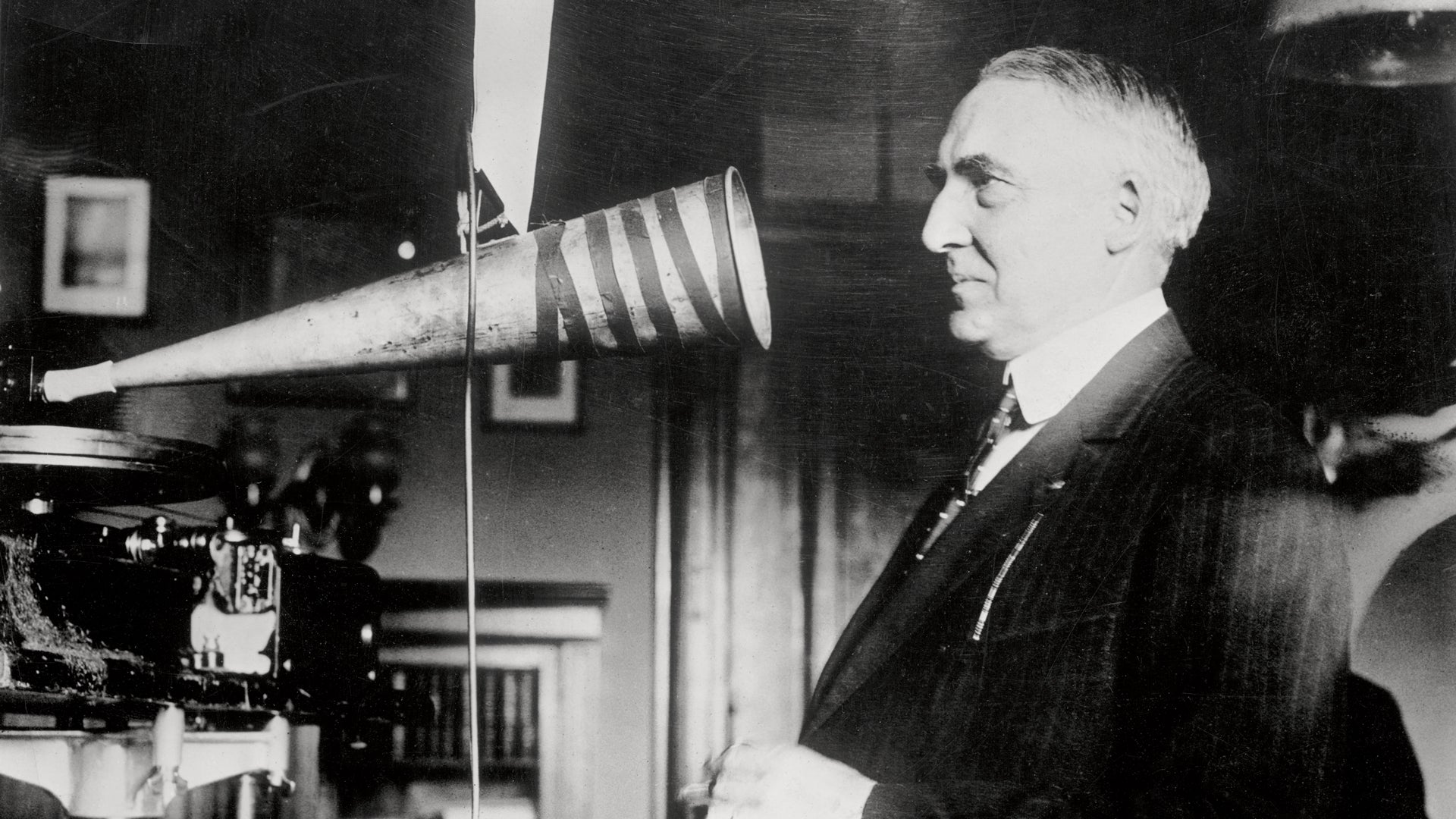
The Rise and Fall of Warren G. Harding – Early Life and Career

mashupch.com – Warren G. Harding, the 29th President of the United States, remains one of the most enigmatic figures in American political history. His rise to power is a story of political opportunism and careful strategizing, while his fall from grace is defined by scandal, corruption, and an untimely death. Harding’s presidency, though brief, continues to be studied as an example of both the possibilities and the dangers of leadership. From his humble beginnings to his meteoric rise to the White House and his dramatic fall, the life and legacy of Warren G. Harding are filled with complexity.

Early Life and Career

Humble Beginnings and Personal Life

Warren Gamaliel Harding was born on November 2, 1865, in Blooming Grove, Ohio, to a family of modest means. His father, George, was a physician and farmer, while his mother, Phoebe, was an influential figure in his early life. Growing up in rural Ohio, Harding experienced the challenges of frontier life, but his family valued education, which led him to attend Ohio Central College in Iberia, Ohio.

Harding’s early academic performance was unremarkable, but his interest in the world of journalism was already beginning to take shape. After graduating from college, he worked for local newspapers and eventually took control of the Marion Daily Star in 1884. As the owner and publisher of the paper, Harding developed an understanding of the power of the media in shaping public opinion. His journalistic career also helped him develop the skills necessary for political success, including persuasion, communication, and networking.

Entry into Politics

Harding’s entry into politics came relatively late in his life. After years of building a reputation as a businessman and community leader, he ran for public office in 1900 and was elected to the Ohio State Senate. Harding’s political career progressed steadily, and he earned a reputation as a moderate, pragmatic politician who was able to work across party lines. He served as Lieutenant Governor of Ohio from 1904 to 1906, and in 1914, he was elected as a U.S. Senator from Ohio.

Harding’s career as a senator was largely uneventful, but he was able to cultivate relationships with key political figures, which would later help him when he sought national office. It was during his time as a senator that Harding first began to position himself for higher office. His appeal was that of a man of the people, who would promise a return to “normalcy” after the social upheavals of the Progressive Era and World War I.

The Road to the White House

The 1920 Republican Nomination

The 1920 Republican National Convention was a turning point in Harding’s political career. At the time, the Republican Party was divided between progressive and conservative factions, and no clear frontrunner had emerged for the presidential nomination. Harding, who had not initially been considered a leading candidate, emerged as a compromise choice. His moderate, pro-business platform and calm demeanor made him appealing to delegates who were looking for a candidate to unify the party and appeal to a post-war electorate.

Harding’s nomination was achieved through backroom deals and political maneuvering. His campaign slogan, “A return to normalcy,” resonated with a war-weary America that longed for a return to peace and prosperity after the First World War. Harding’s emphasis on economic stability, limited government intervention, and a focus on domestic issues helped him secure the Republican nomination. His campaign was largely shaped by his advisors and political allies, including his campaign manager, Harry Daugherty.

The 1920 Election and Victory

In the general election of 1920, Harding faced Democratic nominee James M. Cox, who had served as governor of Ohio and was a strong advocate for the progressive reforms of the era. The election was largely shaped by the public’s desire to move away from the turmoil of the World War I era and the progressive policies of the Wilson administration. Harding’s call for a return to normalcy was a direct appeal to voters who were tired of the changes and challenges brought about by the war.

Harding won the election by a landslide, receiving over 60% of the popular vote and a commanding electoral victory. His win was seen as a rejection of the progressive policies of the previous decade, and it marked the beginning of a conservative era in American politics. Harding’s victory was also significant because it reflected the growing influence of the “silent majority” of Americans, those who were not necessarily vocal in their political opinions but who preferred stability and prosperity.

The Harding Presidency: High Hopes and Early Successes

Economic Policies and the “Return to Normalcy”

Upon taking office in March 1921, Harding moved quickly to implement his vision for America. One of the central tenets of his campaign had been to restore economic stability to a country that had been ravaged by the war and by progressive reforms. Harding was a staunch advocate for business interests, and his administration pursued policies aimed at reducing government intervention in the economy.

One of his first acts as president was to push for a reduction in taxes. The Revenue Act of 1921 was designed to cut taxes on both individuals and corporations, with the belief that lower taxes would stimulate business investment and promote economic growth. The tax cuts, which reduced the top income tax rate from 73% to 58%, were aimed at fostering a climate of business confidence and prosperity.

Additionally, Harding’s administration worked to reduce government spending and balance the budget, which had ballooned during World War I. Through a combination of cuts in military and domestic spending, the Harding administration managed to achieve a budget surplus by 1922, something that had not been seen in years. These fiscal policies laid the foundation for the economic boom of the 1920s, a period that would be characterized by rapid industrial growth, rising stock prices, and increasing consumer demand.

Foreign Policy: Isolationism and Diplomacy

In foreign affairs, Harding pursued a policy of isolationism, reflecting the general sentiment of Americans who were weary of international entanglements following World War I. Harding sought to avoid further involvement in European conflicts and instead focused on strengthening diplomatic ties with other nations. One of his most notable achievements in foreign policy was the Washington Naval Conference of 1921-1922, which brought together the major naval powers of the world to discuss arms limitation and disarmament.

The conference resulted in a series of treaties that limited the size of naval fleets and aimed to prevent an arms race. The agreements reached at the Washington Naval Conference helped to reduce tensions between the United States, the United Kingdom, Japan, and other major powers, although the long-term effectiveness of these treaties would later be questioned. Harding also supported the Kellogg-Briand Pact of 1928, which sought to outlaw war as a means of resolving international disputes, although the pact ultimately proved ineffective in preventing future conflicts.

The Fall of Warren G. Harding: Scandals and Corruption

The Teapot Dome Scandal

Despite his early successes, Harding’s presidency was soon overshadowed by scandal. The most significant of these was the Teapot Dome scandal, which involved the illegal leasing of federal oil reserves in Wyoming and California. The scandal revolved around the actions of Harding’s Secretary of the Interior, Albert Fall, who secretly leased the reserves to private oil companies in exchange for bribes.

The Teapot Dome scandal was a major blow to Harding’s administration and reputation. While Harding himself was not directly implicated in the scandal, the affair exposed corruption within his cabinet and raised questions about his leadership. Fall was later convicted of bribery and sentenced to prison, and the scandal became a symbol of the corruption that marred Harding’s time in office.

Other Scandals and Harding’s Health

In addition to Teapot Dome, Harding’s administration was plagued by other scandals, including the involvement of several high-ranking officials in illegal activities and financial corruption. The President’s refusal to take decisive action against these scandals contributed to a growing perception of incompetence within his administration.

Furthermore, Harding’s health began to deteriorate during his presidency. He suffered from various health problems, including heart issues, and his physical decline became more apparent as time went on. In August 1923, while on a cross-country tour in California, Harding collapsed and died suddenly of a heart attack at the age of 57. His death was met with shock and left many questions about the direction his presidency would have taken.

Conclusion: A Complex Legacy

Warren G. Harding’s rise to the presidency was the result of political savvy, careful positioning, and a carefully crafted image as a man who would restore normalcy after the upheaval of the Progressive Era and World War I. His early successes in office, particularly his economic policies and diplomatic efforts, seemed to promise a bright future for his administration. However, his presidency was ultimately undone by corruption, scandal, and his inability to address the ethical lapses within his administration.

Harding’s untimely death left many of the questions surrounding his presidency unanswered, and his legacy remains one of contradictions. While his economic policies laid the groundwork for the prosperity of the 1920s, the corruption of his cabinet members, particularly in the Teapot Dome scandal, tainted his reputation. As a result, Harding’s rise and fall serve as a reminder of the complexities of political leadership and the lasting impact that scandals can have on a president’s legacy.

William McKinley: The Forgotten President – Early Life

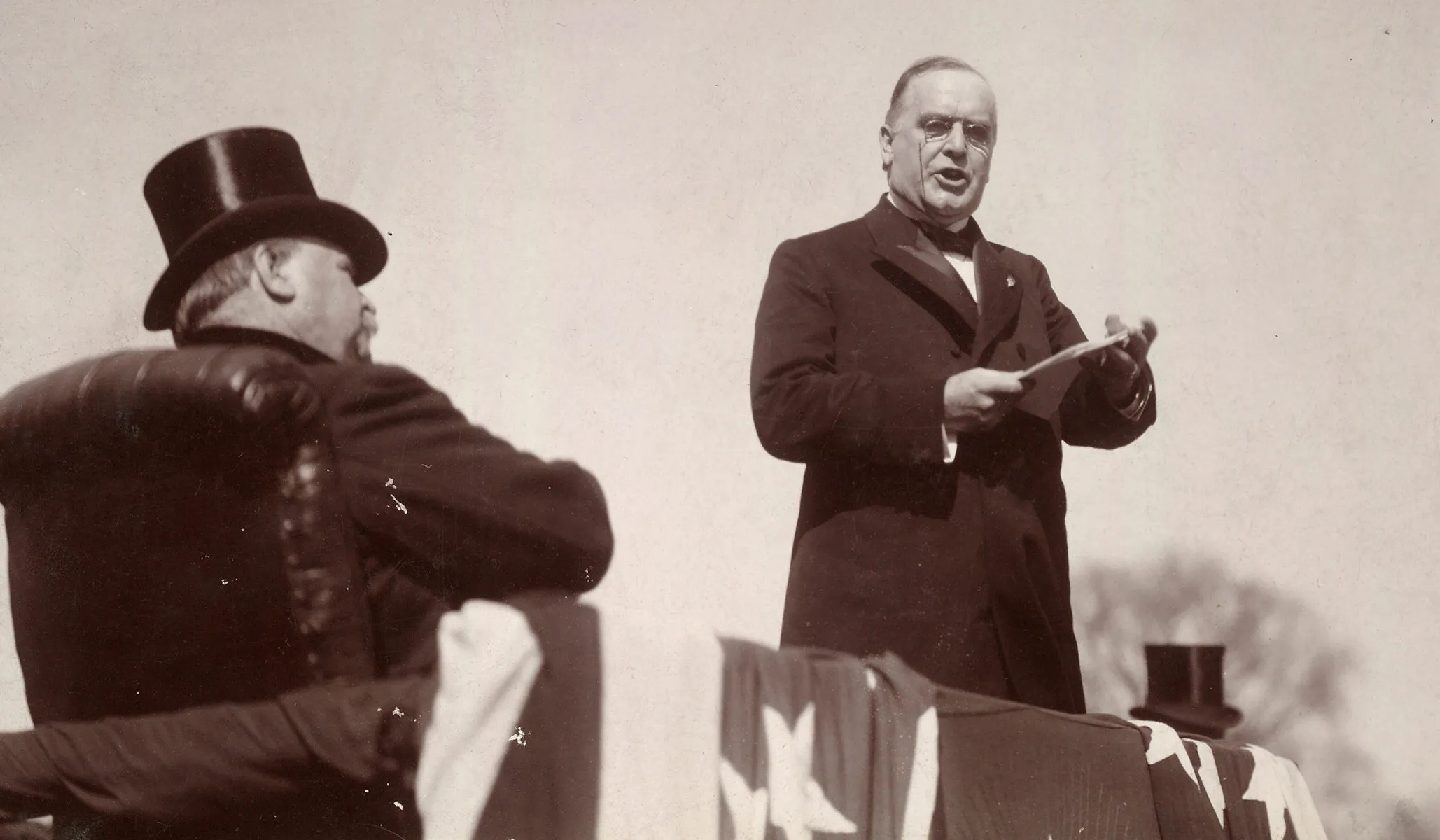
mashupch.com – William McKinley, the 25th President of the United States, is often overlooked in the pantheon of American leaders. While presidents like Abraham Lincoln, Theodore Roosevelt, and Franklin D. Roosevelt dominate discussions in American history, McKinley’s tenure is frequently relegated to the background. However, his presidency—though sometimes overshadowed by the larger-than-life figures that followed and preceded him—played a crucial role in shaping the United States during a time of significant transformation. This article seeks to bring McKinley’s presidency into sharper focus, exploring the circumstances that defined his leadership, the policies he championed, and the legacy he left behind.

Early Life and Political Beginnings

A Modest Start

Born on January 29, 1843, in Niles, Ohio, William McKinley grew up in a working-class family with strong Methodist beliefs. His father, William McKinley Sr., was a businessman, and his mother, Nancy Allison McKinley, was a devout homemaker. McKinley had a modest, yet supportive, upbringing that instilled in him a deep sense of duty, discipline, and patriotism. His education began at public schools, and later, he attended Allegheny College in Meadville, Pennsylvania. However, his college years were interrupted by illness, and he ultimately did not graduate.

Civil War Service

McKinley’s sense of duty led him to join the Union Army during the American Civil War. At the age of 18, he enlisted as a private in the 23rd Ohio Volunteer Infantry. Throughout the war, McKinley proved his mettle, quickly rising through the ranks to the position of major, a testament to his leadership and bravery. He participated in numerous significant battles, including the Battle of Antietam, where he showed remarkable courage and leadership under fire. His wartime service would influence much of his political career, as McKinley often invoked his military experiences to connect with voters, especially during times of national crisis.

Political Rise

After the war, McKinley returned to Ohio and pursued a career in law, while also entering politics. His initial political foray came when he was elected to the U.S. House of Representatives in 1876. Over the next decade, McKinley established himself as a staunch advocate for protective tariffs, which aimed to shield American manufacturers from foreign competition. His position on tariffs earned him the reputation of a defender of American industry, a key part of his political identity. In 1892, McKinley was elected governor of Ohio, where he focused on economic recovery, fiscal discipline, and supporting industrial development. His successes at the state level set the stage for his bid for the presidency in 1896.

The Election of 1896: McKinley’s Path to the White House

The Political Landscape

The 1896 presidential election was a pivotal moment in American history. The nation was in the midst of a severe economic depression, the worst since the Civil War, and issues such as the gold standard and the silver question dominated political discourse. On one side stood William Jennings Bryan, a charismatic and populist figure who advocated for the free coinage of silver, which he believed would help farmers and working-class Americans. On the other was William McKinley, who supported the gold standard and a pro-business platform. McKinley’s focus on restoring economic stability and promoting industrial growth made him the candidate of the Republican Party.

The Campaign

McKinley’s 1896 campaign was notably different from those of his predecessors. Rather than embarking on an exhausting whistle-stop tour, McKinley conducted what became known as a “front porch” campaign. From his home in Canton, Ohio, he gave speeches and hosted rallies, appealing directly to voters. His campaign was well-organized, largely funded by business interests, and aimed at presenting McKinley as the candidate who could bring stability to a nation plagued by economic uncertainty. Bryan, in contrast, crisscrossed the country, delivering impassioned speeches in support of silver and populist reforms. Ultimately, McKinley won the election with 271 electoral votes to Bryan’s 176, marking the beginning of a transformative era in U.S. politics.

McKinley’s Presidency: A Critical Period in American History

The Dingley Tariff and Economic Stabilization

McKinley’s presidency began at a time when the nation was reeling from the effects of the 1893 depression. The economy was fragile, and industrialists, farmers, and workers were facing significant challenges. McKinley’s response to the economic crisis was the Dingley Tariff of 1897, which raised tariffs on imported goods to protect American businesses. The tariff was a direct response to growing foreign competition and the economic discontent that had swept the nation. Though it was controversial, the tariff helped stabilize the U.S. economy and encouraged industrial growth, particularly in the Northeast.

McKinley’s support for the gold standard was another key element of his economic policy. At the time, there was fierce debate over whether the U.S. should continue to adhere to the gold standard or adopt a bimetallic system that included silver. McKinley firmly believed that the gold standard provided long-term fiscal stability and would restore confidence in the U.S. economy. His stance on this issue helped secure his place as a pro-business president, though it also alienated many farmers and rural voters who supported Bryan’s silver-backed policies.

The Spanish-American War and the Rise of American Imperialism

Arguably, McKinley’s most significant and lasting achievement was his handling of the Spanish-American War in 1898. The war, which lasted only a few months, marked the United States’ emergence as a global power. Tensions between the U.S. and Spain had been escalating over the situation in Cuba, where a struggle for independence from Spanish colonial rule was underway. McKinley initially sought a diplomatic solution, but following the mysterious explosion of the USS Maine in Havana Harbor, public pressure for war grew.

Under McKinley’s leadership, the U.S. declared war on Spain, and the conflict resulted in a decisive victory. Spain ceded control of Cuba, Puerto Rico, Guam, and the Philippines to the United States. This expansion of U.S. territories marked the beginning of American imperialism and solidified McKinley’s place in history as the president who helped transform the U.S. into an imperial power. However, McKinley’s decision to annex the Philippines was controversial, leading to the Philippine-American War (1899-1902), in which U.S. forces fought against Filipino insurgents seeking independence.

The Open Door Policy and Expansion into Asia

McKinley also pursued an ambitious foreign policy agenda in Asia. In 1899, Secretary of State John Hay, under McKinley’s direction, formulated the Open Door Policy, which sought to ensure equal trading rights for all foreign nations in China and prevent any single power from dominating the region. While the policy was not entirely successful in achieving its goals, it reflected McKinley’s vision of expanding American influence and promoting free trade across the globe.

McKinley’s Assassination and Legacy

A Tragic End

McKinley’s second term was tragically cut short when he was assassinated in September 1901. On September 6, 1901, while attending the Pan-American Exposition in Buffalo, New York, McKinley was shot twice by anarchist Leon Czolgosz. McKinley succumbed to his wounds on September 14, 1901, leaving Vice President Theodore Roosevelt to assume the presidency. McKinley’s assassination shocked the nation and marked a moment of profound change in the American political landscape.

The Forgotten Legacy

Despite his pivotal role in shaping the U.S. during a time of profound change, McKinley is often referred to as a “forgotten president.” His tenure was overshadowed by the more dynamic presidencies of Theodore Roosevelt and Franklin D. Roosevelt. McKinley is often seen as a transitional figure, one who bridged the gap between the more conservative, business-oriented policies of the late 19th century and the progressive reforms of the 20th century.

Nevertheless, McKinley’s presidency had a lasting impact on the direction of American foreign and domestic policy. His leadership during the Spanish-American War and his embrace of imperialism set the stage for the U.S. to become a global power in the 20th century. His support for the gold standard and protective tariffs laid the foundation for the economic prosperity of the early 20th century, and his policies helped establish the United States as a dominant force on the world stage.

Conclusion: Rediscovering McKinley’s Place in History

William McKinley may not be as well-remembered as some of his successors, but his presidency played a critical role in shaping the modern United States. He guided the nation through an economic crisis, oversaw the expansion of American territories, and laid the groundwork for future foreign policies. While his legacy has been overshadowed by more charismatic figures, McKinley’s contributions to American history deserve recognition. As the 25th president, McKinley navigated a rapidly changing world with pragmatism and vision, and his leadership continues to be an important part of the nation’s story.

From Log Cabin to White House: The Life of Abraham Lincoln

mashupch.com – Abraham Lincoln, the 16th president of the United States, rose from humble beginnings to become one of the most revered figures in American history. His journey from a log cabin in Kentucky to the White House in Washington, D.C., is not just a tale of personal triumph, but also a reflection of the American Dream itself. Lincoln’s life was marked by struggle, perseverance, and an unwavering commitment to justice, which ultimately led him to save the Union and abolish slavery during the most tumultuous period in U.S. history. This article explores the remarkable journey of Abraham Lincoln, from his childhood in the frontier to his presidency and enduring legacy.

Early Life in a Log Cabin

A Humble Beginning

Abraham Lincoln was born on February 12, 1809, in a log cabin in Hardin County, Kentucky (now LaRue County). His parents, Thomas Lincoln and Nancy Hanks Lincoln, were poor farmers, and the family’s life was one of hardship from the outset. The Lincolns moved several times in Lincoln’s early years, seeking better opportunities. The family eventually settled in Spencer County, Indiana, when Lincoln was around 7 years old.

Growing up in a frontier environment, Lincoln’s family struggled with poverty. His father, though hardworking, was often in debt, and the family lacked the resources to offer Lincoln the kind of formal education enjoyed by wealthier children. Yet, despite these circumstances, Lincoln had a burning desire to learn.

The Self-Taught Student

Lincoln’s formal education was limited, consisting of only about a year of schooling. However, he was an avid reader and taught himself by borrowing books from neighbors and friends. He studied a variety of subjects, including the Bible, the works of Shakespeare, and other texts on history and law. His thirst for knowledge and self-improvement became a defining characteristic throughout his life.

Despite his limited schooling, Lincoln’s intelligence, wit, and deep moral convictions were apparent. In his youth, he became known for his storytelling and was often asked to read aloud from books he had borrowed, impressing those who heard him. Lincoln’s intellectual curiosity, combined with his natural ability to communicate, would later help him rise to prominence in the political world.

The Path to Leadership

Early Career and the Law

By the age of 19, Lincoln moved to New Salem, Illinois, where he worked a variety of jobs, including rail-splitter, clerk, and storekeeper. It was in New Salem that Lincoln began to make a name for himself in local politics. He served as a member of the Illinois State Legislature as a representative for the Whig Party, winning the seat in 1834.

While in New Salem, Lincoln’s interest in law grew, and in 1836, he passed the bar exam and became a practicing attorney. Lincoln’s legal career began to flourish, and he built a reputation as an honest and capable lawyer. His ability to engage juries with his powerful speeches and logical arguments made him highly respected in the legal community.

Political Ambitions and the Illinois Senate Race

In addition to his law career, Lincoln was drawn to politics. He was elected to the Illinois State Legislature in 1834 and served multiple terms in the years that followed. In the 1840s, Lincoln moved into national politics, running for the U.S. House of Representatives in 1846. He was elected to Congress as a member of the Whig Party, and his time in Washington further shaped his political views.

During the 1850s, the issue of slavery began to dominate the American political landscape, and Lincoln became increasingly vocal in his opposition to its expansion into new territories. The issue of slavery deeply troubled Lincoln, and in 1854, he returned to politics to oppose the Kansas-Nebraska Act, a law that allowed settlers in new territories to decide for themselves whether or not to allow slavery. Lincoln’s opposition to the Act reignited his political career and laid the groundwork for his later presidential aspirations.

The Lincoln-Douglas Debates

In 1858, Lincoln ran for the U.S. Senate against the incumbent Stephen A. Douglas, a leading proponent of popular sovereignty — the idea that each state should decide for itself whether to permit slavery. The two men engaged in a series of debates across Illinois, known as the Lincoln-Douglas Debates, which became a pivotal moment in American history.

Although Lincoln ultimately lost the Senate race, the debates brought him national attention. His articulate opposition to the expansion of slavery, combined with his argument that the nation could not endure “half slave and half free,” earned him widespread recognition. Lincoln’s moral clarity and eloquence during these debates positioned him as a rising star in the anti-slavery movement.

The Presidency: A Nation Divided

The Election of 1860

In 1860, Lincoln became the Republican Party’s candidate for president. The Republican platform was centered on halting the expansion of slavery into new territories, and Lincoln’s candidacy gained support primarily from Northern states. His victory in the 1860 election was a turning point in American history.

Lincoln’s victory was deeply upsetting to the Southern states, where slavery was entrenched in the economy and social structure. Fearing that Lincoln would take action to abolish slavery, several Southern states seceded from the Union, forming the Confederate States of America. The secession crisis would soon lead to the outbreak of the Civil War.

The Civil War and the Preservation of the Union

The election of Abraham Lincoln sparked a crisis that led directly to the Civil War. The Southern states, determined to preserve slavery, declared their independence and went to war against the Union. Lincoln’s greatest challenge as president was to preserve the Union and win the war while navigating the deeply divisive issue of slavery.

From the beginning of the war in 1861, Lincoln understood that the nation’s survival was at stake. His determination to preserve the Union guided his decisions throughout the conflict. Lincoln faced many challenges during the war, including military setbacks, political opposition, and personal grief, but he remained resolute in his belief that the Union must be preserved at all costs.

Emancipation and the Fight for Freedom

One of the defining moments of Lincoln’s presidency came in 1863, when he issued the Emancipation Proclamation, which declared that all enslaved people in Confederate-controlled territories were to be set free. This bold move transformed the war into a fight not just to preserve the Union, but also to end slavery in America.

While the Emancipation Proclamation did not immediately free all enslaved people, it changed the moral character of the war and shifted the focus of the Union war effort to the abolition of slavery. The proclamation also allowed African Americans to enlist in the Union Army, further strengthening the Northern cause.

The Gettysburg Address

Another significant moment in Lincoln’s presidency came on November 19, 1863, when he delivered the Gettysburg Address. The speech, delivered at the site of the Battle of Gettysburg, was a short but powerful statement on the purpose of the war. Lincoln emphasized that the nation’s fight was not only for political unity but also for the principles of liberty and equality.

His words — “that this nation, under God, shall have a new birth of freedom” — resonated deeply with Americans and are now seen as some of the most enduring words in American political history.

The End of the War and Lincoln’s Assassination

By 1865, the Confederacy was on the verge of collapse, and the Union had all but won the war. However, Lincoln did not live to see the complete victory. On April 14, 1865, just days after General Robert E. Lee’s surrender at Appomattox Court House, Lincoln was tragically assassinated by John Wilkes Booth, a Confederate sympathizer. Lincoln died the following day, and the nation mourned the loss of its beloved leader.

Legacy: The Great Emancipator

Abraham Lincoln’s life is a testament to the power of perseverance and the pursuit of justice. His rise from a log cabin to the White House, his leadership during the Civil War, and his efforts to abolish slavery transformed the United States and left an indelible mark on the world.

Lincoln’s legacy as the “Great Emancipator” endures. Through his leadership, he not only preserved the Union but also paved the way for a new America, one where the ideals of liberty, equality, and freedom would be extended to all people, regardless of race. His story remains a beacon of hope and inspiration, a reminder that the strength of a nation lies not just in its military or political power, but in its moral vision for a just society.

Conclusion

Abraham Lincoln’s life journey — from the rough frontier of Kentucky to the White House — is a remarkable story of resilience, intellect, and moral conviction. His leadership during the Civil War and his efforts to abolish slavery reshaped the United States, ensuring that the nation would emerge stronger, more united, and more committed to the ideals of freedom and equality. Today, Lincoln is celebrated not only for his political achievements but for the principles of justice, democracy, and human dignity that continue to inspire people around the world.

The Life and Legacy of Martin Van Buren – Early Life

mashupch.com – Martin Van Buren, the eighth President of the United States, was a pivotal figure in early American politics. Born into modest circumstances, he rose to prominence as a lawyer, politician, and diplomat, shaping the Democratic Party and becoming an architect of the modern American political system. His legacy is multifaceted, touching on everything from party organization to his role in Andrew Jackson’s administration and his own presidency, which was marked by both economic hardship and important political developments.

Early Life and Education

Birth and Childhood

Martin Van Buren was born on December 5, 1782, in Kinderhook, New York, into a Dutch-American family. His father, Abraham Van Buren, was a farmer and tavern owner, while his mother, Maria Hoes Van Buren, came from a modest background. He grew up in a bilingual household, speaking Dutch as his first language. This early experience in a working-class, immigrant family shaped his future political persona, as he often portrayed himself as a “man of the people” despite his later political and social rise.

Legal Beginnings and Entry into Politics

Although Van Buren’s formal education was limited, he demonstrated early intelligence and ambition. At the age of 14, he began studying law, serving an apprenticeship under a prominent New York lawyer. By 1803, Van Buren was admitted to the New York Bar, establishing himself as a skilled lawyer. His legal career naturally led to involvement in local politics, and by 1812, he was elected to the New York State Senate, marking the beginning of a long and influential political career.

Political Rise and Influence

Mastering New York Politics

Van Buren’s early political career was defined by his deep involvement in New York state politics, where he became a key player in the Democratic-Republican Party. He quickly earned a reputation for his political acumen and organization, helping to establish the Albany Regency, a powerful political machine that controlled much of New York politics in the early 19th century.

The “Little Magician”

As Van Buren gained prominence in New York, his political influence grew on the national stage. In 1821, he was elected to the U.S. Senate, where he championed states’ rights and limited federal government intervention. His skill in navigating the intricacies of political alliances and party dynamics earned him the nickname “The Little Magician.” His ability to craft political coalitions, manage factions, and promote his party’s agenda became key assets in his rise to national prominence.

Partnership with Andrew Jackson

Van Buren and the Jacksonian Era

One of the most defining relationships in Van Buren’s career was his partnership with Andrew Jackson. A staunch supporter of Jacksonian democracy, Van Buren became one of Jackson’s most trusted advisers. He played a critical role in Jackson’s successful bid for the presidency in 1828 and served as Jackson’s Secretary of State from 1829 to 1831. During this time, he solidified his position as a key figure in the Democratic Party and helped shape many of Jackson’s policies.

Vice Presidency and Democratic Party Formation

Van Buren’s influence within the Democratic Party only grew during his time as Jackson’s Vice President from 1833 to 1837. He was a central figure in organizing and consolidating the Democratic Party as a national political force. His political philosophy was rooted in the belief that strong party organization was essential to maintaining democracy and preventing the rise of factions that could divide the country. His organizational skills helped to institutionalize the two-party system that continues to shape American politics today.

Presidency of Martin Van Buren

Election of 1836 and Economic Challenges

In 1836, Van Buren was elected President of the United States, succeeding Andrew Jackson. His presidency began with high hopes, but it quickly became overshadowed by the Panic of 1837, one of the worst economic crises in American history. The Panic was caused by a variety of factors, including speculative land investments, the collapse of state banks, and the economic policies of Jackson’s administration, such as the dismantling of the Bank of the United States.

Van Buren’s response to the economic depression was guided by his belief in limited government intervention. He refused to allow the federal government to directly involve itself in economic relief efforts, believing that the economy would eventually recover on its own. Instead, he focused on creating the Independent Treasury System, a means of separating government funds from private banks to stabilize the economy. Although the economy eventually recovered, Van Buren’s handling of the crisis was deeply unpopular and contributed to his defeat in the 1840 election.

Slavery and Sectional Issues

Van Buren’s presidency also saw increasing tensions over the issue of slavery. While he personally opposed the expansion of slavery, he sought to maintain a balance between pro-slavery and anti-slavery factions within the Democratic Party. This cautious approach allowed him to maintain Southern support but alienated Northern abolitionists. The growing divisions over slavery would continue to deepen in the years following Van Buren’s presidency, ultimately leading to the Civil War.

Foreign Policy: Maintaining Neutrality

On the international front, Van Buren’s presidency was marked by his commitment to avoiding foreign entanglements. During the Canadian Rebellion of 1837, Van Buren maintained a policy of neutrality, preventing American involvement in the conflict while ensuring diplomatic relations with Britain. This policy of restraint helped avoid broader conflict but did little to bolster Van Buren’s popularity at home.

Post-Presidency and Legacy

Political Activism and the Free Soil Party

After his defeat in the 1840 election, Van Buren remained an active figure in American politics. In 1848, he ran for president as the candidate for the Free Soil Party, a political group that opposed the expansion of slavery into new territories. Although he did not win, his candidacy highlighted the growing divide over slavery and the issue’s central importance in American politics.

Contributions to Modern Political Parties

Van Buren’s most lasting legacy is his role in shaping the modern political party system in the United States. His belief in the importance of party organization, discipline, and unity helped lay the foundation for the Democratic Party, which remains one of the two major political parties in the country. His emphasis on party loyalty and institutional structure changed the way American politics operated, fostering a more organized and cohesive system of governance.

Death and Historical Legacy

Martin Van Buren died on July 24, 1862, at the age of 79. His legacy, while often overshadowed by the economic struggles of his presidency, is deeply significant in the context of U.S. history. Van Buren’s contributions to party politics, his role as a key figure in the Jacksonian era, and his work to institutionalize the Democratic Party have had a lasting impact on American political culture.

Conclusion

Martin Van Buren’s life and career encapsulate the political complexities of early 19th-century America. From his humble beginnings in Kinderhook, New York, to his role as a national political figure, Van Buren was a master strategist and a key architect of the Democratic Party. His presidency may have been marred by economic difficulties, but his influence on American political institutions endures. As both a skilled political organizer and a leader during a time of national turmoil, Van Buren’s contributions to the American political landscape are profound and enduring, making him a crucial figure in the nation’s history.

Martha Jefferson: Legacy of Thomas Jefferson’s Beloved Wife

mashupch.com – Martha Jefferson, born Martha Wayles on October 30, 1748, is often remembered as the wife of Thomas Jefferson, the third President of the United States. Though her life was cut short at a relatively young age, her impact on the founding of the United States and on her husband’s life is profound. Her role as a wife, mother, and partner to one of the most influential figures in American history is often overshadowed by Jefferson’s political achievements. However, Martha’s contributions to her family and her place in early American society should not be overlooked.

Early Life and Background

Birth and Family

Martha Wayles was born into a wealthy, influential family in Charles City County, Virginia. Her father, John Wayles, was a successful lawyer and landowner, and her mother, Martha Eppes, came from another prominent Virginian family. Martha’s family lived in comfort and enjoyed a high social standing, which afforded her a privileged childhood.

Martha’s early life was marked by tragedy. Her mother passed away when she was very young, and her father remarried shortly after. She had a number of half-siblings, some of whom would play important roles in her life. Her father was known for his considerable wealth, much of which was tied to land and slaves.

Marriage to Bathurst Skelton

At the age of 17, Martha married Bathurst Skelton, a prominent Virginia gentleman. Unfortunately, the marriage was short-lived, as Bathurst died in 1771, leaving Martha widowed at just 23 years old. Their marriage had produced one child, a son, who died in infancy. This devastating loss affected Martha deeply.

Meeting Thomas Jefferson

Courtship and Marriage

In 1772, Martha met Thomas Jefferson, a lawyer, and statesman who was well-established in Virginia’s political and social circles. Jefferson was immediately taken with her beauty, intelligence, and charm. The two quickly developed a close relationship, and, after a brief courtship, they married on January 1, 1772.

Their marriage marked the beginning of a lifelong partnership. Jefferson, who was deeply in love with Martha, often wrote affectionately about her in his letters. Martha, in turn, was a devoted wife, supporting Jefferson throughout his political career, raising their children, and managing their household.

Life at Monticello

Following their marriage, Martha and Thomas Jefferson made their home at Monticello, the plantation in Virginia that Jefferson designed and built himself. Monticello became not just their residence but a symbol of Jefferson’s status and ideals. It was there that Martha raised their children and managed the household, a task that was incredibly demanding. Jefferson was frequently absent due to his political duties, and Martha took on much of the responsibility for running the estate.

Despite her significant role in the daily operations of Monticello, Martha was often a private person. She enjoyed the natural surroundings of their estate and spent time with friends and family. Her life was centered around her home, and she focused much of her attention on raising the children and managing the estate’s affairs.

Family and Children

Children with Thomas Jefferson

Martha and Thomas Jefferson had six children together, but sadly, only two of them survived to adulthood. Their children included:

  1. Jane Jefferson – Born in 1774, she died in infancy.
  2. Mary Jefferson – Born in 1778, she died at the age of 25.
  3. Lucy Jefferson – Born in 1780, she also passed away young.
  4. John Wayles Jefferson – Born in 1782, he lived into adulthood.
  5. Martha Jefferson Randolph – Born in 1783, she lived to adulthood and became an important figure in American society.
  6. Elizabeth Jefferson – Born in 1787, she survived into adulthood.

Martha took great care in the upbringing of her children, despite the many responsibilities she had managing Monticello. Her eldest daughter, Martha Jefferson Randolph, later became a prominent figure, serving as a confidante and advisor to her father after Martha’s death.

Personal Losses

Martha’s life was marked by personal tragedy, including the deaths of several of her children at young ages. She struggled with health problems, which would eventually take her life at a young age. These losses, coupled with the burdens of managing Monticello, undoubtedly had a significant impact on her health and outlook on life.

Death and Legacy

Illness and Passing

Martha Jefferson passed away on September 6, 1782, at the age of 33, after a prolonged illness. Her death left a deep void in the life of Thomas Jefferson, who was heartbroken by the loss of his beloved wife. He later wrote in his letters that he never fully recovered from her death, and it affected him profoundly for the remainder of his life.

Martha’s Legacy

Though Martha Jefferson’s life was short, her legacy is enduring. She was a woman who embodied the ideals of early American society – grace, intelligence, and dedication to her family. Her devotion to her children and her husband played a crucial role in the success of Jefferson’s political career, as she offered a stable and loving home during the turbulent years of the American Revolution.

Martha’s role as the mother of Jefferson’s children, particularly her daughter, Martha Jefferson Randolph, is also noteworthy. Randolph would go on to play an important role in shaping American society during her own lifetime.

Though Martha’s life was ultimately marked by personal tragedy, she remains an important figure in the history of the United States. Her legacy is one of quiet strength and devotion, characteristics that contributed greatly to the success of one of the nation’s most influential Founding Fathers.

Buddha: The Life, Teachings, and Legacy of the Enlightened One

mashupch.com – Siddhartha Gautama, who became known as the Buddha, is one of the most influential figures in human history. He was the founder of Buddhism, one of the world’s major religions, and his teachings continue to inspire millions of people worldwide. Buddha’s path to enlightenment, his insights into suffering, and his vision for peace and harmony have shaped spiritual practices, philosophical thought, and ethical principles for over two thousand years.

This article will explore the life, teachings, and legacy of Buddha, offering a comprehensive understanding of his philosophy, the Buddhist path, and the impact he had on the world.

Early Life of Siddhartha Gautama

Birth and Noble Beginnings

Siddhartha Gautama was born around the 5th or 6th century BCE in Lumbini, which is located in present-day Nepal. He was born into a royal family, the son of King Suddhodana and Queen Maya. According to tradition, Siddhartha’s birth was accompanied by various miraculous signs, including the appearance of a lotus flower at his birth and the prediction of his future greatness. It was prophesied that Siddhartha would either become a great king or a great spiritual leader.

As a prince, Siddhartha was sheltered from the outside world by his father, who hoped that his son would inherit the throne and lead a life of luxury and power. To protect Siddhartha from the harsh realities of life, King Suddhodana kept him within the palace walls, surrounding him with beauty, comfort, and luxury. Siddhartha married Yasodhara, a beautiful princess, and they had a son named Rahula.

Despite the luxurious life he was given, Siddhartha was troubled by a deep sense of dissatisfaction and a growing curiosity about the nature of human existence. He began to question the meaning of life and sought answers to the pervasive problems of aging, sickness, and death that seemed inevitable for all beings.

The Four Sights

At the age of 29, Siddhartha ventured outside the palace for the first time and encountered what would become known as the “Four Sights.” These were:

  1. An old man: Siddhartha saw the frailty of old age and the suffering that accompanies it.
  2. A sick person: He witnessed the suffering caused by illness.
  3. A dead body: Siddhartha encountered death, which led him to contemplate the inevitable nature of mortality.
  4. A wandering ascetic: Finally, Siddhartha saw a peaceful ascetic who had renounced worldly attachments in search of spiritual enlightenment.

These sights deeply impacted Siddhartha and made him realize the fleeting nature of life’s pleasures and the inevitability of suffering. This realization led him to leave behind his royal life in search of a solution to the suffering that he had witnessed.

The Search for Enlightenment

Renunciation and Ascetic Practices

Siddhartha left the palace, his family, and his wealth, embarking on a journey of self-discovery. He first sought the teachings of renowned spiritual teachers, who taught him meditation and techniques to achieve a higher state of consciousness. Despite achieving advanced levels of meditation under these teachers, Siddhartha felt that the teachings did not lead to the ultimate truth.

Siddhartha then adopted an extreme ascetic lifestyle. He joined a group of ascetics who practiced severe fasting, self-denial, and physical suffering in an effort to transcend the physical body and attain spiritual enlightenment. He subjected himself to intense bodily suffering, surviving on minimal food and water, but eventually realized that this path of self-mortification was not the way to true enlightenment.

The Middle Way

After years of harsh ascetic practices, Siddhartha came to the realization that neither indulgence in sensory pleasures nor extreme asceticism would lead to enlightenment. He recognized that a balanced approach, which he called the “Middle Way,” was the path to wisdom, peace, and liberation from suffering.

One day, while meditating under a Bodhi tree in Bodh Gaya (in modern-day India), Siddhartha decided to meditate until he achieved full enlightenment. He vowed not to move from his spot until he had found the answers to the fundamental questions of life and suffering. After facing intense temptations and distractions from Mara, the demon of illusion, Siddhartha reached a profound state of realization. He attained enlightenment and became known as the Buddha, which means “The Awakened One.”

Buddha’s Teachings: The Dharma

The Four Noble Truths

Buddha’s teachings are centered around understanding the nature of suffering and finding a way to overcome it. His first sermon, delivered at Deer Park in Sarnath, introduced the Four Noble Truths. These truths form the foundation of Buddhist philosophy:

  1. The Truth of Suffering (Dukkha): Life is inherently filled with suffering. This suffering includes physical pain, emotional distress, and dissatisfaction that arise from the impermanent nature of life.
  2. The Truth of the Cause of Suffering (Samudaya): The cause of suffering is craving or attachment (tanha). Humans tend to cling to desires, possessions, relationships, and even their own identities, leading to suffering because all things are impermanent.
  3. The Truth of the Cessation of Suffering (Nirodha): It is possible to end suffering by eliminating craving and attachment. This cessation is the state of Nirvana, a state of peace and liberation from the cycle of birth, death, and rebirth (samsara).
  4. The Truth of the Path to the Cessation of Suffering (Magga): The path to the cessation of suffering is the Eightfold Path, a guide for ethical conduct, mental discipline, and wisdom.

The Noble Eightfold Path

The Noble Eightfold Path is a practical guideline for living a life that leads to the cessation of suffering and the attainment of Nirvana. The path is divided into three categories: wisdom (right view and right intention), ethical conduct (right speech, right action, and right livelihood), and mental discipline (right effort, right mindfulness, and right concentration).

  1. Right View: Understanding the Four Noble Truths and seeing the world as it truly is.
  2. Right Intention: Cultivating thoughts of kindness, compassion, and renunciation of harmful desires.
  3. Right Speech: Speaking truthfully, avoiding lying, gossip, and harmful language.
  4. Right Action: Acting ethically, refraining from harmful actions like killing, stealing, and sexual misconduct.
  5. Right Livelihood: Earning a living in a way that does not cause harm to others.
  6. Right Effort: Developing a disciplined mind, striving to overcome negative emotions, and cultivating positive mental states.
  7. Right Mindfulness: Practicing awareness and presence in all aspects of life, observing thoughts and actions without attachment or judgment.
  8. Right Concentration: Developing deep concentration through meditation, leading to insight and wisdom.

The Concept of Impermanence (Anicca)

One of the key insights Buddha taught was the concept of impermanence, known as anicca. All things in life—whether material, emotional, or mental—are impermanent and constantly changing. This truth helps people recognize that attachment to transient things leads to suffering. Understanding impermanence allows one to develop a sense of detachment and inner peace.

The Nature of the Self (Anatta)

Another fundamental teaching of the Buddha is the doctrine of anatta, or “no-self.” According to Buddha, there is no permanent, unchanging self. What we consider to be “I” or “me” is merely a collection of physical and mental phenomena that arise and pass away. Recognizing the absence of a permanent self helps people let go of ego, pride, and attachments, leading to greater freedom and enlightenment.

Buddha’s Legacy and the Spread of Buddhism

The Spread of Buddhism

After attaining enlightenment, Buddha spent the remaining years of his life traveling and teaching others. He gathered a large following, including monks, nuns, and lay practitioners, and established a community known as the Sangha. Buddha’s teachings spread across India, and after his death, they continued to grow and spread throughout Asia, particularly to countries like Sri Lanka, Thailand, Myanmar, China, Japan, and Tibet. Buddhism evolved into various schools, including Theravada, Mahayana, and Vajrayana, each with its own interpretations and practices.

The Influence of Buddha’s Teachings

Buddha’s teachings have had a profound influence on the philosophy, culture, and society of Asia and beyond. The core ideas of compassion, nonviolence (ahimsa), mindfulness, and the pursuit of wisdom have inspired countless individuals and social movements. In the modern world, Buddhist principles have found resonance in the fields of psychology, medicine, and environmentalism, promoting inner peace and mindful living.

Buddha’s concept of interconnectedness and interdependence has also contributed to broader conversations about global peace, social justice, and sustainability.

Conclusion

Buddha, through his teachings and enlightenment, provided a profound path for individuals to find peace, wisdom, and liberation from suffering. His life of renunciation, self-inquiry, and spiritual realization set a powerful example for those seeking to understand the nature of life and the path to freedom. The impact of his teachings continues to shape the lives of millions of people around the world, offering a timeless message of compassion, mindfulness, and the potential for inner transformation.

The Buddha’s legacy is a testament to the power of the human spirit to transcend suffering and achieve lasting peace. Through the practice of the Dharma—the teachings of the Buddha—individuals can unlock the potential for enlightenment, not only for themselves but for the benefit of all sentient beings.

Mother Teresa: A Life of Compassion and Service

mashupch.com – Mother Teresa, born Anjezë Gonxhe Bojaxhiu, dedicated her life to the service of the poor, the sick, and the needy. Revered worldwide for her selflessness, compassion, and unwavering commitment to helping the destitute, she became a global symbol of charity and love. Her work with the Missionaries of Charity organization and her efforts to alleviate the suffering of the most marginalized have earned her the title of “Saint of the Gutters.” This article delves into her early life, her inspiring work, and her legacy.

Early Life and Formation

Birth and Family Background

Mother Teresa was born on August 26, 1910, in Skopje (present-day Macedonia), then part of the Ottoman Empire. She was the youngest of three children in a family of Albanian descent. Her father, Nikollë Bojaxhiu, was a successful merchant, and her mother, Dranafile, was a deeply religious woman. Teresa’s mother instilled in her a strong sense of charity and compassion, which would become the guiding principles of her life.

Religious Calling

At the age of 12, Teresa experienced a strong spiritual calling and felt a desire to become a missionary. She joined the Loreto Convent in Dublin, Ireland, to begin her religious education. It was at this convent that she adopted the name “Sister Teresa,” inspired by Saint Thérèse of Lisieux, the patron saint of missionaries. After a brief period of training, she was sent to India in 1929 to teach at the Loreto School in Calcutta (now Kolkata).

Teaching in Calcutta

For nearly two decades, Mother Teresa taught at the Loreto Convent School in Calcutta. During this time, she became deeply moved by the poverty and suffering surrounding her. Although her work in education was fulfilling, Teresa felt a profound calling to help the most impoverished and marginalized members of society. This would set the stage for the next chapter in her life.

The Call to Serve the Poor

The Vision of Helping the Destitute

In 1946, while traveling by train to Darjeeling for a retreat, Teresa had what she called a “call within a call.” She felt that God was asking her to leave the convent and go into the slums of Calcutta to help the poor and the sick. Overcome with a sense of urgency, she knew that her mission was to serve the destitute, and it was this divine calling that would inspire the creation of the Missionaries of Charity.

Leaving the Convent and Embracing the Poor

In 1948, Mother Teresa left the Loreto Convent to live among the poorest of the poor in Calcutta. She wore simple white saris with blue borders, a symbol of her devotion to helping others. Initially, she worked as a teacher and caregiver, offering help to those who were homeless, sick, and abandoned. She also took the opportunity to learn from local doctors and nurses so she could provide better care to the suffering.

Founding the Missionaries of Charity

In 1950, with the blessing of the Vatican, Mother Teresa founded the Missionaries of Charity, an order dedicated to the service of the poor. The organization began with just a handful of members and quickly grew as more women joined her cause. The sisters of the Missionaries of Charity took vows of poverty, chastity, and obedience, but also made a fourth vow: to give wholehearted and free service to the poor.

Under Mother Teresa’s guidance, the order expanded rapidly, setting up homes for the dying, orphanages, and centers for people with leprosy. The Missionaries of Charity’s work was not only limited to Calcutta but spread to other parts of India and around the world.

The Missionaries of Charity

Expanding Globally

Mother Teresa’s mission to help the most marginalized people on Earth grew beyond India. In the 1950s and 1960s, the Missionaries of Charity opened centers in Africa, Europe, the Americas, and Australia. As the organization expanded, Mother Teresa became a well-known figure, not just for her charitable efforts but also for her firm belief in the sanctity of life. Her work with the poorest people on the planet garnered widespread media attention, but she remained focused on her mission, preferring to spend time with the poor rather than with powerful political or religious figures.

Working with the Sick and the Dying

One of the most profound aspects of Mother Teresa’s work was her care for the dying. She opened a home called “Nirmal Hriday” (Pure Heart) in Calcutta in 1952, where she cared for the destitute, many of whom were terminally ill. She believed that no one should die alone and unloved, and she treated each person as if they were Christ, regardless of their race, religion, or background. The mission became a sanctuary for those rejected by society, offering them compassion and dignity in their final days.

Helping Leprosy Patients

Another significant aspect of Mother Teresa’s work was her care for people suffering from leprosy. In 1957, she opened the first “leprosy center” in the city of Titagarh, offering medical care, food, and love to those suffering from this debilitating disease. Leprosy patients were often cast out from society, but Mother Teresa embraced them, showing the world that everyone deserved love and care.

Mother Teresa’s Philosophy and Teachings

The Importance of Love and Compassion

At the heart of Mother Teresa’s work was her belief in the power of love. She often spoke of how small acts of love could transform the world. She believed that anyone could help others, no matter their means, as long as they had love in their hearts. She once said, “Not all of us can do great things. But we can do small things with great love.”

The Sanctity of Life

Mother Teresa also firmly believed in the sanctity of all human life, advocating for the unborn, the elderly, and the sick. Her stance on abortion and contraception sparked controversy, especially in the 1980s, but she remained steadfast in her belief that every human life was valuable and deserving of care.

Forgiveness and Peace

Another central teaching of Mother Teresa’s was forgiveness. She often emphasized the importance of peace within oneself and peace with others. She said, “If we have no peace, it is because we have forgotten that we belong to each other.” She advocated for peace through love, humility, and prayer, promoting a message of unity and reconciliation.

Recognition and Awards

Nobel Peace Prize

Mother Teresa’s selfless work did not go unnoticed. In 1979, she was awarded the Nobel Peace Prize for her tireless efforts in alleviating poverty and suffering. In her acceptance speech, she dedicated the prize to “the poor, the hungry, the naked, the sick, the mentally-ill, the orphans, and the dying.”

Although she was globally celebrated, Mother Teresa always deflected attention away from herself, insisting that the work was not about her but about the people she served.

Other Recognitions

In addition to the Nobel Peace Prize, Mother Teresa received numerous accolades, including the Presidential Medal of Freedom and the Bharat Ratna, India’s highest civilian honor. She was also recognized by the Vatican and various global organizations for her lifetime of service to the poorest and most vulnerable people on Earth.

Legacy and Canonization

Death and Beatification

Mother Teresa passed away on September 5, 1997, at the age of 87. Her funeral, attended by thousands of people from all walks of life, was a testament to the widespread impact of her work. Following her death, the Missionaries of Charity continued her work, operating homes, clinics, and orphanages around the world.

In 2003, the Vatican opened the cause for her canonization, and in 2016, she was officially declared a saint by Pope Francis. Her canonization was a recognition of her profound faith and selfless service to humanity.

Continuing Her Work

The Missionaries of Charity continues to operate globally, maintaining Mother Teresa’s legacy of service to the poor and sick. Her spirit of compassion and love remains an enduring inspiration for people who seek to help those in need.

Conclusion

Mother Teresa’s life exemplified the power of love, compassion, and service. She dedicated herself entirely to helping the poor, the sick, and the dying, and through her work, she inspired millions of people worldwide to embrace a life of service and selflessness. Her canonization as a saint serves as a testament to her extraordinary life and the lasting impact of her mission. As we reflect on her life, we are reminded of the importance of kindness, love, and the value of every human being, no matter their circumstances.

King Charles III – The Reigning Monarch and His Early Life

mashupch.com – King Charles III, the current monarch of the United Kingdom, ascended the throne following the passing of his mother, Queen Elizabeth II, in September 2022. His reign marks a significant chapter in the British royal family’s history, and his leadership is already shaping the future of the monarchy.

Early Life and Background

Born Charles Philip Arthur George on November 14, 1948, at Buckingham Palace, the eldest son of Queen Elizabeth II and Prince Philip, Duke of Edinburgh, Charles became the heir apparent to the British throne from the moment of his birth. His early life was marked by the profound influence of his mother and the significant role he would later take in public life.

Education and Early Interests

Charles was educated at various schools, including Gordonstoun School in Scotland, a prestigious institution where he developed a strong sense of discipline and responsibility. He later attended the University of Cambridge, where he studied anthropology, archaeology, and history, an education that would later inform his broad range of interests in various fields such as the environment and architecture.

The Prince of Wales

Before becoming King, Charles held the title of Prince of Wales for many decades. He dedicated much of his life to supporting various causes and initiatives through his charitable organization, The Prince’s Trust, which he founded in 1976. His advocacy for environmental conservation, sustainability, and interfaith dialogue has made him a well-known figure on the global stage.

Royal Duties and Public Engagement

Throughout his years as Prince of Wales, Charles performed numerous royal duties, attending state functions and representing the monarchy worldwide. His work was recognized for its focus on important global issues, from climate change to urban development. He became a respected voice for sustainability, often championing innovative solutions to modern-day challenges.

Ascension to the Throne

Following the death of his mother, Queen Elizabeth II, in September 2022, Charles ascended to the throne as King Charles III. His coronation was held in May 2023, marking the beginning of a new era for the British monarchy. As monarch, King Charles III faces the challenge of modernizing the institution while retaining its traditions and ceremonial aspects that have long defined the royal family.

A New Approach to the Monarchy

As King, Charles is already making his mark by focusing on causes close to his heart, such as climate change, social justice, and international relations. His approach to monarchy is seen as more modern and inclusive, with an emphasis on maintaining relevance in a rapidly changing world.

King Charles III is also expected to continue to support the Commonwealth, ensuring that the British monarchy remains a unifying force for countries that share historical ties to the United Kingdom. His reign promises to be one of continuity, yet also transformation as he balances the role of traditional monarch with a modern visionary.

Conclusion

King Charles III, having dedicated much of his life to public service and advocacy, is now leading the British monarchy through a period of change and evolution. As he navigates the challenges of modern leadership while respecting the legacy of his predecessors, his reign is likely to leave an indelible mark on both the United Kingdom and the wider world.