
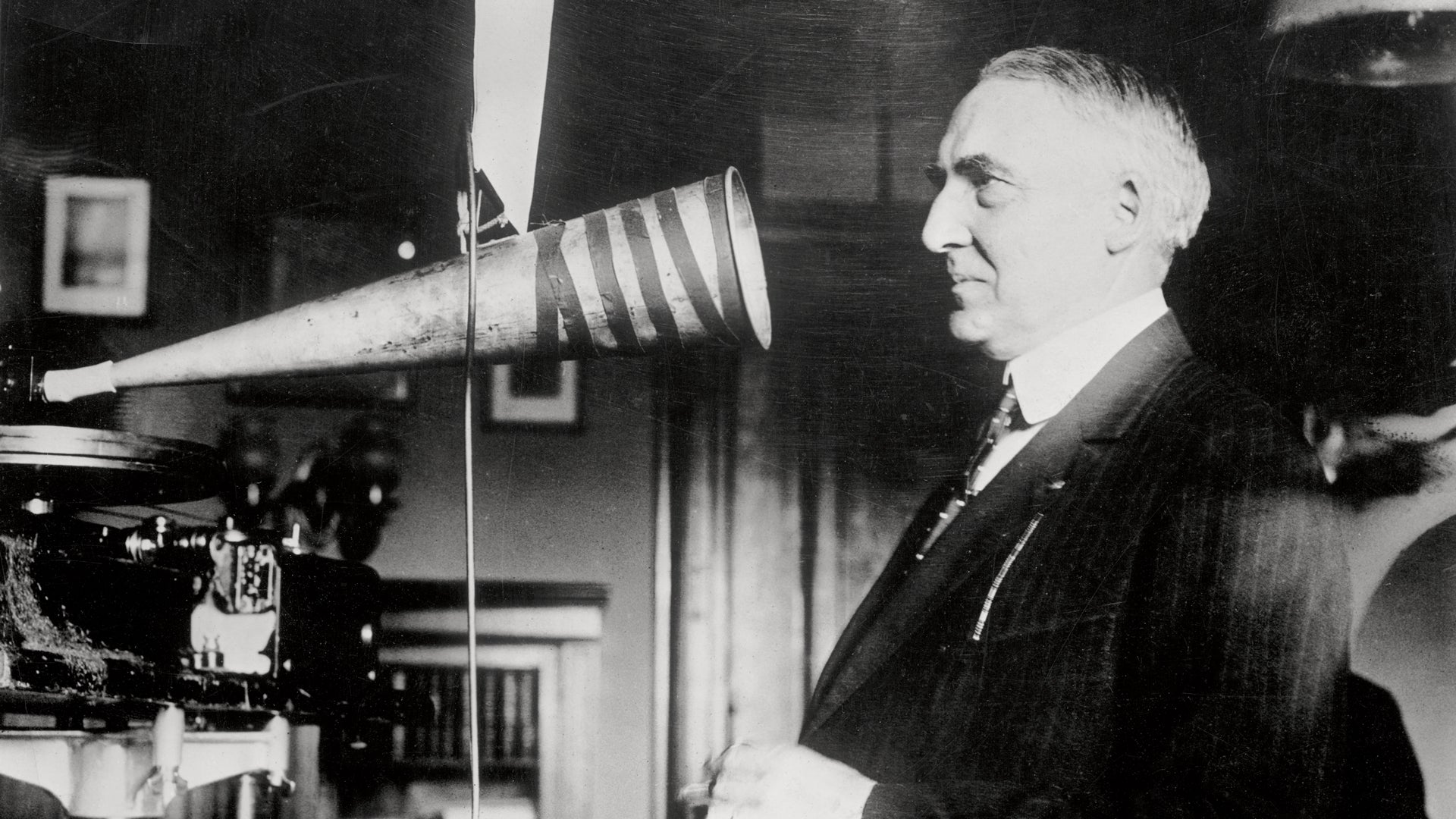
The Rise and Fall of Warren G. Harding – Early Life and Career

mashupch.com – Warren G. Harding, the 29th President of the United States, remains one of the most enigmatic figures in American political history. His rise to power is a story of political opportunism and careful strategizing, while his fall from grace is defined by scandal, corruption, and an untimely death. Harding’s presidency, though brief, continues to be studied as an example of both the possibilities and the dangers of leadership. From his humble beginnings to his meteoric rise to the White House and his dramatic fall, the life and legacy of Warren G. Harding are filled with complexity.

Early Life and Career

Humble Beginnings and Personal Life

Warren Gamaliel Harding was born on November 2, 1865, in Blooming Grove, Ohio, to a family of modest means. His father, George, was a physician and farmer, while his mother, Phoebe, was an influential figure in his early life. Growing up in rural Ohio, Harding experienced the challenges of frontier life, but his family valued education, which led him to attend Ohio Central College in Iberia, Ohio.

Harding’s early academic performance was unremarkable, but his interest in the world of journalism was already beginning to take shape. After graduating from college, he worked for local newspapers and eventually took control of the Marion Daily Star in 1884. As the owner and publisher of the paper, Harding developed an understanding of the power of the media in shaping public opinion. His journalistic career also helped him develop the skills necessary for political success, including persuasion, communication, and networking.

Entry into Politics

Harding’s entry into politics came relatively late in his life. After years of building a reputation as a businessman and community leader, he ran for public office in 1900 and was elected to the Ohio State Senate. Harding’s political career progressed steadily, and he earned a reputation as a moderate, pragmatic politician who was able to work across party lines. He served as Lieutenant Governor of Ohio from 1904 to 1906, and in 1914, he was elected as a U.S. Senator from Ohio.

Harding’s career as a senator was largely uneventful, but he was able to cultivate relationships with key political figures, which would later help him when he sought national office. It was during his time as a senator that Harding first began to position himself for higher office. His appeal was that of a man of the people, who would promise a return to “normalcy” after the social upheavals of the Progressive Era and World War I.

The Road to the White House

The 1920 Republican Nomination

The 1920 Republican National Convention was a turning point in Harding’s political career. At the time, the Republican Party was divided between progressive and conservative factions, and no clear frontrunner had emerged for the presidential nomination. Harding, who had not initially been considered a leading candidate, emerged as a compromise choice. His moderate, pro-business platform and calm demeanor made him appealing to delegates who were looking for a candidate to unify the party and appeal to a post-war electorate.

Harding’s nomination was achieved through backroom deals and political maneuvering. His campaign slogan, “A return to normalcy,” resonated with a war-weary America that longed for a return to peace and prosperity after the First World War. Harding’s emphasis on economic stability, limited government intervention, and a focus on domestic issues helped him secure the Republican nomination. His campaign was largely shaped by his advisors and political allies, including his campaign manager, Harry Daugherty.

The 1920 Election and Victory

In the general election of 1920, Harding faced Democratic nominee James M. Cox, who had served as governor of Ohio and was a strong advocate for the progressive reforms of the era. The election was largely shaped by the public’s desire to move away from the turmoil of the World War I era and the progressive policies of the Wilson administration. Harding’s call for a return to normalcy was a direct appeal to voters who were tired of the changes and challenges brought about by the war.

Harding won the election by a landslide, receiving over 60% of the popular vote and a commanding electoral victory. His win was seen as a rejection of the progressive policies of the previous decade, and it marked the beginning of a conservative era in American politics. Harding’s victory was also significant because it reflected the growing influence of the “silent majority” of Americans, those who were not necessarily vocal in their political opinions but who preferred stability and prosperity.

The Harding Presidency: High Hopes and Early Successes

Economic Policies and the “Return to Normalcy”

Upon taking office in March 1921, Harding moved quickly to implement his vision for America. One of the central tenets of his campaign had been to restore economic stability to a country that had been ravaged by the war and by progressive reforms. Harding was a staunch advocate for business interests, and his administration pursued policies aimed at reducing government intervention in the economy.

One of his first acts as president was to push for a reduction in taxes. The Revenue Act of 1921 was designed to cut taxes on both individuals and corporations, with the belief that lower taxes would stimulate business investment and promote economic growth. The tax cuts, which reduced the top income tax rate from 73% to 58%, were aimed at fostering a climate of business confidence and prosperity.

Additionally, Harding’s administration worked to reduce government spending and balance the budget, which had ballooned during World War I. Through a combination of cuts in military and domestic spending, the Harding administration managed to achieve a budget surplus by 1922, something that had not been seen in years. These fiscal policies laid the foundation for the economic boom of the 1920s, a period that would be characterized by rapid industrial growth, rising stock prices, and increasing consumer demand.

Foreign Policy: Isolationism and Diplomacy

In foreign affairs, Harding pursued a policy of isolationism, reflecting the general sentiment of Americans who were weary of international entanglements following World War I. Harding sought to avoid further involvement in European conflicts and instead focused on strengthening diplomatic ties with other nations. One of his most notable achievements in foreign policy was the Washington Naval Conference of 1921-1922, which brought together the major naval powers of the world to discuss arms limitation and disarmament.

The conference resulted in a series of treaties that limited the size of naval fleets and aimed to prevent an arms race. The agreements reached at the Washington Naval Conference helped to reduce tensions between the United States, the United Kingdom, Japan, and other major powers, although the long-term effectiveness of these treaties would later be questioned. Harding also supported the Kellogg-Briand Pact of 1928, which sought to outlaw war as a means of resolving international disputes, although the pact ultimately proved ineffective in preventing future conflicts.

The Fall of Warren G. Harding: Scandals and Corruption

The Teapot Dome Scandal

Despite his early successes, Harding’s presidency was soon overshadowed by scandal. The most significant of these was the Teapot Dome scandal, which involved the illegal leasing of federal oil reserves in Wyoming and California. The scandal revolved around the actions of Harding’s Secretary of the Interior, Albert Fall, who secretly leased the reserves to private oil companies in exchange for bribes.

The Teapot Dome scandal was a major blow to Harding’s administration and reputation. While Harding himself was not directly implicated in the scandal, the affair exposed corruption within his cabinet and raised questions about his leadership. Fall was later convicted of bribery and sentenced to prison, and the scandal became a symbol of the corruption that marred Harding’s time in office.

Other Scandals and Harding’s Health

In addition to Teapot Dome, Harding’s administration was plagued by other scandals, including the involvement of several high-ranking officials in illegal activities and financial corruption. The President’s refusal to take decisive action against these scandals contributed to a growing perception of incompetence within his administration.

Furthermore, Harding’s health began to deteriorate during his presidency. He suffered from various health problems, including heart issues, and his physical decline became more apparent as time went on. In August 1923, while on a cross-country tour in California, Harding collapsed and died suddenly of a heart attack at the age of 57. His death was met with shock and left many questions about the direction his presidency would have taken.

Conclusion: A Complex Legacy

Warren G. Harding’s rise to the presidency was the result of political savvy, careful positioning, and a carefully crafted image as a man who would restore normalcy after the upheaval of the Progressive Era and World War I. His early successes in office, particularly his economic policies and diplomatic efforts, seemed to promise a bright future for his administration. However, his presidency was ultimately undone by corruption, scandal, and his inability to address the ethical lapses within his administration.

Harding’s untimely death left many of the questions surrounding his presidency unanswered, and his legacy remains one of contradictions. While his economic policies laid the groundwork for the prosperity of the 1920s, the corruption of his cabinet members, particularly in the Teapot Dome scandal, tainted his reputation. As a result, Harding’s rise and fall serve as a reminder of the complexities of political leadership and the lasting impact that scandals can have on a president’s legacy.
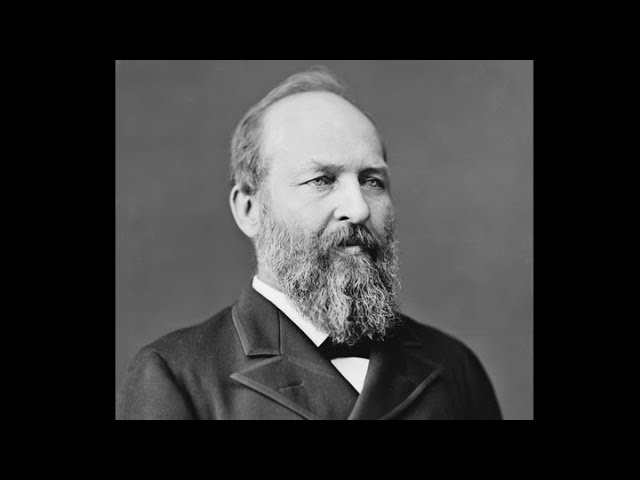

From Humble Beginnings: The Rise of James A. Garfield

mashupch.com – James A. Garfield, the 20th President of the United States, is often remembered for his tragic and untimely death, which cut short a presidency that promised to bring much-needed reform. However, Garfield’s life story is far more than a political saga—it is a testament to resilience, self-discipline, and the American dream. Rising from humble beginnings in a log cabin in rural Ohio to the highest office in the land, Garfield’s journey was defined by hard work, personal sacrifice, and a steadfast belief in the power of education and perseverance. This article delves into the early life, challenges, and the factors that contributed to the extraordinary rise of James A. Garfield.

Early Life: A Humble Start

Born in a Log Cabin

James Abram Garfield was born on November 19, 1831, in Orange Township, Ohio, to Abram Garfield and Eliza Ballou Garfield. His early life was defined by hardship, as his father passed away from illness when James was only two years old, leaving Eliza to care for him and his siblings. With limited financial resources, Eliza worked tirelessly to support her family, managing a small farm while also prioritizing her children’s education.

Garfield’s childhood was marked by a deep sense of responsibility. Although his family was poor and lived in a modest log cabin, the importance of hard work was instilled in him early on. His mother, Eliza, was a particularly strong influence in his life, encouraging her children to seek knowledge and to overcome any obstacle that life might present. She was both a teacher and a guiding force, making sure James and his siblings received the best education possible under their circumstances.

Struggles and Hard Work

James’s early education was intermittent, as he had to work on the family farm to help support his mother and siblings. Despite these challenges, Garfield’s thirst for knowledge was insatiable. He frequently worked in the fields during the day but would study at night by candlelight. In addition to his formal education, Garfield was deeply influenced by the books and texts he could find. His mother, who had limited formal education herself, was a lifelong advocate for her children’s learning and made sure they had access to books whenever possible.

Garfield’s upbringing provided him with the work ethic, independence, and self-discipline that would serve him well throughout his life. Though his family struggled financially, they believed in the transformative power of education, and this belief became one of Garfield’s guiding principles.

A Passion for Learning: The Road to College

Teaching and Learning at Western Reserve Eclectic Institute

In his late teens, Garfield decided to pursue a path in education. He enrolled at the Western Reserve Eclectic Institute in Hiram, Ohio, in 1851. The institution, which was relatively modest at the time, later became known as Hiram College. It was here that Garfield’s intellectual journey began to take shape.

At Western Reserve, Garfield not only studied, but also worked as a teacher, tutoring other students to help pay for his education. This combination of learning and teaching strengthened Garfield’s resolve to succeed academically and proved to be formative for his future career. His academic talents and intellectual curiosity were apparent, and he quickly gained the respect of his peers and instructors.

Garfield’s time at Western Reserve was also important for his personal development. It was here that he encountered students and professors who would later become his political allies, as well as individuals who shaped his outlook on life. His education at the institution provided a strong foundation for his subsequent academic achievements and helped him grow into the kind of individual who believed deeply in the value of learning and service.

Enrollment at Williams College

After several years at Western Reserve, Garfield sought to further his education and expand his intellectual horizons by attending a prestigious college. In 1854, he enrolled at Williams College in Massachusetts, a small but well-regarded institution known for its rigorous academics. Despite being older than many of his peers, Garfield excelled at Williams College, earning top grades in a wide range of subjects, including Greek, Latin, history, and mathematics.

Garfield’s proficiency in the classical languages, particularly Greek and Latin, was exceptional, and he stood out among his classmates for his intellectual ability. His deep interest in philosophy and logic also flourished during his time at Williams. His academic performance was so impressive that he was elected to Phi Beta Kappa, a prestigious academic honor society, at the time of his graduation in 1856.

Garfield’s college years were formative, not just academically, but also in shaping his worldview. He was deeply influenced by the intellectual rigor of Williams College, which cultivated in him a lifelong passion for learning. Garfield’s commitment to education, along with his belief in the power of knowledge to uplift individuals and transform society, would remain central to his life and career.

The Journey Into Politics

Early Political Involvement

After graduating from Williams College, Garfield returned to Ohio and accepted a teaching position at Western Reserve Eclectic Institute (which later became Hiram College). At the same time, he began to become involved in local politics, driven by his deep sense of civic duty. His first foray into the political arena came when he served as a member of the Ohio State Senate, where he advocated for public education and supported efforts to improve the state’s infrastructure.

During this period, Garfield also became involved in the abolitionist movement, aligning himself with the anti-slavery factions in the state. His moral compass, shaped by his religious beliefs and his commitment to justice, was a defining characteristic of his political ideology. His stances on civil rights and his advocacy for the education of African Americans marked him as a forward-thinking politician during a time when the country was deeply divided.

Garfield’s early political career was a mixture of scholarly pursuits and passionate reform. He brought his intellectual background to his political decisions, always emphasizing education, public welfare, and integrity in governance. His growing reputation as a thoughtful and principled politician led to his election to the U.S. House of Representatives in 1862.

A Rising Star in Congress

Garfield’s rise to national prominence came during his time in Congress. As a member of the House of Representatives, Garfield was known for his brilliant speeches and his commitment to the Union during the Civil War. He was a strong advocate for the preservation of the Union and supported President Abraham Lincoln’s efforts to defeat the Confederacy. His military background also played a key role in shaping his political career, as he served as a major general in the Union Army during the war.

Garfield’s time in Congress allowed him to develop a reputation as a competent, knowledgeable leader who was both practical and visionary. He became an expert on economic policy, including tariff reform and the regulation of railroads, and was a strong proponent of civil service reform. Garfield’s legislative achievements made him one of the most respected figures in Congress by the time he decided to run for president in 1880.

The Presidency: A Final Step in the Journey

The 1880 Presidential Election

James A. Garfield’s rise to the presidency was nothing short of extraordinary. In 1880, he won the Republican nomination after a fiercely contested convention, where he emerged as a compromise candidate. Garfield’s combination of intellectual acumen, political experience, and moral integrity made him a popular choice among the party’s leaders. He won the general election later that year, defeating Democrat Winfield Scott Hancock.

Garfield’s presidency, however, was tragically short-lived. Just six months into his term, he was shot by an assassin’s bullet on July 2, 1881, and died on September 19, 1881. Despite his brief time in office, Garfield’s impact was profound. He advocated for civil service reform and sought to implement policies that would reduce corruption in government, a cause he had championed throughout his political career.

Conclusion: A Legacy of Perseverance and Achievement

James A. Garfield’s rise from humble beginnings to the presidency is a powerful reminder of the possibilities inherent in the American system. Despite facing poverty, personal loss, and immense challenges, Garfield’s determination, intellect, and commitment to education propelled him to success. His story exemplifies the American dream—showing that with hard work, determination, and a thirst for knowledge, anything is possible. Garfield’s legacy as a scholar, reformer, and leader continues to inspire generations, proving that greatness can emerge from the most modest of origins.

DaBaby: The Rise and Resilience of a Modern Rap Icon

mashupch.com – DaBaby, born Jonathan Lyndale Kirk on December 22, 1991, in Cleveland, Ohio, has quickly become one of the most prominent figures in hip-hop since his breakout onto the scene. Known for his infectious energy, charismatic delivery, and unapologetic persona, DaBaby’s journey is one of rapid success, controversies, and resilience. His rise to fame is a testament to the power of raw talent and the impact of social media in modern music careers.

Early Life and Musical Beginnings

DaBaby’s early years were far from glamorous. Growing up in Charlotte, North Carolina, he experienced the struggles of urban life, which would later influence his music. Despite the challenges, DaBaby found solace in music, and by his teenage years, he had already begun rapping. He initially adopted the name “Baby Jesus,” before later changing it to DaBaby, a moniker he felt better represented his identity and larger-than-life persona.

DaBaby began releasing mixtapes in the mid-2010s, gaining local attention with projects like Nonfiction (2015) and God’s Work (2016). However, it was his 2018 mixtape Blank Blank that helped him break through nationally. His charismatic personality, punchy lyrics, and catchy beats were evident, laying the foundation for his future success.

Breakout Success with “Suge” and Baby on Baby

2019 marked the year DaBaby truly broke into the mainstream. His single “Suge,” from his debut studio album Baby on Baby, became a massive hit, topping the charts and garnering millions of streams. With its bouncy beat and DaBaby’s energetic flow, “Suge” introduced a new audience to his unique style. The success of the song led to collaborations with some of the biggest names in the music industry, including Megan Thee Stallion, Lil Baby, and Post Malone.

The release of Baby on Baby further solidified DaBaby’s position in the rap game. Tracks like “Vibez” and “Baby Sitter” showcased his ability to blend playful energy with solid lyricism. His quick rise to fame was marked by a series of chart-topping hits, and he became known for his infectious, high-energy performances that quickly became fan favorites.

Continued Success and Kirk Album

DaBaby’s momentum continued with the release of his second studio album, Kirk (2019), named after his father, who had recently passed away. The album was both a tribute to his late father and a reflection of DaBaby’s personal growth and maturity as an artist. The album debuted at number one on the Billboard 200, and tracks like “Intro” and “Bop” dominated the charts. Kirk featured collaborations with high-profile artists such as Nicki Minaj, Gucci Mane, and Chance the Rapper, further establishing DaBaby’s status as a leading figure in rap.

DaBaby’s ability to create catchy, memorable songs while maintaining his distinct style continued to resonate with listeners. His success was built on his ability to craft hooks that stuck with listeners long after the song ended, paired with a confident and assertive delivery that became his trademark.

Controversies and Resilience

As DaBaby’s fame grew, so did the controversies surrounding him. His brash, unapologetic persona often sparked public debates, especially over his comments and behavior during live performances. The rapper faced backlash in 2021 after making controversial remarks at a music festival, which led to public outcry and him being dropped from several major events and brand partnerships. Despite the backlash, DaBaby remained resolute, continuing to release new music and defend his actions.

While his public image faced challenges, DaBaby’s resilience in the face of controversy allowed him to bounce back quickly, demonstrating his strength as both an artist and a businessman. His ability to remain relevant and maintain a large fanbase speaks to his undeniable talent and the enduring appeal of his music.

DaBaby’s Legacy and Future in Hip-Hop

Despite the ups and downs of his career, DaBaby has proven himself to be a powerful force in modern hip-hop. His unique style, characterized by catchy beats, high-energy performances, and distinctive flow, has set him apart from many of his contemporaries. He’s a testament to the changing landscape of the music industry, where social media and viral moments can elevate an artist to superstardom almost overnight.

Looking ahead, DaBaby’s future in hip-hop remains bright. His adaptability and willingness to take risks in his music suggest that he will continue to innovate and push the boundaries of his sound. With his unapologetic approach to both life and music, DaBaby is not just a rapper; he’s a cultural icon in the making, shaping the future of hip-hop one track at a time.

Lithuania: Echoes of the Grand Duchy

mashupch.com – Lithuania, a nation with a rich and storied past, was once the centerpiece of one of Europe’s largest and most influential states: the Grand Duchy of Lithuania. Spanning from the Baltic to the Black Sea, the Grand Duchy left an indelible mark on the history and culture of Eastern Europe. This article delves into the echoes of this grand era that continue to resonate in modern Lithuania.

The Rise of the Grand Duchy

The Grand Duchy of Lithuania emerged in the 13th century as a formidable power under the leadership of Grand Duke Mindaugas, who became the first and only crowned king of Lithuania. By the 14th century, the Grand Duchy had expanded its territory significantly, encompassing lands that are now part of Belarus, Ukraine, Poland, and Russia. This expansion was marked by a series of strategic alliances and military campaigns.

Cultural and Religious Influence

Despite being one of the last pagan states in Europe, the Grand Duchy eventually embraced Christianity in the late 14th century. The conversion brought about significant cultural and religious changes, fostering closer ties with Western Europe. The Grand Duchy became a melting pot of cultures and religions, where Catholicism, Orthodoxy, and pagan traditions coexisted.

The establishment of the Union of Krewo in 1385, which led to the personal union between Lithuania and Poland, was a pivotal moment in the region’s history. This union laid the foundation for the Polish-Lithuanian Commonwealth, one of the largest and most populous states in Europe at the time.

Architectural Heritage

The architectural legacy of the Grand Duchy is still visible across Lithuania. Vilnius, the capital, is a treasure trove of Gothic, Renaissance, and Baroque architecture. The Vilnius Old Town, a UNESCO World Heritage Site, reflects the city’s medieval past with its narrow winding streets and historic buildings.

Trakai Island Castle, located on Lake Galvė, is another iconic symbol of this era. Originally built in the 14th century, the castle served as a strategic defense point and a residence for the Grand Dukes. Today, it stands as a testament to Lithuania’s medieval grandeur and is a popular tourist attraction.

The Legal and Educational Legacy

The Statutes of Lithuania, first codified in the 16th century, were among the most advanced legal codes of their time. These statutes emphasized personal freedoms and property rights, influencing legal systems in neighboring regions. The Grand Duchy was also a center of learning, with Vilnius University, founded in 1579, becoming a leading educational institution in Eastern Europe.

Conclusion

The echoes of the Grand Duchy of Lithuania continue to resonate in the country’s cultural, architectural, and legal landscapes. This grand era, marked by territorial expansion, cultural fusion, and legal innovation, has shaped the identity of modern Lithuania. As you explore Lithuania today, you’ll find that the legacy of the Grand Duchy is not just a relic of the past, but a living part of the nation’s heritage.

Democratizing Software Creation: The Rise of Non-Coders

mashupch.com – The traditional view of software creation has long been dominated by the image of the skilled programmer, adept at writing lines of code. However, the landscape is rapidly changing, with the rise of non-coders who are democratizing the process of software creation. This shift is driven by the development of intuitive, user-friendly tools and platforms that enable individuals without formal coding skills to design, develop, and deploy software applications.

The Traditional Barriers to Software Creation

Historically, creating software required a deep understanding of programming languages, algorithms, and system architecture. This expertise was often acquired through years of study and practice, creating a barrier to entry for those without the necessary technical background. As a result, the software development field was largely the domain of trained professionals.

The Emergence of No-Code and Low-Code Platforms

The rise of no-code and low-code platforms has significantly lowered these barriers. These platforms provide intuitive, visual interfaces that allow users to drag-and-drop components, configure settings, and create software applications without writing a single line of code. This democratization of software creation has opened up new possibilities for individuals and businesses alike.

Benefits of No-Code and Low-Code Platforms

  • Accessibility: Non-coders can now bring their ideas to life without the need for advanced technical skills. This accessibility encourages innovation and creativity across various sectors.
  • Efficiency: These platforms enable rapid prototyping and deployment, reducing the time-to-market for new applications. This speed can be a significant advantage for businesses looking to quickly capitalize on new opportunities.
  • Cost Reduction: By eliminating the need for specialized coding expertise, no-code and low-code platforms can reduce the costs associated with software development, making it more feasible for small and medium-sized enterprises (SMEs) to develop custom solutions.

The Impact on Traditional Developers

The rise of non-coders does not signal the end of traditional software development. Instead, it complements the work of professional developers by allowing them to focus on more complex, high-level tasks. Developers can now leverage no-code and low-code platforms to streamline routine tasks, freeing up time to work on innovative features and optimizations.

Case Studies: Success Stories of Non-Coders

  • Entrepreneurs: Many entrepreneurs have used no-code platforms to quickly launch their businesses, iterating and improving their applications based on real-world feedback without the need for extensive coding.
  • SMEs: Small and medium-sized enterprises have leveraged these tools to develop custom solutions that meet their specific needs, enhancing their competitiveness in the market.
  • Citizen Developers: Within large organizations, citizen developers—employees who are not part of the IT department—are using no-code platforms to create applications that improve workflows and efficiency, often with the support and guidance of professional developers.

The Future of Software Creation

As no-code and low-code platforms continue to evolve, they will become even more powerful and versatile. The democratization of software creation will empower a new generation of creators, leading to a proliferation of innovative applications and services. Traditional developers will play a crucial role in this ecosystem, collaborating with non-coders to push the boundaries of what is possible.

Conclusion

The rise of non-coders represents a significant shift in how software is created. By democratizing access to software development, no-code and low-code platforms are enabling a wider range of individuals and businesses to bring their ideas to life. This trend is not only changing the landscape of software creation but also fostering a more inclusive and innovative tech industry. As we move forward, the collaboration between coders and non-coders will be key to unlocking the full potential of software development.