

DaBaby: The Rise and Resilience of a Modern Rap Icon

mashupch.com – DaBaby, born Jonathan Lyndale Kirk on December 22, 1991, in Cleveland, Ohio, has quickly become one of the most prominent figures in hip-hop since his breakout onto the scene. Known for his infectious energy, charismatic delivery, and unapologetic persona, DaBaby’s journey is one of rapid success, controversies, and resilience. His rise to fame is a testament to the power of raw talent and the impact of social media in modern music careers.

Early Life and Musical Beginnings

DaBaby’s early years were far from glamorous. Growing up in Charlotte, North Carolina, he experienced the struggles of urban life, which would later influence his music. Despite the challenges, DaBaby found solace in music, and by his teenage years, he had already begun rapping. He initially adopted the name “Baby Jesus,” before later changing it to DaBaby, a moniker he felt better represented his identity and larger-than-life persona.

DaBaby began releasing mixtapes in the mid-2010s, gaining local attention with projects like Nonfiction (2015) and God’s Work (2016). However, it was his 2018 mixtape Blank Blank that helped him break through nationally. His charismatic personality, punchy lyrics, and catchy beats were evident, laying the foundation for his future success.

Breakout Success with “Suge” and Baby on Baby

2019 marked the year DaBaby truly broke into the mainstream. His single “Suge,” from his debut studio album Baby on Baby, became a massive hit, topping the charts and garnering millions of streams. With its bouncy beat and DaBaby’s energetic flow, “Suge” introduced a new audience to his unique style. The success of the song led to collaborations with some of the biggest names in the music industry, including Megan Thee Stallion, Lil Baby, and Post Malone.

The release of Baby on Baby further solidified DaBaby’s position in the rap game. Tracks like “Vibez” and “Baby Sitter” showcased his ability to blend playful energy with solid lyricism. His quick rise to fame was marked by a series of chart-topping hits, and he became known for his infectious, high-energy performances that quickly became fan favorites.

Continued Success and Kirk Album

DaBaby’s momentum continued with the release of his second studio album, Kirk (2019), named after his father, who had recently passed away. The album was both a tribute to his late father and a reflection of DaBaby’s personal growth and maturity as an artist. The album debuted at number one on the Billboard 200, and tracks like “Intro” and “Bop” dominated the charts. Kirk featured collaborations with high-profile artists such as Nicki Minaj, Gucci Mane, and Chance the Rapper, further establishing DaBaby’s status as a leading figure in rap.

DaBaby’s ability to create catchy, memorable songs while maintaining his distinct style continued to resonate with listeners. His success was built on his ability to craft hooks that stuck with listeners long after the song ended, paired with a confident and assertive delivery that became his trademark.

Controversies and Resilience

As DaBaby’s fame grew, so did the controversies surrounding him. His brash, unapologetic persona often sparked public debates, especially over his comments and behavior during live performances. The rapper faced backlash in 2021 after making controversial remarks at a music festival, which led to public outcry and him being dropped from several major events and brand partnerships. Despite the backlash, DaBaby remained resolute, continuing to release new music and defend his actions.

While his public image faced challenges, DaBaby’s resilience in the face of controversy allowed him to bounce back quickly, demonstrating his strength as both an artist and a businessman. His ability to remain relevant and maintain a large fanbase speaks to his undeniable talent and the enduring appeal of his music.

DaBaby’s Legacy and Future in Hip-Hop

Despite the ups and downs of his career, DaBaby has proven himself to be a powerful force in modern hip-hop. His unique style, characterized by catchy beats, high-energy performances, and distinctive flow, has set him apart from many of his contemporaries. He’s a testament to the changing landscape of the music industry, where social media and viral moments can elevate an artist to superstardom almost overnight.

Looking ahead, DaBaby’s future in hip-hop remains bright. His adaptability and willingness to take risks in his music suggest that he will continue to innovate and push the boundaries of his sound. With his unapologetic approach to both life and music, DaBaby is not just a rapper; he’s a cultural icon in the making, shaping the future of hip-hop one track at a time.
Norway’s Music Scene: From Folk Tunes to Modern Beats

mashupch.com – Norway’s music scene is a dynamic tapestry of sounds that reflects the country’s rich cultural heritage and innovative spirit. From traditional folk music steeped in history to cutting-edge modern beats, the Norwegian music landscape offers a diverse and vibrant experience for music lovers. This journey through Norway’s musical evolution highlights the deep-rooted traditions and the contemporary creativity that define its sound.

Traditional Norwegian Folk Music

A Rich Heritage

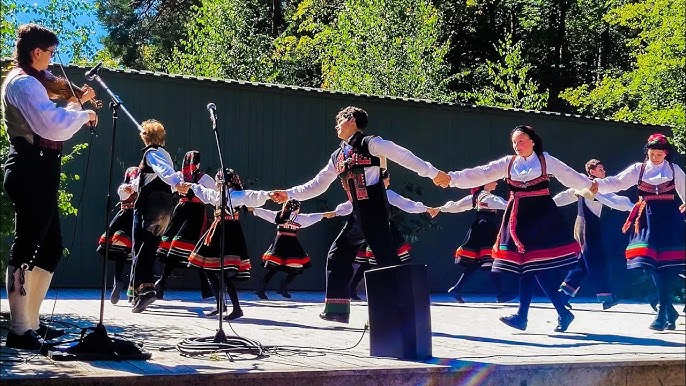
Norwegian folk music has its roots in centuries-old traditions, with melodies and rhythms passed down through generations. This genre is characterized by its use of traditional instruments, such as the Hardanger fiddle (Hardingfele), which is often adorned with intricate designs and produces a distinctive, resonant sound. Folk tunes typically accompany dances and celebrations, reflecting the cultural identity and stories of the Norwegian people.

Sámi Music and Joik

The indigenous Sámi people of Norway have their own unique musical tradition known as joik. This form of vocal expression is a powerful and personal way to convey emotions and connect with nature. Joik is an integral part of Sámi culture and has gained international recognition for its haunting beauty and spiritual depth.

The Rise of Norwegian Classical and Jazz

Classical Composers

Norway has produced several renowned classical composers who have made significant contributions to the global music scene. Edvard Grieg, known for his evocative compositions inspired by Norwegian landscapes and folklore, is a national icon. His works, such as “Peer Gynt” and “Piano Concerto in A minor,” continue to captivate audiences worldwide.

Norwegian Jazz

The Norwegian jazz scene has flourished over the past few decades, with artists gaining international acclaim for their innovative sounds and improvisational skills. Musicians like Jan Garbarek and Bugge Wesseltoft have helped put Norway on the map as a hub for contemporary jazz, blending traditional influences with modern styles.

Modern Norwegian Music: Pop, Rock, and Beyond

Pop and Rock Influences

Norway’s modern music scene is characterized by a diverse array of genres, including pop, rock, and electronic music. Artists such as A-ha, with their global hit “Take On Me,” have paved the way for future generations of Norwegian pop stars. Today, musicians like Sigrid and Aurora continue to gain international recognition with their unique sounds and powerful performances.

The Electronic Music Scene

Norway’s electronic music scene has also gained traction, with artists like Kygo leading the charge in the tropical house genre. His upbeat, melodic tracks have earned him a place on the global stage, highlighting Norway’s influence in the electronic music world.

Music Festivals and Cultural Events

Norway is home to a vibrant festival scene that celebrates its diverse musical heritage. Events like the Bergen International Festival and the Øya Festival in Oslo attract music lovers from around the world, showcasing everything from classical performances to indie rock and electronic beats. These festivals offer a platform for both established artists and emerging talent, fostering a sense of community and creativity.

Conclusion

Norway’s music scene is a captivating blend of tradition and innovation, offering something for every musical taste. From the haunting melodies of folk tunes to the energetic beats of modern pop and electronic music, Norway’s soundscape is a testament to its rich cultural heritage and forward-thinking approach. Whether you’re exploring the soulful strains of a Hardanger fiddle or dancing to the latest electronic hits, Norway’s music scene promises an unforgettable auditory adventure.

The Architecture of Yemen: From Ancient to Modern

mashupch.com – Yemen, a country rich in history and culture, boasts a unique architectural heritage that spans from ancient times to the modern era. This article explores the evolution of Yemeni architecture, highlighting the distinct styles and construction techniques that have shaped its cities and landscapes.

Ancient Architecture

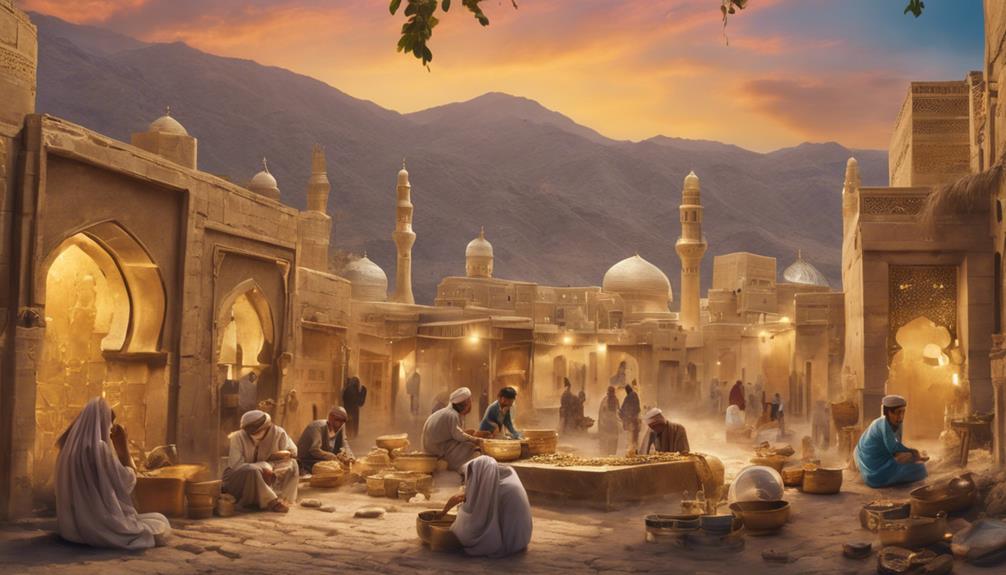
Yemen’s architectural history dates back thousands of years, with evidence of settlements as early as 2500 BCE. The ancient city of Shibam, often referred to as the “Manhattan of the Desert,” features mudbrick skyscrapers that have stood for centuries. These buildings, some reaching up to 11 stories, demonstrate the advanced engineering skills of ancient Yemeni builders. The Marib Dam, another testament to ancient Yemen’s architectural prowess, played a crucial role in the region’s agricultural success and is considered one of the greatest feats of ancient engineering.

Islamic Influence

With the advent of Islam in the 7th century, Yemen’s architectural style began to incorporate Islamic elements. Mosques became central to city planning, characterized by domes, minarets, and intricate geometric patterns. The Great Mosque of Sana’a, built in the early Islamic period, is a prime example of this fusion, showcasing traditional Yemeni design with Islamic architectural features.

Traditional Tower Houses

Yemen is renowned for its traditional tower houses, particularly in the capital city of Sana’a. These multi-storied buildings are constructed using locally sourced materials like stone, mudbrick, and wood. The distinctive architecture features ornate wooden windows and doors, which not only provide aesthetic appeal but also serve functional purposes such as ventilation and lighting. The design of these houses reflects the need for protection and privacy, as well as the adaptation to Yemen’s climate.

Modern Developments

In recent decades, Yemen has seen a blend of traditional and modern architectural styles. While new buildings incorporate contemporary design elements and materials, there is a strong emphasis on preserving cultural identity. Sustainable practices, such as the use of eco-friendly materials and energy-efficient systems, are becoming more prevalent in modern Yemeni architecture. This approach ensures that new developments are in harmony with the environment and cultural heritage.

Challenges and Preservation Efforts

The ongoing conflict in Yemen poses significant challenges to the preservation of its architectural heritage. Many historical sites have suffered damage, prompting efforts by local and international organizations to safeguard and restore these irreplaceable structures. Preservation initiatives focus on maintaining the cultural integrity of ancient buildings while adapting them to meet modern needs.

Conclusion

Yemen’s architecture is a testament to its rich history and cultural diversity. From ancient mudbrick towers to modern eco-friendly designs, Yemeni architecture continues to evolve, reflecting the resilience and creativity of its people. As efforts to preserve this heritage continue, Yemen’s architectural legacy will remain a source of pride and inspiration for generations to come.