
The Architecture of Yemen: From Ancient to Modern

mashupch.com – Yemen, a country rich in history and culture, boasts a unique architectural heritage that spans from ancient times to the modern era. This article explores the evolution of Yemeni architecture, highlighting the distinct styles and construction techniques that have shaped its cities and landscapes.

Ancient Architecture

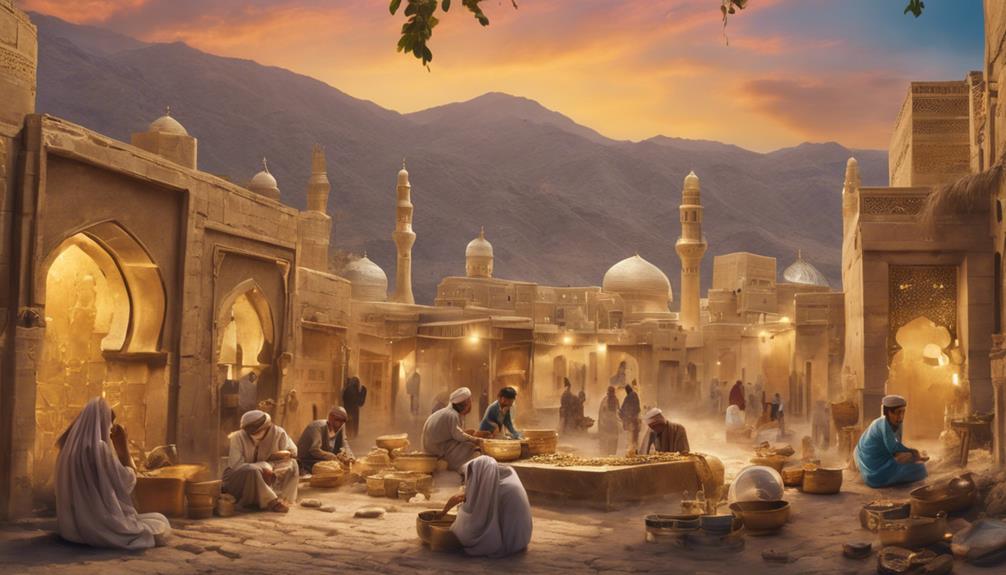
Yemen’s architectural history dates back thousands of years, with evidence of settlements as early as 2500 BCE. The ancient city of Shibam, often referred to as the “Manhattan of the Desert,” features mudbrick skyscrapers that have stood for centuries. These buildings, some reaching up to 11 stories, demonstrate the advanced engineering skills of ancient Yemeni builders. The Marib Dam, another testament to ancient Yemen’s architectural prowess, played a crucial role in the region’s agricultural success and is considered one of the greatest feats of ancient engineering.

Islamic Influence

With the advent of Islam in the 7th century, Yemen’s architectural style began to incorporate Islamic elements. Mosques became central to city planning, characterized by domes, minarets, and intricate geometric patterns. The Great Mosque of Sana’a, built in the early Islamic period, is a prime example of this fusion, showcasing traditional Yemeni design with Islamic architectural features.

Traditional Tower Houses

Yemen is renowned for its traditional tower houses, particularly in the capital city of Sana’a. These multi-storied buildings are constructed using locally sourced materials like stone, mudbrick, and wood. The distinctive architecture features ornate wooden windows and doors, which not only provide aesthetic appeal but also serve functional purposes such as ventilation and lighting. The design of these houses reflects the need for protection and privacy, as well as the adaptation to Yemen’s climate.

Modern Developments

In recent decades, Yemen has seen a blend of traditional and modern architectural styles. While new buildings incorporate contemporary design elements and materials, there is a strong emphasis on preserving cultural identity. Sustainable practices, such as the use of eco-friendly materials and energy-efficient systems, are becoming more prevalent in modern Yemeni architecture. This approach ensures that new developments are in harmony with the environment and cultural heritage.

Challenges and Preservation Efforts

The ongoing conflict in Yemen poses significant challenges to the preservation of its architectural heritage. Many historical sites have suffered damage, prompting efforts by local and international organizations to safeguard and restore these irreplaceable structures. Preservation initiatives focus on maintaining the cultural integrity of ancient buildings while adapting them to meet modern needs.

Conclusion

Yemen’s architecture is a testament to its rich history and cultural diversity. From ancient mudbrick towers to modern eco-friendly designs, Yemeni architecture continues to evolve, reflecting the resilience and creativity of its people. As efforts to preserve this heritage continue, Yemen’s architectural legacy will remain a source of pride and inspiration for generations to come.
The Architecture of Malaysia: Old Meets New

mashupch.com – Malaysia is a country where tradition and modernity coexist harmoniously, and nowhere is this more evident than in its architecture. A fascinating blend of old and new styles, Malaysian architecture reflects the country’s rich cultural tapestry, historical influences, and rapid development.

Traditional Architectural Styles

Malaysia’s traditional architecture is deeply rooted in its diverse cultural heritage, shaped by indigenous, Malay, Chinese, Indian, and colonial influences.

Malay Vernacular Architecture

Malay traditional houses, known as “rumah kampung,” are designed to adapt to the tropical climate. These wooden structures are often built on stilts to protect against floods and allow ventilation. The intricate carvings and steep roofs are distinctive features reflecting Malay craftsmanship and cultural values.

Chinese Shophouses

In urban areas, particularly Penang and Malacca, Chinese shophouses are a common sight. These buildings, dating back to the 18th and 19th centuries, exhibit a unique fusion of Chinese, European, and Malay architectural elements. Characterized by narrow facades, internal courtyards, and decorative tiles, they serve as both commercial and residential spaces.

Indian Temples

Indian architecture in Malaysia is prominently represented by Hindu temples. These temples are adorned with intricate carvings, colorful sculptures, and towering gopurams (gateway towers), reflecting the rich traditions of South Indian temple architecture.

Colonial Influences

Malaysia’s colonial past has left a significant impact on its architectural landscape. British, Portuguese, and Dutch colonial buildings can be found throughout the country, showcasing European styles adapted to the tropical environment.

British Colonial Architecture

During the British colonial period, many government buildings, schools, and churches were constructed in the Neo-Classical and Tudor Revival styles. Iconic examples include the Sultan Abdul Samad Building in Kuala Lumpur and the Penang City Hall, which feature grand facades and elegant design.

Modern Architectural Marvels

As Malaysia has developed, its skyline has transformed with modern architectural marvels that symbolize progress and innovation.

Petronas Twin Towers

The Petronas Twin Towers in Kuala Lumpur are perhaps the most recognizable symbol of modern Malaysia. Standing at 452 meters, these twin skyscrapers were the tallest buildings in the world from 1998 to 2004. Their design incorporates Islamic motifs, reflecting Malaysia’s cultural identity while embracing modern engineering.

The Exchange 106

Another addition to Kuala Lumpur’s skyline is The Exchange 106, one of the tallest buildings in Southeast Asia. This contemporary structure features a sleek, futuristic design, representing Malaysia’s growing economic prowess.

The Blend of Old and New

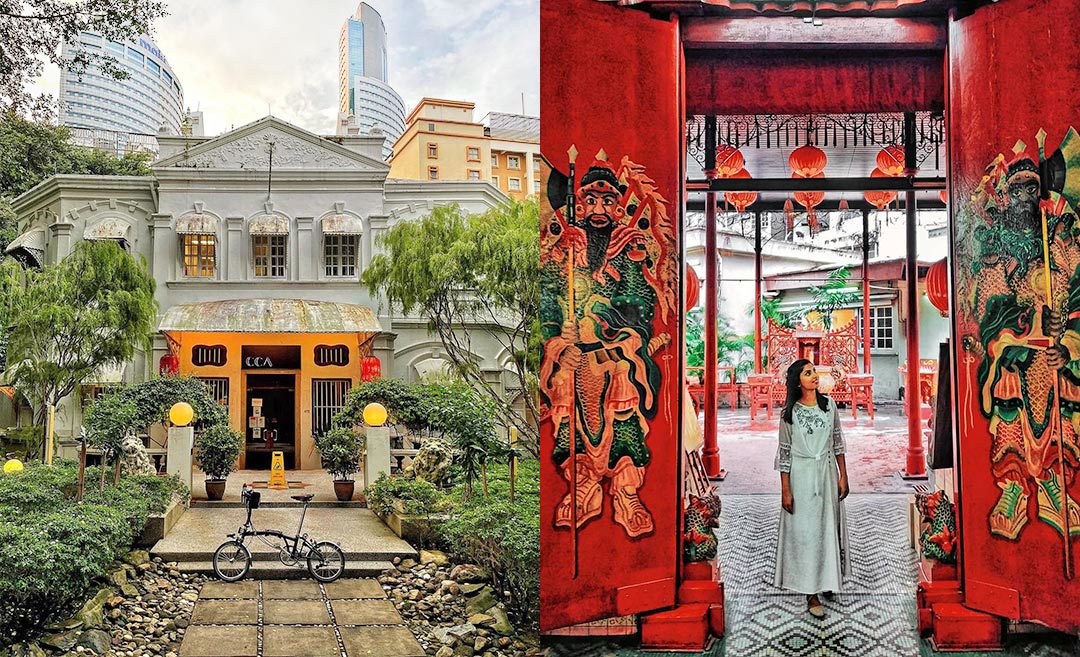
In Malaysia, the juxtaposition of traditional and modern architecture creates a dynamic urban landscape. Efforts to preserve heritage sites while embracing new developments ensure that the country’s architectural identity remains distinctive and vibrant.

Adaptive Reuse

Adaptive reuse projects are becoming increasingly popular, where historic buildings are repurposed for modern use. This approach not only preserves cultural heritage but also infuses new life into old structures, creating a seamless blend of past and present.

Conclusion

The architecture of Malaysia is a testament to the country’s ability to honor its historical roots while embracing contemporary innovation. From traditional kampung houses to towering skyscrapers, Malaysia’s architectural landscape is as diverse and dynamic as its culture. Exploring the built environment offers a unique insight into the country’s rich history and its vision for the future.