

Ms. Marvel: A New Generation of Hero

mashupch.com – Ms. Marvel is a superhero identity that has been held by several characters in the Marvel Comics universe. The most recent and popular incarnation is Kamala Khan, a Pakistani-American teenager from Jersey City. Created by writer G. Willow Wilson and artist Adrian Alphona, Kamala Khan first appeared in “Ms. Marvel” #1 in February 2014. Her character marks a significant step forward for diversity and representation in comics.

The Origin of Kamala Khan

Kamala Khan is an ordinary high school student who discovers she has extraordinary abilities after being exposed to the Terrigen Mist, which unlocks her latent Inhuman genes. She gains shape-shifting powers, allowing her to stretch and morph her body in various ways. Inspired by her idol, Carol Danvers (the original Ms. Marvel who later became Captain Marvel), Kamala takes on the mantle of Ms. Marvel to protect her community.

Powers and Abilities

As Ms. Marvel, Kamala has the ability to “embiggen,” which allows her to increase her size and strength significantly. She can also alter her appearance, making her adept at disguise. Her powers are complemented by her intelligence, resourcefulness, and unwavering determination to do good.

Themes and Storylines

Kamala’s stories often explore themes of identity, family, and cultural heritage. Her narrative is grounded in her everyday struggles as a teenager balancing her superhero duties with school, friendships, and familial expectations. Notable story arcs include her battles against supervillains like The Inventor and her team-ups with other Marvel heroes.

Cultural Impact

Ms. Marvel has been widely praised for its positive representation of a Muslim-American superhero. Kamala Khan’s character has resonated with readers around the world, particularly young people who see themselves reflected in her story. Her series has won numerous awards, including a Hugo Award for Best Graphic Story.

Adaptations

Kamala Khan’s Ms. Marvel made her live-action debut in the Disney+ series “Ms. Marvel,” released in 2022. The show was well-received for its engaging storytelling and faithful portrayal of Kamala’s character and heritage. Additionally, Kamala is set to appear in the Marvel Cinematic Universe film “The Marvels.”

Conclusion

Ms. Marvel stands as a beacon of diversity and empowerment in the Marvel universe. Kamala Khan’s journey from an ordinary teenager to a superhero reflects the potential within everyone to make a difference. Her stories continue to inspire and entertain, solidifying her place as a beloved character in modern comics.
The Architecture of Malaysia: Old Meets New

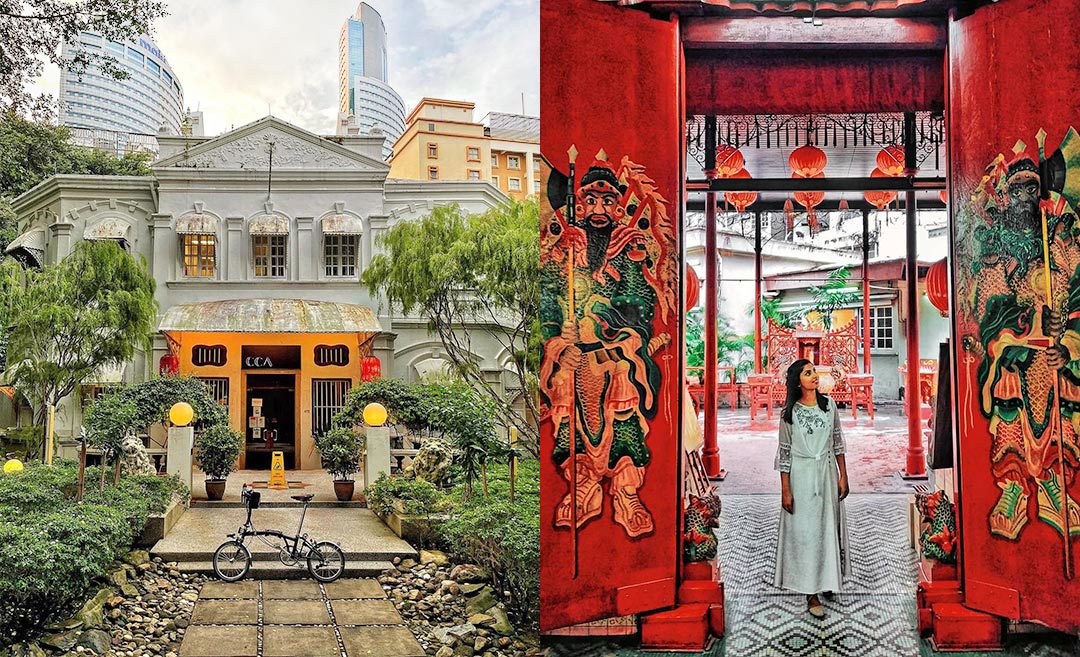
mashupch.com – Malaysia is a country where tradition and modernity coexist harmoniously, and nowhere is this more evident than in its architecture. A fascinating blend of old and new styles, Malaysian architecture reflects the country’s rich cultural tapestry, historical influences, and rapid development.

Traditional Architectural Styles

Malaysia’s traditional architecture is deeply rooted in its diverse cultural heritage, shaped by indigenous, Malay, Chinese, Indian, and colonial influences.

Malay Vernacular Architecture

Malay traditional houses, known as “rumah kampung,” are designed to adapt to the tropical climate. These wooden structures are often built on stilts to protect against floods and allow ventilation. The intricate carvings and steep roofs are distinctive features reflecting Malay craftsmanship and cultural values.

Chinese Shophouses

In urban areas, particularly Penang and Malacca, Chinese shophouses are a common sight. These buildings, dating back to the 18th and 19th centuries, exhibit a unique fusion of Chinese, European, and Malay architectural elements. Characterized by narrow facades, internal courtyards, and decorative tiles, they serve as both commercial and residential spaces.

Indian Temples

Indian architecture in Malaysia is prominently represented by Hindu temples. These temples are adorned with intricate carvings, colorful sculptures, and towering gopurams (gateway towers), reflecting the rich traditions of South Indian temple architecture.

Colonial Influences

Malaysia’s colonial past has left a significant impact on its architectural landscape. British, Portuguese, and Dutch colonial buildings can be found throughout the country, showcasing European styles adapted to the tropical environment.

British Colonial Architecture

During the British colonial period, many government buildings, schools, and churches were constructed in the Neo-Classical and Tudor Revival styles. Iconic examples include the Sultan Abdul Samad Building in Kuala Lumpur and the Penang City Hall, which feature grand facades and elegant design.

Modern Architectural Marvels

As Malaysia has developed, its skyline has transformed with modern architectural marvels that symbolize progress and innovation.

Petronas Twin Towers

The Petronas Twin Towers in Kuala Lumpur are perhaps the most recognizable symbol of modern Malaysia. Standing at 452 meters, these twin skyscrapers were the tallest buildings in the world from 1998 to 2004. Their design incorporates Islamic motifs, reflecting Malaysia’s cultural identity while embracing modern engineering.

The Exchange 106

Another addition to Kuala Lumpur’s skyline is The Exchange 106, one of the tallest buildings in Southeast Asia. This contemporary structure features a sleek, futuristic design, representing Malaysia’s growing economic prowess.

The Blend of Old and New

In Malaysia, the juxtaposition of traditional and modern architecture creates a dynamic urban landscape. Efforts to preserve heritage sites while embracing new developments ensure that the country’s architectural identity remains distinctive and vibrant.

Adaptive Reuse

Adaptive reuse projects are becoming increasingly popular, where historic buildings are repurposed for modern use. This approach not only preserves cultural heritage but also infuses new life into old structures, creating a seamless blend of past and present.

Conclusion

The architecture of Malaysia is a testament to the country’s ability to honor its historical roots while embracing contemporary innovation. From traditional kampung houses to towering skyscrapers, Malaysia’s architectural landscape is as diverse and dynamic as its culture. Exploring the built environment offers a unique insight into the country’s rich history and its vision for the future.