Ancient Persia: Cradle of Civilization – Expansion & Governance

mashupch.com – Ancient Persia, also known as the Persian Empire, is one of the most influential civilizations in history. Located in what is now Iran, Persia played a vital role in shaping the cultural, political, and intellectual landscape of the ancient world. Spanning over several centuries, the rise and fall of the Persian Empire left a lasting legacy that continues to influence global culture, governance, and philosophy to this day.

The Birth of the Persian Empire

The Persian Empire traces its origins back to the 6th century BCE when the Achaemenid dynasty, led by the great ruler Cyrus the Great, rose to power. Before the emergence of the Persian Empire, the region was inhabited by various peoples, including the Medes, Elamites, and other ancient Iranian tribes. Cyrus the Great unified these different groups and established the Achaemenid Empire, marking the beginning of one of the largest and most powerful empires in history.

Cyrus the Great is renowned for his enlightened rule and is often credited with creating one of the first known charters of human rights, known as the Cyrus Cylinder. His empire expanded rapidly, encompassing territories from the Indus River in the east to the Aegean Sea in the west. Under Cyrus’s leadership, the Persians practiced religious tolerance, allowing conquered peoples to maintain their customs and beliefs, which helped stabilize and unify the vast empire.

Expansion and Governance

Following Cyrus’s reign, Darius I (Darius the Great) and Xerxes I further expanded the empire, reaching its zenith. Darius is particularly noted for reorganizing the empire into satrapies, or administrative regions, each overseen by a governor known as a satrap. This efficient administrative system allowed for effective governance across vast distances and helped maintain the unity of the empire despite its diverse population.

The Persian Empire was characterized by its impressive infrastructure, including the construction of the Royal Road, an ancient highway that stretched over 2,500 kilometers, facilitating communication and trade across the empire. The Persians also built a sophisticated postal system and created a standardized currency, further boosting economic stability and promoting trade between different regions of the empire.

Zoroastrianism: The Religion of Persia

A key aspect of Persian culture was its spiritual and religious foundation. The dominant religion in ancient Persia was Zoroastrianism, one of the world’s oldest monotheistic religions. Founded by the prophet Zoroaster (Zarathustra) around the 6th century BCE, Zoroastrianism preached the existence of one god, Ahura Mazda, and emphasized the concepts of truth, righteousness, and the cosmic struggle between good and evil.

Zoroastrianism influenced the moral and ethical code of Persian society and had a profound impact on later religious traditions, including Judaism, Christianity, and Islam. The religion’s emphasis on free will and individual responsibility resonated with the empire’s political system, where rulers were expected to uphold justice and fairness.

Cultural Achievements

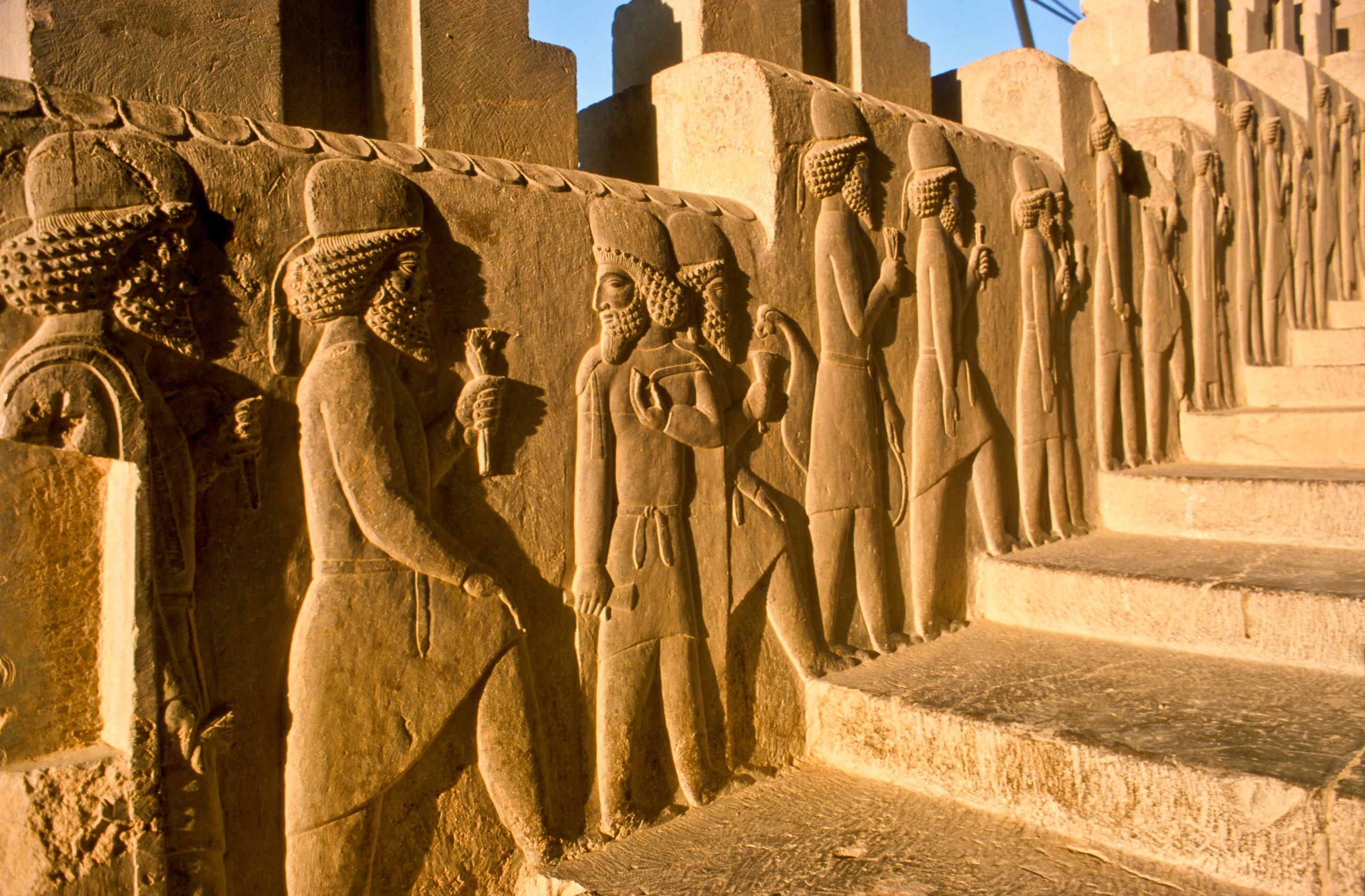
Ancient Persia was a melting pot of cultures, drawing from the civilizations of Mesopotamia, Egypt, Greece, and India. This blending of cultures is evident in Persian art, architecture, and literature. The Persians were masterful builders, as seen in the grandeur of their capital, Persepolis, which showcased a unique blend of Mesopotamian, Egyptian, and Greek architectural styles.

Persian art and craftsmanship were highly regarded, particularly in the realms of metalwork, pottery, and textiles. The intricate designs of Persian carpets and the detailed reliefs found in Persepolis remain some of the most stunning examples of ancient art. Additionally, the Persian love for gardens, symbolizing paradise, became a key feature of Persian culture and influenced garden design throughout the Middle East and beyond.

The Persian Wars and Decline

One of the most well-known chapters of Persian history is the series of conflicts with the Greek city-states, known as the Persian Wars. These wars, fought in the 5th century BCE, were marked by famous battles such as Marathon, Thermopylae, and Salamis. Although the Persians ultimately failed to conquer Greece, these wars left an indelible mark on both Greek and Persian history and culture.

The Persian Empire eventually began to decline in the 4th century BCE. Internal strife, weak leadership, and growing pressure from external forces weakened the once-mighty empire. In 330 BCE, the empire fell to the conquests of Alexander the Great, marking the end of the Achaemenid dynasty. However, Persian culture and influence continued to thrive under subsequent rulers, including the Parthians and the Sassanids.

Legacy of Ancient Persia

The legacy of ancient Persia is vast and enduring. Its contributions to governance, law, architecture, and culture have influenced civilizations across the globe. Persian ideas of justice, religious tolerance, and efficient administration laid the groundwork for many modern governments.

Moreover, Persian art, literature, and philosophy continued to flourish for centuries, influencing the Islamic Golden Age and shaping the cultural heritage of the Middle East. The impact of Zoroastrianism on later monotheistic religions and its focus on the struggle between good and evil can still be seen in modern religious and philosophical thought.

In conclusion, Ancient Persia was truly a cradle of civilization, fostering advancements in governance, religion, and culture that resonate to this day. Its rich history and cultural contributions make it one of the most important and influential empires in world history.
Egyptian Blue Water Lily: The Majestic Bloom of Ancient Waters

mashupch.com – The Egyptian blue water lily (Nymphaea caerulea), also known as the blue lotus, is a captivating aquatic plant that holds both historical and botanical significance. Revered for its striking blue flowers and deep cultural roots, this water lily is a symbol of beauty, rebirth, and spirituality. Native to the Nile River and surrounding regions of Egypt, the Egyptian blue water lily continues to be a beloved flower, celebrated for its vivid color and association with ancient Egyptian culture.

Description and Features

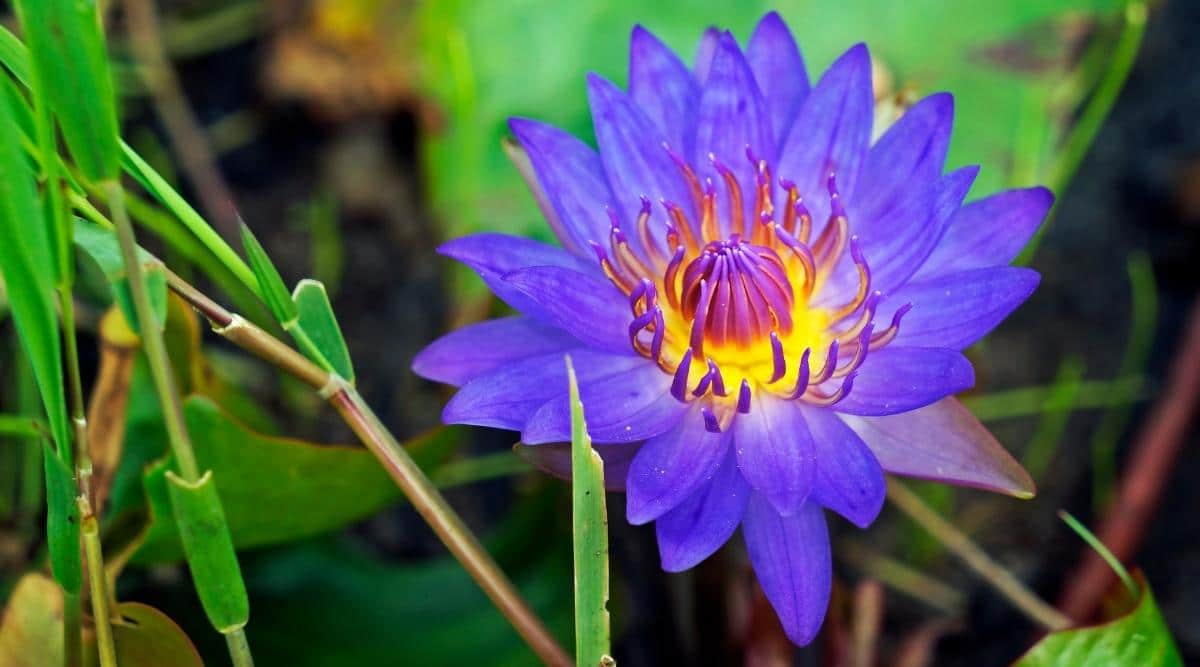
The Egyptian blue water lily is a striking aquatic perennial known for its large, vibrant flowers, which are usually a rich shade of blue with hints of purple. The flowers are star-shaped, with multiple, overlapping petals that open up to reveal a central cluster of yellow stamens. These blossoms typically float on the surface of the water, creating a beautiful contrast against the dark green, rounded leaves that are often seen in aquatic gardens or natural waterways.

The flowers of the Egyptian blue water lily bloom during the day, usually opening in the morning and closing by late afternoon or evening. The plant thrives in still, shallow waters, where its large, waxy leaves rest on the water’s surface, providing a stunning visual effect. The flowers themselves emit a subtle but enchanting fragrance that further enhances their allure.

The leaves of the Egyptian blue water lily are equally impressive, often growing up to 12 inches in diameter. These broad, circular leaves are typically green but can take on a reddish tint when exposed to sunlight. The leaves are supported by long, sturdy petioles (stems) that grow from the rhizome, which anchors the plant to the bottom of the water.

Habitat and Distribution

Native to the Nile River and parts of East Africa, the Egyptian blue water lily thrives in the shallow, calm waters of freshwater lakes, ponds, and slow-moving rivers. It is often found in the warm, tropical and subtropical climates of Africa, where the water is rich in nutrients, and the sunlight is abundant.

Beyond its native range, the Egyptian blue water lily has been cultivated in other regions with suitable growing conditions. It is a popular ornamental plant in water gardens, ponds, and botanical collections worldwide. The plant prefers shallow water with a soft, muddy substrate, and it requires full sun to bloom effectively. It is best grown in tropical or subtropical environments but can also be cultivated in warmer temperate climates with proper care.

Cultural Significance and Symbolism

The Egyptian blue water lily holds profound cultural and spiritual significance, particularly in ancient Egyptian society. Revered as a symbol of the sun, creation, and rebirth, the flower was often depicted in Egyptian art and mythology. Its ability to bloom at sunrise and close at sunset made it a powerful symbol of the cycle of life, death, and resurrection, themes central to Egyptian religion.

The flower was also associated with the god Nefertem, the Egyptian deity of beauty, healing, and perfume. Nefertem was often depicted with a lotus or water lily on his head, symbolizing his divine connection to the beauty and vitality of nature. The Egyptians believed that the blue lotus had divine properties, with its fragrance being used in perfumes and incense during religious ceremonies and rituals.

In addition to its association with Nefertem, the Egyptian blue water lily was also linked to the goddess Isis, who was believed to embody the principles of creation and fertility. The flower’s role in Egyptian spirituality made it a common motif in temples, tombs, and artwork throughout ancient Egypt.

Beyond Egypt, the blue lotus has continued to be an important symbol in various cultures. It is often associated with purity, enlightenment, and spiritual awakening, due to its ability to emerge from the dark, muddy waters and bloom into a beautiful, radiant flower.

Ecological Importance

The Egyptian blue water lily plays an important ecological role in its natural habitat. As an aquatic plant, it provides shelter and food for a variety of wildlife, including fish, insects, and amphibians. The broad leaves create shade and shelter for small aquatic creatures, while the roots offer a stable environment for microorganisms.

Additionally, the Egyptian blue water lily helps improve water quality by absorbing excess nutrients and providing oxygen to the surrounding water. As the plant grows and photosynthesizes, it helps to maintain the balance of the aquatic ecosystem, preventing the growth of algae and contributing to the overall health of the water.

In water gardens or ornamental ponds, the Egyptian blue water lily can also help reduce water evaporation, stabilize water temperature, and provide a natural filtration system, making it a valuable addition to any aquatic ecosystem.

Cultivation and Care

While the Egyptian blue water lily is native to tropical and subtropical climates, it can be successfully grown in water gardens, ponds, and containers in temperate regions, provided it is given the right conditions. Below are some key aspects of cultivating and caring for the Egyptian blue water lily:

Planting: The Egyptian blue water lily should be planted in shallow water, with its rhizomes (horizontal stems) placed just below the water’s surface. The plant can be grown in a large container or basket, filled with a mix of loamy soil and aquatic compost. The rhizome should be positioned horizontally and covered lightly with soil. Make sure the container is large enough to allow the plant to spread.

Water Requirements: This water lily prefers still, shallow water that is nutrient-rich and slightly acidic to neutral. It should be planted in water that is at least 12 to 24 inches deep, with the top of the rhizome submerged just beneath the water surface. In cold climates, the plant should be overwintered indoors or in a heated greenhouse, as it is sensitive to frost and cannot survive freezing temperatures.

Light: The Egyptian blue water lily thrives in full sun, which is essential for its growth and flowering. It needs at least 6 hours of direct sunlight each day to produce its characteristic blue blooms. If grown indoors or in a shaded location, the plant may not flower as profusely.

Water Quality: Ensure that the water is clean and free of excessive algae or contaminants. Regular water changes and the addition of aquatic fertilizers can help support healthy growth. However, avoid over-fertilizing, as this can lead to excessive leaf growth at the expense of flowers.

Maintenance: Once established, the Egyptian blue water lily requires minimal maintenance. Deadheading spent flowers can help maintain the plant’s appearance, but it is not strictly necessary. In the fall, before the first frost, the plant should be carefully removed from the pond or water garden and overwintered in a container with water.

Conclusion

The Egyptian blue water lily is a flower of both beauty and history, offering a glimpse into the rich cultural heritage of ancient Egypt while enchanting modern gardeners with its striking color and fragrance. Whether cultivated for its ornamental value or appreciated for its deep spiritual symbolism, the blue lotus remains a timeless and cherished plant. With its radiant blue blooms, the Egyptian blue water lily continues to captivate those who seek to bring a piece of ancient beauty into their gardens and hearts.

Albania’s Influence on European History

mashupch.com – Albania, a small yet strategically located country in the Balkans, has played a significant role in European history. Despite its size, Albania’s influence extends across various historical epochs, from ancient times to the modern era. This article explores the pivotal contributions and influences of Albania on the broader European historical landscape.

Ancient Illyrian Roots

The roots of Albania’s historical influence can be traced back to the ancient Illyrians, an Indo-European people who inhabited the western Balkans. The Illyrians were known for their skills in warfare and trade, and they established several powerful kingdoms, such as the Kingdom of Dardania and the Kingdom of Epirus. These kingdoms engaged in commerce and conflict with neighboring civilizations, including the Greeks and Romans, leaving a lasting impact on the region’s development.

The Roman and Byzantine Eras

As part of the Roman Empire, and later the Byzantine Empire, Albania’s strategic location served as a crucial link between the Western and Eastern worlds. The Via Egnatia, a major Roman road, passed through Albanian territory, facilitating trade and cultural exchange between Rome and Byzantium. This connectivity allowed Albania to play a role in the spread of Christianity and the blending of Eastern and Western cultural elements.

The Ottoman Period

The Ottoman Empire’s expansion into the Balkans in the late Middle Ages brought significant changes to Albania. Despite being under Ottoman rule for several centuries, Albania retained a distinct cultural identity. The legendary Albanian national hero, Skanderbeg, resisted Ottoman forces for decades, becoming a symbol of resistance and inspiring other European powers to challenge Ottoman dominance. Skanderbeg’s legacy continues to influence Albanian national consciousness and European perceptions of resistance against the Ottomans.

The Albanian Renaissance

In the 19th century, the Albanian Renaissance was a cultural and political movement that sought to revive Albanian national identity and secure independence from the Ottoman Empire. Prominent figures like Pashko Vasa and Ismail Qemali played crucial roles in advocating for Albanian independence and the preservation of the Albanian language and culture. This movement contributed to the broader wave of nationalism that swept across Europe during this period.

Albania in the 20th Century

Albania’s influence on European history continued into the 20th century, particularly during the Cold War. Under the leadership of Enver Hoxha, Albania became one of the most isolated and Stalinist regimes in Europe. Despite its isolation, Albania’s unique position as a communist state that distanced itself from both the Soviet Union and China intrigued Western powers, adding complexity to Cold War dynamics in the region.

Albania’s Path to European Integration

Today, Albania is on a path towards European integration, aspiring to join the European Union. The country’s efforts to embrace democratic reforms, economic development, and regional cooperation reflect its ongoing influence in shaping the future of the Balkans and its role in European stability and progress.

Conclusion

Albania’s influence on European history is characterized by its strategic location, cultural resilience, and significant historical figures. From ancient Illyrian times to its modern aspirations for European integration, Albania has played a crucial role in shaping the historical and cultural landscape of Europe. As the country continues to forge its path in the 21st century, Albania’s historical legacy remains a testament to its enduring influence on the continent.

The Architecture of Yemen: From Ancient to Modern

mashupch.com – Yemen, a country rich in history and culture, boasts a unique architectural heritage that spans from ancient times to the modern era. This article explores the evolution of Yemeni architecture, highlighting the distinct styles and construction techniques that have shaped its cities and landscapes.

Ancient Architecture

Yemen’s architectural history dates back thousands of years, with evidence of settlements as early as 2500 BCE. The ancient city of Shibam, often referred to as the “Manhattan of the Desert,” features mudbrick skyscrapers that have stood for centuries. These buildings, some reaching up to 11 stories, demonstrate the advanced engineering skills of ancient Yemeni builders. The Marib Dam, another testament to ancient Yemen’s architectural prowess, played a crucial role in the region’s agricultural success and is considered one of the greatest feats of ancient engineering.

Islamic Influence

With the advent of Islam in the 7th century, Yemen’s architectural style began to incorporate Islamic elements. Mosques became central to city planning, characterized by domes, minarets, and intricate geometric patterns. The Great Mosque of Sana’a, built in the early Islamic period, is a prime example of this fusion, showcasing traditional Yemeni design with Islamic architectural features.

Traditional Tower Houses

Yemen is renowned for its traditional tower houses, particularly in the capital city of Sana’a. These multi-storied buildings are constructed using locally sourced materials like stone, mudbrick, and wood. The distinctive architecture features ornate wooden windows and doors, which not only provide aesthetic appeal but also serve functional purposes such as ventilation and lighting. The design of these houses reflects the need for protection and privacy, as well as the adaptation to Yemen’s climate.

Modern Developments

In recent decades, Yemen has seen a blend of traditional and modern architectural styles. While new buildings incorporate contemporary design elements and materials, there is a strong emphasis on preserving cultural identity. Sustainable practices, such as the use of eco-friendly materials and energy-efficient systems, are becoming more prevalent in modern Yemeni architecture. This approach ensures that new developments are in harmony with the environment and cultural heritage.

Challenges and Preservation Efforts

The ongoing conflict in Yemen poses significant challenges to the preservation of its architectural heritage. Many historical sites have suffered damage, prompting efforts by local and international organizations to safeguard and restore these irreplaceable structures. Preservation initiatives focus on maintaining the cultural integrity of ancient buildings while adapting them to meet modern needs.

Conclusion

Yemen’s architecture is a testament to its rich history and cultural diversity. From ancient mudbrick towers to modern eco-friendly designs, Yemeni architecture continues to evolve, reflecting the resilience and creativity of its people. As efforts to preserve this heritage continue, Yemen’s architectural legacy will remain a source of pride and inspiration for generations to come.