
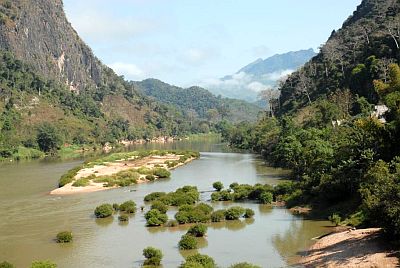
mashupch.com – Laos, a landlocked country in Southeast Asia, is characterized by its tropical monsoon climate. This climate significantly influences the country’s agriculture, biodiversity, and daily life. Understanding the nuances of the tropical monsoon climate is essential for appreciating how it shapes the landscapes and livelihoods in Laos.
The Tropical Monsoon Climate
Laos experiences a tropical monsoon climate, which is marked by distinct wet and dry seasons. The wet season, dominated by the southwest monsoon, typically lasts from May to October. During this period, the country receives the majority of its annual rainfall, with lush greenery enveloping its landscape. The dry season extends from November to April, offering a respite from the heavy rains with cooler temperatures and lower humidity levels.
Impact on Agriculture
Agriculture is a cornerstone of Laos’ economy, and the monsoon climate plays a crucial role in shaping agricultural practices. The wet season is vital for rice cultivation, which relies heavily on the monsoon rains for irrigation. Rice paddies thrive during this time, and the abundance of water supports other crops like corn, coffee, and vegetables.
However, the reliance on monsoon rains also presents challenges. Unpredictable weather patterns and excessive rainfall can lead to flooding, damaging crops and affecting food security. Conversely, insufficient rainfall can result in droughts, impacting water availability and agricultural yields.
Biodiversity and Ecosystems
Laos is renowned for its rich biodiversity, and the monsoon climate contributes to this ecological wealth. The country’s forests, rivers, and wetlands provide habitats for a wide variety of plant and animal species. The wet season enhances the growth of tropical forests, supporting diverse ecosystems and promoting the proliferation of wildlife.
Seasonal changes also influence the behavior of many species. For instance, the wet season encourages the breeding of amphibians and the migration of certain bird species. These seasonal shifts highlight the intricate relationship between the climate and the natural world in Laos.
Challenges and Adaptation
While the monsoon climate supports agriculture and biodiversity, it also poses challenges for infrastructure and daily life. Flooding during the wet season can disrupt transportation, damage homes, and hinder access to essential services. In response, communities have developed adaptive strategies, such as building raised houses and implementing flood management systems.
Climate change further exacerbates these challenges by altering precipitation patterns and increasing the frequency of extreme weather events. To address these issues, Laos is investing in climate resilience initiatives, including improved water management practices and sustainable agriculture techniques.
Conclusion
The tropical monsoon climate is a defining feature of Laos, influencing its agriculture, ecosystems, and everyday life. While it brings both opportunities and challenges, the people of Laos have demonstrated resilience and adaptability in the face of changing weather patterns. Understanding and addressing the impacts of this climate is crucial for ensuring the sustainable development and prosperity of the nation.
