
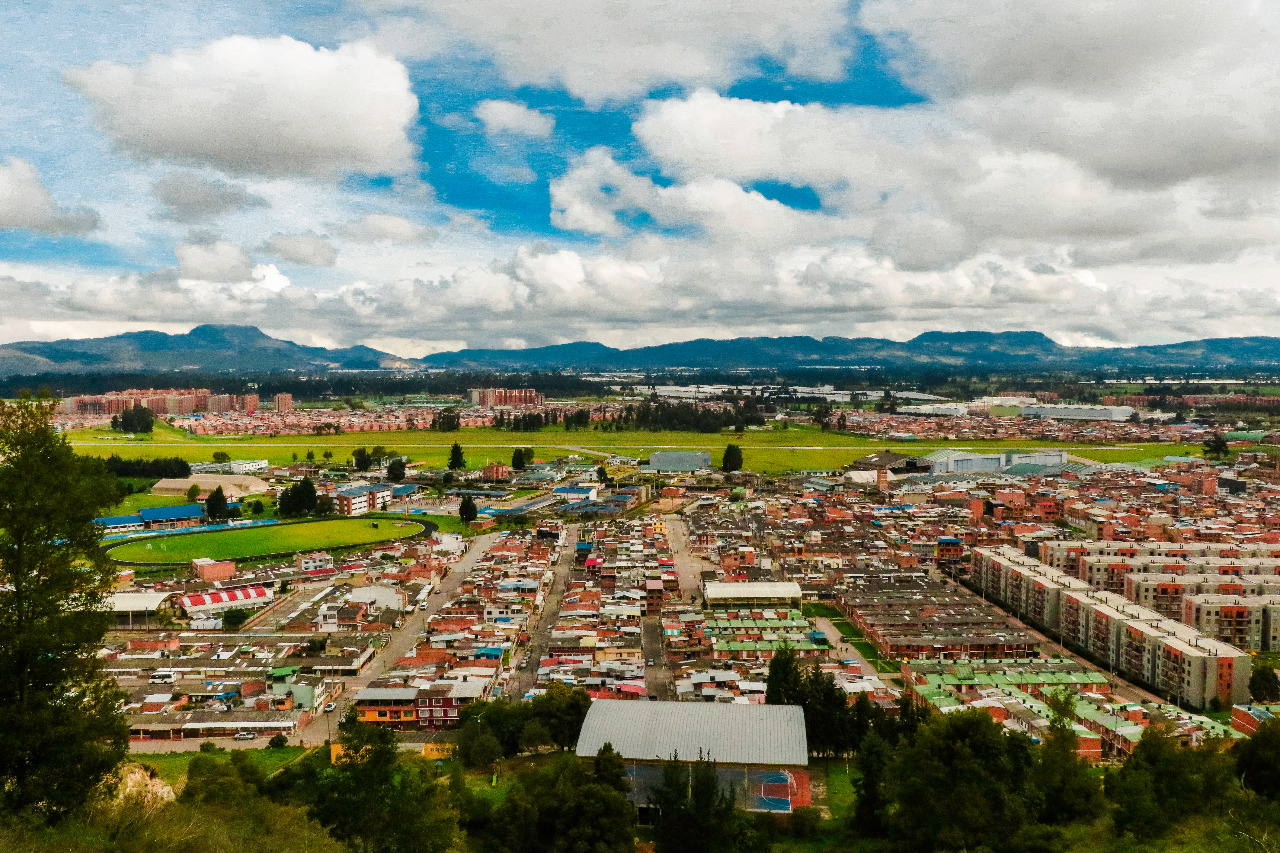
Cundinamarca: The Heart of Colombia – A Cultural Tapestry

Bogotá: A Cosmopolitan City

mashupch.com – Cundinamarca, a department surrounding Colombia’s capital city, Bogotá, is a region of diverse landscapes, rich history, and vibrant culture. Bogotá, the nation’s capital, is a bustling metropolis that offers a unique blend of colonial charm and modern sophistication.

Bogotá: A City of Contrasts

Bogotá, a city nestled high in the Andes Mountains, is known for its stunning colonial architecture, vibrant street art, and diverse cultural scene.

  • La Candelaria: The historic center of Bogotá, with its colorful colonial buildings, charming plazas, and world-class museums.   
  • Monserrate: A hilltop sanctuary offering panoramic views of the city.  
  • Zona Rosa: A trendy neighborhood with upscale shops, restaurants, and nightlife.

Natural Wonders

Cundinamarca offers a variety of natural attractions, from snow-capped mountains to lush valleys.

  • Parque Nacional Natural Chingaza: A stunning national park with high-altitude páramo ecosystems, crystal-clear lakes, and diverse wildlife.
  • Laguna de Guatavita: A mystical lake associated with the legend of El Dorado.   
  • Villa de Leyva: A charming colonial town with well-preserved architecture and a laid-back atmosphere.   

A Cultural Tapestry

Cundinamarca’s rich cultural heritage is reflected in its music, dance, and traditional crafts.

  • Festival Internacional de Teatro de Bogotá: A world-renowned theater festival that attracts performers and audiences from around the globe.
  • Museo del Oro: A world-class museum showcasing the pre-Columbian gold artifacts of Colombia.   
  • Botero Museum: A museum dedicated to the works of renowned Colombian artist Fernando Botero.   

A Culinary Delight

Cundinamarca’s cuisine is a fusion of indigenous, Spanish, and African influences.

  • Ajiaco: A hearty soup made with potatoes, corn, chicken, and herbs.   
  • Arepas: Corn cakes that can be filled with a variety of ingredients, such as cheese, meat, or avocado.   
  • Tamales: Corn dough filled with meat, vegetables, and spices, wrapped in banana leaves and steamed.
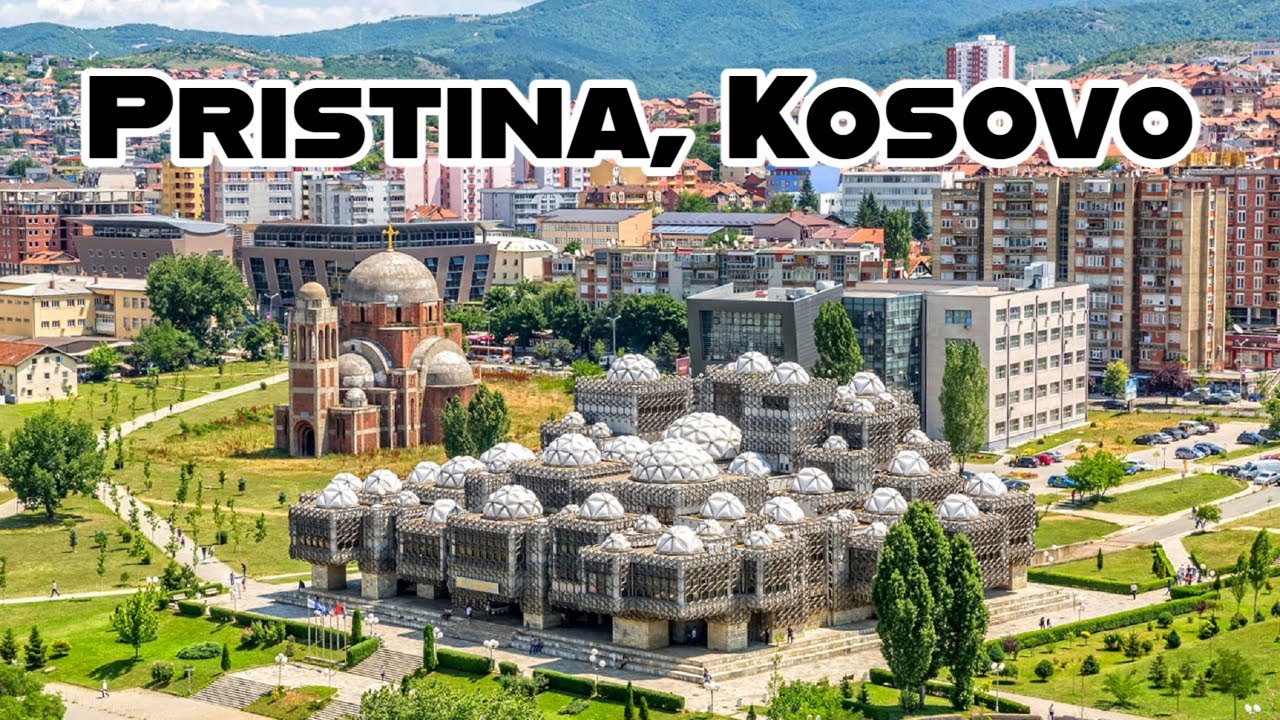
Pristina, Kosovo’s Capital: A City in Transition

mashupch.com – Pristina, the vibrant capital of Kosovo, is a city that embodies the spirit of transition and renewal. This article explores the historical, cultural, and economic developments that have shaped Pristina into the dynamic urban center it is today.

Historical Background

Pristina has a rich history that reflects the broader narrative of the Balkans. Originally a small settlement, it grew in importance under Ottoman rule, developing a distinct cultural and architectural identity. The 20th century brought significant changes, with Pristina becoming the capital of the Socialist Autonomous Province of Kosovo within Yugoslavia.

Urban Development

Since the declaration of Kosovo’s independence in 2008, Pristina has undergone rapid urban development. The city has expanded physically, with new residential areas, commercial zones, and infrastructure projects. This growth is a response to both the increasing population and the economic development of Kosovo.

Cultural Scene

Pristina is a melting pot of cultures, reflecting the diverse ethnic and religious backgrounds of its inhabitants. The city is home to numerous cultural institutions, including museums, galleries, and theaters. The annual Pristina International Film Festival is a highlight, attracting filmmakers and cinephiles from around the world.

Economic Hub

As the capital, Pristina is the economic heart of Kosovo. The city is home to the country’s major banks, businesses, and government institutions. The IT sector, in particular, has seen significant growth, with Pristina becoming a regional hub for software development and digital services.

Challenges and Opportunities

Despite its progress, Pristina faces several challenges. Urban sprawl and inadequate infrastructure are major issues, leading to traffic congestion and environmental concerns. Additionally, the city must balance its development with the preservation of its historical and cultural heritage.

However, these challenges also present opportunities for innovation and sustainable growth. By investing in green spaces, public transportation, and smart urban planning, Pristina can become a model for modern, livable cities.

Conclusion

Pristina is a city that perfectly encapsulates the essence of transition. From its historical roots to its contemporary developments, Pristina is a testament to the resilience and dynamism of its people. As Kosovo’s capital continues to evolve, it holds the promise of a bright future, blending tradition with innovation to create a unique urban experience.

The journey of Pristina is a story of transformation and potential. By addressing its challenges with vision and determination, Pristina can continue to thrive as a beacon of progress in the Balkans.