
mashupch.com – Luxembourg, a small yet influential country in Western Europe, boasts a rich tradition of honoring its citizens and foreign dignitaries through its honorary orders. These orders not only serve as symbols of distinction but also reflect the country’s history, values, and commitment to excellence. This article delves into the four main honorary orders of Luxembourg, exploring their origins, significance, and the criteria for their awarding.
The Order of the Gold Lion of the House of Nassau
The Order of the Gold Lion of the House of Nassau is the highest and most prestigious distinction in Luxembourg. Established in 1858 by King William III of the Netherlands and Duke Adolphe of Nassau, this order commemorates the division of the House of Nassau into two branches: Walramian and Ottonian. The order is shared by both the Netherlands and Luxembourg, with the sovereigns of both countries serving as joint Grand Masters.
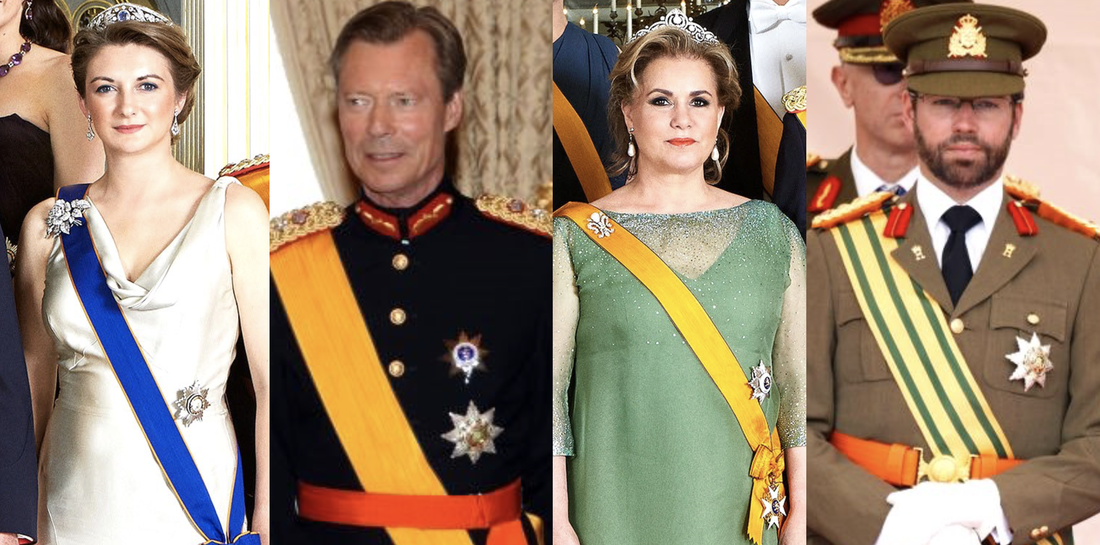
The insignia of the Order of the Gold Lion includes a sash worn from the right shoulder to the left hip, a badge at the hip, and a star. The badge features a white-enameled Maltese Cross with a gold monogram ‘N’ between the arms, and a central blue enameled disc bearing the gold lion of the House of Nassau. The reverse of the disc is also blue-enameled and contains the motto ‘Je Maintiendrai’ (I Shall Maintain).
The Order of Civil and Military Merit of Adolphe of Nassau
The Order of Civil and Military Merit of Adolphe of Nassau was founded by Adolphe, Grand Duke of Luxembourg, in 1858. This order is intended to reward individuals who have distinguished themselves by their loyalty and meritorious services to the Grand Duke, the Grand Ducal House, and the country. The insignia includes a sash, a badge, and a star, with the sash being blue with a small orange stripe at both edges.
The Order of the Oak Crown
The Order of the Oak Crown is another significant honorary order in Luxembourg. It is awarded to individuals who have rendered exceptional services to the country. The order’s insignia includes a sash, a badge, and a star, with the badge featuring an oak crown as its central motif. This order is often awarded to civil servants and other public figures who have made notable contributions to Luxembourg’s development and well-being.
The Order of Merit of the Grand Duchy of Luxembourg
The Order of Merit of the Grand Duchy of Luxembourg is the most recent of the four main orders, established in 1981. It is awarded to individuals who have demonstrated outstanding merit in various fields, including science, culture, and public service. The insignia of this order includes a sash, a badge, and a star, with the badge featuring the coat of arms of Luxembourg.
Conclusion
Luxembourg’s honorary orders are not just symbols of distinction; they are a testament to the country’s rich history and its commitment to recognizing excellence and service. Each order carries its own unique significance and is awarded based on specific criteria, ensuring that those who receive them are truly deserving of such high honors. These orders continue to play a vital role in Luxembourg’s cultural and diplomatic landscape, serving as a bridge between the past and the present, and honoring those who contribute to the nation’s prosperity and international relations.