The Final Decision: Harry Truman and the End of World War II

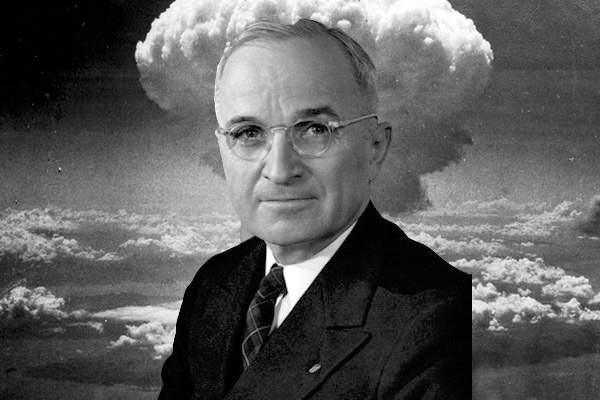
mashupch.com – World War II, one of the most devastating conflicts in human history, ended with two of the most profound decisions in modern warfare: the defeat of Nazi Germany in Europe and the dropping of atomic bombs on Japan in the Pacific. While much of the credit for defeating the Axis powers is often attributed to the military leaders and generals on both sides, the final decision that ultimately shaped the outcome of the war was made by the 33rd President of the United States, Harry S. Truman.

As President, Truman found himself in a unique position. He took office in April 1945, after the sudden death of President Franklin D. Roosevelt, just as the war in Europe was nearing its conclusion. But with Japan’s refusal to surrender, the war in the Pacific was still raging, and Truman faced a monumental decision: how to end the war swiftly while avoiding an even greater loss of life. Truman’s choice to use atomic weapons on Japan remains one of the most controversial and debated decisions in history, shaping the world’s future and his own legacy.

Truman’s Rise to the Presidency

Before delving into the final days of World War II, it’s important to understand the man who made the pivotal decision to use the atomic bomb. Harry S. Truman, a Missouri farm boy with a relatively humble background, had no experience in foreign policy or military strategy when he became vice president in 1944. Roosevelt, who had led the U.S. through much of the Great Depression and World War II, had not fully prepared Truman for the challenges he would face upon taking office. Truman was thrust into leadership unexpectedly when Roosevelt passed away from a stroke on April 12, 1945.

Though Truman was thrust into a role of tremendous responsibility, he quickly proved himself as a decisive leader, particularly during the final phases of World War II. By the time Truman took office, Nazi Germany had already surrendered, but Japan remained defiant. The United States and its allies faced the monumental task of securing a final victory in the Pacific theater.

The Manhattan Project and the Atomic Bomb

One of the key factors that would shape Truman’s decision was the development of the Manhattan Project, a secret U.S. government research project focused on creating the world’s first atomic bomb. The project, initiated under Roosevelt’s administration, was progressing rapidly, and scientists had successfully tested an atomic bomb in the Nevada desert in July 1945.

Truman was informed of the bomb’s existence just after he assumed office. Despite having no prior knowledge of the project, Truman quickly grasped the immense potential of the new weapon. By the summer of 1945, the war in Europe was over, but Japan had shown little interest in surrendering. The United States faced a difficult and costly decision: how to bring the war to a decisive conclusion in the Pacific without sacrificing more American lives.

The Costs of an Invasion

The U.S. military had been engaged in fierce fighting in the Pacific for years, with brutal battles such as those at Iwo Jima and Okinawa showing just how costly the final stages of the war would be. Despite the immense strain on both sides, Japan showed no signs of surrendering. The Japanese military was fiercely committed to fighting to the bitter end, and there were concerns that an invasion of the Japanese mainland would lead to hundreds of thousands of casualties, both American and Japanese.

The U.S. military and the Allied leadership had already been considering a ground invasion of Japan, but the sheer scale of the anticipated battle raised alarms. Estimates for the potential loss of life were staggering, with American casualties potentially reaching over a million and Japanese civilian deaths potentially even higher. There was also the threat of fierce Japanese resistance from civilians, who had been indoctrinated to fight for the emperor.

Faced with this reality, Truman and his advisors began to seriously consider the use of the atomic bomb as a way to force Japan to surrender quickly and decisively, without having to invade the island. The atomic bomb, with its unprecedented destructive power, offered the promise of a swift end to the conflict.

The Decision to Drop the Bomb

In July 1945, as the U.S. was preparing for the Potsdam Conference in Germany, Truman met with British Prime Minister Winston Churchill and Soviet leader Joseph Stalin to discuss the post-war order. By this point, the Allies had begun to discuss the potential use of the atomic bomb against Japan. After the conference, Truman, along with his military advisors, concluded that Japan’s surrender could only be achieved through overwhelming force.

Truman and his team deliberated over several options. The primary alternatives to using the bomb were a continued conventional bombing campaign or a full-scale invasion. However, the devastating effect of the atomic bomb, which could potentially bring the war to a rapid conclusion, was difficult to ignore. Truman’s decision was ultimately guided by a desire to save as many lives as possible and avoid a prolonged, bloody conflict.

On August 6, 1945, the U.S. dropped the first atomic bomb on the Japanese city of Hiroshima. The explosion killed an estimated 70,000 to 80,000 people instantly, with many more dying from radiation sickness and injuries in the weeks and months that followed. Despite this devastating act, Japan showed no signs of surrender.

Three days later, on August 9, 1945, the U.S. dropped a second atomic bomb on the city of Nagasaki, killing an estimated 40,000 to 75,000 people. Finally, on August 15, 1945, Japan announced its unconditional surrender, bringing an end to World War II.

The Aftermath: Controversy and Reflection

Truman’s decision to use the atomic bomb remains one of the most controversial in history. Some argue that it was necessary to end the war quickly and save lives, both American and Japanese, by avoiding a prolonged invasion. Others believe that the bomb was an unnecessary and inhumane use of force, one that inflicted unspeakable suffering on civilians and marked the beginning of the nuclear age, with all its dangerous implications.

Truman himself defended his decision for the rest of his life, believing that the use of the bomb was the only way to end the war quickly and prevent further loss of life. In his memoirs, he wrote, “The Japanese had, in fact, already sued for peace. They were only seeking a way to surrender with honor. They were willing to stop fighting but did not want to face humiliation. The atomic bomb did not force them to surrender, but it was the final push.”

In the years following World War II, the world would begin to grapple with the implications of nuclear weapons. The Cold War between the United States and the Soviet Union would bring the threat of nuclear war to the forefront of global politics, and the ethical debates surrounding the use of atomic bombs continue to this day.

Conclusion: Truman’s Historic Legacy

Truman’s decision to drop the atomic bomb was a defining moment in both his presidency and world history. It ended the deadliest war the world had ever known, but it also introduced the world to the terrifying potential of nuclear warfare. As we reflect on Truman’s decision, it’s important to consider the broader context of the time: a world ravaged by war, a desire to save lives, and the responsibility that comes with wielding such a powerful weapon.

At mashupch.com, we recognize that Truman’s decision, controversial as it may be, was made under extraordinary circumstances. The choices he faced were anything but easy, and the end of World War II marked not just the end of a conflict but the beginning of a new era in global politics, security, and ethical considerations in warfare. Truman’s final decision forever changed the course of history and defined his legacy as a leader who faced the ultimate moral dilemma with unwavering resolve.

The Indian Pink Flower: A Unique Gem of the Wildflower World

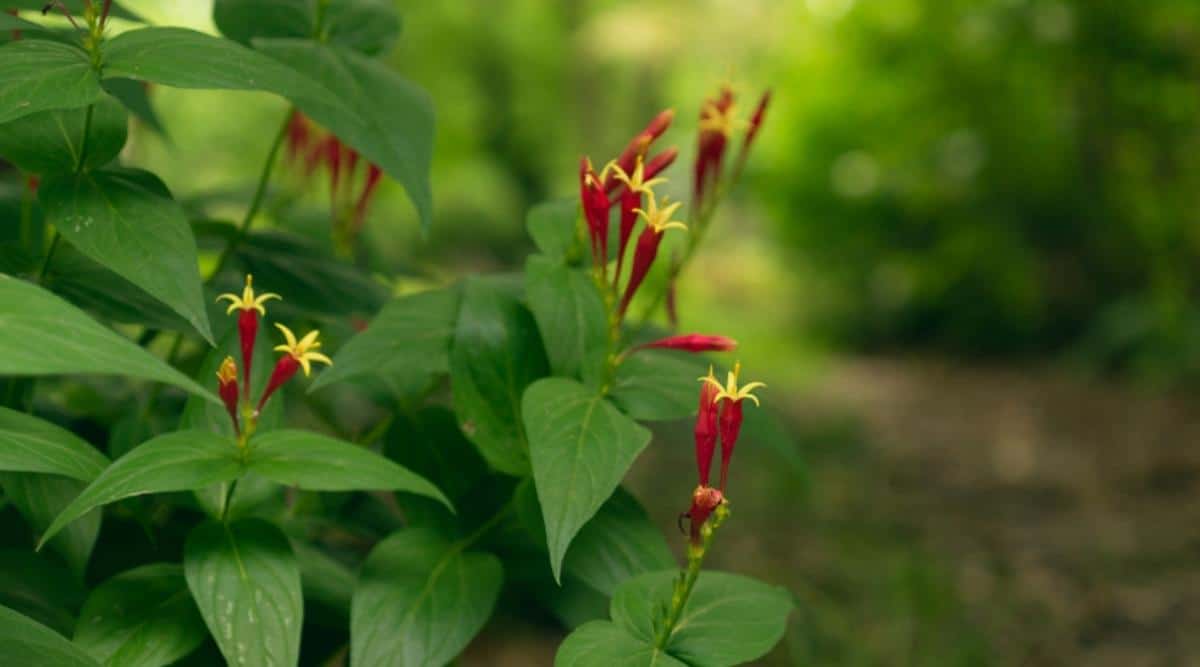
mashupch.com – The Indian Pink (Spigelia marilandica) is a captivating perennial flower native to the eastern United States. Known for its striking appearance and vibrant color, it is a beloved addition to both native gardens and natural landscapes. With its tubular, red and yellow flowers, the Indian Pink is not only a visual delight but also a plant with intriguing characteristics and ecological importance.

Appearance and Characteristics

The Indian Pink is a distinctive plant, often recognized by its tubular, trumpet-like flowers that feature a vivid red to pink color with a yellow interior. These flowers, which grow in clusters, can reach up to 2 inches in length and are known for attracting pollinators. The blooms typically emerge in late spring to early summer, adding a splash of color to woodlands, gardens, and meadows.

The plant itself grows up to 2 feet in height, with long, lance-shaped leaves that form a dense, bushy clump. The striking flowers appear at the top of tall, slender stems, which give the plant a delicate yet graceful appearance. Its foliage is dark green, offering a contrast to the bright blooms and helping to emphasize the vivid colors.

Growing Conditions

Indian Pink flowers thrive in moist, well-drained soils with partial to full shade. They are typically found in the wild in woodland environments, where the soil is rich in organic matter and the plants are protected from harsh direct sunlight. To grow Indian Pink successfully in gardens, ensure they are planted in areas that replicate these conditions. While the plant can tolerate a variety of soil types, it does best in slightly acidic to neutral soil with good moisture retention.

It’s important to note that Indian Pink prefers consistently moist soil, especially during the growing season. However, the plant is not suited to standing water or overly wet environments, as this can lead to root rot. Mulching around the base of the plant can help retain moisture, particularly in dry periods.

Attracting Pollinators

One of the primary reasons the Indian Pink is so highly valued is its role in attracting pollinators. The tubular shape of the flowers is perfectly designed for hummingbirds, who are drawn to their vibrant color and the nectar they provide. Bees and butterflies are also frequent visitors, making the Indian Pink a valuable plant for those looking to support local pollinator populations.

The Indian Pink’s ability to attract a variety of pollinators makes it a fantastic choice for gardeners interested in creating a wildlife-friendly space. By planting this flower, you can contribute to the health of ecosystems and provide sustenance for these essential creatures.

Caring for Indian Pink Flowers

Indian Pink flowers are relatively low-maintenance but require specific care to thrive:

  1. Light: Partial to full shade is ideal. Too much direct sun can scorch the leaves and reduce the number of blooms.
  2. Watering: Keep the soil consistently moist, but ensure good drainage to avoid waterlogging.
  3. Soil: Preferably plant in slightly acidic to neutral, rich, and well-drained soil.
  4. Pruning: Deadheading spent flowers can encourage further blooms, and cutting back the plant after flowering can help maintain a neat appearance.
  5. Winter Care: In colder climates, Indian Pink may die back in the winter but will regrow in the spring. Mulching around the base can help protect the roots from freezing temperatures.

Medicinal and Cultural Significance

Historically, the Indian Pink has been used by some Native American tribes for medicinal purposes. Various parts of the plant were used to treat ailments, such as fevers and infections. However, due to its potent compounds, it’s important to use the plant with caution and only under the guidance of an expert in herbal medicine.

Culturally, the Indian Pink is admired for its beauty and often symbolizes strength and resilience due to its ability to thrive in shaded, moist environments. It also represents the natural splendor of the Eastern U.S. and is a wonderful addition to any native plant garden.

Conclusion

The Indian Pink is a striking flower that brings beauty and ecological value to gardens and natural spaces. With its vibrant red and yellow blooms, its ability to attract pollinators, and its relatively easy care requirements, it’s an excellent choice for gardeners looking to enhance their landscapes. Whether used in a woodland garden, a shaded border, or a pollinator-friendly habitat, the Indian Pink is a wonderful way to celebrate the diversity and beauty of native plants.

The Whimsical Worlds of Jean-Pierre Jeunet

mashupch.com – Jean-Pierre Jeunet, the French filmmaker, is celebrated for his distinctively whimsical and visually enchanting cinematic worlds. Known for films like “Amélie” and “Delicatessen,” Jeunet combines a unique visual style with quirky storytelling, creating rich, fantastical narratives that captivate audiences with their charm and imagination.

A Distinctive Visual Style

Jeunet’s films are instantly recognizable for their vibrant color palettes, meticulous set designs, and imaginative cinematography. His use of warm, saturated colors and playful camera angles creates a dreamlike atmosphere that draws viewers into his whimsical worlds. This distinctive visual style is evident in “Amélie,” where the picturesque portrayal of Paris adds to the film’s enchanting narrative.

Quirky and Endearing Characters

Central to Jeunet’s storytelling are his quirky and endearing characters. His films often feature eccentric protagonists whose peculiarities and charm endear them to audiences. In “Amélie,” the titular character’s whimsical nature and imaginative world view make her an unforgettable and beloved figure in cinema. Jeunet’s ability to craft such unique characters adds depth and heart to his narratives.

Blending Fantasy and Reality

Jeunet masterfully blends elements of fantasy and reality, creating stories that are both fantastical and relatable. His films often explore themes of love, loneliness, and the pursuit of happiness, set against a backdrop of surreal and imaginative worlds. In “Delicatessen,” for example, he combines dark humor with a post-apocalyptic setting to tell a story about survival and human connection.

Collaborative Creativity

Jeunet frequently collaborates with talented artists and craftsmen to bring his visions to life. His partnership with visual effects artist Marc Caro, particularly on films like “The City of Lost Children,” showcases their ability to create visually stunning and intricately detailed worlds. This collaborative approach enhances the richness and depth of Jeunet’s films.

A Lasting Impact on Cinema

Jean-Pierre Jeunet’s whimsical worlds have left a significant mark on cinema, inspiring filmmakers to embrace creativity and imagination. His unique storytelling and visual flair continue to captivate audiences, proving that cinema can be both an art form and a means of escapism.

In conclusion, Jean-Pierre Jeunet’s films are a celebration of whimsy and imagination. Through his distinctive visual style and charming narratives, he invites audiences into enchanting worlds where fantasy and reality coexist. His work remains a testament to the power of creativity in filmmaking.

10 Must-Visit Camping Destinations Around the World

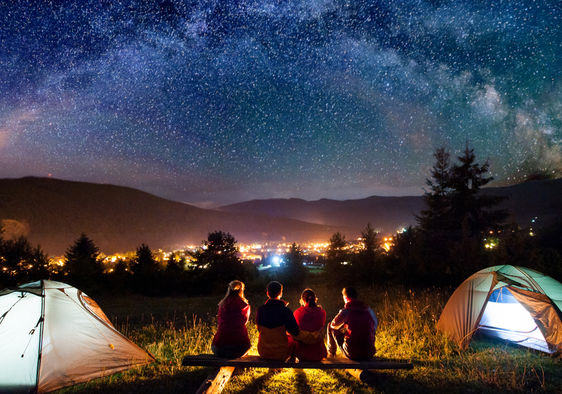
mashupch.com – Camping is not just a way to spend a vacation; it’s an adventure that allows you to reconnect with nature and explore some of the most breathtaking landscapes on Earth. Here are 10 must-visit camping destinations around the world, each offering unique experiences and stunning natural beauty.

1. Banff National Park, Canada

Located in Alberta, Canada, Banff National Park is renowned for its majestic Rocky Mountains, turquoise glacial lakes, and abundant wildlife. Whether you prefer tent camping or glamping, this park offers a variety of options to suit every camper’s needs1.

2. Sahara Desert, Morocco

The Sahara Desert offers a unique camping experience under the vast, starry sky. Camps here provide luxury accommodations with traditional Moroccan decor, making it a perfect blend of comfort and adventure2.

3. Mount Cook National Park, New Zealand

Nestled in the heart of New Zealand, Mount Cook National Park is home to the country’s highest peak, Mount Cook. The park offers stunning landscapes and a variety of camping options, from basic tent sites to more luxurious accommodations2.

4. Nubra Valley, Ladakh, India

The Nubra Valley in Ladakh, India, is known for its beautiful landscapes and unique cultural experiences. Camping here allows you to explore the valley’s sand dunes and ancient monasteries, making it a memorable adventure2.

5. Costa Rica

Costa Rica’s lush rainforests and beautiful coastlines offer some of the best camping experiences in the world. From eco-friendly campsites to luxury glamping options, there’s something for every type of camper3.

6. Chilean Patagonia

Camping in Patagonia, Chile, offers a unique blend of rugged landscapes and eco-friendly camping options. This region is perfect for those who love hiking and exploring natural beauty7.

7. Aman-i-Khas, India

Aman-i-Khas in Rajasthan, India, offers a luxurious glamping experience with a focus on sustainability. Located near the Ranthambore National Park, it’s a perfect spot for wildlife enthusiasts5.

8. Aurora Safari Camp, Sweden

For those looking to catch a glimpse of the Northern Lights, the Aurora Safari Camp in Lapland, Sweden, offers a unique glamping experience. The camp is set in a stunning wilderness area, providing a perfect backdrop for aurora viewing5.

9. Belmond Eagle Island Lodge, Botswana

Located in the Okavango Delta, Belmond Eagle Island Lodge offers a luxurious glamping experience with a focus on wildlife and nature. The lodge is surrounded by waterways and is a great base for exploring the delta5.

10. Camping Mexico, Austria

Camping Mexico in Bregenz, Austria, offers a unique camping experience with views of two countries. Located on the shores of Lake Constance, it’s a perfect spot for those looking to explore the beauty of the Alps12.

These destinations offer a range of experiences, from rugged wilderness to luxurious comfort, making them ideal for every type of camper. Whether you’re an adventure seeker or a luxury glamping enthusiast, these places provide the perfect escape to nature.

The World of Cheese: A Gourmet’s Guide

mashupch.com – Cheese, a beloved dairy product, has been a staple in human diets for thousands of years. Originating from the Middle East, the art of cheese-making has spread across the globe, resulting in a vast array of flavors, textures, and varieties. From the creamy, rich Brie of France to the sharp, crumbly Parmesan of Italy, cheese is a versatile ingredient that can elevate any dish.

The History of Cheese

The origins of cheese date back to around 8000 BCE, when nomadic peoples stored milk in pouches made from the stomachs of animals. The rennet in the stomachs coagulated the milk, leading to the accidental discovery of cheese. Over time, cheese-making techniques were refined, and by the time of the Roman Empire, cheese was a common food item, with Pliny the Elder documenting over 100 varieties in his Natural History.

Types of Cheese

Cheese can be broadly categorized into several types, each with its own unique characteristics:

Soft Cheeses

Soft cheeses, such as Camembert and Feta, have a high moisture content and a creamy texture. They are often mild in flavor and are best enjoyed fresh.

Semi-Soft Cheeses

Semi-soft cheeses like Gouda and Havarti offer a balance between soft and hard cheeses. They have a firmer texture and a more pronounced flavor profile, making them versatile for cooking and snacking.

Hard Cheeses

Hard cheeses like Cheddar and Parmesan are aged for longer periods, which reduces their moisture content and intensifies their flavors. They are often grated or shaved over dishes to add a rich, savory element.

Blue Cheeses

Blue cheeses, including Roquefort and Stilton, are known for their distinctive veins of mold and pungent aroma. These cheeses have a strong flavor and are a polarizing choice among cheese enthusiasts.

Fresh Cheeses

Fresh cheeses, such as Mozzarella and Ricotta, are not aged and are consumed shortly after production. They are characterized by their mild flavor and high moisture content.

Pairing Cheese

The art of pairing cheese with other foods and beverages can enhance the dining experience. Cheese is often paired with wine, with certain wines complementing specific types of cheese. For example, a bold red wine pairs well with aged Cheddar, while a crisp white wine complements the creaminess of Brie.

Cheese in Cuisine

Cheese is a fundamental ingredient in many cuisines around the world. Italian cuisine, in particular, features cheese prominently, with dishes like Pizza and Pasta often topped with Parmesan or Mozzarella. In France, cheese is a course unto itself, with cheese platters featuring a variety of cheeses served with bread and fruit.

Conclusion

Cheese is more than just a food; it’s a cultural phenomenon that has evolved over millennia. With its endless varieties and uses, cheese continues to be a source of culinary inspiration and enjoyment. Whether enjoyed on its own or as part of a dish, cheese remains a cherished ingredient in kitchens around the world.