
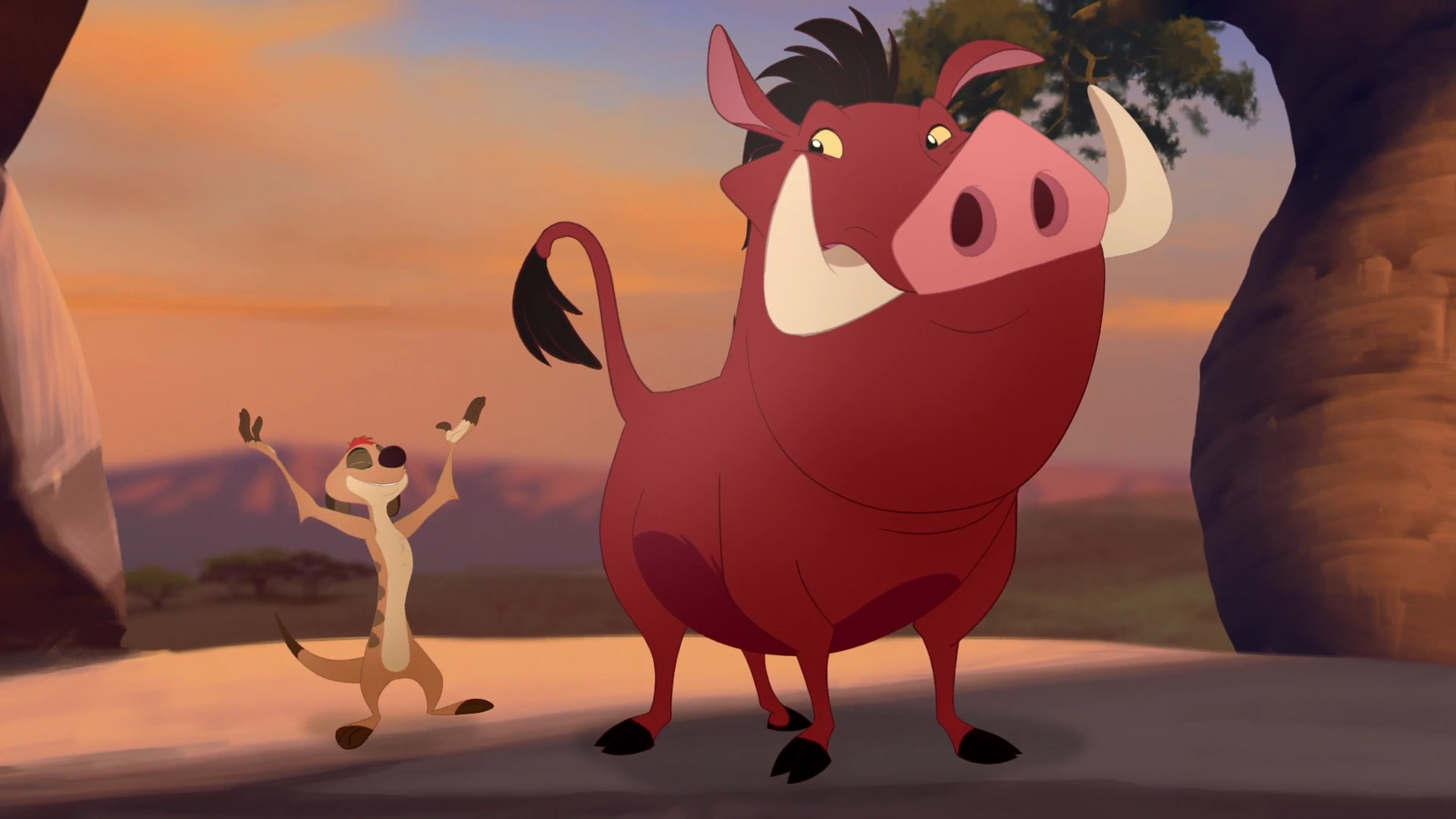
mashupch.com – Timon and Pumbaa are among Disney’s most beloved comic characters, primarily known for their appearances in The Lion King (1994), where they became fan favorites. The duo—an optimistic, quick-witted meerkat and a laid-back, fun-loving warthog—provides some of the most memorable and humorous moments in the Lion King franchise. While they are best known for their role in Simba’s life, they have also made notable appearances in other parts of the Disney universe, including the Aladdin franchise. Through their humor, loyalty, and wisdom, Timon and Pumbaa stand as enduring symbols of friendship and joy.
This article explores the origin, development, and legacy of Timon and Pumbaa in The Lion King, their dynamic roles within the franchise, and their surprising appearances in the Aladdin universe, highlighting their appeal and lasting cultural impact.
Timon and Pumbaa: A Dynamic Duo
Timon and Pumbaa’s personalities are perfectly complementary, making them one of the most iconic duos in Disney history. The relationship between the two is built on a shared philosophy of “Hakuna Matata,” a Swahili phrase meaning “no worries.” While Timon often embodies the more clever, scheming side of the duo, always thinking of ways to make life easier and more fun, Pumbaa brings a sense of calm and simplicity with his easygoing attitude.
Timon: The Quick-Witted Meerkat
Timon is a small, fast-talking meerkat who can often be found scheming for his next meal or new adventure. With his sharp wit and self-assured attitude, Timon is the voice of reason when it comes to escaping danger or overcoming challenges. His cleverness is often on display as he navigates various situations, always managing to find a way out with his quick thinking and bold decisions.
Although Timon is quick to offer advice, it’s his humor and sarcasm that make him truly endearing to the audience. Despite his sometimes self-serving nature, Timon has a big heart, and his loyalty to his friends—especially Pumbaa and Simba—defines his character arc in The Lion King. Over the course of the film, Timon grows from a carefree, opportunistic individual to someone who takes on a more significant, supportive role, especially in helping Simba reclaim his rightful place as king.
Pumbaa: The Laid-Back Warthog
Pumbaa, the lovable and gentle warthog, contrasts Timon’s quickness with his calm, slow-moving, and somewhat naïve nature. He is characterized by his massive heart and sincere compassion for others. Pumbaa is the perfect foil to Timon’s sharpness, offering a refreshing dose of positivity and emotional support throughout their adventures.
While Timon is often the mastermind behind the duo’s schemes, it’s Pumbaa who represents the heart of their partnership. His ability to live in the moment and focus on the simpler pleasures of life is a key part of the “Hakuna Matata” philosophy, which both characters embrace. Despite his occasional lack of awareness about the world around him, Pumbaa is always there for his friends, ready to offer support, comfort, and a good laugh.
The Role of Timon and Pumbaa in The Lion King
Timon and Pumbaa are instrumental in Simba’s journey of self-discovery in The Lion King. After Simba flees the Pride Lands following his father’s tragic death, he encounters Timon and Pumbaa, who take him in and teach him their carefree philosophy. The duo encourages Simba to let go of his guilt and live a worry-free life. Although their philosophy contrasts with the traditional wisdom of Simba’s father, Mufasa, Timon and Pumbaa’s influence on Simba proves to be crucial during a pivotal time in his life.
While their carefree attitude offers Simba a way to escape the emotional weight of his past, Timon and Pumbaa also act as his family and emotional support system. Their loyalty to Simba, even when he struggles to face his true responsibilities, is a testament to the strength of their friendship. Their antics provide comic relief, but their role in Simba’s development as a king is a more subtle and important aspect of their character arc.
In the iconic “Hakuna Matata” sequence, Timon and Pumbaa introduce Simba to their carefree lifestyle, singing the song that would become one of the film’s most memorable and beloved tunes. This moment captures the essence of their character dynamic, blending humor with heart, and it helps to lighten the mood during a dark and emotionally charged period of Simba’s journey.
Timon and Pumbaa’s Impact on The Lion King Franchise
Since their debut in The Lion King, Timon and Pumbaa have gone on to have their own spin-off series, Timon & Pumbaa, which aired from 1995 to 1999. The series showcased their antics and adventures as they traveled the world, meeting new characters and getting involved in various comedic escapades. While the show maintained the light-hearted tone of their original film, it also expanded their personalities and allowed them to interact with a wide array of characters from other Disney properties.
Timon and Pumbaa’s appeal transcended their original film, and they became one of Disney’s most recognizable duos. Their message of living without worries, embracing the present moment, and caring for friends continues to resonate with audiences today.
The Evolution of Timon and Pumbaa in The Lion King Remake
The 2019 live-action remake of The Lion King brought Timon and Pumbaa back to the big screen, with their comedic dynamic once again playing a crucial role in Simba’s journey. The remake preserved their iconic personalities, but it also added a modern twist to their interactions. The CGI rendering of Timon and Pumbaa in the remake gave the characters a more realistic look, while still capturing the charm and humor that made them so beloved in the original.
The live-action version of The Lion King also provided a new generation of viewers with the opportunity to experience Timon and Pumbaa’s unique brand of humor and friendship, ensuring that their legacy continues to thrive.
Timon and Pumbaa in the Aladdin Universe
While Timon and Pumbaa are most closely associated with The Lion King, they have also made surprise appearances in the Aladdin franchise, creating fun crossovers that fans have come to love. These appearances demonstrate the versatility of their characters and how they can seamlessly integrate into different Disney universes.
In Aladdin and the King of Thieves (1996), Timon and Pumbaa make a cameo appearance during the film’s climax, when they assist the main characters in their efforts to thwart the evil plans of the antagonist. Their appearance in this film is a humorous break from the action, with Timon and Pumbaa offering comedic relief through their usual antics. Although they don’t have a central role in the film, their presence adds an unexpected layer of fun and surprise to the Aladdin universe.
Timon and Pumbaa’s appearances in Aladdin and the King of Thieves highlight the playful crossover possibilities within Disney’s animated world. Their humorous presence in a different universe not only delights fans of both franchises but also emphasizes their status as universal symbols of friendship and joy.
Additionally, Timon and Pumbaa made several appearances in The Wonderful World of Disney and other Disney crossover events, further solidifying their place in the broader Disney universe.
Timon and Pumbaa’s Legacy: Icons of Humor, Friendship, and Life Lessons
Timon and Pumbaa’s cultural impact extends far beyond The Lion King and Aladdin. As a comedic duo, they have become symbols of positivity, loyalty, and living life to the fullest. Through their adventures with Simba, their mantra of “Hakuna Matata” became a global phenomenon, representing an approach to life that emphasizes optimism, resilience, and the importance of friendship.
Their personalities and unique dynamic have earned them a special place in the hearts of Disney fans. Timon’s cleverness and Pumbaa’s warmth create a balance that makes their relationship not only comedic but also heartwarming. Their impact on audiences, especially children, has made them enduring figures in popular culture, and their legacy continues to inspire new generations of Disney fans.
Life Lessons from Timon and Pumbaa
Despite their comedic nature, Timon and Pumbaa offer several valuable life lessons, including:
- Embrace the Present: Timon and Pumbaa teach Simba (and the audience) the importance of living in the moment and not dwelling on the past. Their “Hakuna Matata” philosophy is about letting go of worries and enjoying life as it comes.
- The Power of Friendship: Timon and Pumbaa’s unwavering loyalty to each other and Simba highlights the importance of strong, supportive friendships. They show that true friends are always there for you, no matter the circumstances.
- Self-Acceptance: Timon and Pumbaa embrace who they are, quirks and all, and encourage others to do the same. They help Simba grow by allowing him to find his true self without fear of judgment.
- Humor in Hardship: Even during tough times, Timon and Pumbaa use humor to lighten the mood and offer comfort. They show that laughter can be a powerful tool for coping with life’s challenges.
Conclusion: Timon and Pumbaa’s Enduring Charm
Timon and Pumbaa are much more than just comic relief—they are beloved characters who embody the values of friendship, positivity, and resilience. Their journey in The Lion King helped make the film a timeless classic, and their appearances in other Disney franchises, including Aladdin, have further solidified their status as cultural icons. Whether providing a laugh, offering life lessons, or lending a helping hoof, Timon and Pumbaa’s enduring legacy ensures that they will continue to be cherished by fans for generations to come.