
Danish Beer: A Brewmaster’s Paradise – History of Danish Beer

mashupch.com – Danish beer has a rich history and a global reputation for quality and innovation. From traditional lagers to experimental craft beers, Denmark offers a diverse range of brews to satisfy every palate.

A Brief History of Danish Beer

Beer brewing in Denmark dates back to the Viking Age. Over the centuries, Danish brewers have refined their craft, producing beers that have become synonymous with quality and taste. In the 19th century, the industrial revolution brought significant advancements in brewing techniques, leading to the rise of large-scale breweries and the production of consistent, high-quality beers.

Key Characteristics of Danish Beer

  • Quality and Purity: Danish brewers prioritize quality and purity, adhering to strict guidelines and using high-quality ingredients.
  • Diverse Styles: Danish breweries offer a wide range of beer styles, from traditional lagers to experimental IPAs and stouts.
  • Innovation and Experimentation: Danish brewers are known for their willingness to experiment with new flavors, techniques, and ingredients.
  • Balanced Flavors: Danish beers are often characterized by their balanced flavor profiles, with a harmonious blend of malt, hops, and yeast.

Popular Danish Beer Styles

  • Pilsner: A light, crisp lager with a clean, refreshing taste.
  • Mørk Øl: A dark, malty beer with a rich, complex flavor.
  • IPA: A hoppy beer with a strong, bitter flavor.
  • Stout: A dark, full-bodied beer with a rich, creamy texture.
  • Saison: A farmhouse ale with a complex flavor profile, often featuring fruity and spicy notes.

Renowned Danish Breweries

  • Carlsberg: One of the world’s largest breweries, Carlsberg produces a wide range of beers, including Pilsner, Tuborg, and special seasonal brews.
  • Øllet Bryggeri: A craft brewery known for its innovative beers, often featuring unusual ingredients and unique flavor combinations.
  • Mikkeller: A global craft brewery with a strong focus on experimentation and creativity.
  • To Øl: A Copenhagen-based brewery that produces a wide range of high-quality beers, from classic styles to experimental brews.

Danish Beer Culture

Beer culture is deeply ingrained in Danish society. Beer is often enjoyed with food, whether it’s a traditional Danish dish or a modern culinary creation. Beer festivals and tasting events are popular throughout the year, providing opportunities for beer enthusiasts to discover new brews and connect with other beer lovers.

Danish beer has come a long way, from its humble beginnings to its current status as a global phenomenon. With its rich history, diverse styles, and commitment to quality, Danish beer continues to captivate the world.

Chleb: The Heart of Polish Meals – A Brief History of Chleb

mashupch.com – Chleb, or bread, is a fundamental element of Polish cuisine. It’s a staple food, often served alongside meals or enjoyed as a simple snack. The type of bread varies across regions and occasions, but it’s always a comforting and satisfying part of the Polish dining experience.

A Brief History of Chleb

The history of bread in Poland is deeply rooted in the country’s agricultural traditions. For centuries, Polish people have been skilled in the art of bread-making, using locally sourced grains such as rye, wheat, and barley. Bread has been a staple food for generations, providing sustenance and nourishment.

Types of Chleb

There are numerous types of chleb, each with its own unique characteristics and flavor profile. Some of the most popular varieties include:

  • Chleb żytni: Rye bread, a dark and dense bread with a rich, nutty flavor. It is often served with butter, cheese, or cold cuts.
  • Chleb pszenny: Wheat bread, a lighter and more airy bread that can be used for sandwiches or toast.
  • Bułka: A small, round roll that is often served with soup or as a snack.
  • Bagietka: A French-style baguette, popular in Poland and often used for sandwiches.

How to Enjoy Chleb

Chleb can be enjoyed in a variety of ways. Here are some popular methods:

  • With butter and cheese: A simple yet delicious combination.
  • With cold cuts: A classic Polish snack or meal.
  • With soup: Chleb is often served alongside soup to soak up the broth.
  • As toast: Chleb can be toasted and spread with butter, jam, or other toppings.
  • As sandwiches: Chleb is the perfect base for a variety of sandwiches, both sweet and savory.

Chleb in Polish Culture

Chleb holds a special place in Polish culture. It is often associated with hospitality, warmth, and family. Sharing a loaf of bread with others is a gesture of friendship and welcome.

In addition to its culinary significance, chleb has also played a role in Polish folklore and traditions. It is often used in religious ceremonies and rituals, symbolizing nourishment and abundance.

Hiroshima City: A Journey Through History and Renewal

mashupch.com – Hiroshima City, located in the western part of Japan’s Honshu Island, is a place where history and modernity coexist harmoniously. Known worldwide for its tragic past, Hiroshima has emerged as a symbol of peace and resilience. This article explores the historical significance, cultural attractions, and vibrant life of Hiroshima City.

A City with a Profound History

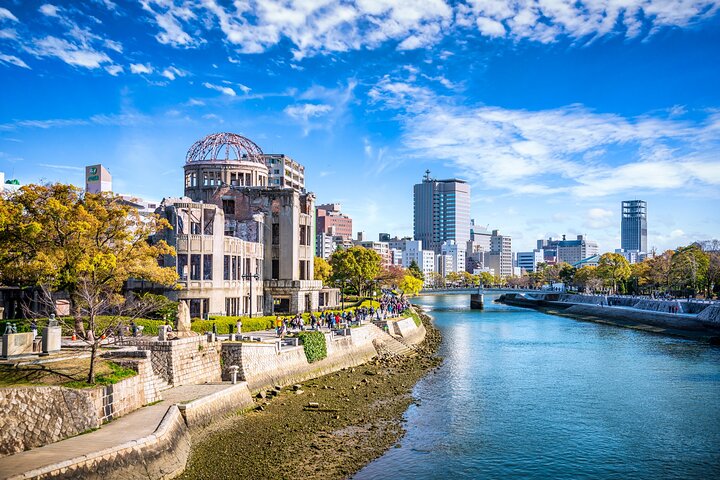
Hiroshima’s name is forever etched in history due to the events of August 6, 1945, when it became the first city to suffer an atomic bombing during World War II. The impact was devastating, but the city’s recovery and commitment to peace have made it a beacon of hope. The Hiroshima Peace Memorial Park stands as a poignant reminder of the past, featuring the iconic Atomic Bomb Dome and the Hiroshima Peace Memorial Museum, which educates visitors about the consequences of nuclear warfare and the importance of peace.

Cultural and Historical Attractions

In addition to its historical significance, Hiroshima is home to a wealth of cultural and historical sites. The Hiroshima Castle, originally built in the 16th century, offers a glimpse into the city’s feudal past. Reconstructed after the war, the castle now houses a museum with exhibits on Hiroshima’s history. Shukkeien Garden, a traditional Japanese garden, provides a tranquil escape in the heart of the city, showcasing beautifully manicured landscapes and serene ponds.

Culinary Delights: Hiroshima-style Okonomiyaki

Hiroshima is renowned for its unique take on okonomiyaki, a savory pancake made with layers of batter, cabbage, pork, and noodles, topped with a rich sauce. This local delicacy can be enjoyed at numerous restaurants throughout the city, particularly in the bustling Okonomimura district, which is dedicated to this beloved dish. Hiroshima’s culinary scene also features fresh seafood from the Seto Inland Sea and locally brewed sake, offering a diverse array of flavors for visitors to savor.

Natural Beauty and Island Excursions

Surrounded by natural beauty, Hiroshima offers numerous opportunities for outdoor exploration. The nearby island of Miyajima, a short ferry ride away, is famous for the Itsukushima Shrine and its “floating” torii gate, a UNESCO World Heritage site. The island’s scenic hiking trails and friendly deer make it a popular day-trip destination. Closer to the city, the Mitaki-dera Temple, nestled in the lush hills, provides a peaceful retreat with its ancient pagodas and waterfalls.

A Modern and Vibrant City

Today, Hiroshima is a thriving urban center with a lively arts and entertainment scene. The city’s shopping districts, such as Hondori Street, offer a mix of traditional shops and modern boutiques. Hiroshima’s cultural calendar is packed with events, including the Hiroshima Flower Festival and the Hiroshima International Animation Festival, celebrating the city’s artistic spirit and creativity.

Conclusion

Hiroshima City is a testament to the power of resilience and renewal. From its sobering history to its vibrant present, Hiroshima offers a rich tapestry of experiences for visitors. Whether reflecting on its past at the Peace Memorial Park, indulging in its culinary delights, or exploring its natural beauty, Hiroshima is a city that captivates the heart and inspires hope for a peaceful future.

The Significance of the Crimean Peninsula in Ukraine’s History

mashupch.com – The Crimean Peninsula, a strategically located and historically rich region, has played a crucial role in Ukraine’s history. Its unique geographical position and diverse cultural heritage have made Crimea a focal point of geopolitical interest and conflict over the centuries. This article explores the historical significance of Crimea and its impact on Ukraine’s national identity and political landscape.

Historical Background

The history of the Crimean Peninsula is marked by a tapestry of cultural influences and political changes. Throughout the centuries, Crimea has been inhabited by various ethnic groups, including the ancient Greeks, Scythians, and Tatars. It became a significant center of trade and cultural exchange due to its location along important maritime routes.

In the late 18th century, Crimea was annexed by the Russian Empire, becoming a key naval base for the Black Sea Fleet. The peninsula’s strategic importance continued through the Soviet era, during which it hosted critical military installations.

Crimea’s Role in Modern Ukraine

In 1954, Crimea was transferred from the Russian Soviet Federative Socialist Republic to the Ukrainian Soviet Socialist Republic by Soviet leader Nikita Khrushchev. This decision was largely symbolic at the time, as both republics were part of the Soviet Union. However, it gained significant political importance following Ukraine’s independence in 1991.

As part of independent Ukraine, Crimea enjoyed autonomous status, with its own parliament and government. The peninsula remained a multicultural region, home to ethnic Russians, Ukrainians, and Crimean Tatars. Its strategic location and resources, including tourism and agriculture, added to its economic significance.

The Annexation of Crimea

The Crimean Peninsula became a focal point of international attention in 2014 when Russia annexed it following the Euromaidan movement and the ousting of Ukraine’s President Viktor Yanukovych. The annexation, widely condemned by the international community, was seen as a violation of international law and Ukraine’s sovereignty.

The annexation has had profound implications for Ukraine, leading to strained relations with Russia and ongoing geopolitical tensions. It also highlighted the complex historical ties between Crimea and Ukraine, as well as the challenges of navigating national identity and regional autonomy.

Cultural and Social Significance

Beyond its geopolitical importance, Crimea holds significant cultural and social value for Ukraine. The peninsula is home to a rich tapestry of historical sites, including ancient ruins, palaces, and religious monuments. It is also a cultural melting pot, reflecting the diverse heritage of its inhabitants.

The Crimean Tatars, who faced deportation during the Soviet era, have a unique cultural and historical connection to the peninsula. Their return and resettlement in Crimea have been integral to preserving the region’s cultural diversity and heritage.

Conclusion

The Crimean Peninsula’s significance in Ukraine’s history is multifaceted, encompassing strategic, cultural, and social dimensions. Its complex past and contested present continue to shape Ukraine’s national identity and geopolitical landscape. Understanding Crimea’s historical importance is essential for appreciating the broader context of Ukraine’s ongoing struggle for sovereignty and territorial integrity.

Albania’s Influence on European History

mashupch.com – Albania, a small yet strategically located country in the Balkans, has played a significant role in European history. Despite its size, Albania’s influence extends across various historical epochs, from ancient times to the modern era. This article explores the pivotal contributions and influences of Albania on the broader European historical landscape.

Ancient Illyrian Roots

The roots of Albania’s historical influence can be traced back to the ancient Illyrians, an Indo-European people who inhabited the western Balkans. The Illyrians were known for their skills in warfare and trade, and they established several powerful kingdoms, such as the Kingdom of Dardania and the Kingdom of Epirus. These kingdoms engaged in commerce and conflict with neighboring civilizations, including the Greeks and Romans, leaving a lasting impact on the region’s development.

The Roman and Byzantine Eras

As part of the Roman Empire, and later the Byzantine Empire, Albania’s strategic location served as a crucial link between the Western and Eastern worlds. The Via Egnatia, a major Roman road, passed through Albanian territory, facilitating trade and cultural exchange between Rome and Byzantium. This connectivity allowed Albania to play a role in the spread of Christianity and the blending of Eastern and Western cultural elements.

The Ottoman Period

The Ottoman Empire’s expansion into the Balkans in the late Middle Ages brought significant changes to Albania. Despite being under Ottoman rule for several centuries, Albania retained a distinct cultural identity. The legendary Albanian national hero, Skanderbeg, resisted Ottoman forces for decades, becoming a symbol of resistance and inspiring other European powers to challenge Ottoman dominance. Skanderbeg’s legacy continues to influence Albanian national consciousness and European perceptions of resistance against the Ottomans.

The Albanian Renaissance

In the 19th century, the Albanian Renaissance was a cultural and political movement that sought to revive Albanian national identity and secure independence from the Ottoman Empire. Prominent figures like Pashko Vasa and Ismail Qemali played crucial roles in advocating for Albanian independence and the preservation of the Albanian language and culture. This movement contributed to the broader wave of nationalism that swept across Europe during this period.

Albania in the 20th Century

Albania’s influence on European history continued into the 20th century, particularly during the Cold War. Under the leadership of Enver Hoxha, Albania became one of the most isolated and Stalinist regimes in Europe. Despite its isolation, Albania’s unique position as a communist state that distanced itself from both the Soviet Union and China intrigued Western powers, adding complexity to Cold War dynamics in the region.

Albania’s Path to European Integration

Today, Albania is on a path towards European integration, aspiring to join the European Union. The country’s efforts to embrace democratic reforms, economic development, and regional cooperation reflect its ongoing influence in shaping the future of the Balkans and its role in European stability and progress.

Conclusion

Albania’s influence on European history is characterized by its strategic location, cultural resilience, and significant historical figures. From ancient Illyrian times to its modern aspirations for European integration, Albania has played a crucial role in shaping the historical and cultural landscape of Europe. As the country continues to forge its path in the 21st century, Albania’s historical legacy remains a testament to its enduring influence on the continent.