
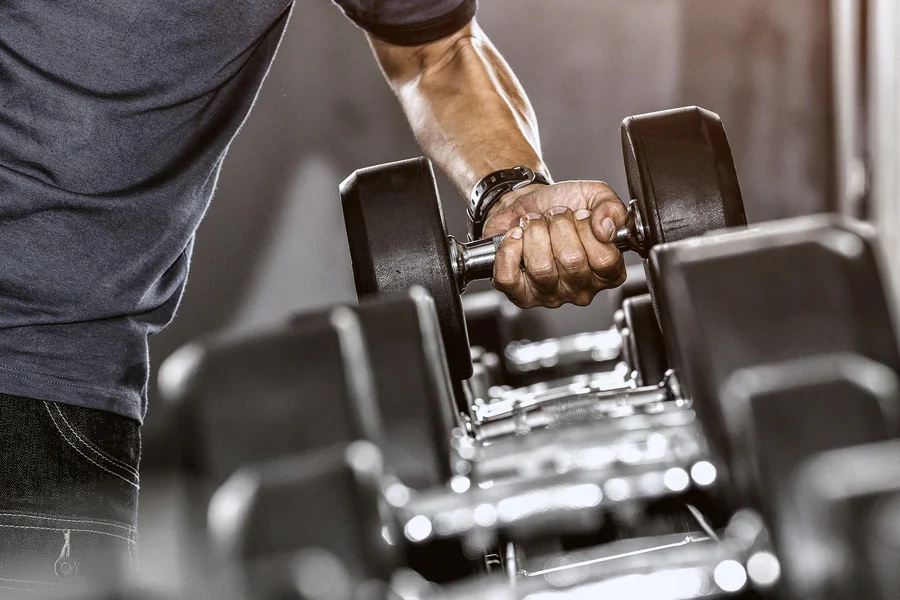
mashupch.com – Dumbbells are among the most versatile and accessible pieces of equipment in the world of fitness. From beginners to seasoned athletes, dumbbells can be used for a variety of exercises that improve strength, endurance, balance, and coordination. In this comprehensive guide, we will explore everything there is to know about dumbbells, including their types, benefits, proper usage, and how to integrate them into your workout routine.
What are Dumbbells?
A dumbbell is a type of free weight that typically consists of a short bar with a weight at either end. Unlike barbells, which require both hands to hold, dumbbells are designed for single-hand use and come in various weights. Dumbbells can be used to train nearly every muscle group, including the chest, back, shoulders, arms, and legs.
The Anatomy of a Dumbbell
Dumbbells have a simple structure but vary in design depending on the type and purpose. Most dumbbells consist of three main parts:
- The Handle: This is the central bar that connects the two weights. It is typically made from metal or coated with rubber for better grip.
- The Weights: The weight portion of the dumbbell is typically made of cast iron, steel, or rubber. They are attached to both ends of the handle and come in various sizes and shapes.
- The Collar (optional): Some adjustable dumbbells have collars that can be used to secure weight plates in place, allowing you to modify the weight according to your needs.
Types of Dumbbells
Dumbbells come in various designs, each suited for different purposes. Some are more traditional, while others are designed with modern, adjustable features. Here are the main types of dumbbells:
1. Fixed-Weight Dumbbells
Fixed-weight dumbbells are the most common type of dumbbells found in gyms and homes. These dumbbells are cast in a specific weight and cannot be adjusted. They are usually made of solid steel or coated in rubber or vinyl. Fixed-weight dumbbells are available in a wide range of sizes, and their simplicity and durability make them ideal for those who prefer a consistent weight for their exercises.
- Pros: Durable, easy to use, and available in a variety of weight increments.
- Cons: You need a large number of dumbbells to progress to heavier weights, which may require significant storage space.
2. Adjustable Dumbbells
Adjustable dumbbells are a convenient option for those who want the flexibility to change the weight without needing multiple sets. These dumbbells have removable weight plates that can be added or removed using a pin or dial system to adjust the overall weight. Adjustable dumbbells are perfect for people with limited space, as they allow you to customize the weight for different exercises.
- Pros: Space-saving, cost-effective, and versatile.
- Cons: Can take time to adjust, and the design may not be as comfortable as fixed dumbbells.
3. Hex Dumbbells
Hex dumbbells are shaped like a hexagon, with flat edges that prevent them from rolling away when placed on the floor. These dumbbells are commonly used in commercial gyms and are often made from cast iron or rubber-coated materials. The hexagonal shape adds stability and is particularly useful for exercises such as push-ups, renegade rows, and exercises that require the dumbbells to rest on the ground.
- Pros: Stable, durable, and provide a safe option for floor-based exercises.
- Cons: Can be bulkier compared to round dumbbells.
4. Neoprene-Coated Dumbbells
Neoprene-coated dumbbells are lightweight dumbbells that are typically used for light resistance exercises, such as aerobics or rehabilitation training. The neoprene coating provides a non-slip grip and protects the dumbbells from damage. These dumbbells are usually smaller in weight and are popular in home workout settings.
- Pros: Comfortable grip, non-slip surface, and color-coded for easy identification.
- Cons: Not suitable for heavy lifting, and limited weight increments.
5. Rubber-Coated Dumbbells
Rubber-coated dumbbells are similar to hex dumbbells but feature a rubber coating on the ends of the weights. The rubber helps protect the dumbbells and the floor from damage, making them a common choice for commercial gyms. These dumbbells are available in a wide range of weights and are designed for both heavy lifting and general fitness routines.
- Pros: Durable, protect the floor, and reduce noise.
- Cons: Typically more expensive than standard steel dumbbells.
Benefits of Using Dumbbells in Your Workout Routine
Dumbbells offer numerous benefits that make them an essential tool in any strength-training program. Here are some of the key advantages:
1. Improved Muscle Imbalance and Symmetry
One of the primary benefits of using dumbbells is that they help correct muscle imbalances. Since each hand is responsible for lifting a separate dumbbell, it forces each side of your body to work independently. This reduces the risk of developing muscular imbalances, which can lead to poor posture and injury.
2. Increased Range of Motion
Dumbbells allow for a greater range of motion compared to barbells and machines, which are often limited by fixed tracks or grips. This increased range of motion helps engage more muscle fibers, leading to more effective muscle growth and development.
3. Better Stabilizer Muscle Activation
When you lift a dumbbell, your stabilizer muscles—small muscles that support your joints—are activated to help you control the weight. This is especially true for free-weight exercises like dumbbell presses, lunges, and rows. Strengthening these stabilizer muscles improves joint stability and helps prevent injury.
4. Versatility in Exercise Selection
Dumbbells are incredibly versatile, and you can use them for a variety of exercises targeting every muscle group in the body. From compound movements like squats, presses, and deadlifts to isolation exercises like bicep curls and tricep extensions, dumbbells offer a wide range of possibilities for building strength, endurance, and muscle mass.
5. Space-Efficient and Convenient
Dumbbells are relatively compact compared to other strength-training equipment, such as barbells or machines. This makes them perfect for home gyms or those with limited space. With adjustable dumbbells, you can save even more space, as they allow you to have multiple weights in one set.
6. Enhanced Coordination and Balance
Because dumbbell exercises typically involve unilateral movements, they require more coordination and balance. Performing exercises with dumbbells engages core muscles and helps improve overall balance and coordination. This is particularly beneficial for functional strength and athletic performance.
Key Dumbbell Exercises
Dumbbells can be used for a variety of exercises that target multiple muscle groups. Here are some of the most effective dumbbell exercises:
1. Dumbbell Squats
Dumbbell squats are a great lower-body exercise that targets the quadriceps, hamstrings, glutes, and core. To perform a dumbbell squat:
- Hold a dumbbell in each hand at shoulder height or let them hang by your sides.
- Lower your body into a squat position by bending your knees and hips.
- Push through your heels to return to the starting position.
2. Dumbbell Bench Press
The dumbbell bench press is a chest exercise that targets the pectoral muscles, shoulders, and triceps. To perform the exercise:
- Lie on a flat bench with a dumbbell in each hand, palms facing forward.
- Press the dumbbells upward until your arms are fully extended.
- Lower the dumbbells back down until your elbows are at about a 90-degree angle, then press them back up.
3. Dumbbell Rows
Dumbbell rows target the back muscles, including the lats, traps, and rhomboids. To perform dumbbell rows:
- Place one knee and hand on a bench while holding a dumbbell in your free hand.
- Pull the dumbbell up toward your hip, keeping your elbow close to your body.
- Lower the dumbbell back down and repeat on the other side.
4. Dumbbell Shoulder Press
The dumbbell shoulder press works the deltoid muscles in the shoulders and triceps. To perform the exercise:
- Sit or stand with a dumbbell in each hand at shoulder height.
- Press the dumbbells overhead until your arms are fully extended.
- Lower the dumbbells back down to shoulder height and repeat.
5. Dumbbell Lunges
Dumbbell lunges are excellent for targeting the quads, glutes, and hamstrings. To perform the exercise:
- Hold a dumbbell in each hand at your sides.
- Step forward into a lunge, lowering your back knee toward the floor.
- Push off the front foot to return to the starting position, then repeat on the other side.
Safety Tips for Dumbbell Training
While dumbbells are relatively safe, it’s important to practice proper form and follow safety guidelines to prevent injury. Here are some tips:
- Warm-Up: Always warm up before lifting dumbbells to prepare your muscles and joints for the workout.
- Start Light: If you’re new to dumbbell exercises, start with a lighter weight to practice proper form and gradually increase the weight as you progress.
- Focus on Form: Proper form is key to avoiding injury. Pay attention to your posture, alignment, and movement patterns while lifting.
- Use a Spotter: If you’re lifting heavy dumbbells, consider using a spotter for exercises like the dumbbell bench press to ensure safety.
- Don’t Overload: Avoid lifting weights that are too heavy for your current fitness level. Progressive overload should be done gradually to prevent strain and injury.
Conclusion
Dumbbells are one of the most versatile and effective tools for strength training. Whether you’re working out at home or in a gym, dumbbells allow for a wide range of exercises that target different muscle groups and improve strength, balance, and coordination. Their portability, accessibility, and ability to correct muscle imbalances make them an essential piece of equipment for any fitness routine. By incorporating dumbbells into your training, you can achieve your fitness goals and enjoy the many benefits of strength and conditioning.