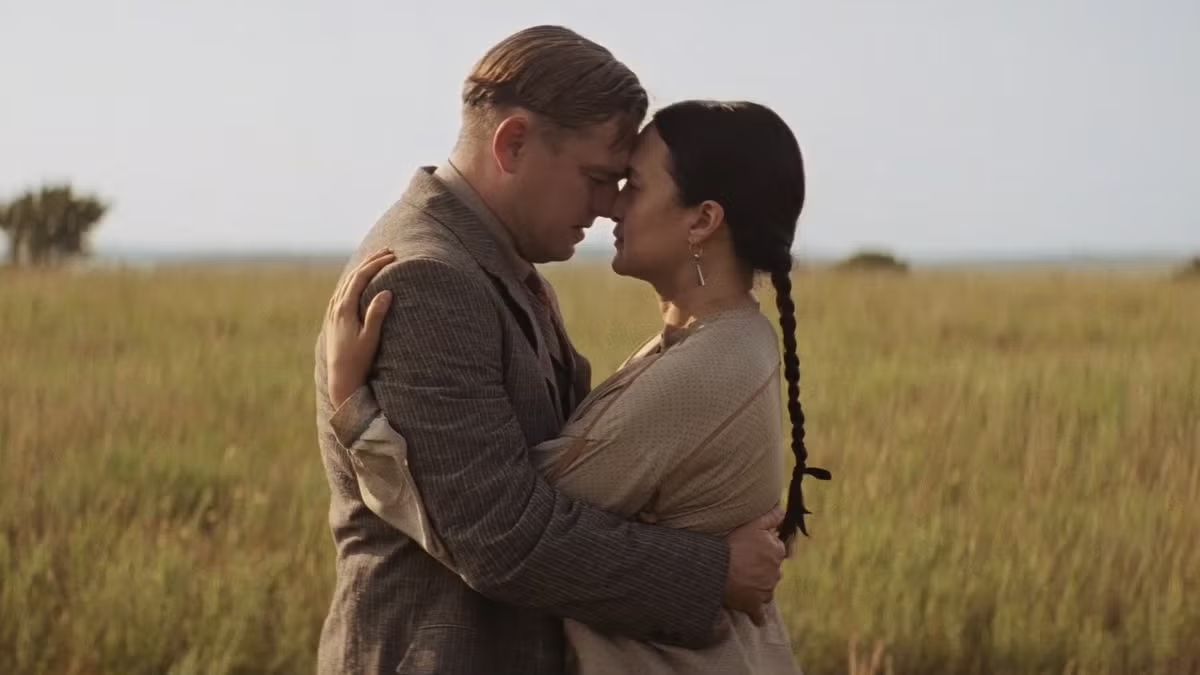
Killers of the Flower Moon: The Osage Nation Murders

mashupch.com – Martin Scorsese is widely regarded as one of the greatest filmmakers in the history of cinema, with a career spanning over five decades and an iconic collection of films. His works often explore complex themes such as guilt, redemption, morality, and the darker sides of human nature. With Killers of the Flower Moon, Scorsese ventures into new territory by bringing to light a dark chapter of American history—the Osage Nation murders in 1920s Oklahoma. Based on David Grann’s non-fiction book Killers of the Flower Moon: The Osage Murders and the Birth of the FBI, the film chronicles the systemic exploitation and brutal killings of the Osage people during a period of intense racial and economic turmoil.

This article will explore the historical background of the Osage Nation murders, the key elements of Scorsese’s adaptation, and how the film shines a light on the forgotten injustices of early 20th-century America. It will also examine the performances by the cast, including Leonardo DiCaprio and Robert De Niro, and how the film handles themes of greed, betrayal, and systemic racism.

The Osage Murders: A Tragic and Overlooked Chapter in American History

In the early 20th century, the Osage Nation, a Native American tribe that had been relocated to Oklahoma, became one of the wealthiest communities in the United States. The Osage were sitting on valuable land that held immense oil reserves, and as the oil boom took off, the tribe reaped the rewards. In the 1920s, Osage individuals were among the richest people in the world, and their newfound wealth made them targets for exploitation and violence.

However, their prosperity came at a deadly cost. As their fortunes grew, so did the exploitation and deception that accompanied it. White settlers and businessmen, eager to gain access to the Osage wealth, began a systematic campaign of murder, deceit, and fraud to steal land and oil rights from the Osage people. This culminated in a series of horrific murders, known as the Osage Reign of Terror, where dozens of Osage were killed or poisoned under mysterious circumstances. Many of these deaths were attributed to the greed of white settlers, who used marriage, manipulation, and even outright murder to gain control of the Osage’s oil wealth.

The story is an unsettling account of systemic racism, as the Osage were not only victimized by individuals but also by a society that ignored their rights and allowed the exploitation to flourish. It was not until the newly-formed Federal Bureau of Investigation (FBI) took interest in the case, with the assistance of an undercover investigation led by agent Tom White, that justice began to be sought. However, by that time, many lives had already been lost.

Killers of the Flower Moon explores this period of American history, presenting the murders of the Osage people and their fight for justice in a devastating and thorough narrative. Scorsese’s film delves into the motivations behind the murders, the consequences of greed, and the institutional racism that enabled such horrors to persist.

The Adaptation: Scorsese’s Approach to Telling the Story

Martin Scorsese’s adaptation of Killers of the Flower Moon is a powerful exploration of a traumatic and largely forgotten episode in American history. The film stays true to David Grann’s book, meticulously detailing the systematic nature of the crimes and the characters involved. What makes the film stand out, however, is Scorsese’s ability to balance the historical accuracy with his signature storytelling style, bringing a human face to a story that is too often relegated to the periphery of mainstream history.

Scorsese’s approach to the material is marked by his characteristic attention to detail and his deep exploration of moral complexity. Much like his previous films, the director is drawn to stories that examine human behavior—particularly the darker, more destructive aspects. Killers of the Flower Moon presents a chilling portrait of the depths to which individuals will go in the pursuit of wealth and power, and it doesn’t shy away from the ugly truths about racism and injustice that have plagued American society for centuries.

At the same time, Scorsese doesn’t present the film as a simple tale of good versus evil. The story is nuanced, examining the motivations behind each character’s actions while never losing sight of the real-world consequences. Scorsese shows how those in power—whether through societal influence or direct violence—systematically dismantled the lives of the Osage people in an effort to secure their riches.

Leonardo DiCaprio and Robert De Niro: A Powerful Duo

The cast of Killers of the Flower Moon is led by Leonardo DiCaprio and Robert De Niro, both of whom are veteran actors with a long history of working with Scorsese. DiCaprio plays Ernest Burkhardt, a key figure in the Osage murders who is both a participant in and a witness to the growing conspiracy. De Niro portrays William Hale, a wealthy and manipulative businessman who orchestrates many of the murders and abuses his power to control the Osage wealth.

DiCaprio’s portrayal of Ernest is a study in internal conflict and moral decay. At the film’s start, Ernest is portrayed as a simple man who marries an Osage woman, Mollie Kyle (played by Lily Gladstone), in part because of her wealth. However, as the murders unfold, DiCaprio reveals the gradual erosion of Ernest’s conscience. He is drawn into the conspiracy, but it is clear that he is conflicted about his involvement. DiCaprio captures Ernest’s complicity, fear, and ultimate realization of the enormity of the crimes he’s a part of.

De Niro’s performance as William Hale is equally captivating. Hale is a deeply charismatic and manipulative figure, able to hide his ruthlessness behind a façade of charm and affability. De Niro, a master of portraying complex characters, delivers a chilling portrayal of a man who is willing to do anything to maintain his power and control, no matter the cost. Hale’s villainy is insidious, rooted in his desire for wealth and influence, and De Niro brings a cold, calculating menace to the role.

Together, DiCaprio and De Niro create a dynamic that drives the emotional core of the film. Their performances contrast the innocence and vulnerability of the Osage people, particularly Mollie Kyle, with the cruelty of the men who would stop at nothing to destroy them. The interactions between Ernest and Hale demonstrate the moral decay that occurs when greed and power go unchecked.

A Dark Examination of Greed and Racism

Killers of the Flower Moon is not just a recounting of historical events—it is a poignant exploration of the themes of greed, corruption, and systemic racism. Throughout the film, Scorsese focuses on the moral rot that underpins the actions of the perpetrators of the Osage murders. The film examines how individuals will justify their actions to themselves, rationalizing their greed and violent actions as acceptable within a corrupt system.

At its heart, the story is a tragic commentary on the dispossession of Native Americans. The Osage murders reflect a larger pattern of systemic violence and theft that targeted Native communities throughout the history of the United States. Scorsese does not shy away from exposing the racial hierarchies that allowed such crimes to flourish, nor does he downplay the brutality of the murders themselves. The film makes it clear that the Osage were not simply victims of individual killers but were systematically targeted by a culture of corruption that existed at every level of society.

Racism plays a central role in the film, particularly in how the Osage people are treated by the authorities and the broader American society. Despite the fact that the Osage were among the wealthiest people in the country, they were treated as inferior by the white settlers and businessmen who sought to exploit them. This cultural and racial divide is a constant backdrop throughout the film, and it highlights the ways in which the Osage were dehumanized, not just by individual killers but by a society that allowed the murders to take place.

In addition to the murders, the film also highlights the complicity of local law enforcement and the broader judicial system. The Osage people were often ignored or misrepresented by the authorities, and it was only with the intervention of the FBI that any attempt at justice was made. Scorsese’s film highlights the fundamental flaws in the justice system of the time and underscores the inherent challenges faced by marginalized communities in seeking redress for the crimes committed against them.

Conclusion: A Masterpiece of Historical Filmmaking

Killers of the Flower Moon is a haunting, powerful film that shines a light on a dark chapter of American history that has long been overlooked. Martin Scorsese’s direction, combined with the gripping performances of Leonardo DiCaprio and Robert De Niro, creates a poignant and unsettling narrative that resonates with audiences today. The film is an unflinching examination of greed, racism, and the systemic exploitation that defined the early 20th century.

Through the lens of this tragic true story, Killers of the Flower Moon offers a sobering reminder of the dangers of unchecked power and the toll that greed can take on both individuals and entire communities. The Osage Nation murders may have been buried in the annals of history, but Scorsese’s film ensures that their story is not forgotten. As a work of historical filmmaking, it is both a testament to the resilience of the Osage people and a reflection on the deep injustices that continue to shape the world today.
Despicable Me 3 (2017): A Tale of Family, Redemption

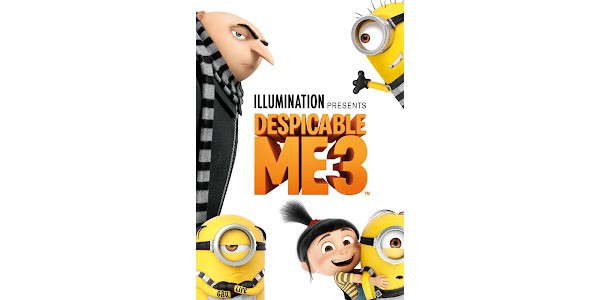
mashupch.com – In 2017, Despicable Me 3 became the third installment of the hugely successful Despicable Me franchise, continuing the adventures of Gru, his adorable daughters, and the mischievous Minions. Directed by Pierre Coffin and Kyle Balda, and co-directed by Eric Guillon, the film was produced by Illumination Entertainment and distributed by Universal Pictures. Building on the charm of the previous films, Despicable Me 3 introduces new characters, explores family dynamics, and delivers action-packed humor with a healthy dose of heart. As a continuation of the series, the movie stays true to the franchise’s core while expanding on Gru’s personal growth and incorporating fresh, energetic storylines.

This article delves into the plot, characters, themes, animation, and cultural impact of Despicable Me 3, exploring how the film successfully entertained global audiences and further cemented the Despicable Me franchise as a cornerstone of contemporary animated cinema.

Plot Overview: Gru Faces a New Villain and Discovers a Long-Lost Brother

The story of Despicable Me 3 begins with Gru (voiced by Steve Carell), the former supervillain-turned-hero, continuing his work as an agent of the Anti-Villain League (AVL) alongside his wife, Lucy (voiced by Kristen Wiig). Together, they make an unstoppable team, balancing their duties as parents to their three adopted daughters—Margo, Edith, and Agnes—with their thrilling careers in crime-fighting. However, their peaceful family life is soon disrupted when they face a new threat: the flamboyant and nostalgic supervillain Balthazar Bratt (voiced by Trey Parker).

Bratt, a former 1980s child star who became bitter after his TV show was canceled, is determined to wreak havoc on the world and exact revenge on those who wronged him. With his obsession with all things ’80s, Bratt makes use of retro gadgets, dance moves, and pop culture references to carry out his evil schemes. Gru and Lucy initially attempt to stop him, but when they fail, both are fired from the AVL by its new director, Valerie Da Vinci.

At the same time, Gru receives shocking news: he has a long-lost twin brother named Dru (also voiced by Steve Carell). Dru, who is as charming and outgoing as Gru is reserved and grumpy, is living a luxurious life in the fictional country of Freedonia. Dru invites Gru and his family to visit him, and while Gru is initially hesitant, he eventually agrees to meet his brother.

When Gru and Dru finally reunite, the two brothers form an immediate bond, though they couldn’t be more different. Dru reveals that their father was a famous and successful supervillain, and Dru has always felt the pressure to live up to his legacy. However, Dru is inept at villainy and hopes Gru can teach him the tricks of the trade. Initially, Gru rejects Dru’s request to help him become a villain, but he soon realizes that this may be an opportunity to stop Balthazar Bratt and get his job back at the AVL.

What follows is a hilarious and action-packed adventure as Gru and Dru team up to face Bratt, deal with sibling rivalry, and navigate their newfound family bond. Meanwhile, Lucy struggles with her new role as a mother, trying to build a deeper connection with the girls, and the Minions, feeling neglected by Gru’s departure from villainy, embark on their own comedic journey.

Key Characters: The Return of Familiar Faces and the Introduction of New Ones

Gru – The Reformed Villain and Devoted Father

As the protagonist of the Despicable Me franchise, Gru’s character arc has been a central focus throughout the series. In Despicable Me 3, Gru finds himself at a crossroads. No longer a villain, he has embraced his role as a loving father and a crime-fighter, but he still grapples with his past and the temptation to return to villainy. The discovery of his twin brother Dru complicates matters, as Dru represents both a connection to their family’s villainous heritage and a mirror to what Gru could have been if he had pursued a different path.

Gru’s internal conflict—between his desire to be a good father and husband and his lingering attraction to his old life—forms the emotional core of the film. His relationship with Dru also provides much of the film’s humor, as the two brothers’ contrasting personalities create a dynamic that is both funny and heartfelt.

Dru – The Enthusiastic but Incompetent Twin

Dru, Gru’s long-lost twin brother, is the film’s standout new character. While Gru is serious, cynical, and practical, Dru is outgoing, flamboyant, and optimistic. Dru has always felt inadequate due to his failure to live up to their father’s legacy as a great villain, and he looks to Gru for guidance. However, Dru’s over-the-top personality and lack of villainous skills make him more of a hindrance than a help in their efforts to stop Bratt.

Despite their differences, Dru’s enthusiasm and genuine love for Gru bring out a softer side of the typically gruff character. The sibling rivalry between the two brothers adds an emotional layer to the film, and their eventual reconciliation and partnership underscore the importance of family.

Lucy Wilde – The Loving Wife and Super Spy

Lucy Wilde, Gru’s wife and fellow AVL agent, plays a significant role in Despicable Me 3 as she navigates her new responsibilities as a mother. While Lucy is confident and skilled in her professional life, she struggles with her relationship with Gru’s daughters, especially Margo. Throughout the film, Lucy works to establish herself as a maternal figure and to bond with the girls, providing a subplot that explores the challenges of parenthood and blended families.

Lucy’s character is both strong and caring, and her efforts to protect and connect with the girls provide touching moments of warmth and humor.

Balthazar Bratt – The ’80s-Obsessed Supervillain

Balthazar Bratt is one of the most memorable villains in the Despicable Me franchise, thanks to his eccentric personality and his obsession with the 1980s. Voiced by South Park co-creator Trey Parker, Bratt’s character is a former child star who grew up playing an evil genius on a popular TV show. When the show was canceled as he aged out of the role, Bratt became disillusioned and decided to embrace his on-screen persona in real life, turning to villainy.

Bratt’s plans for world domination are as ridiculous as they are nostalgic, incorporating references to ’80s music, fashion, and technology. From his use of bubblegum as a weapon to his dance-off battles set to Michael Jackson’s “Bad,” Bratt’s character is both comical and formidable. His flamboyant villainy and over-the-top antics make him a fun and memorable antagonist.

The Minions – Mischievous and Lovable Sidekicks

The Minions, Gru’s loyal yet chaotic henchmen, continue to provide much of the film’s comic relief. In Despicable Me 3, the Minions grow restless as Gru leaves behind his villainous ways, and they long to return to their former life of mischief. After quitting Gru’s service, the Minions embark on their own misadventures, including getting thrown in jail after a series of mishaps.

Despite their separation from Gru, the Minions’ loyalty and love for their boss remain a central theme. Their subplot, filled with slapstick humor and physical comedy, adds a lighthearted element to the film and reminds audiences of the enduring appeal of these little yellow creatures.

Themes: Family, Redemption, and Identity

Family and Sibling Bonds

At its heart, Despicable Me 3 is a film about family—both the one you’re born into and the one you create. The relationship between Gru and Dru serves as a focal point of the story, exploring the complex dynamics of sibling rivalry, jealousy, and ultimately, love. Dru’s desire to connect with his brother and follow in their father’s footsteps contrasts with Gru’s rejection of villainy and his commitment to his family. Their journey from estrangement to partnership highlights the importance of family bonds and the ways in which siblings can influence and shape each other’s lives.

The film also explores the theme of parenthood, particularly through Lucy’s efforts to bond with Margo, Edith, and Agnes. Lucy’s struggles to connect with the girls emphasize the challenges of becoming a step-parent and the importance of building trust and understanding in blended families.

Redemption and Personal Growth

Gru’s character arc in Despicable Me 3 continues the theme of redemption that has been central to the franchise from the beginning. Having left behind his life of crime, Gru is committed to doing good, but he still grapples with the temptation to return to villainy—especially when faced with Dru’s desire to follow in their father’s footsteps. Gru’s journey in the film is one of personal growth, as he must reconcile his past with his present and find a balance between his responsibilities as a father, husband, and former villain.

Balthazar Bratt, in contrast, represents the darker side of nostalgia and the inability to let go of the past. Bratt’s refusal to move on from his childhood stardom and his obsession with revenge serve as a cautionary tale about the dangers of living in the past and failing to evolve.

Identity and Legacy

The film also explores themes of identity and legacy, particularly through Dru’s character. Dru’s insecurities stem from his perceived failure to live up to the legacy of their father, a legendary supervillain. His desire to prove himself as a villain is driven by a need to define his own identity and find his place in the world. However, by the end of the film, Dru comes to realize that he doesn’t need to follow in his father’s footsteps to find his worth—his true strength lies in his love for his family and his willingness to support Gru.

Gru, too, must confront his own identity as he grapples with the question of whether he can truly leave his villainous past behind. Ultimately, Gru’s decision to reject villainy in favor of his family underscores the film’s message that our identities are shaped not by our past actions, but by the choices we make in the present.

Animation and Visual Style

As with the previous films in the franchise, Despicable Me 3 is visually vibrant and colorful, with dynamic animation that brings the characters and settings to life. The film’s animation is characterized by exaggerated character designs, particularly in the case of Balthazar Bratt, whose flamboyant appearance and retro style perfectly capture his over-the-top personality.

The action sequences are fast-paced and energetic, with creative visual gags and slapstick humor that appeal to both children and adults. The Minions, in particular, continue to be a highlight of the film’s animation, with their expressive faces and physical comedy providing plenty of laughs.

The film also incorporates nostalgic references to the 1980s, particularly in Balthazar Bratt’s character design and gadgets. The use of bright neon colors, retro technology, and ’80s music adds a playful and nostalgic element to the film’s visual style.

Reception and Legacy

Upon its release in 2017, Despicable Me 3 was met with generally positive reviews from both critics and audiences. While some critics felt that the film lacked the freshness of the original Despicable Me and relied too heavily on familiar tropes, many praised the film’s humor, animation, and voice performances—particularly Steve Carell’s dual role as Gru and Dru and Trey Parker’s portrayal of Balthazar Bratt.

The film was a commercial success, grossing over $1 billion worldwide, making it one of the highest-grossing animated films of all time. The continued success of the Despicable Me franchise further cemented Illumination Entertainment’s reputation as a major player in the world of animated cinema.

In addition to its box office success, Despicable Me 3 continued to build on the franchise’s cultural impact. The Minions, in particular, remained iconic characters, appearing in merchandise, theme park attractions, and spin-off media. The film’s success also paved the way for the development of future installments in the franchise, including Minions: The Rise of Gru (2022).

Conclusion: A Fun and Heartfelt Continuation of the Franchise

Despicable Me 3 (2017) is a fun, heartwarming, and action-packed continuation of the beloved franchise, offering plenty of laughs, catchy music, and endearing characters. While it may not break new ground in terms of storytelling, the film succeeds in delivering an entertaining and visually engaging experience for audiences of all ages.

At its core, Despicable Me 3 is a story about family, identity, and redemption, with Gru’s journey from villain to hero serving as a reminder that it’s never too late to change and grow. The addition of Dru and the exploration of sibling dynamics add emotional depth to the film, while Balthazar Bratt’s nostalgic villainy provides plenty of laughs and excitement.

Ultimately, Despicable Me 3 is a worthy addition to the franchise, continuing the adventures of Gru, Lucy, the girls, and the Minions in a way that is both familiar and fresh. With its mix of humor, heart, and high-energy action, the film ensures that the Despicable Me series remains one of the most popular and enduring animated franchises of the 21st century.

Kung Fu Panda 2 (2011): Elevates the Kung Fu Panda Franchise

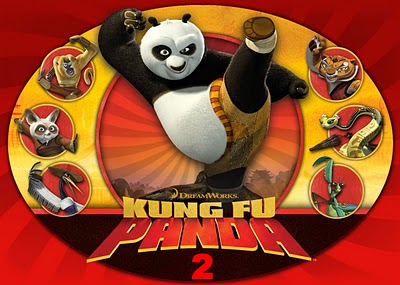
mashupch.com – Released in 2011, Kung Fu Panda 2 is the second installment in DreamWorks Animation’s successful Kung Fu Panda series. Directed by Jennifer Yuh Nelson, this film picks up where the first left off, continuing the story of Po (voiced by Jack Black), the lovable and unlikely Dragon Warrior. While the first film was largely about Po finding his place in the world and fulfilling his destiny, Kung Fu Panda 2 explores deeper themes such as identity, loss, revenge, and the power of inner peace.

With stunning animation, emotional depth, and remarkable action sequences, Kung Fu Panda 2 builds upon the foundation set by its predecessor and further cements itself as one of the most impressive animated films of the 2010s. In this article, we will explore the plot, characters, themes, visual style, reception, and legacy of Kung Fu Panda 2, as well as examine what makes it a standout entry in the world of animated films.

Plot Overview: Po’s Journey to Discover His Past

A New Threat: Lord Shen

Kung Fu Panda 2 opens with a flashback to Po’s childhood, showing his life before becoming the Dragon Warrior. This moment is crucial to the story, as it sets the stage for Po’s emotional journey throughout the film. The main antagonist in this sequel is Lord Shen (voiced by Gary Oldman), a peacock who was once exiled from his family for his violent ambitions. Shen is a brilliant and ruthless strategist with a dark plan to use gunpowder and weaponry to conquer China and destroy kung fu itself.

In the present day, Po and the Furious Five—Tigress (voiced by Angelina Jolie), Monkey (voiced by Jackie Chan), Mantis (voiced by Seth Rogen), Crane (voiced by David Cross), and Viper (voiced by Lucy Liu)—are called upon to stop Shen’s destructive plans. Shen, who has already destroyed entire villages with his weapons, seeks to eliminate kung fu by harnessing the power of gunpowder to create devastating weapons of war. As Po and the Furious Five go on a mission to stop him, Po begins to unravel the mystery surrounding his own past, which is deeply connected to Lord Shen’s actions.

Po’s Struggle with His Past

As Po uncovers the truth about his origins, it becomes clear that Shen’s role in Po’s life is more personal than he could have ever imagined. The peacock’s tyrannical rule goes beyond mere conquest—Shen’s actions were responsible for the destruction of Po’s childhood home and the disappearance of his biological parents. This revelation shakes Po to his core, as it forces him to confront the painful memories of his past and his identity as an orphan.

Throughout the film, Po struggles with feelings of inadequacy and anger. He is tormented by the fact that he never knew his parents and is forced to face the harsh reality of his upbringing. In contrast to the first film, where Po’s journey was about embracing his destiny as the Dragon Warrior, Kung Fu Panda 2 is more focused on Po’s internal conflict and his struggle to reconcile his past with his present.

The Power of Inner Peace

In his quest to stop Lord Shen, Po is guided by Master Shifu (voiced by Dustin Hoffman), who teaches Po the importance of finding inner peace in order to truly unlock his potential. Shifu encourages Po to let go of his anger and pain from the past and embrace his true self. This is a pivotal lesson for Po, as he learns that his strength does not come from his kung fu skills alone, but from his ability to find balance and peace within himself.

Po’s journey towards inner peace is paralleled with Lord Shen’s descent into madness. Shen, who is consumed by revenge and hatred, represents the opposite of inner peace. His obsession with power and his inability to let go of past grudges ultimately lead to his downfall, reinforcing the film’s central message that peace comes from within and that revenge only leads to destruction.

The Final Confrontation

In the final act of the film, Po faces off against Lord Shen in an epic battle. Shen’s overwhelming arsenal of weapons seems to give him the upper hand, but Po’s newfound sense of peace allows him to defeat Shen without resorting to violence or hatred. By embracing the teachings of Master Shifu and the lessons he’s learned from his own life, Po is able to stop Shen and save China from destruction. In the end, Po’s internal growth and ability to forgive his past lead to his victory, not just as a martial artist, but as a true hero.

Main Characters

Po

Po, voiced by Jack Black, is the lovable and unlikely Dragon Warrior who remains the heart of the Kung Fu Panda franchise. In this sequel, Po is faced with the painful reality of his past, and his emotional journey is at the core of the story. Po is a character whose flaws and insecurities make him all the more relatable, and his growth throughout the film is a testament to the power of self-acceptance and inner peace. Po’s comedic antics and endearing personality are balanced by moments of emotional depth, making him a truly complex and compelling character.

Lord Shen

Lord Shen, voiced by Gary Oldman, is the main antagonist of Kung Fu Panda 2. A calculating and ruthless peacock, Shen is a villain driven by a desire for power and revenge. He is a master strategist, using technology and gunpowder to further his destructive plans. What makes Lord Shen such a fascinating villain is his tragic backstory, which is revealed gradually throughout the film. His internal struggle with his past and his inability to let go of his anger make him a compelling foil to Po, who learns to find peace and let go of his own past.

Master Shifu

Master Shifu, voiced by Dustin Hoffman, serves as Po’s mentor and teacher. In this film, Shifu’s role is to help Po understand the importance of inner peace, which becomes crucial to Po’s development. Shifu’s wisdom and experience provide valuable guidance to Po as he faces his inner demons and struggles with his emotions. Shifu’s own journey of self-realization, as he learns to let go of his rigid teaching style and embrace a more compassionate approach, is also explored in the film, adding further depth to his character.

The Furious Five

The Furious Five—Tigress, Monkey, Mantis, Crane, and Viper—return in Kung Fu Panda 2 as Po’s loyal companions. While Po is the film’s main focus, the Furious Five still play an important role in the story. Each member of the Furious Five has their own distinct personality and skill set, but they are all united by their dedication to kung fu and their friendship with Po. In this film, the Furious Five’s role is slightly diminished compared to the first film, but they still provide valuable support to Po in his mission to stop Lord Shen.

Po’s Biological Parents

Po’s biological parents are briefly mentioned throughout the film, and their tragic fate becomes one of the driving forces behind Po’s character arc. While Po does not have much screen time with his parents, the emotional weight of their loss plays a central role in his emotional development, particularly when he confronts the truth about their demise at the hands of Lord Shen.

Themes: Inner Peace, Forgiveness, and Identity

The Importance of Inner Peace

One of the central themes of Kung Fu Panda 2 is the idea of inner peace. Po’s journey in this film is not just about physical battles, but about his internal struggle to overcome his pain and anger from the past. Master Shifu’s teachings emphasize that true strength comes from within, and Po’s ability to find peace within himself allows him to unlock his full potential. The contrast between Po and Lord Shen highlights the importance of letting go of hatred and revenge in order to live a life of balance and harmony.

Forgiveness and Letting Go

The theme of forgiveness is also explored in Kung Fu Panda 2. Po’s ability to forgive Lord Shen for the pain he caused is a key part of his emotional growth. By letting go of his anger and embracing his past, Po is able to find peace and move forward in his life. The film illustrates that holding on to past grudges only harms oneself, and that true peace comes from the ability to forgive and release the past.

The Search for Identity

In addition to the theme of inner peace, Kung Fu Panda 2 also delves into Po’s search for his own identity. Throughout the film, Po grapples with the fact that he is an orphan and does not know his true origins. His journey of self-discovery is an important part of the film, as he learns to accept who he is, regardless of his past. The film’s exploration of identity resonates with audiences, as it shows that one’s past does not define who they are, and that growth and self-acceptance are key to unlocking one’s true potential.

Animation and Visual Style

Kung Fu Panda 2 features breathtaking animation that elevates the franchise to new heights. The action sequences are fluid and dynamic, with kung fu choreography that is both realistic and exaggerated for comedic effect. The film’s visual design combines traditional Chinese influences with the vibrant, colorful animation style that DreamWorks is known for. The lush landscapes, intricate set designs, and stunning fight scenes make the film visually captivating, while the emotional moments are complemented by the film’s careful attention to detail and character expression.

The character designs in Kung Fu Panda 2 are also notable, with Lord Shen’s regal peacock design standing out as a striking contrast to Po’s more comical appearance. The animation team does an excellent job of using color and design to reflect the characters’ personalities and inner conflicts.

Reception and Legacy

Upon its release, Kung Fu Panda 2 was met with widespread critical acclaim. The film grossed over $665 million worldwide and was praised for its emotional depth, impressive animation, and compelling storytelling. The film’s exploration of Po’s character and the addition of a well-rounded antagonist in Lord Shen helped elevate the Kung Fu Panda franchise to a new level of sophistication.

In particular, the film’s themes of inner peace and personal growth resonated with audiences of all ages. The sequel was praised for being more mature and emotionally complex than its predecessor, while still maintaining the humor and charm that made the original film so beloved.

The success of Kung Fu Panda 2 cemented the franchise’s place in the pantheon of great animated films, paving the way for Kung Fu Panda 3 (2016). The film also strengthened Po’s character as one of the most iconic animated heroes of the 21st century.

Conclusion: A Sequel That Surpasses Expectations

Kung Fu Panda 2 is a prime example of how a sequel can expand on its predecessor while offering deeper emotional and philosophical themes. With its stunning animation, rich character development, and exploration of profound themes like inner peace and identity, the film stands as one of the most successful animated sequels ever made. Po’s journey from a lovable but naive dragon warrior to a wise and emotionally grounded hero is a compelling narrative that resonates with audiences worldwide. Kung Fu Panda 2 is a film that not only entertains but also inspires, making it a standout entry in the animated film genre.

Frozen (2013): Disney’s Magical Journey into Heart of Sisterhood

mashupch.com – Released in 2013, Frozen is a Disney animated film that captivated audiences around the world with its breathtaking animation, memorable characters, and a unique story about love, family, and self-acceptance. Directed by Chris Buck and Jennifer Lee, Frozen was inspired by Hans Christian Andersen’s fairy tale The Snow Queen, but it brought a modern twist to classic themes. With its catchy songs, heartwarming narrative, and emotional depth, Frozen became a cultural phenomenon and cemented its place as one of Disney’s most iconic animated films.

In this article, we will delve into the world of Frozen, exploring its plot, characters, themes, music, and legacy, as well as its impact on both Disney and popular culture.

The Plot: A Tale of Sisterhood, Love, and Self-Discovery

At the heart of Frozen is the powerful bond between two sisters, Elsa and Anna, set against the stunning backdrop of the kingdom of Arendelle. The film’s plot is driven by Elsa’s struggle to control her magical ice powers and Anna’s unrelenting love for her sister, which leads to a series of adventures that ultimately result in Elsa’s self-acceptance.

Elsa’s Powers and the Struggle for Control

Elsa, voiced by Idina Menzel, is born with the ability to create ice and snow. As a child, she accidentally injures her younger sister, Anna (voiced by Kristen Bell), while using her powers, which leads her parents, King and Queen of Arendelle, to isolate Elsa from the rest of the world. Elsa grows up learning to conceal her abilities, living in fear of losing control and hurting others. As her coronation day approaches, Elsa’s powers are unintentionally revealed when she panics, causing Arendelle to be enveloped in eternal winter.

Feeling like a danger to those around her, Elsa flees to the mountains, where she isolates herself in an ice palace she creates. There, she finds freedom from the constraints of the world and begins to embrace her powers, declaring that she no longer needs to hide.

Anna’s Determined Quest to Reunite with Elsa

Meanwhile, Anna embarks on a perilous journey to find Elsa and bring her back to Arendelle. Along the way, she is joined by a rugged ice harvester named Kristoff, his loyal reindeer Sven, and a magical snowman named Olaf. Anna’s love for her sister drives her to brave the harsh conditions of the frozen world and convince Elsa to return home and end the endless winter she inadvertently caused.

Throughout their journey, Anna and Elsa’s relationship is tested, and the film explores how love, both familial and romantic, can overcome challenges and transform lives.

The Resolution: The True Meaning of Love

In the film’s climax, Anna’s selfless act of love for Elsa helps break the curse of eternal winter and restores balance to the kingdom. Elsa comes to realize that love, especially the love she shares with Anna, is the key to controlling her powers. The film concludes with the sisters’ reunion, where they reaffirm their bond and the strength of their familial love, marking a new chapter in their lives where they can truly be themselves without fear.

The Characters: A Powerful Focus on Sisterhood

One of the defining aspects of Frozen is its focus on the relationship between the two sisters, Elsa and Anna. While other Disney films have often focused on romantic love as the driving force of the plot, Frozen takes a different approach by making sisterly love the central theme of the story.

Elsa – The Queen with Hidden Power

Elsa is the film’s central character and represents the struggles many individuals face with accepting who they truly are. Initially portrayed as reserved, aloof, and fearful of her own powers, Elsa’s journey is one of self-empowerment. Her internal conflict is beautifully represented through her magical ice abilities, which she initially perceives as a curse. However, Elsa’s eventual acceptance of her powers is symbolic of embracing one’s true self, and she learns that love and self-acceptance are the keys to controlling her abilities.

Elsa’s song “Let It Go,” which became a worldwide hit, embodies her moment of liberation and self-empowerment. It’s a powerful anthem about shedding past fears and embracing one’s true identity, which resonated deeply with audiences of all ages.

Anna – The Optimistic and Determined Sister

Anna is Elsa’s younger sister, and she contrasts Elsa’s reserved nature with her own optimism, spontaneity, and determination. Voiced by Kristen Bell, Anna is portrayed as a fiercely loyal sister, a courageous adventurer, and someone who believes in the power of love above all else. Despite the years of separation and Elsa’s emotional distance, Anna never gives up on their relationship and is determined to reunite with her sister.

Anna’s journey is one of growth as well, as she learns to be more than just the naive, headstrong young woman at the beginning of the film. She discovers her own strength and capacity for selflessness, especially in her love for Elsa, which ultimately plays a key role in breaking the curse of eternal winter.

Kristoff and Olaf – Supporting Characters with Heart

Kristoff (voiced by Josh Gad) and Olaf (voiced by Josh Gad) add humor, warmth, and depth to the story. Kristoff is a rugged ice harvester with a gruff exterior, but his loyalty to Anna and his developing relationship with her is heartwarming. His reindeer companion, Sven, also provides a touch of comic relief and showcases Kristoff’s down-to-earth, caring nature.

Olaf, the lovable snowman brought to life by Elsa’s magic, is an important comedic figure in the film. Though he is literally made of snow and ice, Olaf has a warm, sunny disposition and provides much-needed levity throughout Anna and Kristoff’s perilous journey. His childlike innocence and joy in the simplest things, such as the sun, make him a memorable character beloved by fans.

The Music: Memorable Songs that Define the Film

Music plays a vital role in Frozen, enhancing the emotional impact of the film’s most significant moments. The songs, written by Kristen Anderson-Lopez and Robert Lopez, are not only catchy but also serve to develop the characters and the plot. Of all the songs, Let It Go became a cultural phenomenon, inspiring countless covers and remixes while serving as Elsa’s defining moment of self-empowerment.

“Let It Go” – Elsa’s Anthem of Freedom

“Let It Go” is perhaps the most iconic song in the Frozen soundtrack. The song expresses Elsa’s feelings of freedom as she embraces her powers and her identity. Its soaring melody and powerful lyrics have made it a global anthem, representing themes of self-acceptance and liberation. The song won several prestigious awards, including the Academy Award for Best Original Song.

“Do You Want to Build a Snowman?” – Anna’s Heartfelt Plea

“Do You Want to Build a Snowman?” is another standout song from the film, capturing Anna’s longing for companionship and her desire to connect with her sister after years of isolation. The song, sung by Anna in different stages of her life, beautifully illustrates her emotions and the passage of time, highlighting the film’s central theme of love and familial connection.

“For the First Time in Forever” – Anna’s Hopeful Dream

“For the First Time in Forever” is a song that highlights Anna’s hopefulness and optimism. As Anna anticipates Elsa’s coronation, she dreams of finally connecting with her sister and experiencing the world outside the castle walls. The song sets the stage for the adventure that follows and reinforces Anna’s belief in love, hope, and the possibility of change.

Themes: The True Meaning of Love and Self-Acceptance

Frozen is not just a whimsical fairy tale; it explores deep themes of love, family, and the journey toward self-acceptance. The relationship between Elsa and Anna is at the heart of the story, and the film emphasizes that the strongest kind of love is not romantic love, but the love shared between family members.

The Power of Familial Love

The central theme of Frozen is the powerful bond between Elsa and Anna. The film challenges traditional fairy tale tropes by showcasing that the true love that saves the day is not between a princess and a prince, but between two sisters. It’s a celebration of familial love, resilience, and sacrifice.

Self-Acceptance and Empowerment

Another key theme is the journey to self-acceptance. Elsa’s struggle to control her powers and her fear of being a danger to others resonates with anyone who has ever felt the need to hide their true self. By the end of the film, Elsa learns that by accepting herself, she can control her powers and be her true self, without fear of judgment or rejection. “Let It Go” encapsulates this transformation into self-empowerment.

The Importance of Love and Sacrifice

The film also emphasizes the importance of love and sacrifice. Anna’s selfless act of love towards Elsa, even at the cost of her own life, is a pivotal moment in the film and reinforces the idea that love—whether familial or romantic—requires sacrifice and is ultimately what binds us together.

Legacy: A Cultural Phenomenon

Frozen was a massive success both commercially and critically. It became the highest-grossing animated film at the time of its release, earning over $1.2 billion worldwide. The film’s impact on popular culture has been immense, influencing everything from merchandise and theme park attractions to a Broadway adaptation and a sequel, Frozen II (2019).

Frozen and Its Cultural Impact

The success of Frozen helped redefine Disney animation in the 21st century. The film’s emphasis on strong female characters, its focus on familial love, and its progressive approach to traditional fairy tale conventions resonated with audiences around the world. The film’s music, particularly “Let It Go,” has become an iconic song that continues to be celebrated today.

Conclusion: A Timeless Disney Classic

Frozen is a landmark film in Disney’s history, offering a fresh perspective on fairy tales while exploring themes of love, self-acceptance, and family. With its engaging characters, unforgettable songs, and emotional depth, Frozen became a cultural phenomenon that continues to inspire audiences young and old. The film’s enduring popularity is a testament to its universal messages and the power of animation to tell stories that resonate with people from all walks of life.

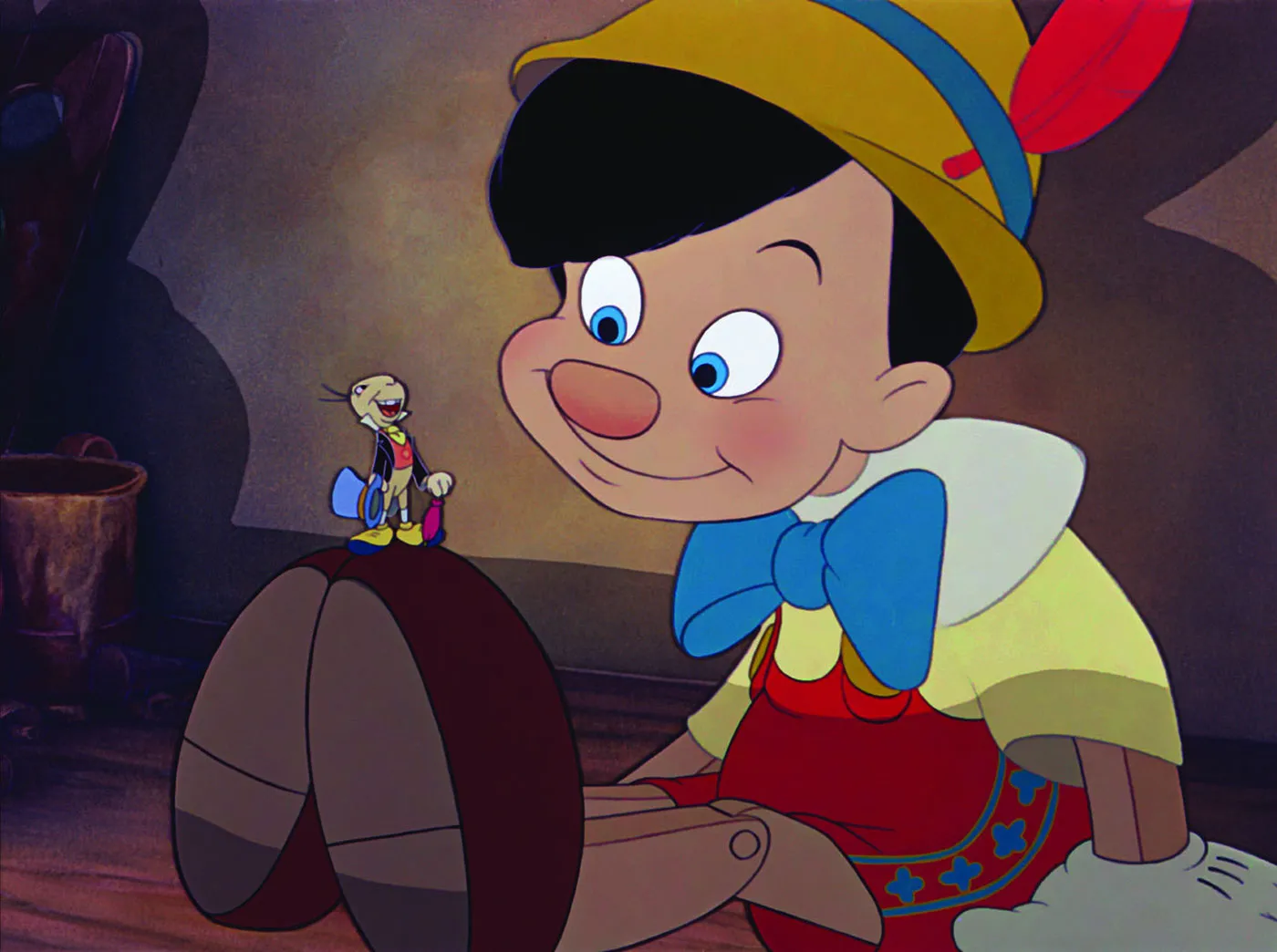
Pinocchio (1940): Disney’s Masterpiece of Animation & Heart

mashupch.com – Pinocchio, released by Disney in 1940, is a timeless animated classic that showcases the power of storytelling, animation, and music. Based on the Italian children’s novel The Adventures of Pinocchio by Carlo Collodi, this film marked a significant milestone in the history of animation and cinema. It tells the story of a wooden puppet named Pinocchio who embarks on a transformative journey to become a real boy, but only after learning some difficult life lessons. With unforgettable characters, groundbreaking animation, and themes of personal growth, Pinocchio continues to be one of Disney’s most enduring and beloved films.

The Journey to Pinocchio: The Making of a Classic

When Walt Disney first considered adapting Collodi’s The Adventures of Pinocchio for the screen, the idea was met with some skepticism. Disney had already made waves with Snow White and the Seven Dwarfs (1937), and expectations were high for his next feature. However, the complexities of adapting Collodi’s dark and whimsical tale into an animated feature required extensive work. Pinocchio was not only a visual leap for the studio but also an emotional one.

Assembling the Team

The development of Pinocchio was a monumental task. Disney assembled a team of animators, writers, and musicians to bring the story to life. The film’s production required hundreds of animators, artists, and technical experts working tirelessly for several years. Leading the way was director Hamilton Luske, along with Norman Ferguson and T. Hee. The production saw the use of innovative animation techniques that would later become synonymous with Disney’s brand, setting a high bar for the animation industry.

A New Level of Animation

Pinocchio featured groundbreaking animation techniques, particularly in the use of realistic movement and detailed backgrounds. The film’s visual style incorporated vibrant colors, elaborate set designs, and detailed character animations. Disney’s animators were tasked with creating characters that felt alive, not just through their movements but also by conveying complex emotions.

One of the film’s most innovative elements was the introduction of the multiplane camera, which was first used in Snow White and the Seven Dwarfs. This technology allowed for a greater sense of depth, layering backgrounds and creating the illusion of three-dimensional space. Combined with detailed character animation, this created a truly immersive world for Pinocchio’s journey.

The Music of Pinocchio

Another defining aspect of Pinocchio is its score. The film’s composer, Leigh Harline, along with lyricists Ned Washington and Paul J. Smith, created some of Disney’s most memorable songs. “When You Wish Upon a Star,” perhaps the most iconic Disney song of all time, became an anthem for the studio and a staple of Disney’s identity. The music added an emotional layer to the film, elevating its narrative and drawing viewers deeper into Pinocchio’s world.

The Story: Pinocchio’s Transformation from Puppet to Boy

The plot of Pinocchio follows the journey of a wooden puppet named Pinocchio who is brought to life by the Blue Fairy. Although he is given the ability to move and speak, he is still far from being a real boy. Pinocchio’s creator, the kind but lonely woodcarver Geppetto, wishes for his puppet to become a real boy, but Pinocchio must prove himself worthy of that transformation by learning about honesty, responsibility, and courage.

Pinocchio: A Wooden Boy with a Big Heart

Pinocchio is full of childlike innocence, curiosity, and mischief. He is not inherently bad but lacks the wisdom and understanding necessary to make good decisions. Throughout the film, his adventures reflect the struggle between temptation and the need to do what is right. His journey is one of growth, where he must learn the value of honesty, self-discipline, and caring for others.

Pinocchio’s most notable feature is his nose, which grows whenever he tells a lie. This magical element serves as both a symbol and a consequence of his moral failures, emphasizing the importance of truthfulness. Pinocchio’s mistakes, however, are balanced by his desire to be good, which makes him a relatable and endearing character for audiences of all ages.

Geppetto: The Loving Father Figure

Geppetto, Pinocchio’s creator and father figure, plays an important role in the story. His deep love and care for Pinocchio, despite the puppet’s mischief, showcase the parental bond that transcends even the limitations of being made of wood. Geppetto’s unwavering belief that his puppet could become a real boy embodies the themes of hope and redemption that are central to the film.

Geppetto’s journey is also one of sacrifice. In his attempt to find Pinocchio after the puppet gets lost, Geppetto braves the dangers of the sea, further exemplifying the selflessness and devotion that define fatherhood. His emotional bond with Pinocchio is one of the film’s most touching elements.

Pinocchio’s Companions: Characters of Influence

Throughout his journey, Pinocchio encounters a variety of characters who guide, tempt, and challenge him, each of them playing a crucial role in his transformation.

Jiminy Cricket: Pinocchio’s Conscience

Jiminy Cricket, voiced by Cliff Edwards, serves as Pinocchio’s conscience and guide throughout the film. He encourages Pinocchio to make good choices, teaching him the importance of doing what is right. Jiminy acts as both a moral compass and a companion to Pinocchio, and his whimsical songs, such as “Give a Little Whistle,” became unforgettable elements of the film.

The Villains: Stromboli and Honest John

On the darker side of Pinocchio’s journey, there are characters who lead him astray. Stromboli, the greedy puppet master, represents the exploitation of innocence. He tricks Pinocchio into performing in his puppet show and locks him away for his own profit. Honest John, the sly fox, deceives Pinocchio into joining a bad crowd, including the notorious Pleasure Island.

These antagonists are not just villains in the traditional sense; they embody the temptations and vices that threaten to pull Pinocchio away from his true goal of becoming a real boy. Their actions push Pinocchio toward growth, forcing him to learn through hardship.

Themes of Morality and Transformation

At its core, Pinocchio is a story about moral development. The film teaches valuable life lessons, including the importance of honesty, responsibility, and bravery. Pinocchio’s transformation from a mischievous puppet to a real boy serves as a metaphor for personal growth—a journey that involves making mistakes, learning from them, and ultimately choosing the right path.

The Power of Wishes

The film’s central motif is the theme of wishes. Pinocchio, Geppetto, and even Jiminy Cricket all have wishes for a better life. Pinocchio’s ultimate wish is to become a real boy, a dream he can only achieve by proving himself. The magic of the Blue Fairy reflects the idea that dreams can come true, but only through hard work, honesty, and kindness. The film’s message resonates with audiences, showing that transformation is possible, but it requires inner growth.

The Consequences of Lies and Bad Choices

The recurring theme of truthfulness is integral to Pinocchio’s character development. His nose grows each time he lies, emphasizing the moral lesson that dishonesty brings tangible consequences. The film reflects the idea that making bad choices can lead to trouble, but owning up to one’s mistakes and making things right is a step toward redemption.

The Legacy of Pinocchio

Since its release, Pinocchio has had a profound impact on both the animation industry and popular culture. Though it initially struggled at the box office, the film’s reputation grew over time, eventually becoming one of Disney’s most beloved classics. Pinocchio’s themes, characters, and groundbreaking animation techniques laid the groundwork for future Disney films and solidified the studio’s place as a leader in animation.

The Iconic “When You Wish Upon a Star”

The song “When You Wish Upon a Star” has become synonymous with Disney, representing the hope and possibility inherent in every Disney film. Its emotional resonance has made it an anthem for generations of Disney fans, and it continues to be a key part of the Disney legacy.

Influence on Future Animation

Pinocchio’s innovative animation and storytelling set the stage for future Disney films, influencing works such as Cinderella (1950), Peter Pan (1953), and beyond. Its influence is seen not only in Disney’s animation but also in the broader field of animated storytelling, as it showed how animation could be used to convey complex emotional experiences.

Conclusion

Pinocchio (1940) is more than just a children’s film; it is a profound story of growth, morality, and transformation. Through its groundbreaking animation, memorable characters, and timeless messages, it continues to inspire audiences around the world. The story of a wooden puppet striving to become a real boy is as relevant today as it was when the film was first released, making Pinocchio a true Disney classic with an enduring legacy.

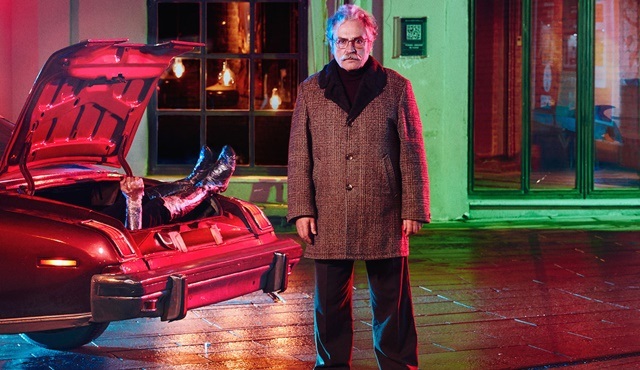
Şahsiyet (Persona, 2018): Psychological Thriller

mashupch.com – Şahsiyet (Persona), a 2018 Turkish crime drama miniseries directed by Onur Saylak and written by Hakan Günday, stands as a groundbreaking achievement in Turkish television. Its intricate plot, compelling characters, and profound exploration of memory, justice, and identity captivated audiences and garnered widespread critical acclaim. More than just a crime thriller, Şahsiyet offers a powerful commentary on societal issues, particularly the themes of aging, memory loss, and the lingering trauma of historical events. This article delves into the narrative, themes, characters, and lasting impact of this exceptional miniseries.

Narrative: A Man with Alzheimer’s Takes Justice into His Own Hands

The narrative of Şahsiyet centers around Agah Beyoğlu (Haluk Bilginer), a retired forensic clerk living a solitary life in Istanbul. Agah is diagnosed with early-stage Alzheimer’s disease, a condition that gradually erodes his memory and cognitive abilities. However, this diagnosis also presents him with a unique opportunity. Knowing that his memory will soon fade, Agah decides to use his remaining time to carry out a long-planned act of vigilante justice, targeting individuals he believes have escaped punishment for past wrongdoings.

The series unfolds as a complex cat-and-mouse game between Agah and Nevra Elmas (Cansu Dere), a young female police officer investigating a series of mysterious murders. As Nevra delves deeper into the case, she begins to uncover connections to Agah’s past and the dark secrets he is determined to avenge. The narrative masterfully weaves together Agah’s present actions with flashbacks to his past, gradually revealing the events that have shaped his life and motivated his quest for justice.

Themes: Exploring the Depths of Human Experience and Societal Issues

Şahsiyet explores several profound and thought-provoking themes:

  • Memory and Identity: The central theme of the series revolves around the concept of memory and its crucial role in shaping individual identity. Agah’s struggle with Alzheimer’s forces him to confront the fragility of memory and the fear of losing himself.
  • Justice and Morality: The series raises complex questions about justice and morality, particularly in the context of historical trauma and unresolved past crimes. Agah’s vigilante actions challenge conventional notions of justice and force viewers to consider the ethical implications of taking the law into one’s own hands.
  • Aging and Mortality: Şahsiyet offers a poignant portrayal of aging and the challenges associated with it, including physical and cognitive decline. Agah’s struggle with Alzheimer’s highlights the vulnerability of the elderly and the importance of empathy and understanding.
  • Historical Trauma and Collective Memory: The series delves into the lingering trauma of historical events, particularly the Armenian genocide, and its impact on subsequent generations. Agah’s personal history is deeply intertwined with these events, providing a powerful commentary on the importance of confronting the past.
  • Gender Inequality and Violence Against Women: The series also addresses the pervasive issue of violence against women in Turkish society, making it a central motivation for Agah’s actions.

Characters: Complex and Unforgettable Personalities

The characters in Şahsiyet are complex, nuanced, and deeply memorable:

  • Agah Beyoğlu (Haluk Bilginer): Haluk Bilginer’s portrayal of Agah is a tour-de-force performance. He embodies the character’s intelligence, vulnerability, and unwavering determination with remarkable depth and nuance.
  • Nevra Elmas (Cansu Dere): Nevra is a strong and determined police officer who is determined to uncover the truth behind the murders. She represents the struggle for justice within a flawed system.

Lasting Impact: A Landmark Achievement in Turkish Television

Şahsiyet has had a significant impact on Turkish television, raising the bar for crime drama and demonstrating the potential for Turkish productions to achieve international acclaim. The series’ complex narrative, its exceptional performances, and its willingness to tackle difficult and important social issues have earned it widespread praise. Haluk Bilginer’s performance as Agah Beyoğlu won him the Best Actor award at the 47th International Emmy Awards, further solidifying the series’ global recognition.

Conclusion: A Powerful and Thought-Provoking Masterpiece

Şahsiyet is more than just a crime thriller; it is a powerful and thought-provoking exploration of memory, justice, identity, and the weight of history. Its intricate plot, compelling characters, and profound themes have made it a landmark achievement in Turkish television. The series’ enduring legacy lies in its ability to engage viewers on both an intellectual and emotional level, prompting reflection on complex issues and leaving a lasting impression long after the final episode. It stands as a testament to the power of storytelling to explore the complexities of the human condition and to shed light on important social and historical issues.

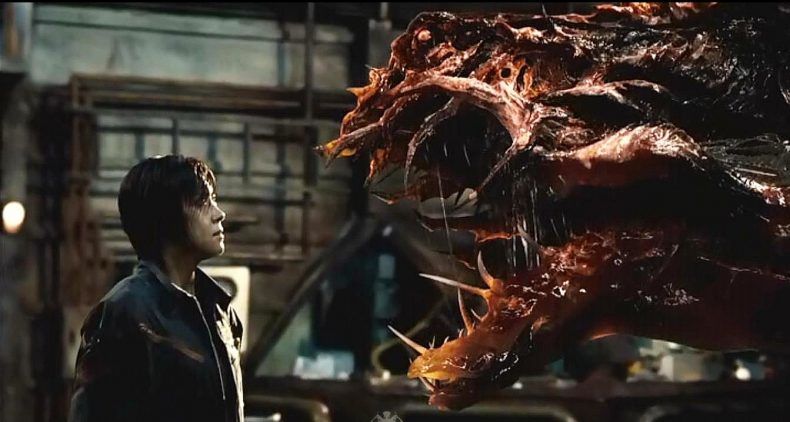
“Sector 7” (2011): Monster Mayhem in the Deep Sea

mashupch.com – “Sector 7” (7광구), a 2011 South Korean science fiction action horror film directed by Kim Ji-hoon, delivers a high-octane monster movie experience set on an offshore oil rig. While not critically acclaimed for its plot, the film is notable for its impressive CGI and its focus on intense creature action.   

A Remote Oil Rig: The Setting for Terror

The film takes place on an oil rig named “Eclipse,” located in Sector 7, a mining area south of Jeju Island. The rig crew, led by the tough and skilled Hae-joon (Ha Ji-won), is tasked with exploring a new energy source. However, their operations unleash a deadly, deep-sea creature, turning their workplace into a terrifying battleground.   

The isolated setting of the oil rig creates a claustrophobic and suspenseful atmosphere. The vastness of the surrounding ocean contrasts sharply with the confined spaces of the rig, amplifying the sense of danger and vulnerability.

Unleashing a Monster: A Fight for Survival

The central conflict of “Sector 7” revolves around the crew’s desperate fight for survival against the monstrous creature. The creature, brought to life with impressive CGI for its time, is a fast, agile, and deadly predator.   

The film’s primary focus is on the action sequences, which are intense and visually engaging. The crew utilizes various weapons and tactics to fight the creature, resulting in a series of thrilling and often chaotic encounters.

Hae-joon: A Strong Female Lead

Ha Ji-won delivers a strong performance as Hae-joon, the film’s protagonist. Hae-joon is a capable and resourceful character who takes charge in the face of danger. She is not a damsel in distress but a skilled fighter who is determined to protect her crew.   

The film’s emphasis on a strong female lead is a notable aspect, distinguishing it from many other monster movies. Hae-joon’s resilience and determination drive the narrative and provide a compelling focus for the audience.

Visual Effects and Action: The Film’s Strengths

“Sector 7″‘s primary strengths lie in its visual effects and action sequences. The creature design is effective, and the CGI is generally well-executed, particularly considering the film’s release date. The action scenes are fast-paced and exciting, providing plenty of thrills and suspense.

The film excels at creating a sense of tension and danger, particularly in the scenes where the creature stalks the crew through the narrow corridors and confined spaces of the oil rig.

A Focus on Spectacle: Plot Takes a Backseat

While the action and visuals are impressive, “Sector 7″‘s plot is relatively straightforward and predictable. The characters are somewhat underdeveloped, and the story primarily serves as a vehicle for the creature action.

The film’s focus on spectacle over narrative depth is its main weakness. Viewers looking for a complex or thought-provoking story may be disappointed.

A Thrilling Monster Movie Experience

“Sector 7” is ultimately a thrilling monster movie experience that delivers plenty of action and suspense. While its plot may be simple, its impressive visual effects and focus on creature action make it an entertaining watch for fans of the genre. It’s a film best enjoyed for its visceral thrills and Ha Ji-won’s strong performance as the lead. It’s a decent example of a Korean monster movie, focusing on visual spectacle and creating a tense atmosphere within its isolated setting.

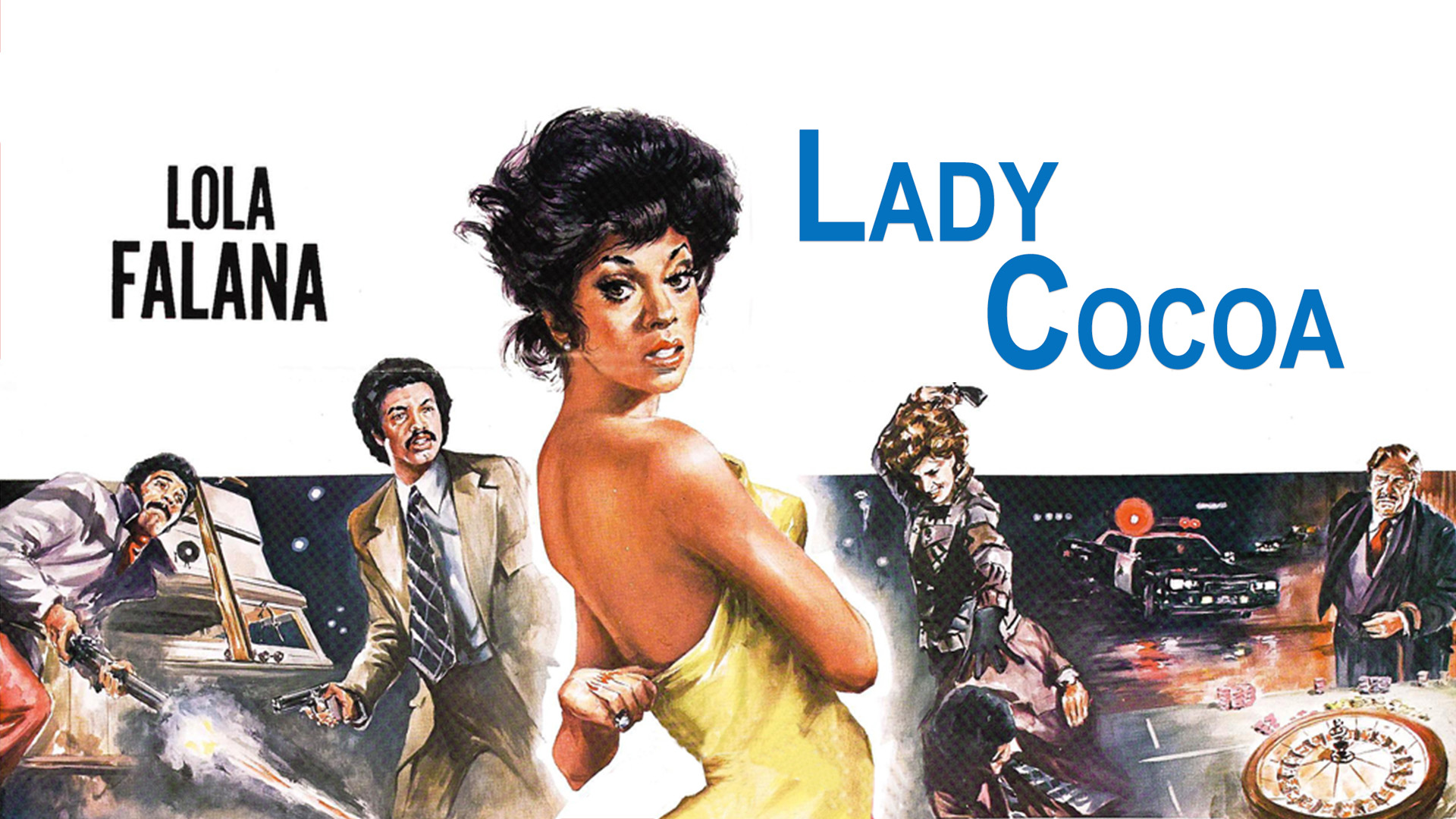
Lady Cocoa: A Foxy Femme Fatale in a Gritty Thriller

mashupch.com – Lady Cocoa (1975) is a classic blaxploitation film starring the charismatic Lola Falana in the title role. This gritty crime drama offers a unique blend of action, suspense, and a touch of campy humor.   

A Deadly Game of Cat and Mouse

The film follows Cocoa, a stylish and dangerous woman who is released from prison for 24 hours to testify against her ex-lover, a powerful mobster. As she navigates the treacherous underworld of New York City, she must evade a team of ruthless hitmen determined to silence her.   

A Strong Female Lead

One of the most striking aspects of Lady Cocoa is its strong female lead. Lola Falana delivers a captivating performance, portraying Cocoa as a confident and resourceful woman who is not afraid to take charge. She’s a far cry from the stereotypical damsel in distress, and her character challenges traditional gender roles.

A Stylish and Energetic Thriller

The film’s stylish visuals and energetic soundtrack contribute to its overall appeal. The cinematography is sleek and the music is funky, setting the tone for a thrilling and stylish ride. The action sequences are well-choreographed and the dialogue is sharp and witty.

A Cult Classic with a Dedicated Following

While Lady Cocoa may not be a critical darling, it has developed a cult following over the years. Its unique blend of action, drama, and comedy, coupled with Lola Falana’s magnetic performance, has made it a beloved film among fans of blaxploitation cinema.

A Timeless Tale of Revenge and Redemption

Lady Cocoa is a timeless tale of revenge and redemption. Its exploration of themes of betrayal, loyalty, and the consequences of crime still resonates with audiences today. Whether you’re a fan of blaxploitation films or simply looking for a fun and stylish thriller, Lady Cocoa is definitely worth checking out.

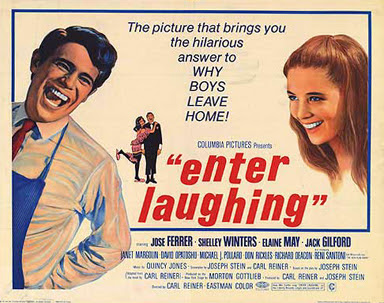
Enter Laughing: A Comedic Journey into Show Business

mashupch.com – Enter Laughing is a 1967 American comedy film directed by Carl Reiner, based on his autobiographical novel and the 1963 stage play of the same name. The film follows the journey of David Kolowitz, a young, aspiring actor, as he navigates the chaotic world of show business.   

A Relatable Tale of Aspiration

The film’s charm lies in its relatable and humorous portrayal of the struggles and triumphs of a young artist. David, played brilliantly by Reni Santoni, is a dreamer with an unwavering passion for acting. Despite his lack of talent and experience, he relentlessly pursues his dream, often leading to hilarious and embarrassing situations.   

A Stellar Cast and Directorial Debut

Enter Laughing boasts a talented cast that includes Elaine May, José Ferrer, Shelley Winters, Jack Gilford, Janet Margolin, David Opatoshu, Michael J. Pollard, and Don Rickles. Each actor brings their unique comedic flair to the film, contributing to its overall hilarity and charm.   

Carl Reiner’s directorial debut is a masterclass in comedic timing and storytelling. His keen eye for detail and his ability to extract strong performances from his actors make Enter Laughing a truly enjoyable cinematic experience.

A Timeless Comedy

While Enter Laughing is a product of its time, its themes of ambition, perseverance, and the pursuit of dreams remain timeless. The film’s humor, heart, and relatable characters continue to resonate with audiences today.

Evils of the Night: A Bizarre Cult Classic

mashupch.com – Evils of the Night is a 1985 American science fiction horror film directed by Mardi Rustam. This low-budget, campy horror film has garnered a cult following over the years, known for its bizarre plot, over-the-top performances, and gratuitous nudity. 

A Plot as Strange as Its Title

The film follows a group of teenagers who vacation at a remote cabin. However, their idyllic getaway takes a sinister turn when they become the targets of a group of alien vampires. These extraterrestrial beings, disguised as elderly humans, need human blood to survive.   

As the teenagers are abducted one by one, a horrifying sequence of events unfolds. The aliens, played by a cast of seasoned actors including John Carradine, Tina Louise, and Julie Newmar, engage in bizarre rituals and indulge in grotesque acts of vampirism.   

A Cult Following and Campy Charm

Evils of the Night is a prime example of 1980s cult cinema. Its low-budget production values, combined with its over-the-top performances and outrageous plot, have earned it a dedicated fanbase. The film’s campy atmosphere and absurd dialogue have made it a beloved cult classic.

Despite its flaws, the film’s unique blend of horror, science fiction, and sexual exploitation has captivated audiences. Its enduring popularity can be attributed to its willingness to embrace the absurd and its ability to entertain with its sheer audacity.

A B-Movie Gem

Evils of the Night may not be a masterpiece of cinema, but it is a fun and entertaining B-movie that delivers on its promise of bizarre and outrageous horror. Its cult following continues to grow, ensuring its place in the pantheon of cult classics.

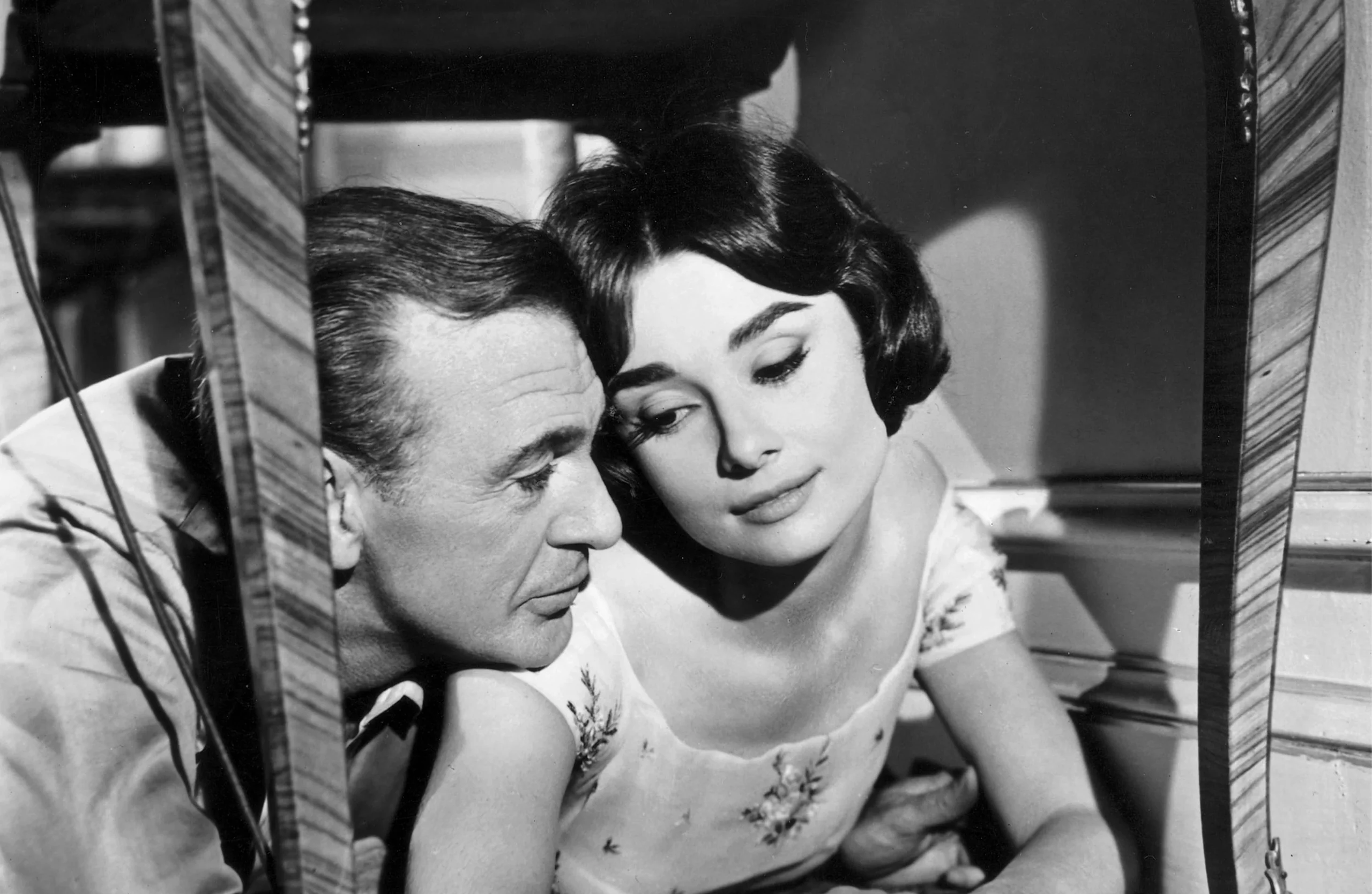
Love in the Afternoon: A Timeless Romantic Comedy of 1957

mashupch.com – “Love in the Afternoon,” released in 1957, is a romantic comedy directed by the legendary Billy Wilder. This charming film stars Gary Cooper, Audrey Hepburn, and Maurice Chevalier, bringing together a delightful blend of humor, romance, and elegance. Set against the picturesque backdrop of Paris, the movie captures the enchantment of unexpected love and the allure of sophisticated storytelling.

Plot Overview

The film follows Ariane Chavasse (Audrey Hepburn), a young and curious cellist who becomes intrigued by the romantic escapades of Frank Flannagan (Gary Cooper), a wealthy American playboy. Flannagan is known for his numerous affairs, which are the subject of investigation by Ariane’s detective father, Claude Chavasse (Maurice Chevalier). When Ariane overhears a plot to catch Flannagan in a compromising situation, she intervenes, sparking a whimsical romance between the unlikely pair.

Characters and Performances

Audrey Hepburn shines as Ariane, bringing her signature grace and charm to the role of a young woman discovering love for the first time. Her chemistry with Gary Cooper, who plays the suave and worldly Flannagan, adds depth to the film’s romantic narrative. Maurice Chevalier provides a delightful performance as Ariane’s father, adding a humorous and wise perspective to the unfolding love story.

Themes and Style

“Love in the Afternoon” explores themes of love, innocence, and the clash between youthful idealism and mature experience. Billy Wilder’s direction combines lighthearted comedy with poignant moments, creating a balance that keeps the audience engaged. The film’s setting in Paris enhances its romantic atmosphere, with Wilder using the city’s iconic landmarks to emphasize the fairytale-like quality of the story.

Legacy and Impact

Though initially faced with mixed reviews, “Love in the Afternoon” has gained appreciation over time for its sophisticated humor and enchanting performances. Audrey Hepburn’s role in the film is often celebrated as one of her many memorable portrayals of elegance and charm. The film also stands as a testament to Billy Wilder’s ability to craft timeless romantic comedies that resonate with audiences across generations.

Conclusion

“Love in the Afternoon” remains a beloved classic in the romantic comedy genre, offering a whimsical and heartwarming look at the complexities of love. Its captivating performances, clever script, and enchanting Parisian setting make it a film that continues to delight viewers, reinforcing its place in the pantheon of cinematic romance.

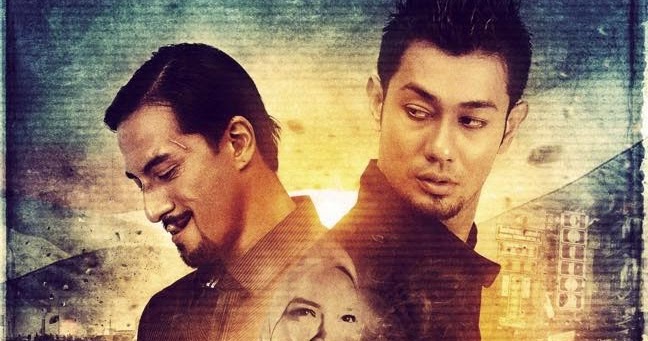
Anak Jantan (2014): A Journey of Redemption & Adventure

mashupch.com – “Anak Jantan” is a 2014 Malaysian action drama film that captures the essence of redemption, love, and survival. Directed by Faizul A. Rashid, the film combines thrilling action sequences with a deep emotional narrative, making it a notable entry in the Malaysian film industry.

Plot Overview

The story follows Darin, a former member of a dangerous gang, who has left his criminal past behind in search of a peaceful life. He moves to Kuala Lumpur with his love interest, Nara, hoping to start anew. However, the shadows of his past catch up with him, leading to a series of events that test his resolve and commitment to change. The film delves into Darin’s struggles as he confronts his old life while trying to protect his loved ones.

Cultural Themes

“Anak Jantan” explores themes of redemption and the power of love to transform lives. It also touches on the challenges of breaking free from the cycle of violence and the societal pressures that can make change difficult. The film paints a vivid picture of the urban landscape of Kuala Lumpur, reflecting the diverse and dynamic culture of Malaysia.

Reception

The film was well-received for its action-packed sequences and engaging storyline. Critics praised the performances of the cast and the film’s ability to balance action with emotional depth. “Anak Jantan” was appreciated for its realistic portrayal of the struggles faced by those trying to escape a life of crime.

Conclusion

In conclusion, “Anak Jantan” is more than just an action film; it is a tale of hope and the possibility of redemption. Through its compelling narrative and strong character development, the film offers a gripping story that resonates with audiences, making it a significant contribution to Malaysian cinema.

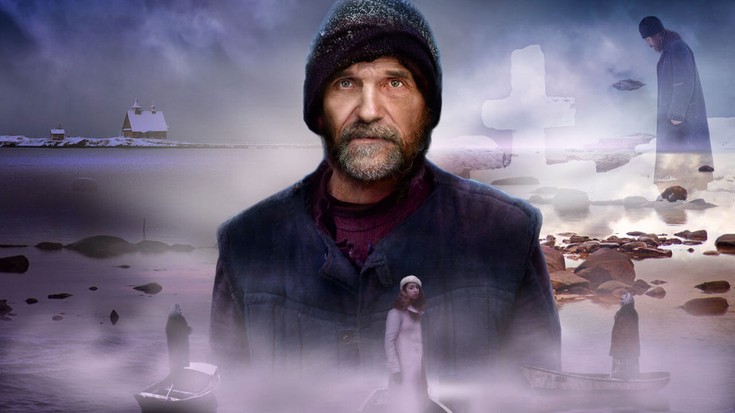
Faith and Redemption in “The Island” (2006)

mashupch.com – “The Island” (2006), directed by Pavel Lungin, is a contemplative Russian drama that explores profound themes of faith, guilt, and redemption. Set in a remote monastery in Northern Russia, the film tells the story of a monk named Anatoly, whose mysterious past haunts him as he seeks spiritual solace. This cinematic work invites audiences to reflect on the complexities of human morality and the path to inner peace.

Plot Overview

The narrative unfolds in a secluded Orthodox monastery where Father Anatoly lives a life of ascetic devotion. Despite his humble existence, he is burdened by a secret from his past: during World War II, Anatoly was coerced into committing an act of betrayal that led to a comrade’s death. Haunted by guilt, he devotes himself to a life of penance and service, becoming known for his profound spiritual wisdom and miraculous healings. As pilgrims seek his guidance, Anatoly’s journey toward redemption becomes a testament to the power of forgiveness and divine grace.

Themes and Symbolism

“The Island” is rich with spiritual symbolism and explores deep philosophical questions about sin, repentance, and redemption. The film delves into the Orthodox Christian tradition, presenting a narrative that is both a personal journey and a universal exploration of faith. Themes of isolation, sacrifice, and spiritual awakening are intricately woven into the story, inviting viewers to ponder the nature of true repentance and the possibility of redemption.

Cinematic Style

Lungin employs a stark, minimalist style that mirrors the film’s spiritual themes. The cinematography captures the serene yet harsh beauty of the Russian landscape, creating a visual metaphor for Anatoly’s internal struggle. The film’s use of natural light and shadow enhances its meditative quality, drawing audiences into a world where silence speaks volumes and every gesture is imbued with meaning.

Reception and Impact

“The Island” received critical acclaim upon its release, praised for its profound storytelling and powerful performances. Pyotr Mamonov’s portrayal of Father Anatoly is particularly noteworthy, earning accolades for its depth and authenticity. The film resonated with audiences in Russia and beyond, offering a rare glimpse into the spiritual and philosophical dimensions of Russian Orthodox faith. It has since become a significant work in modern Russian cinema, celebrated for its exploration of timeless themes.

Conclusion

“The Island” (2006) is a cinematic meditation on the human soul’s quest for peace and redemption. Through its evocative narrative and spiritual depth, the film challenges viewers to reflect on their own beliefs and the transformative power of forgiveness. Pavel Lungin’s masterpiece remains a poignant exploration of faith, offering a cinematic experience that transcends cultural and religious boundaries.

“Love Likes Coincidences”: A Tale of Serendipity & Romance

mashupch.com – “Love Likes Coincidences” (Aşk Tesadüfleri Sever) is a Turkish romantic drama film that weaves a heartfelt narrative about fate, love, and the mysterious connections that bind people together. Directed by Ömer Faruk Sorak and released in 2011, the film explores the lives of two individuals whose paths are intertwined by a series of seemingly random events. With its captivating storyline and emotional depth, “Love Likes Coincidences” has resonated with audiences both in Turkey and internationally.

Plot Overview

The film tells the story of Özgür and Deniz, whose lives have been unknowingly linked since birth. From their first encounter as newborns in a hospital to their unexpected reunions over the years, their story is a tapestry of coincidences that bring them together time and again. Set against the vibrant backdrop of Ankara and Istanbul, the narrative unfolds over several decades, revealing the struggles, joys, and heartaches that shape their journey.

Themes and Symbolism

At its core, “Love Likes Coincidences” explores the idea of destiny and the role it plays in human relationships. The film delves into the notion that life is a series of interconnected events, each leading to the next in a chain of serendipitous moments. Through its characters, the film examines themes of love, loss, and the enduring hope that destiny will ultimately guide us to where we belong.

Cinematic Techniques

The film’s director, Ömer Faruk Sorak, employs a range of cinematic techniques to enhance the storytelling. The use of flashbacks and parallel narratives helps to weave the intricate connections between the characters’ lives. The film’s visual style, coupled with a poignant musical score, adds emotional depth and richness to the narrative, drawing viewers into the characters’ intertwined destinies.

Reception and Impact

“Love Likes Coincidences” received critical acclaim for its compelling storyline and strong performances by its lead actors, Mehmet Günsür and Belçim Bilgin. The film’s exploration of fate and love struck a chord with audiences, making it a commercial success in Turkey and an international favorite among fans of romantic dramas. Its universal themes and relatable characters have contributed to its enduring popularity.

Conclusion

“Love Likes Coincidences” is a beautifully crafted film that captures the magic of love and the mysterious ways in which lives intersect. Through its exploration of fate and human connection, the film offers a poignant reminder of the power of love and the serendipitous events that can shape our destinies. Whether you’re a fan of romance or simply appreciate a well-told story, “Love Likes Coincidences” is a film that leaves a lasting impression.

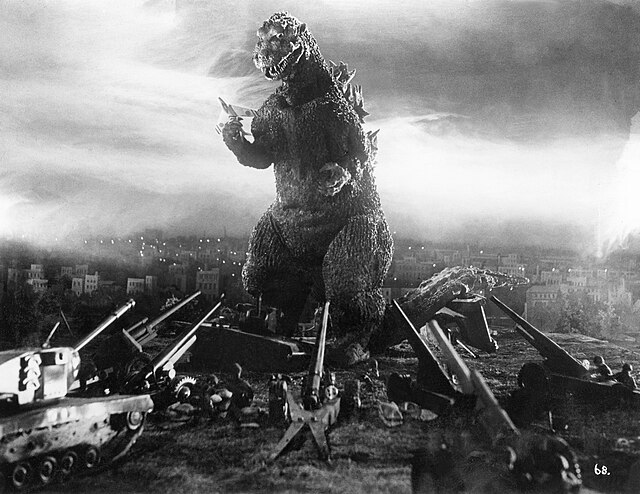
The Cultural Significance of “Godzilla” (1954)

mashupch.com – “Godzilla,” directed by Ishirō Honda and released in 1954, is a seminal Japanese film that introduced audiences to one of cinema’s most enduring and iconic monsters. Known as “Gojira” in Japan, the film spawned a franchise that has captivated audiences worldwide for decades. Beyond its thrilling spectacle, “Godzilla” serves as a profound allegory for the nuclear anxieties of post-war Japan. This article explores the film’s narrative, themes, and its lasting impact on both Japanese culture and the global film industry.

Plot Summary

The film begins with a series of mysterious shipwrecks and coastal devastation, attributed to a massive creature awakened by nuclear testing. This creature, Godzilla, emerges from the ocean to wreak havoc on Tokyo. As the military struggles to stop Godzilla’s rampage, a team of scientists and officials race against time to find a solution. The film culminates in a dramatic confrontation, where Dr. Serizawa, a scientist torn between scientific advancement and moral responsibility, sacrifices himself to deploy a weapon capable of stopping Godzilla.

Themes of Nuclear Anxiety

“Godzilla” is deeply rooted in the cultural and historical context of its time. Released less than a decade after the atomic bombings of Hiroshima and Nagasaki, the film reflects the pervasive fear of nuclear destruction. Godzilla, awakened by nuclear testing, symbolizes the catastrophic consequences of technological advancement and human hubris. The film’s haunting imagery and somber tone serve as a poignant reminder of the devastation of nuclear warfare and the ethical dilemmas surrounding scientific discovery.

Iconic Monster and Special Effects

Godzilla’s design and portrayal set a new standard for monster films. The creature was brought to life through innovative special effects, combining suitmation with miniature sets to create a sense of scale and realism. Godzilla’s iconic roar and massive size became defining features, establishing it as a cultural icon. The film’s groundbreaking effects and compelling monster design influenced future generations of filmmakers and special effects artists.

Impact on Cinema and Culture

“Godzilla” launched a franchise that has become a cornerstone of Japanese pop culture and a global phenomenon. The film’s success led to numerous sequels, remakes, and adaptations, cementing Godzilla’s status as a symbol of both destruction and resilience. The character has appeared in various media, including comics, television shows, and video games, reflecting its widespread appeal and adaptability to changing cultural contexts.

Legacy and Global Influence

The themes and imagery of “Godzilla” have resonated with audiences worldwide, influencing a wide range of films and genres. Its impact can be seen in the development of the kaiju (giant monster) genre and its influence on Western monster movies. The film’s exploration of nuclear themes and its portrayal of societal fear have made it a timeless classic, prompting discussions on the ethical implications of scientific progress and the responsibilities that come with it.

Conclusion

“Godzilla” (1954) is more than just a monster movie; it is a powerful allegory for the fears and anxieties of a post-war world grappling with the destructive potential of nuclear technology. Through its compelling narrative and innovative effects, the film has left an indelible mark on both Japanese and international cinema. As a cultural icon, Godzilla continues to inspire and entertain, reminding audiences of the delicate balance between human progress and the preservation of our world.