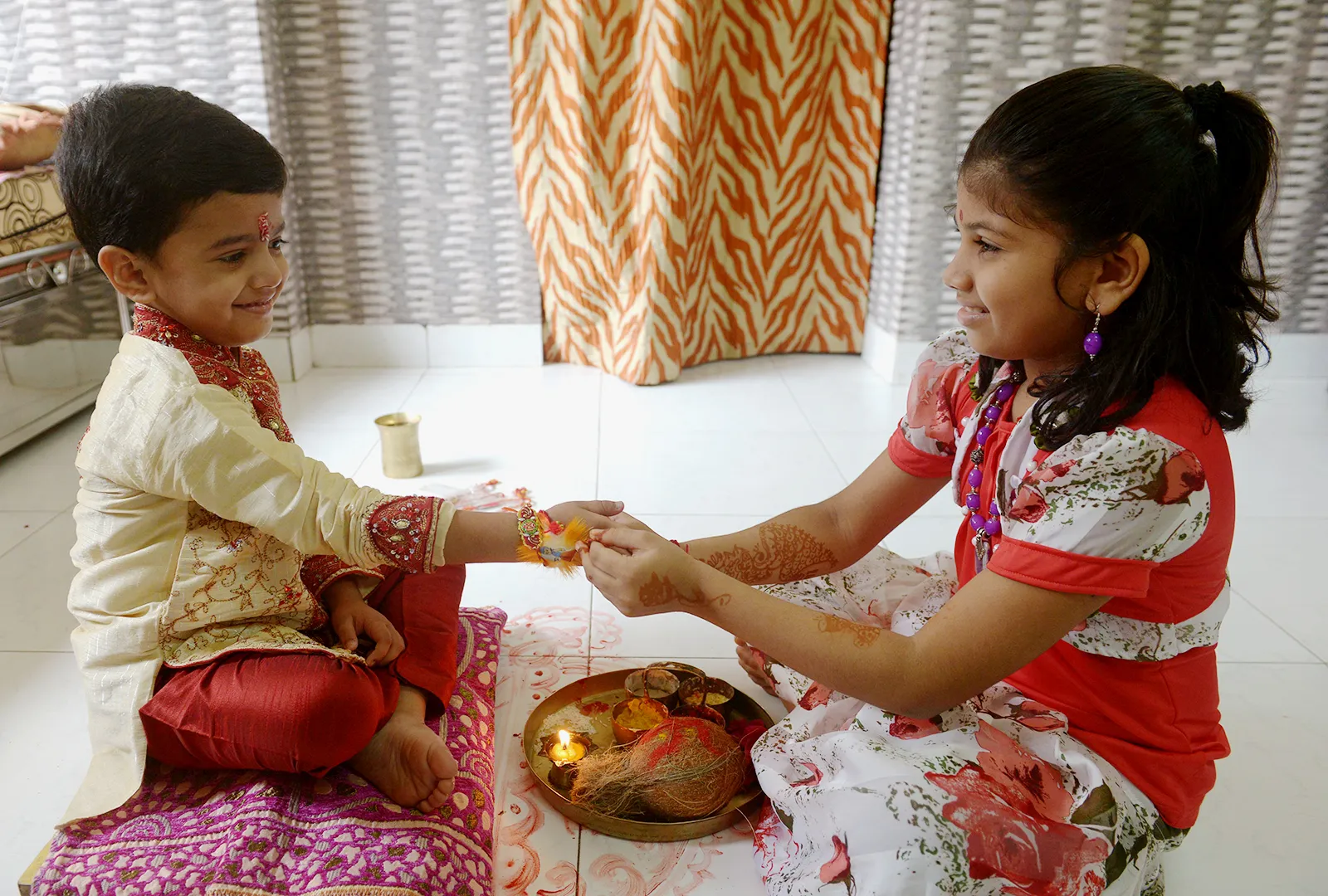
Raksha Bandhan: A Bond of Love and Protection

mashupch.com – Raksha Bandhan, a significant Hindu festival, celebrates the special bond between siblings. It is a day when sisters tie a sacred thread, known as a rakhi, on their brothers’ wrists as a symbol of love, protection, and respect. In return, brothers pledge to protect their sisters.

The Ritual of Raksha Bandhan

The Raksha Bandhan ritual is simple yet profound. On the day of the festival, sisters tie a rakhi around their brothers’ wrists while chanting a mantra. The brother, in turn, promises to protect his sister from harm. This exchange of vows strengthens the sibling bond and creates a lifelong commitment.

The Significance of Raksha Bandhan

Raksha Bandhan is not just a festival; it is a cultural and social tradition that reinforces the values of love, care, and protection. It transcends the boundaries of blood relations and can be celebrated between friends, cousins, and even neighbors.

The festival also symbolizes the concept of “raksha,” which means protection. It highlights the importance of safeguarding one’s loved ones and standing up for what is right.

Cultural Significance

Raksha Bandhan is celebrated with great enthusiasm in India and other parts of the world. It is a time for family gatherings, exchanging gifts, and enjoying delicious sweets. The festival also has a significant cultural impact, as it strengthens family ties and promotes social harmony.

Beyond the Ritual

While the ritual of tying a rakhi is central to Raksha Bandhan, the festival’s true essence lies in the underlying emotions of love, care, and protection. It is a reminder of the importance of cherishing our relationships and supporting each other through thick and thin.

Conclusion

Raksha Bandhan is a beautiful celebration of the unique bond between siblings. It is a festival that transcends cultural and geographical boundaries, uniting people in the spirit of love and compassion. By observing this tradition, we can strengthen our relationships and create a more harmonious society.

Halo-Halo: A Refreshing Filipino Dessert – A Cultural Heritage

mashupch.com – Halo-halo, a beloved Filipino dessert, is a delightful concoction of shaved ice, sweetened beans, fruits, and milk. It’s a refreshing and colorful treat that is perfect for hot, humid days.

A Symphony of Flavors and Textures

The beauty of halo-halo lies in its diverse ingredients and textures. The shaved ice provides a cool and refreshing base, while the sweetened beans, fruits, and milk add sweetness, creaminess, and a burst of flavor. Popular ingredients include sweetened beans (mung beans, red beans, and kidney beans), sago pearls, leche flan, ube halaya (purple yam jam), and various fruits like bananas, plantains, and jackfruit.

A Cultural Heritage

Halo-halo is deeply rooted in Filipino culture and history. It’s often enjoyed during special occasions, such as festivals and holidays. The dish reflects the country’s diverse culinary influences, particularly Chinese and Spanish.

A Modern Twist

While traditional halo-halo is a beloved dessert, modern variations have emerged. Some restaurants offer unique twists on the classic recipe, incorporating unconventional ingredients like ice cream, chocolate, or even coffee. These modern adaptations cater to evolving tastes and preferences.

A Refreshing Treat

Halo-halo is not just a dessert; it’s an experience. The combination of sweet, savory, and refreshing flavors, along with the various textures, makes it a truly satisfying treat. It’s a perfect way to cool down and indulge in a delicious Filipino dessert.

Conclusion

Halo-halo is a testament to the creativity and diversity of Filipino cuisine. It’s a dish that is both comforting and refreshing, and it’s sure to satisfy any sweet tooth. Whether you’re a fan of traditional Filipino desserts or simply looking for a new culinary adventure, halo-halo is a must-try.

Lucknow: The City of Nawabs – A Cultural Tapestry

mashupch.com – Lucknow, often referred to as the “City of Nawabs,” is a historic city in the Indian state of Uttar Pradesh. Known for its rich cultural heritage, delectable cuisine, and elegant architecture, Lucknow offers a unique blend of history, culture, and modernity.

A Glimpse into the Nawabi Era

Lucknow’s history is intertwined with the Nawabs of Awadh, who ruled the region for centuries. Their patronage of arts, culture, and cuisine left a lasting legacy on the city.

  • Bara Imambara: This magnificent Shia mosque, built in the 18th century, is known for its intricate architecture and the Bhool Bhulaiya, a labyrinthine maze within the complex.
  • Chota Imambara: This smaller mosque, also known as the Hussainabad Imambara, is famous for its stunning chandeliers and intricate tile work.
  • Rumi Darwaza: This imposing gateway, built in the 18th century, is a symbol of Lucknow’s Nawabi era.

A Cultural Tapestry

Lucknow is a city of diverse cultures and traditions. The city’s festivals, such as Diwali and Eid, are celebrated with great enthusiasm. Kathak dance, a classical dance form, is deeply rooted in Lucknow’s cultural heritage. The city’s numerous cultural institutions, including the Lucknow University and the Bhatkhande Music Institute, contribute to its rich cultural landscape.

A Culinary Delight

Lucknow’s cuisine is renowned for its delicate flavors and elegant presentation. The city is famous for its kebabs, biryanis, and sweets. The numerous dhabas and restaurants offer a wide range of culinary experiences, from traditional Awadhi cuisine to modern Indian fusion.

The Future of Lucknow

Lucknow is a city that is constantly evolving. With its focus on education, technology, and infrastructure development, Lucknow is poised to become a major economic hub in India. The city’s rich cultural heritage, historical landmarks, and delicious cuisine continue to attract visitors from all over the world.

Whether you’re exploring its historical sites, indulging in its delectable cuisine, or immersing yourself in its cultural activities, Lucknow offers a truly unforgettable experience.

Muu Som: A Fermented Delight – A Cultural Significance

mashupch.com – Muu Som is a unique and flavorful fermented pork dish that is a staple in many Southeast Asian cuisines, particularly in Thailand, Laos, and Myanmar. This savory and tangy delicacy is made by fermenting pork with rice, resulting in a distinctive flavor profile that is both sour and slightly sweet.

The Fermentation Process

The fermentation process is a crucial step in creating Muu Som. The pork, typically pork belly or shoulder, is mixed with cooked rice and a variety of spices, including salt, sugar, and chili peppers. The mixture is then packed into a container and left to ferment for several days or weeks. During this time, beneficial bacteria and yeast break down the carbohydrates in the rice, producing lactic acid and other compounds that give Muu Som its characteristic sour and tangy flavor.

A Culinary Versatile Ingredient

Muu Som is a versatile ingredient that can be used in a variety of dishes. It can be eaten on its own as a snack or appetizer, or it can be used to flavor other dishes. Some popular ways to enjoy Muu Som include:

  • Muu Som Salad: A refreshing salad that combines Muu Som with fresh vegetables, herbs, and a tangy dressing.
  • Muu Som Stir-Fry: A flavorful stir-fry that pairs Muu Som with other ingredients, such as vegetables, noodles, or eggs.
  • Muu Som Soup: A hearty and comforting soup that is perfect for a cold day.

A Cultural Significance

Muu Som is more than just a food; it’s a cultural symbol. It represents the ingenuity and resourcefulness of Southeast Asian people, who have developed creative ways to preserve food and enhance its flavor. The fermentation process not only extends the shelf life of the pork but also creates a unique and complex flavor profile that is beloved by many.

Whether you’re a seasoned foodie or a curious newcomer to Southeast Asian cuisine, Muu Som is a must-try. Its distinctive flavor and versatility make it a truly special ingredient. So, the next time you have the opportunity, be sure to savor this fermented delight and experience the rich culinary heritage of Southeast Asia.

The Cultural Significance of “Godzilla” (1954)

mashupch.com – “Godzilla,” directed by Ishirō Honda and released in 1954, is a seminal Japanese film that introduced audiences to one of cinema’s most enduring and iconic monsters. Known as “Gojira” in Japan, the film spawned a franchise that has captivated audiences worldwide for decades. Beyond its thrilling spectacle, “Godzilla” serves as a profound allegory for the nuclear anxieties of post-war Japan. This article explores the film’s narrative, themes, and its lasting impact on both Japanese culture and the global film industry.

Plot Summary

The film begins with a series of mysterious shipwrecks and coastal devastation, attributed to a massive creature awakened by nuclear testing. This creature, Godzilla, emerges from the ocean to wreak havoc on Tokyo. As the military struggles to stop Godzilla’s rampage, a team of scientists and officials race against time to find a solution. The film culminates in a dramatic confrontation, where Dr. Serizawa, a scientist torn between scientific advancement and moral responsibility, sacrifices himself to deploy a weapon capable of stopping Godzilla.

Themes of Nuclear Anxiety

“Godzilla” is deeply rooted in the cultural and historical context of its time. Released less than a decade after the atomic bombings of Hiroshima and Nagasaki, the film reflects the pervasive fear of nuclear destruction. Godzilla, awakened by nuclear testing, symbolizes the catastrophic consequences of technological advancement and human hubris. The film’s haunting imagery and somber tone serve as a poignant reminder of the devastation of nuclear warfare and the ethical dilemmas surrounding scientific discovery.

Iconic Monster and Special Effects

Godzilla’s design and portrayal set a new standard for monster films. The creature was brought to life through innovative special effects, combining suitmation with miniature sets to create a sense of scale and realism. Godzilla’s iconic roar and massive size became defining features, establishing it as a cultural icon. The film’s groundbreaking effects and compelling monster design influenced future generations of filmmakers and special effects artists.

Impact on Cinema and Culture

“Godzilla” launched a franchise that has become a cornerstone of Japanese pop culture and a global phenomenon. The film’s success led to numerous sequels, remakes, and adaptations, cementing Godzilla’s status as a symbol of both destruction and resilience. The character has appeared in various media, including comics, television shows, and video games, reflecting its widespread appeal and adaptability to changing cultural contexts.

Legacy and Global Influence

The themes and imagery of “Godzilla” have resonated with audiences worldwide, influencing a wide range of films and genres. Its impact can be seen in the development of the kaiju (giant monster) genre and its influence on Western monster movies. The film’s exploration of nuclear themes and its portrayal of societal fear have made it a timeless classic, prompting discussions on the ethical implications of scientific progress and the responsibilities that come with it.

Conclusion

“Godzilla” (1954) is more than just a monster movie; it is a powerful allegory for the fears and anxieties of a post-war world grappling with the destructive potential of nuclear technology. Through its compelling narrative and innovative effects, the film has left an indelible mark on both Japanese and international cinema. As a cultural icon, Godzilla continues to inspire and entertain, reminding audiences of the delicate balance between human progress and the preservation of our world.

Lithuania: Echoes of the Grand Duchy

mashupch.com – Lithuania, a nation with a rich and storied past, was once the centerpiece of one of Europe’s largest and most influential states: the Grand Duchy of Lithuania. Spanning from the Baltic to the Black Sea, the Grand Duchy left an indelible mark on the history and culture of Eastern Europe. This article delves into the echoes of this grand era that continue to resonate in modern Lithuania.

The Rise of the Grand Duchy

The Grand Duchy of Lithuania emerged in the 13th century as a formidable power under the leadership of Grand Duke Mindaugas, who became the first and only crowned king of Lithuania. By the 14th century, the Grand Duchy had expanded its territory significantly, encompassing lands that are now part of Belarus, Ukraine, Poland, and Russia. This expansion was marked by a series of strategic alliances and military campaigns.

Cultural and Religious Influence

Despite being one of the last pagan states in Europe, the Grand Duchy eventually embraced Christianity in the late 14th century. The conversion brought about significant cultural and religious changes, fostering closer ties with Western Europe. The Grand Duchy became a melting pot of cultures and religions, where Catholicism, Orthodoxy, and pagan traditions coexisted.

The establishment of the Union of Krewo in 1385, which led to the personal union between Lithuania and Poland, was a pivotal moment in the region’s history. This union laid the foundation for the Polish-Lithuanian Commonwealth, one of the largest and most populous states in Europe at the time.

Architectural Heritage

The architectural legacy of the Grand Duchy is still visible across Lithuania. Vilnius, the capital, is a treasure trove of Gothic, Renaissance, and Baroque architecture. The Vilnius Old Town, a UNESCO World Heritage Site, reflects the city’s medieval past with its narrow winding streets and historic buildings.

Trakai Island Castle, located on Lake Galvė, is another iconic symbol of this era. Originally built in the 14th century, the castle served as a strategic defense point and a residence for the Grand Dukes. Today, it stands as a testament to Lithuania’s medieval grandeur and is a popular tourist attraction.

The Legal and Educational Legacy

The Statutes of Lithuania, first codified in the 16th century, were among the most advanced legal codes of their time. These statutes emphasized personal freedoms and property rights, influencing legal systems in neighboring regions. The Grand Duchy was also a center of learning, with Vilnius University, founded in 1579, becoming a leading educational institution in Eastern Europe.

Conclusion

The echoes of the Grand Duchy of Lithuania continue to resonate in the country’s cultural, architectural, and legal landscapes. This grand era, marked by territorial expansion, cultural fusion, and legal innovation, has shaped the identity of modern Lithuania. As you explore Lithuania today, you’ll find that the legacy of the Grand Duchy is not just a relic of the past, but a living part of the nation’s heritage.

Cultural Heritage of the Maldives

mashupch.com – The Maldives, a tropical paradise in the Indian Ocean, is renowned for its stunning natural beauty, but it also boasts a rich cultural heritage that has been shaped by its unique geography, history, and interactions with various civilizations. This article delves into the cultural heritage of the Maldives, exploring its traditional arts, customs, and the historical influences that have contributed to its distinct cultural identity.

Historical Background

The Maldives has a long history dating back to prehistoric times, with evidence of human habitation from around 1500 BCE. Over the centuries, the archipelago has been influenced by various cultures, including Indian, Arab, African, and European. The introduction of Islam in the 12th century by the North African scholar Abu al-Barakat al-Barbari was a pivotal moment in Maldivian history, leading to the establishment of Islam as the state religion, which continues to play a central role in the country’s culture.

Traditional Arts and Crafts

Boduberu

Boduberu is a traditional drum dance that is an integral part of Maldivian culture. Originating from the northern atolls, this performance art involves large drums and is accompanied by chanting and hand clapping. Boduberu performances are a common feature in local festivals and celebrations, showcasing the rhythm and energy of Maldivian music.

Thaala

Thaala is a form of traditional Maldivian music that uses a variety of instruments, including the bodu beru drum, hand claps, and vocals. It is often performed during weddings and other social gatherings, reflecting the joyous and communal aspect of Maldivian culture.

Maldivian Architecture

The architecture of the Maldives is adapted to its low-lying atolls and reflects the country’s Islamic heritage. Traditional Maldivian homes, known as “Mudhouse,” are made from coral stone and wood, with intricate carvings and latticework. These houses are built on stilts to protect them from the ocean, and their design ensures ventilation and comfort in the tropical climate.

Language and Literature

The Maldivian language, Dhivehi, is a unique blend of Indo-Aryan and Dravidian languages, with influences from Arabic and Persian. Dhivehi literature has a rich history, with ancient texts such as the “Raivaru” and “Boduberu,” which are collections of folk songs and poems. The language and its literature are central to the cultural identity of the Maldivian people.

Cuisine

Maldivian cuisine is a reflection of the country’s maritime history and its reliance on the sea. Fish, particularly tuna, is a staple in the Maldivian diet and is prepared in various ways, such as grilled, smoked, or made into a dish called “mas huni.” Coconuts are also a key ingredient in many Maldivian dishes, used in both sweet and savory preparations.

Festivals and Celebrations

Eid al-Fitr

As an Islamic nation, Eid al-Fitr is one of the most important festivals in the Maldives. It marks the end of Ramadan and is celebrated with prayers, family gatherings, and the exchange of gifts. The festival is an opportunity for community bonding and the sharing of traditional foods.

National Day

The Maldives celebrates its National Day on November 1, commemorating the victory of Sultan Muhammad Thakurufaanu over the Portuguese invaders in 1578. This day is marked by parades, cultural performances, and patriotic events that honor the country’s history and independence.

Preservation and Promotion

Efforts to preserve and promote the cultural heritage of the Maldives include the establishment of cultural centers, museums, and the celebration of national festivals. The government and various organizations are also working to document traditional practices, arts, and crafts to ensure they are passed down to future generations.

In conclusion, the cultural heritage of the Maldives is a tapestry woven from its history, traditions, and the influences of the diverse cultures that have interacted with the archipelago. Through its arts, customs, and celebrations, the Maldives maintains a vibrant cultural identity that is both unique and deeply connected to its past.