“Love Likes Coincidences”: A Tale of Serendipity & Romance

mashupch.com – “Love Likes Coincidences” (Aşk Tesadüfleri Sever) is a Turkish romantic drama film that weaves a heartfelt narrative about fate, love, and the mysterious connections that bind people together. Directed by Ömer Faruk Sorak and released in 2011, the film explores the lives of two individuals whose paths are intertwined by a series of seemingly random events. With its captivating storyline and emotional depth, “Love Likes Coincidences” has resonated with audiences both in Turkey and internationally.

Plot Overview

The film tells the story of Özgür and Deniz, whose lives have been unknowingly linked since birth. From their first encounter as newborns in a hospital to their unexpected reunions over the years, their story is a tapestry of coincidences that bring them together time and again. Set against the vibrant backdrop of Ankara and Istanbul, the narrative unfolds over several decades, revealing the struggles, joys, and heartaches that shape their journey.

Themes and Symbolism

At its core, “Love Likes Coincidences” explores the idea of destiny and the role it plays in human relationships. The film delves into the notion that life is a series of interconnected events, each leading to the next in a chain of serendipitous moments. Through its characters, the film examines themes of love, loss, and the enduring hope that destiny will ultimately guide us to where we belong.

Cinematic Techniques

The film’s director, Ömer Faruk Sorak, employs a range of cinematic techniques to enhance the storytelling. The use of flashbacks and parallel narratives helps to weave the intricate connections between the characters’ lives. The film’s visual style, coupled with a poignant musical score, adds emotional depth and richness to the narrative, drawing viewers into the characters’ intertwined destinies.

Reception and Impact

“Love Likes Coincidences” received critical acclaim for its compelling storyline and strong performances by its lead actors, Mehmet Günsür and Belçim Bilgin. The film’s exploration of fate and love struck a chord with audiences, making it a commercial success in Turkey and an international favorite among fans of romantic dramas. Its universal themes and relatable characters have contributed to its enduring popularity.

Conclusion

“Love Likes Coincidences” is a beautifully crafted film that captures the magic of love and the mysterious ways in which lives intersect. Through its exploration of fate and human connection, the film offers a poignant reminder of the power of love and the serendipitous events that can shape our destinies. Whether you’re a fan of romance or simply appreciate a well-told story, “Love Likes Coincidences” is a film that leaves a lasting impression.

Nutrisi Penting untuk Tulang Kuat dan Sehat Sepanjang Usia

Memiliki tulang yang kuat dan sehat penting untuk menjaga mobilitas dan kualitas hidup, terutama seiring bertambahnya usia trisula88 login. Nutrisi berperan besar dalam menjaga kesehatan tulang sejak usia muda hingga lanjut. Berikut adalah beberapa nutrisi utama yang mendukung kesehatan tulang sepanjang hidup.

1. Kalsium

Kalsium adalah mineral utama yang membentuk struktur tulang dan gigi. Kebutuhan kalsium harian bervariasi berdasarkan usia, tetapi umumnya berkisar antara 1.000 hingga 1.200 mg per hari untuk orang dewasa. Sumber kalsium meliputi produk susu, sayuran hijau seperti brokoli dan bayam, serta kacang-kacangan dan ikan.

2. Vitamin D

Vitamin D membantu tubuh menyerap kalsium secara efektif. Tanpa cukup vitamin D, kalsium dari makanan tidak dapat diserap dengan optimal, yang dapat mengurangi kekuatan tulang. Sumber vitamin D terbaik adalah paparan sinar matahari pagi, tetapi juga dapat ditemukan dalam makanan seperti ikan berlemak, kuning telur, dan susu yang diperkaya vitamin D.

3. Protein

Protein merupakan komponen penting dalam jaringan tulang. Asupan protein yang cukup membantu dalam membentuk dan memperbaiki jaringan tulang. Sumber protein berkualitas meliputi daging tanpa lemak, ikan, telur, produk susu, kacang-kacangan, dan biji-bijian.

4. Magnesium

Magnesium berperan dalam menjaga kepadatan tulang dan memfasilitasi penyerapan kalsium. Kekurangan magnesium dapat mengakibatkan penurunan kesehatan tulang. Sumber magnesium terbaik termasuk kacang almond, biji labu, bayam, dan biji-bijian.

5. Vitamin K

Vitamin K membantu mengatur protein yang terlibat dalam pembentukan tulang dan mengurangi risiko patah tulang. Sayuran berdaun hijau seperti kale, bayam, dan brokoli merupakan sumber vitamin K yang baik.

6. Fosfor

Fosfor bekerja bersama kalsium dalam menjaga kepadatan dan kekuatan tulang. Namun, terlalu banyak fosfor tanpa cukup kalsium dapat menyebabkan ketidakseimbangan yang berpengaruh pada kesehatan tulang. Fosfor dapat ditemukan dalam daging, ikan, telur, dan produk susu.

7. Kalium

Kalium membantu menetralkan asam dalam tubuh yang dapat merusak tulang. Selain itu, kalium juga berperan dalam mempertahankan massa tulang. Buah dan sayuran, seperti pisang, kentang, dan tomat, merupakan sumber kalium yang baik.

8. Vitamin C

Vitamin C mendukung produksi kolagen, yang membentuk struktur dasar tulang. Vitamin C juga memiliki sifat antioksidan yang melindungi sel-sel tulang dari kerusakan. Buah-buahan seperti jeruk, stroberi, dan kiwi merupakan sumber vitamin C yang baik.

9. Zinc (Seng)

Zinc adalah mineral yang penting untuk pertumbuhan tulang. Zinc juga membantu dalam pembentukan dan pemeliharaan sel tulang. Sumber zinc termasuk daging merah, kerang, kacang-kacangan, dan biji-bijian.

10. Omega-3

Asam lemak omega-3, yang banyak ditemukan dalam ikan berlemak seperti salmon dan sarden, membantu mengurangi peradangan dan mendukung kesehatan sendi serta tulang. Omega-3 juga bermanfaat dalam mencegah pengeroposan tulang pada usia lanjut.

Kesimpulan

Memenuhi kebutuhan nutrisi tulang sangat penting untuk menjaga kekuatan dan kesehatan tulang sepanjang usia. Mengonsumsi makanan seimbang yang mengandung kalsium, vitamin D, protein, serta nutrisi lainnya akan mendukung kesehatan tulang dan mencegah risiko osteoporosis serta gangguan tulang lainnya.

The Cultural Significance of “Godzilla” (1954)

mashupch.com – “Godzilla,” directed by Ishirō Honda and released in 1954, is a seminal Japanese film that introduced audiences to one of cinema’s most enduring and iconic monsters. Known as “Gojira” in Japan, the film spawned a franchise that has captivated audiences worldwide for decades. Beyond its thrilling spectacle, “Godzilla” serves as a profound allegory for the nuclear anxieties of post-war Japan. This article explores the film’s narrative, themes, and its lasting impact on both Japanese culture and the global film industry.

Plot Summary

The film begins with a series of mysterious shipwrecks and coastal devastation, attributed to a massive creature awakened by nuclear testing. This creature, Godzilla, emerges from the ocean to wreak havoc on Tokyo. As the military struggles to stop Godzilla’s rampage, a team of scientists and officials race against time to find a solution. The film culminates in a dramatic confrontation, where Dr. Serizawa, a scientist torn between scientific advancement and moral responsibility, sacrifices himself to deploy a weapon capable of stopping Godzilla.

Themes of Nuclear Anxiety

“Godzilla” is deeply rooted in the cultural and historical context of its time. Released less than a decade after the atomic bombings of Hiroshima and Nagasaki, the film reflects the pervasive fear of nuclear destruction. Godzilla, awakened by nuclear testing, symbolizes the catastrophic consequences of technological advancement and human hubris. The film’s haunting imagery and somber tone serve as a poignant reminder of the devastation of nuclear warfare and the ethical dilemmas surrounding scientific discovery.

Iconic Monster and Special Effects

Godzilla’s design and portrayal set a new standard for monster films. The creature was brought to life through innovative special effects, combining suitmation with miniature sets to create a sense of scale and realism. Godzilla’s iconic roar and massive size became defining features, establishing it as a cultural icon. The film’s groundbreaking effects and compelling monster design influenced future generations of filmmakers and special effects artists.

Impact on Cinema and Culture

“Godzilla” launched a franchise that has become a cornerstone of Japanese pop culture and a global phenomenon. The film’s success led to numerous sequels, remakes, and adaptations, cementing Godzilla’s status as a symbol of both destruction and resilience. The character has appeared in various media, including comics, television shows, and video games, reflecting its widespread appeal and adaptability to changing cultural contexts.

Legacy and Global Influence

The themes and imagery of “Godzilla” have resonated with audiences worldwide, influencing a wide range of films and genres. Its impact can be seen in the development of the kaiju (giant monster) genre and its influence on Western monster movies. The film’s exploration of nuclear themes and its portrayal of societal fear have made it a timeless classic, prompting discussions on the ethical implications of scientific progress and the responsibilities that come with it.

Conclusion

“Godzilla” (1954) is more than just a monster movie; it is a powerful allegory for the fears and anxieties of a post-war world grappling with the destructive potential of nuclear technology. Through its compelling narrative and innovative effects, the film has left an indelible mark on both Japanese and international cinema. As a cultural icon, Godzilla continues to inspire and entertain, reminding audiences of the delicate balance between human progress and the preservation of our world.

Washington’s Iconic Peak: Discovering Mount Rainier

mashupch.com – Mount Rainier, standing majestically in Washington State, is one of the most iconic and recognizable mountains in the United States. As an active stratovolcano and the highest peak in the Cascade Range, Mount Rainier towers at an impressive 14,411 feet (4,392 meters). Its awe-inspiring presence and stunning natural beauty have made it a symbol of the Pacific Northwest and a beloved destination for outdoor enthusiasts and nature lovers.

Geographical Significance

Located about 60 miles southeast of Seattle, Mount Rainier dominates the skyline and serves as a prominent feature of Mount Rainier National Park. The mountain is encircled by lush forests, alpine meadows, and numerous glaciers, including the Emmons Glacier, the largest glacier by volume in the contiguous United States. Mount Rainier’s prominence and visibility make it a significant landmark, offering breathtaking views from various vantage points throughout the region.

Geological Features

Mount Rainier is an active stratovolcano, formed by layers of lava flows, volcanic ash, and other volcanic debris. It last erupted in the late 19th century, and while it is currently dormant, it remains one of the most closely monitored volcanoes in the world due to its potential for future eruptions. The mountain’s volcanic activity has shaped its rugged terrain, creating deep canyons, glacial valleys, and a myriad of waterfalls, contributing to its dramatic and diverse landscapes.

Biodiversity and Ecology

The diverse ecosystems surrounding Mount Rainier support a rich variety of plant and animal life. The lower elevations are blanketed in dense coniferous forests, home to species such as Douglas fir and western hemlock. As the elevation increases, the landscape transitions to subalpine and alpine meadows, vibrant with wildflowers during the summer months. The region is also home to wildlife such as black bears, elk, mountain goats, and numerous bird species, making it a haven for wildlife enthusiasts and photographers.

Cultural and Historical Importance

Mount Rainier holds deep cultural and historical significance. For thousands of years, it has been revered by Native American tribes, who consider it a sacred place. The mountain was named in honor of Rear Admiral Peter Rainier by British explorer George Vancouver in the 18th century. In 1899, Mount Rainier National Park was established as the fifth national park in the United States, preserving its natural beauty for future generations to enjoy.

Modern Exploration and Recreation

Mount Rainier is a popular destination for outdoor recreation, attracting visitors from around the world. Hiking, climbing, and camping are among the most popular activities, with over 260 miles of maintained trails offering opportunities for exploration and adventure. The summit climb is a challenging endeavor, requiring technical skills and preparation, but successful ascents are a rewarding achievement for mountaineers. In winter, the park transforms into a wonderland for snowshoeing, skiing, and other winter sports.

Conclusion

Mount Rainier stands as a testament to the natural splendor and geological intrigue of Washington State. Its towering presence and diverse ecosystems make it a cherished symbol of the Pacific Northwest, offering endless opportunities for exploration and discovery. As a site of ecological, cultural, and recreational importance, Mount Rainier continues to inspire awe and wonder, inviting all who visit to appreciate its timeless beauty and significance.

Nem Nuong: The Savory Vietnamese Grilled Pork Sausage

mashupch.com – Nem Nuong is a popular Vietnamese dish known for its savory and slightly sweet flavors. These grilled pork sausages are a favorite across Vietnam, celebrated for their smoky aroma and satisfying taste. Often served as an appetizer or main dish, Nem Nuong is perfect for gatherings and family meals, embodying the vibrant and communal spirit of Vietnamese cuisine.

The Tradition of Nem Nuong

Nem Nuong has deep roots in Vietnamese culinary tradition, with each region offering its unique take on the dish. Originating from the central and southern parts of Vietnam, this dish reflects the country’s rich history of blending flavors and cooking techniques. It is often enjoyed at festive occasions and is a staple in Vietnamese restaurants worldwide.

Ingredients and Preparation

The key to making delicious Nem Nuong lies in its ingredients and preparation:

  • Ground Pork: The base of Nem Nuong is typically ground pork, sometimes mixed with pork fat for added juiciness.
  • Aromatics and Seasonings: Garlic, shallots, sugar, fish sauce, and black pepper are commonly used to season the pork, infusing it with rich and savory flavors.
  • Binding Agents: Cornstarch or rice flour is often added to help bind the mixture and give the sausages their characteristic texture.
  • Skewering and Grilling: The seasoned pork mixture is shaped into small sausages or patties, skewered, and then grilled until golden brown and slightly charred. This grilling process imparts a delicious smoky flavor to the sausages.

Serving Suggestions

Nem Nuong is versatile and can be enjoyed in various ways:

  • With Fresh Vegetables: Often served with a side of fresh lettuce, cucumber, and herbs like mint and perilla, allowing diners to wrap the sausage in a leafy bundle.
  • With Rice Paper: For a more interactive dining experience, Nem Nuong can be wrapped in rice paper along with fresh vegetables and herbs, creating a delicious roll.
  • With Dipping Sauce: A sweet and tangy dipping sauce, often made from hoisin sauce, peanut butter, and fish sauce, complements the savory flavors of the sausage.

Cultural Significance

Nem Nuong is more than just a dish; it is a symbol of Vietnamese hospitality and communal dining. It is often prepared for special occasions and shared among family and friends, reflecting the importance of food in bringing people together.

Conclusion

Nem Nuong is a delightful representation of Vietnamese cuisine, offering a harmonious blend of flavors and textures. Whether served as a simple appetizer or part of a larger meal, these grilled pork sausages are sure to impress with their savory taste and aromatic appeal. If you’re looking to explore the diverse world of Vietnamese food, Nem Nuong is a must-try dish that promises to deliver a memorable culinary experience.

The Heart of the Moluccas: Discovering Ambon City

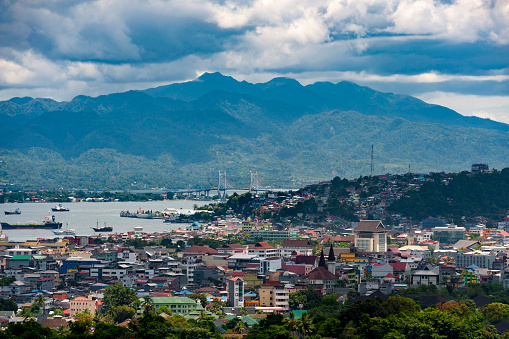
mashupch.com – Ambon, the bustling capital of the Maluku province in Indonesia, is affectionately known as “Ambon Manise,” which translates to “Sweet Ambon.” Located on Ambon Island, this city is renowned for its stunning natural landscapes, vibrant culture, and historical significance as a hub of the spice trade during colonial times.

Historical Background

Ambon has a rich history that dates back to the era of the spice trade in the 16th century. The island was a coveted destination for European powers due to its abundance of cloves and nutmeg. The Portuguese were the first Europeans to arrive in Ambon, followed by the Dutch, who established a significant colonial presence. This colonial history has left an indelible mark on the city, with remnants of forts and colonial architecture still visible today.

Cultural and Natural Attractions

Ambon boasts a variety of attractions that reflect its cultural diversity and natural beauty. The city is home to numerous historical sites, such as Fort Victoria and the Siwalima Museum, which offer insights into its colonial past and local traditions. The Ambon War Cemetery is another poignant site, commemorating those who lost their lives during World War II.

Nature enthusiasts will find plenty to explore in and around Ambon. The island’s coastline is dotted with beautiful beaches, such as Natsepa and Liang, known for their crystal-clear waters and vibrant coral reefs. These beaches offer excellent opportunities for snorkeling and diving, providing a glimpse into the rich marine biodiversity of the region.

Modern Developments and Economy

Today, Ambon is a thriving city with a growing economy supported by agriculture, fishing, and tourism. The city serves as a gateway to the Maluku Islands, attracting visitors with its unique blend of cultural and natural attractions. Efforts are being made to improve infrastructure and promote sustainable tourism, ensuring that the city’s natural beauty and cultural heritage are preserved for future generations.

Conclusion

Ambon City, with its captivating history, diverse culture, and stunning natural beauty, offers a unique experience for travelers. Whether you’re exploring its historical landmarks, enjoying the picturesque beaches, or immersing yourself in the local culture, Ambon provides a rich and rewarding journey. As the city continues to grow and develop, it remains a shining gem in the heart of the Moluccas, embodying the spirit of Indonesia’s eastern islands.

Kegiatan Sosial dalam Komunitas Baseball: Membangun Hubungan Melalui Olahraga

Baseball bukan hanya sekadar permainan; ia juga menjadi jembatan untuk membangun hubungan sosial yang kuat dalam komunitas slot mahjong. Kegiatan sosial dalam komunitas baseball dapat mempererat ikatan antar anggota, menciptakan lingkungan yang mendukung, dan mengembangkan rasa kepemilikan bersama. Berikut adalah beberapa kegiatan sosial yang dapat dilakukan dalam komunitas baseball untuk memperkuat hubungan antar pemain, pelatih, dan penggemar.

1. Turnamen Internal

  • Kompetisi Ramah: Selenggarakan turnamen internal antar tim dalam komunitas. Ini tidak hanya meningkatkan keterampilan tetapi juga memperkuat persahabatan di antara pemain.
  • Penghargaan: Berikan penghargaan untuk berbagai kategori, seperti pemain terbaik, tim paling sportiv, atau momen terbaik, untuk merayakan pencapaian bersama.

2. Acara Penggalangan Dana

  • Bazar atau Lelang: Adakan bazar atau lelang untuk mengumpulkan dana bagi tim atau organisasi. Hasilnya bisa digunakan untuk membeli peralatan baru, meningkatkan fasilitas, atau membantu anggota yang membutuhkan.
  • Partisipasi Komunitas: Ajak masyarakat setempat untuk berpartisipasi dan memberikan dukungan, menciptakan rasa kebersamaan yang lebih luas.

3. Pelatihan dan Workshop

  • Sesi Pelatihan Bersama: Selenggarakan workshop dengan pemain berpengalaman atau pelatih profesional. Ini memberi kesempatan bagi anggota untuk belajar dan meningkatkan keterampilan dalam suasana yang santai.
  • Kegiatan untuk Pemula: Adakan sesi pelatihan bagi pemula atau anak-anak. Kegiatan ini dapat membantu mereka mengenal olahraga sekaligus memperkenalkan nilai-nilai sportivitas dan kerjasama.

4. Kegiatan Sosial di Luar Lapangan

  • Piknik atau BBQ: Selenggarakan acara piknik atau BBQ untuk semua anggota komunitas. Ini adalah cara yang baik untuk bersantai dan membangun hubungan yang lebih dekat di luar konteks olahraga.
  • Kegiatan Volunteer: Ajak anggota komunitas untuk berpartisipasi dalam kegiatan sosial, seperti membersihkan lingkungan atau membantu di panti asuhan. Kegiatan ini dapat memperkuat rasa kepedulian sosial dan kebersamaan.

5. Menyambut Musim Baru

  • Acara Pembukaan Musim: Rayakan pembukaan musim baru dengan acara perkenalan tim dan pelatih. Kegiatan ini juga bisa diisi dengan permainan dan hiburan untuk keluarga.
  • Dukungan untuk Tim: Selenggarakan acara dukungan untuk tim lokal dengan menonton pertandingan bersama. Ini membangun kebersamaan dan meningkatkan semangat tim.

6. Peringatan dan Penghargaan

  • Penghargaan kepada Anggota: Berikan penghargaan kepada anggota yang berkontribusi besar dalam komunitas, seperti pelatih, sukarelawan, atau pemain yang menunjukkan dedikasi luar biasa.
  • Perayaan Ulang Tahun Tim: Rayakan ulang tahun tim atau komunitas dengan acara spesial, termasuk permainan nostalgia dan rekoleksi momen-momen berharga.

7. Forum Diskusi dan Pertemuan Rutin

  • Pertemuan Rutin: Adakan pertemuan rutin untuk mendiskusikan perkembangan tim, masalah yang dihadapi, dan rencana ke depan. Ini penting untuk memastikan semua anggota merasa didengar.
  • Forum Diskusi: Buat forum atau grup media sosial untuk anggota komunitas saling berbagi informasi, tips, dan ide. Ini juga memperkuat rasa kebersamaan dalam komunitas.

8. Membangun Hubungan dengan Masyarakat

  • Kerjasama dengan Sekolah: Jalin kerjasama dengan sekolah-sekolah setempat untuk mengadakan klinik baseball bagi siswa. Ini tidak hanya memperkenalkan olahraga tetapi juga menciptakan kesadaran akan komunitas.
  • Partisipasi dalam Acara Masyarakat: Ikut serta dalam acara masyarakat, seperti festival atau pasar malam, untuk memperkenalkan tim dan mendapatkan dukungan dari masyarakat sekitar.

Kesimpulan

Kegiatan sosial dalam komunitas baseball sangat penting untuk membangun hubungan yang kuat dan mendukung. Dengan melibatkan semua anggota dalam berbagai aktivitas, komunitas dapat menciptakan lingkungan yang positif, mendukung, dan inklusif. Selain meningkatkan keterampilan olahraga, kegiatan ini juga memperkuat ikatan sosial yang akan bertahan lama. Mari bangun hubungan yang lebih erat melalui olahraga dan ciptakan kenangan yang tak terlupakan bersama!

The Mouth in Different Cultures: Traditions & Practices

mashupch.com – The mouth, an essential organ for survival and communication, holds significant cultural importance across the globe. Different cultures have developed unique traditions and practices related to oral care, reflecting their diverse beliefs and values. This article explores various cultural approaches to oral hygiene and the symbolic meanings associated with the mouth in different societies.

1. Traditional Oral Care Practices

a. Oil Pulling in India

In India, oil pulling is an ancient practice that involves swishing oil, often sesame or coconut, around the mouth to remove toxins. This Ayurvedic technique is believed to improve oral health and overall well-being by detoxifying the body and strengthening the teeth and gums.

b. Charcoal Brushing in Japan

Japan has a tradition of using charcoal to clean teeth. Charcoal is thought to have natural whitening and antibacterial properties, making it a popular choice for maintaining oral hygiene. This practice reflects the Japanese emphasis on natural and holistic approaches to health.

c. Tooth Lacquering in Southeast Asia

In some Southeast Asian cultures, tooth lacquering is a traditional practice where teeth are colored using natural dyes. This is often done for aesthetic reasons, as blackened teeth are considered a symbol of beauty and maturity. The practice highlights the cultural significance of oral aesthetics.

2. Symbolic Meanings of the Mouth

a. Oral Traditions in African Cultures

In many African cultures, the mouth is central to oral traditions, which are vital for preserving history, knowledge, and cultural identity. Storytelling, songs, and proverbs are passed down orally through generations, underscoring the mouth’s role in maintaining cultural heritage.

b. The Mouth as a Symbol of Expression in Western Cultures

In Western cultures, the mouth is often associated with self-expression and communication. The ability to speak and articulate thoughts is highly valued, and oral health is linked to confidence and social interaction. The emphasis on a bright smile reflects cultural ideals of beauty and success.

3. Modern Influences and Globalization

As globalization continues to influence cultural practices, traditional oral care methods are being integrated with modern dentistry. While many people still value their cultural traditions, they often combine these with contemporary practices to maintain oral health. This blending of traditions highlights the dynamic nature of cultural practices related to the mouth.

Conclusion

The mouth’s significance extends beyond its biological functions, encompassing cultural, aesthetic, and symbolic dimensions. Understanding the diverse traditions and practices related to the mouth in different cultures enriches our appreciation of global diversity and highlights the universal importance of oral health. As cultures continue to evolve, these practices may change, but the fundamental role of the mouth in human life remains constant.

The Real Cost of Makeup: Financial and Health Implications

mashupch.com – Makeup is a staple in the lives of millions, transforming appearances and boosting confidence. However, behind the allure of flawless skin and bold lips lies a deeper story about the real cost of makeup—both in terms of finances and health. This article explores how the pursuit of beauty can impact wallets and well-being, offering insights into making informed choices.

The Financial Burden of Makeup

The beauty industry is a multi-billion-dollar market, with consumers spending significant amounts on cosmetics each year. Here’s how the financial implications stack up:

  1. Frequent Purchases: Makeup products have a limited shelf life, prompting regular replenishment. This frequent purchasing cycle can quickly add up, straining budgets.
  2. High-End Brands vs. Drugstore Options: While luxury brands promise superior quality, their high price tags can be prohibitive. Conversely, drugstore alternatives may be more affordable but often require more frequent replacement.
  3. Beauty Trends: The ever-changing landscape of beauty trends encourages consumers to continuously update their collections, leading to additional expenses.
  4. Hidden Costs: Besides the initial purchase price, there are hidden costs like tools (brushes, sponges) and skincare products needed to maintain healthy skin beneath the makeup.

Health Implications of Makeup

Beyond financial considerations, makeup can also have significant health implications:

  1. Skin Irritation and Allergies: Some makeup ingredients can cause skin irritation, allergies, and breakouts, leading to discomfort and additional skincare expenses.
  2. Exposure to Toxic Chemicals: As previously discussed, many cosmetics contain chemicals that may disrupt hormones or pose other health risks. Prolonged exposure can have cumulative effects on health.
  3. Hygiene Concerns: Improper storage and usage of makeup products can lead to bacterial growth, increasing the risk of infections and skin problems.
  4. Mental Health: The pressure to conform to beauty standards and maintain a flawless appearance can contribute to mental health issues, such as anxiety and low self-esteem.

Balancing Beauty with Financial and Health Considerations

To mitigate the financial and health costs of makeup, consider the following strategies:

  1. Set a Budget: Determine how much you’re willing to spend on makeup each month and stick to it. Prioritize essential products and invest in quality over quantity.
  2. Educate Yourself: Learn about safe ingredients and choose products that align with your health values. Look for brands that offer transparency and prioritize non-toxic formulations.
  3. Practice Good Hygiene: Regularly clean makeup tools and replace products according to their expiration dates to minimize health risks.
  4. Focus on Skincare: Invest in a solid skincare routine to ensure your skin remains healthy and requires less makeup for coverage.
  5. Mindful Consumption: Resist the urge to follow every beauty trend. Focus on products that truly enhance your natural beauty and serve your individual needs.

Conclusion

While makeup can be a powerful tool for self-expression and confidence, it’s essential to be aware of its real costs. By understanding the financial and health implications and making conscious choices, consumers can enjoy the benefits of makeup without compromising their well-being or financial stability. As the beauty industry continues to evolve, a focus on sustainable practices and safer products will help ensure that the pursuit of beauty is both affordable and healthy.

BTS Kembali: Album Baru yang Memikat Hati Fans!

mashupch.com – Setelah sekian lama dinantikan, BTS akhirnya kembali dengan album terbaru yang menggetarkan hati para penggemar. Kembalinya grup asal Korea Selatan ini disambut antusias oleh ARMY, nama penggemar BTS, yang telah setia menunggu kabar terbaru dari idolanya.

Album yang Menggugah Emosi

Album baru ini menampilkan perpaduan berbagai genre, mulai dari pop, hip-hop, hingga elemen tradisional Korea. Joker Gaming slot Dengan lirik yang mendalam dan penuh makna, setiap lagu menggambarkan perjalanan emosional yang pernah dialami oleh anggota BTS. Baik itu tema cinta, persahabatan, maupun perjuangan, album ini mampu menyentuh hati para pendengar.

Kolaborasi Menarik

Salah satu daya tarik album ini adalah kolaborasi dengan beberapa artis ternama. Melalui kolaborasi ini, BTS tidak hanya memperluas jangkauan musik mereka, tetapi juga menghadirkan nuansa segar yang membuat album ini semakin menarik. Setiap kolaborasi membawa keunikan tersendiri, menambah kekayaan musik dalam album ini.

https://mashupch.com/

Visual yang Memukau

Selain musiknya, BTS juga tidak lupa menyajikan visual yang memukau dalam video musik mereka. Dengan konsep yang kreatif dan sinematografi yang menawan, setiap video musik menjadi sebuah karya seni yang layak untuk ditonton. ARMY pun bisa merasakan kehadiran BTS secara lebih dekat melalui visual yang mereka sajikan.

Resonansi di Kalangan Penggemar

Sejak peluncuran album, respons dari penggemar sangat positif. Banyak yang membagikan pengalaman pribadi mereka yang sejalan dengan lirik lagu-lagu di dalam album. Hal ini menunjukkan betapa kuatnya ikatan emosional antara BTS dan penggemarnya. Lagu-lagu dalam album ini menjadi soundtrack bagi banyak momen berharga dalam hidup para ARMY.

Kesimpulan

Kembalinya BTS dengan album baru ini jelas memberikan kebahagiaan dan kegembiraan yang luar biasa bagi para penggemar. Dengan musik yang menggugah, kolaborasi yang menarik, serta visual yang memikat, album ini berhasil memikat hati banyak orang. BTS terus membuktikan bahwa mereka adalah salah satu grup musik terkemuka di dunia, dan komitmen mereka terhadap seni dan penggemar patut diacungi jempol. Kini, semua mata tertuju pada langkah selanjutnya dari perjalanan luar biasa ini.

Hiroshima City: A Journey Through History and Renewal

mashupch.com – Hiroshima City, located in the western part of Japan’s Honshu Island, is a place where history and modernity coexist harmoniously. Known worldwide for its tragic past, Hiroshima has emerged as a symbol of peace and resilience. This article explores the historical significance, cultural attractions, and vibrant life of Hiroshima City.

A City with a Profound History

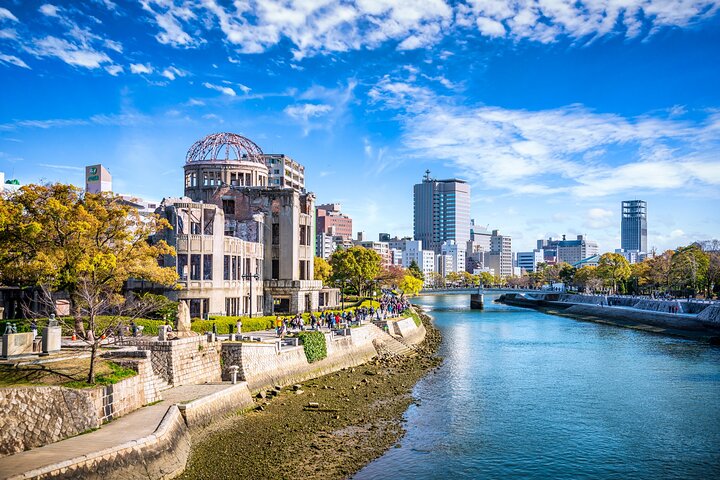
Hiroshima’s name is forever etched in history due to the events of August 6, 1945, when it became the first city to suffer an atomic bombing during World War II. The impact was devastating, but the city’s recovery and commitment to peace have made it a beacon of hope. The Hiroshima Peace Memorial Park stands as a poignant reminder of the past, featuring the iconic Atomic Bomb Dome and the Hiroshima Peace Memorial Museum, which educates visitors about the consequences of nuclear warfare and the importance of peace.

Cultural and Historical Attractions

In addition to its historical significance, Hiroshima is home to a wealth of cultural and historical sites. The Hiroshima Castle, originally built in the 16th century, offers a glimpse into the city’s feudal past. Reconstructed after the war, the castle now houses a museum with exhibits on Hiroshima’s history. Shukkeien Garden, a traditional Japanese garden, provides a tranquil escape in the heart of the city, showcasing beautifully manicured landscapes and serene ponds.

Culinary Delights: Hiroshima-style Okonomiyaki

Hiroshima is renowned for its unique take on okonomiyaki, a savory pancake made with layers of batter, cabbage, pork, and noodles, topped with a rich sauce. This local delicacy can be enjoyed at numerous restaurants throughout the city, particularly in the bustling Okonomimura district, which is dedicated to this beloved dish. Hiroshima’s culinary scene also features fresh seafood from the Seto Inland Sea and locally brewed sake, offering a diverse array of flavors for visitors to savor.

Natural Beauty and Island Excursions

Surrounded by natural beauty, Hiroshima offers numerous opportunities for outdoor exploration. The nearby island of Miyajima, a short ferry ride away, is famous for the Itsukushima Shrine and its “floating” torii gate, a UNESCO World Heritage site. The island’s scenic hiking trails and friendly deer make it a popular day-trip destination. Closer to the city, the Mitaki-dera Temple, nestled in the lush hills, provides a peaceful retreat with its ancient pagodas and waterfalls.

A Modern and Vibrant City

Today, Hiroshima is a thriving urban center with a lively arts and entertainment scene. The city’s shopping districts, such as Hondori Street, offer a mix of traditional shops and modern boutiques. Hiroshima’s cultural calendar is packed with events, including the Hiroshima Flower Festival and the Hiroshima International Animation Festival, celebrating the city’s artistic spirit and creativity.

Conclusion

Hiroshima City is a testament to the power of resilience and renewal. From its sobering history to its vibrant present, Hiroshima offers a rich tapestry of experiences for visitors. Whether reflecting on its past at the Peace Memorial Park, indulging in its culinary delights, or exploring its natural beauty, Hiroshima is a city that captivates the heart and inspires hope for a peaceful future.

Discovering “Divergent” by Veronica Roth

mashupch.com – “Divergent,” the debut novel by Veronica Roth, is a thrilling young adult dystopian story set in a future where society is divided into distinct factions based on human virtues. Published in 2011, the book quickly became a bestseller and spawned a successful series that captivated readers worldwide. With its compelling characters, action-packed plot, and exploration of identity and choice, “Divergent” has left a lasting impact on the genre.

Synopsis

The novel is set in a post-apocalyptic Chicago, where society is divided into five factions: Abnegation (selflessness), Amity (peacefulness), Candor (honesty), Dauntless (bravery), and Erudite (intelligence). Each faction upholds its respective virtue as the highest ideal. At the age of sixteen, every individual must choose a faction to commit to for life, often leaving their family and previous lifestyle behind.

The story follows Beatrice “Tris” Prior, who discovers during her aptitude test that she is “Divergent,” meaning she doesn’t fit neatly into any one faction. This revelation is dangerous, as Divergents are considered threats to the societal order. Tris chooses to join Dauntless, where she faces intense physical and mental challenges while trying to conceal her Divergent status.

As she navigates her new life, Tris uncovers a conspiracy that threatens to unravel the fragile peace among the factions. Teaming up with fellow initiates and the enigmatic trainer Tobias “Four” Eaton, Tris must confront her fears and use her Divergence to protect those she loves.

Themes

Identity and Choice

“Divergent” explores the theme of identity and the struggle to define oneself in a world that demands conformity. Tris’s journey is one of self-discovery, as she learns to embrace her Divergence and understand her true nature. The book highlights the importance of choice and the courage it takes to forge one’s own path.

Society and Control

The novel examines the concept of societal control through the rigid faction system. It questions the effectiveness of categorizing people based on a single trait and critiques the dangers of an overly controlled society where individuality is suppressed. The story reveals how power can be used to manipulate and oppress, sparking a rebellion against the status quo.

Fear and Courage

Fear and courage are central themes in “Divergent.” The Dauntless faction values bravery, and Tris’s initiation involves confronting her deepest fears. The novel emphasizes that true courage is not the absence of fear but the willingness to face it, and that bravery can take many forms.

Writing Style

Veronica Roth’s writing is fast-paced and engaging, with a strong focus on action and character development. Her vivid descriptions and dynamic scenes draw readers into the story’s world, making them feel the urgency and stakes of Tris’s challenges. The first-person narrative provides an intimate look into Tris’s thoughts and emotions, enhancing the reader’s connection to her journey.

Conclusion

“Divergent” is a gripping and thought-provoking novel that combines elements of adventure, romance, and speculative fiction. Veronica Roth’s imaginative world-building and exploration of complex themes make this book a standout in the young adult dystopian genre. As Tris faces the trials of her society and the dangers of being Divergent, readers are taken on an exhilarating ride through a world where the courage to choose one’s destiny can change everything.

Konektivitas Global: Peluncuran Satelit Internet untuk Wilayah Tertinggal

mashupch.com – Dalam era digital saat ini, akses internet telah menjadi kebutuhan dasar yang esensial untuk mendukung berbagai aspek kehidupan, termasuk pendidikan, kesehatan, dan ekonomi. Namun, masih banyak wilayah di dunia, terutama di daerah tertinggal, yang mengalami kesulitan dalam mendapatkan konektivitas internet yang memadai. Untuk mengatasi tantangan ini, peluncuran satelit internet menjadi solusi yang semakin populer dan menjanjikan.

rekomendasi game casino tergacor : judi live casino

Mengapa Satelit Internet?

Satelit internet menawarkan keunggulan dalam menjangkau area yang sulit diakses oleh infrastruktur internet tradisional, seperti kabel fiber optik atau jaringan seluler. Dengan menggunakan satelit yang mengorbit di atas Bumi, koneksi internet dapat menjangkau lokasi yang terpencil tanpa memerlukan pembangunan infrastruktur fisik yang mahal dan rumit. Ini sangat penting untuk wilayah-wilayah yang tidak memiliki akses yang baik ke jaringan telekomunikasi konvensional.
Peluncuran Satelit dan Dampaknya

Beberapa perusahaan teknologi besar, seperti SpaceX dengan proyek Starlink dan OneWeb, telah meluncurkan ribuan satelit untuk menciptakan jaringan internet global. Satelit-satelit ini berfungsi dalam konstelasi, sehingga dapat memberikan cakupan yang lebih luas dan latensi yang lebih rendah. Dengan konektivitas yang lebih baik, diharapkan wilayah tertinggal dapat menikmati berbagai manfaat, termasuk:

  1. Pendidikan: Akses ke sumber daya pendidikan online memungkinkan siswa di daerah terpencil untuk mendapatkan materi pembelajaran yang berkualitas, bahkan mengikuti kelas virtual.
  2. Kesehatan: Telemedicine menjadi lebih mungkin dengan konektivitas yang baik, memungkinkan konsultasi medis jarak jauh dan pengiriman informasi kesehatan yang cepat.
  3. Ekonomi: Pelaku usaha kecil di daerah tertinggal dapat menjangkau pasar yang lebih luas melalui platform online, membantu mereka untuk mengembangkan usaha dan meningkatkan pendapatan.
  4. Pemerintahan dan Layanan Publik: Konektivitas yang lebih baik mendukung transparansi dan efisiensi dalam layanan publik, memungkinkan masyarakat untuk lebih mudah mengakses informasi dan layanan pemerintah.

Tantangan dan Solusi

Meskipun peluncuran satelit internet menawarkan banyak manfaat, ada beberapa tantangan yang perlu diatasi:

  • Biaya: Akses internet melalui satelit seringkali lebih mahal dibandingkan dengan layanan tradisional. Diperlukan upaya untuk menyediakan layanan dengan biaya yang terjangkau bagi masyarakat di wilayah tertinggal.
  • Keberlanjutan: Masalah keberlanjutan lingkungan akibat peluncuran satelit yang berlebihan dan risiko kerusakan orbit perlu diperhatikan.
  • Infrastruktur Pendukung: Selain koneksi internet, infrastruktur lokal seperti perangkat penerima dan pelatihan pengguna juga sangat penting agar masyarakat dapat memanfaatkan layanan dengan optimal.

Kesimpulan

Peluncuran satelit internet merupakan langkah maju yang signifikan dalam upaya meningkatkan konektivitas global, khususnya di wilayah tertinggal. Dengan memanfaatkan teknologi ini, diharapkan dapat menjembatani kesenjangan digital dan memberikan akses yang lebih baik kepada masyarakat, mempercepat kemajuan sosial dan ekonomi. Namun, keberhasilan inisiatif ini bergantung pada kolaborasi antara pemerintah, perusahaan teknologi, dan masyarakat untuk mengatasi tantangan yang ada dan memastikan bahwa manfaat konektivitas internet dapat dirasakan oleh semua pihak.

The Whimsical Worlds of Jean-Pierre Jeunet

mashupch.com – Jean-Pierre Jeunet, the French filmmaker, is celebrated for his distinctively whimsical and visually enchanting cinematic worlds. Known for films like “Amélie” and “Delicatessen,” Jeunet combines a unique visual style with quirky storytelling, creating rich, fantastical narratives that captivate audiences with their charm and imagination.

A Distinctive Visual Style

Jeunet’s films are instantly recognizable for their vibrant color palettes, meticulous set designs, and imaginative cinematography. His use of warm, saturated colors and playful camera angles creates a dreamlike atmosphere that draws viewers into his whimsical worlds. This distinctive visual style is evident in “Amélie,” where the picturesque portrayal of Paris adds to the film’s enchanting narrative.

Quirky and Endearing Characters

Central to Jeunet’s storytelling are his quirky and endearing characters. His films often feature eccentric protagonists whose peculiarities and charm endear them to audiences. In “Amélie,” the titular character’s whimsical nature and imaginative world view make her an unforgettable and beloved figure in cinema. Jeunet’s ability to craft such unique characters adds depth and heart to his narratives.

Blending Fantasy and Reality

Jeunet masterfully blends elements of fantasy and reality, creating stories that are both fantastical and relatable. His films often explore themes of love, loneliness, and the pursuit of happiness, set against a backdrop of surreal and imaginative worlds. In “Delicatessen,” for example, he combines dark humor with a post-apocalyptic setting to tell a story about survival and human connection.

Collaborative Creativity

Jeunet frequently collaborates with talented artists and craftsmen to bring his visions to life. His partnership with visual effects artist Marc Caro, particularly on films like “The City of Lost Children,” showcases their ability to create visually stunning and intricately detailed worlds. This collaborative approach enhances the richness and depth of Jeunet’s films.

A Lasting Impact on Cinema

Jean-Pierre Jeunet’s whimsical worlds have left a significant mark on cinema, inspiring filmmakers to embrace creativity and imagination. His unique storytelling and visual flair continue to captivate audiences, proving that cinema can be both an art form and a means of escapism.

In conclusion, Jean-Pierre Jeunet’s films are a celebration of whimsy and imagination. Through his distinctive visual style and charming narratives, he invites audiences into enchanting worlds where fantasy and reality coexist. His work remains a testament to the power of creativity in filmmaking.

Norway’s Music Scene: From Folk Tunes to Modern Beats

mashupch.com – Norway’s music scene is a dynamic tapestry of sounds that reflects the country’s rich cultural heritage and innovative spirit. From traditional folk music steeped in history to cutting-edge modern beats, the Norwegian music landscape offers a diverse and vibrant experience for music lovers. This journey through Norway’s musical evolution highlights the deep-rooted traditions and the contemporary creativity that define its sound.

Traditional Norwegian Folk Music

A Rich Heritage

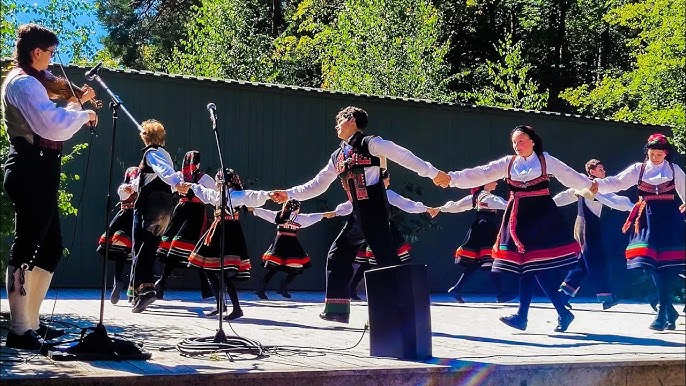
Norwegian folk music has its roots in centuries-old traditions, with melodies and rhythms passed down through generations. This genre is characterized by its use of traditional instruments, such as the Hardanger fiddle (Hardingfele), which is often adorned with intricate designs and produces a distinctive, resonant sound. Folk tunes typically accompany dances and celebrations, reflecting the cultural identity and stories of the Norwegian people.

Sámi Music and Joik

The indigenous Sámi people of Norway have their own unique musical tradition known as joik. This form of vocal expression is a powerful and personal way to convey emotions and connect with nature. Joik is an integral part of Sámi culture and has gained international recognition for its haunting beauty and spiritual depth.

The Rise of Norwegian Classical and Jazz

Classical Composers

Norway has produced several renowned classical composers who have made significant contributions to the global music scene. Edvard Grieg, known for his evocative compositions inspired by Norwegian landscapes and folklore, is a national icon. His works, such as “Peer Gynt” and “Piano Concerto in A minor,” continue to captivate audiences worldwide.

Norwegian Jazz

The Norwegian jazz scene has flourished over the past few decades, with artists gaining international acclaim for their innovative sounds and improvisational skills. Musicians like Jan Garbarek and Bugge Wesseltoft have helped put Norway on the map as a hub for contemporary jazz, blending traditional influences with modern styles.

Modern Norwegian Music: Pop, Rock, and Beyond

Pop and Rock Influences

Norway’s modern music scene is characterized by a diverse array of genres, including pop, rock, and electronic music. Artists such as A-ha, with their global hit “Take On Me,” have paved the way for future generations of Norwegian pop stars. Today, musicians like Sigrid and Aurora continue to gain international recognition with their unique sounds and powerful performances.

The Electronic Music Scene

Norway’s electronic music scene has also gained traction, with artists like Kygo leading the charge in the tropical house genre. His upbeat, melodic tracks have earned him a place on the global stage, highlighting Norway’s influence in the electronic music world.

Music Festivals and Cultural Events

Norway is home to a vibrant festival scene that celebrates its diverse musical heritage. Events like the Bergen International Festival and the Øya Festival in Oslo attract music lovers from around the world, showcasing everything from classical performances to indie rock and electronic beats. These festivals offer a platform for both established artists and emerging talent, fostering a sense of community and creativity.

Conclusion

Norway’s music scene is a captivating blend of tradition and innovation, offering something for every musical taste. From the haunting melodies of folk tunes to the energetic beats of modern pop and electronic music, Norway’s soundscape is a testament to its rich cultural heritage and forward-thinking approach. Whether you’re exploring the soulful strains of a Hardanger fiddle or dancing to the latest electronic hits, Norway’s music scene promises an unforgettable auditory adventure.

Unveiling the Allure of Fremantle – Historical Significance

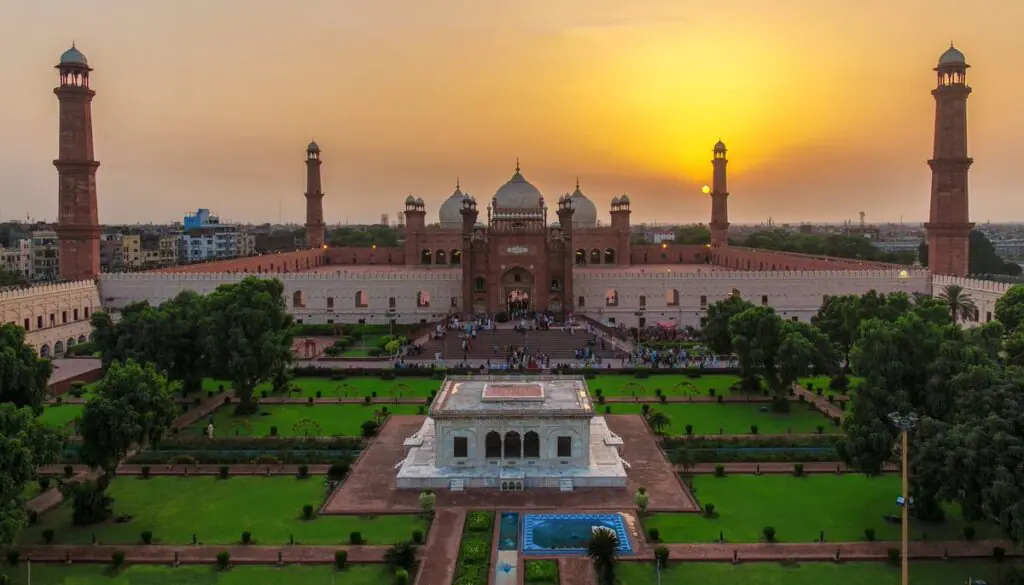
mashupch.com – Nestled at the mouth of the Swan River in Western Australia, Fremantle is a port city renowned for its rich maritime history, vibrant arts scene, and eclectic blend of cultures. Known affectionately as “Freo” by locals, this charming city offers a unique combination of historical significance and modern creativity. In this article, we explore what makes Fremantle an intriguing destination for travelers and locals alike.

Historical Significance

Fremantle boasts a fascinating history as one of the oldest settlements in Western Australia. Established in 1829, the city played a crucial role during the colonial era and the subsequent gold rush. Visitors can delve into its past by exploring the Fremantle Prison, a UNESCO World Heritage site that offers guided tours revealing stories of convicts and daring escapes. The Western Australian Maritime Museum, located on Victoria Quay, showcases the city’s strong maritime ties, including the iconic America’s Cup-winning yacht, Australia II.

Architectural and Cultural Heritage

Fremantle’s streets are lined with beautifully preserved 19th-century architecture, including heritage-listed buildings and charming Victorian terraces. The Fremantle Markets, housed in a historic building dating back to 1897, provide a lively atmosphere where visitors can browse local produce, artisanal goods, and unique crafts. The city’s cultural diversity is celebrated through numerous festivals and events, such as the Fremantle Festival and the Street Arts Festival, highlighting its dynamic community spirit.

Arts and Creativity

A haven for artists and creatives, Fremantle is home to a thriving arts scene. The Fremantle Arts Centre, set in a stunning Gothic-style building, hosts contemporary art exhibitions, live music performances, and workshops. The city’s vibrant street art, local galleries, and artisanal shops further reflect its creative pulse. Music lovers will find a diverse range of live performances in Fremantle’s many pubs and venues, showcasing both local talent and international acts.

Coastal and Culinary Delights

With its prime coastal location, Fremantle offers beautiful beaches and a bustling fishing harbor. South Beach is a popular spot for swimming and picnicking, while Bathers Beach provides a unique setting for sunset views. The city is also a culinary hotspot, with a wide array of dining options ranging from fresh seafood at Fishing Boat Harbour to multicultural cuisines in the city center. Fremantle’s craft breweries and lively cafés complete the vibrant food scene.
Conclusion

Fremantle is a city that seamlessly blends its rich historical roots with a vibrant contemporary culture. Its unique combination of heritage, creativity, and coastal charm makes it a must-visit destination for those seeking both relaxation and exploration. Whether you’re wandering through its historic streets, indulging in its culinary offerings, or enjoying its lively arts scene, Fremantle offers an unforgettable experience that captures the essence of Western Australia’s coastal allure.

Decoding the Language of the Deep: Whale Communication

mashupch.com – The ocean is a symphony of sounds, and at the heart of this underwater orchestra are whales, known for their complex and mysterious communication methods. From haunting songs to intricate clicks and whistles, whales use a sophisticated language that continues to captivate scientists and enthusiasts alike. This article delves into the fascinating world of whale communication, exploring how these majestic creatures interact, the purposes behind their vocalizations, and the ongoing efforts to decode their language.

The Variety of Whale Vocalizations

Whales are divided into two main groups: baleen whales and toothed whales, each with distinct communication methods. Baleen whales, such as humpbacks and blue whales, are famous for their long, melodic songs. These songs can last for hours and are often repeated, evolving over time. Toothed whales, including orcas and dolphins, use a combination of clicks, whistles, and pulsed calls that are believed to serve purposes ranging from navigation to social interaction.

The Purpose of Whale Songs

The precise reasons behind whale songs remain a subject of scientific inquiry, but several theories have emerged. In baleen whales, songs are primarily associated with mating, with males singing to attract females or challenge rivals. These songs are also thought to play a role in social cohesion and navigation. In contrast, the vocalizations of toothed whales are often used for echolocation, allowing them to navigate and hunt in the dark depths of the ocean.

Social Interactions and Group Dynamics

Whales are highly social animals, and their communication reflects their complex social structures. Many species travel in groups, or pods, with vocalizations helping to maintain group cohesion and coordinate activities such as hunting or migration. Some species, like orcas, have unique dialects specific to their pods, highlighting the intricate social bonds within these groups.

Challenges in Decoding Whale Language

Despite advances in technology and research, much about whale communication remains enigmatic. The vastness of the ocean, combined with the diversity of whale species and their habitats, presents significant challenges in studying these vocalizations. Researchers use underwater microphones and sophisticated software to analyze whale sounds, but fully understanding their meanings and functions is an ongoing endeavor.

The Impact of Human Activity

Human activities, such as shipping, oil exploration, and naval exercises, create noise pollution that can interfere with whale communication. This can disrupt their ability to find food, navigate, and communicate with one another. Conservation efforts aim to mitigate these impacts by establishing quieter ocean zones and implementing regulations to reduce noise pollution.

Conclusion

Whale communication is a testament to the intelligence and social complexity of these ocean giants. As researchers continue to decode the language of the deep, they uncover insights into the lives and behaviors of whales, fostering a deeper appreciation for these magnificent creatures. Protecting their ability to communicate is crucial for their survival, highlighting the need for continued conservation efforts and global awareness. By understanding and preserving the language of whales, we can ensure that the ocean’s symphony continues to resonate for generations to come.

Seni Jepang: Manga dan Anime

mashupch – Jepang dikenal sebagai negara yang kaya akan budaya dan seni. Salah satu bentuk seni yang paling menonjol dari Jepang adalah manga dan anime. Keduanya telah menjadi bagian integral dari budaya pop Jepang dan memiliki pengaruh yang signifikan di seluruh dunia. Artikel ini akan menjelaskan apa itu manga dan anime, sejarahnya, serta dampaknya terhadap masyarakat dan budaya.

Manga adalah komik atau novel grafis yang berasal dari Jepang. Kata “manga” secara harfiah berarti “gambar yang mengalir,” dan sering kali ditulis dalam gaya hitam-putih. Manga dapat mencakup berbagai genre, mulai dari aksi, petualangan, fantasi, hingga romansa dan horror. Manga biasanya dibaca dari kanan ke kiri, yang merupakan kebiasaan membaca tradisional Jepang.

Manga dapat dipublikasikan dalam format majalah atau buku (tankōbon). Beberapa manga terkenal, seperti Naruto, One Piece, dan Attack on Titan, telah menjadi fenomena global dengan jutaan penggemar di seluruh dunia. Manga tidak hanya menarik perhatian anak-anak dan remaja, tetapi juga orang dewasa, dengan banyak cerita yang ditujukan untuk berbagai kelompok usia.

Apa Itu Anime?

Anime adalah istilah untuk animasi yang berasal dari Jepang. Meskipun istilah ini dapat merujuk pada semua jenis animasi di Jepang, di luar Jepang, “anime” biasanya merujuk pada animasi Jepang yang memiliki gaya dan karakteristik unik. Anime dapat diadaptasi dari manga, novel, video game, atau bahkan karya asli.

Anime biasanya diproduksi dalam bentuk serial televisi, film, atau OVA (Original Video Animation). Gaya visual anime sangat bervariasi, tetapi sering kali ditandai dengan karakter dengan mata besar, ekspresi dramatis, dan desain yang kreatif. Beberapa judul anime yang terkenal antara lain My Hero Academia, Spirited Away, dan Attack on Titan.

Sejarah Manga dan Anime

Manga memiliki akar yang dalam dalam seni dan budaya Jepang. Bentuk seni ini dapat ditelusuri kembali ke zaman Edo (1603-1868) dengan munculnya ukiyo-e, cetakan kayu yang menggambarkan kehidupan sehari-hari dan pemandangan alam. Pada abad ke-19, manga modern mulai berkembang, dengan pengaruh dari seni Barat dan teknik pencetakan.

Anime muncul pada awal abad ke-20, dengan karya-karya awal yang terinspirasi oleh film animasi asing. Namun, anime sebagai bentuk seni yang terpisah baru mulai dikenal setelah Perang Dunia II, ketika studio-studio animasi seperti Toei Animation mulai memproduksi film animasi. Seiring waktu, anime menjadi populer di kalangan masyarakat Jepang dan akhirnya meraih perhatian global pada tahun 1980-an dan 1990-an.

Dampak Budaya

Manga dan anime tidak hanya menjadi hiburan, tetapi juga merupakan medium untuk menyampaikan berbagai tema dan nilai. Banyak manga dan anime mengeksplorasi isu-isu sosial, budaya, dan psikologis, memberikan perspektif yang beragam kepada penontonnya. Mereka juga menjadi alat komunikasi yang efektif, menjembatani kesenjangan antara budaya jepang slot dan budaya asing.

Popularitas manga dan anime telah melahirkan berbagai acara, festival, dan komunitas penggemar di seluruh dunia. Konvensi seperti Comic-Con dan Anime Expo menarik ribuan penggemar setiap tahun, di mana mereka dapat berkumpul, berbagi minat, dan merayakan karya favorit mereka.

Manga dan anime adalah bagian tak terpisahkan dari seni Jepang yang telah berkembang menjadi fenomena global. Dengan kekuatan narasi, karakter yang mendalam, dan gaya visual yang unik, keduanya terus menarik perhatian dan imajinasi jutaan orang di seluruh dunia. Dari komik yang dibaca di rumah hingga film animasi yang ditayangkan di bioskop, seni Jepang ini akan terus berkontribusi pada budaya pop dan menginspirasi generasi mendatang.

Snoop Dogg: The Icon of West Coast Hip-Hop

mashupch.com – Snoop Dogg, born Calvin Cordozar Broadus Jr., is a legendary figure in the world of hip-hop. With his distinctive laid-back style and smooth voice, Snoop has become synonymous with West Coast rap culture. This article delves into his rise to fame, his contributions to music, and his enduring influence in the entertainment industry.

Early Life and Musical Beginnings

Snoop Dogg grew up in Long Beach, California, where he was exposed to the vibrant music scene of the 1980s and 1990s. His early life was marked by challenges, including brushes with the law. However, his talent for rapping and his charismatic personality caught the attention of influential figures in the industry.

Rise to Stardom

Snoop Dogg’s big break came when he was discovered by Dr. Dre and featured on Dre’s debut solo album, “The Chronic,” in 1992. His debut album, “Doggystyle,” released in 1993, was an instant hit, cementing his place in hip-hop history. Tracks like “Gin and Juice” and “What’s My Name?” showcased his unique style and storytelling ability.

Evolution and Versatility

Over the years, Snoop Dogg has continuously reinvented himself. He has explored various musical genres, including reggae and gospel, demonstrating his versatility as an artist. His ability to adapt and remain relevant in a constantly changing industry is a testament to his creativity and business acumen.

Cultural Impact and Legacy

Beyond music, Snoop Dogg has made significant contributions to popular culture. He is a successful entrepreneur, actor, and television personality. His influence extends to fashion, language, and even culinary ventures. Snoop’s laid-back persona and sense of humor have endeared him to fans worldwide.

Conclusion

Snoop Dogg’s legacy is one of innovation and resilience. As a pioneer of West Coast hip-hop, he has left an indelible mark on the music industry. Whether through his iconic tracks, business ventures, or cultural influence, Snoop Dogg continues to be a formidable force in entertainment.

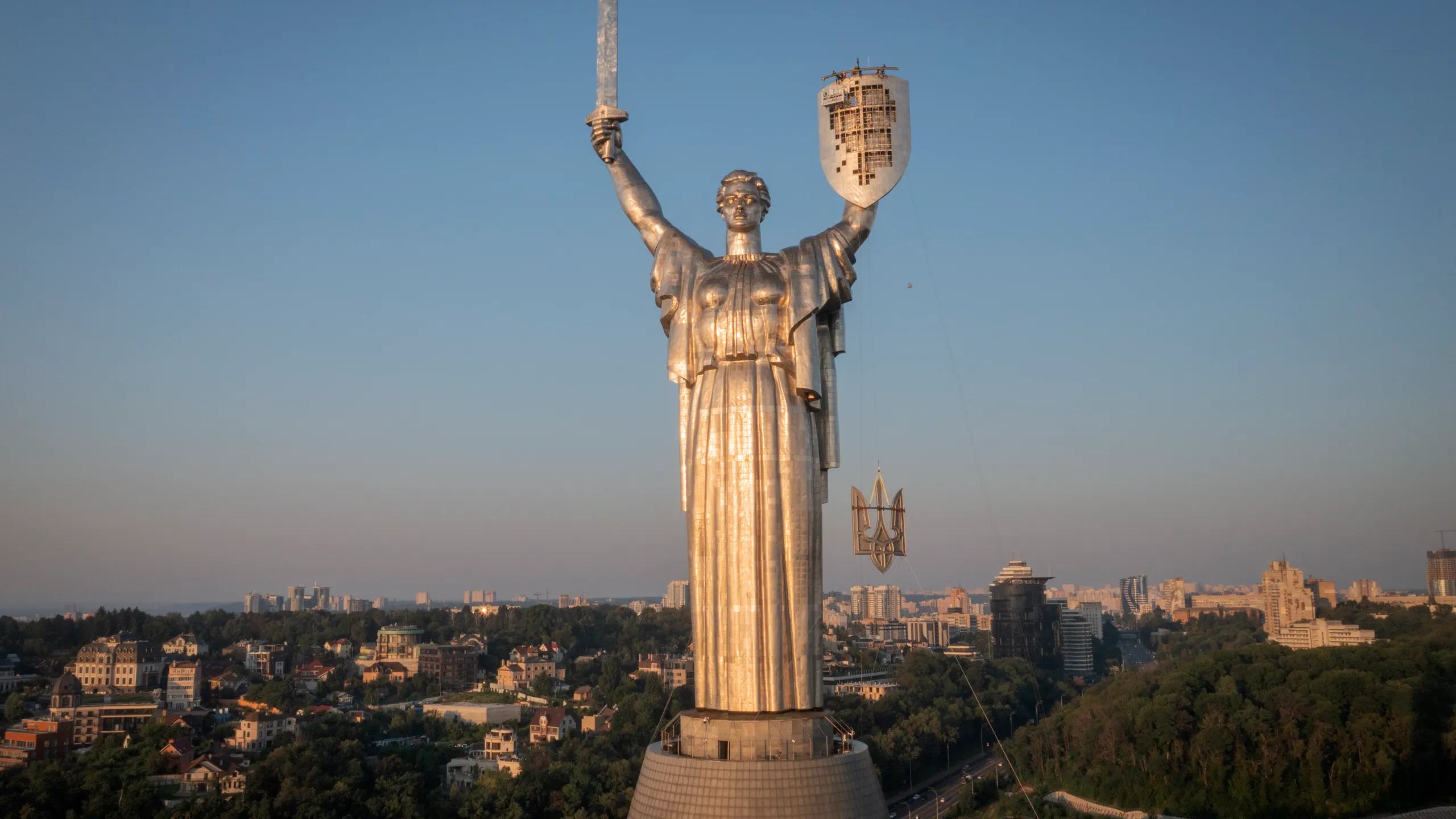
The Significance of the Crimean Peninsula in Ukraine’s History

mashupch.com – The Crimean Peninsula, a strategically located and historically rich region, has played a crucial role in Ukraine’s history. Its unique geographical position and diverse cultural heritage have made Crimea a focal point of geopolitical interest and conflict over the centuries. This article explores the historical significance of Crimea and its impact on Ukraine’s national identity and political landscape.

Historical Background

The history of the Crimean Peninsula is marked by a tapestry of cultural influences and political changes. Throughout the centuries, Crimea has been inhabited by various ethnic groups, including the ancient Greeks, Scythians, and Tatars. It became a significant center of trade and cultural exchange due to its location along important maritime routes.

In the late 18th century, Crimea was annexed by the Russian Empire, becoming a key naval base for the Black Sea Fleet. The peninsula’s strategic importance continued through the Soviet era, during which it hosted critical military installations.

Crimea’s Role in Modern Ukraine

In 1954, Crimea was transferred from the Russian Soviet Federative Socialist Republic to the Ukrainian Soviet Socialist Republic by Soviet leader Nikita Khrushchev. This decision was largely symbolic at the time, as both republics were part of the Soviet Union. However, it gained significant political importance following Ukraine’s independence in 1991.

As part of independent Ukraine, Crimea enjoyed autonomous status, with its own parliament and government. The peninsula remained a multicultural region, home to ethnic Russians, Ukrainians, and Crimean Tatars. Its strategic location and resources, including tourism and agriculture, added to its economic significance.

The Annexation of Crimea

The Crimean Peninsula became a focal point of international attention in 2014 when Russia annexed it following the Euromaidan movement and the ousting of Ukraine’s President Viktor Yanukovych. The annexation, widely condemned by the international community, was seen as a violation of international law and Ukraine’s sovereignty.

The annexation has had profound implications for Ukraine, leading to strained relations with Russia and ongoing geopolitical tensions. It also highlighted the complex historical ties between Crimea and Ukraine, as well as the challenges of navigating national identity and regional autonomy.

Cultural and Social Significance

Beyond its geopolitical importance, Crimea holds significant cultural and social value for Ukraine. The peninsula is home to a rich tapestry of historical sites, including ancient ruins, palaces, and religious monuments. It is also a cultural melting pot, reflecting the diverse heritage of its inhabitants.

The Crimean Tatars, who faced deportation during the Soviet era, have a unique cultural and historical connection to the peninsula. Their return and resettlement in Crimea have been integral to preserving the region’s cultural diversity and heritage.

Conclusion

The Crimean Peninsula’s significance in Ukraine’s history is multifaceted, encompassing strategic, cultural, and social dimensions. Its complex past and contested present continue to shape Ukraine’s national identity and geopolitical landscape. Understanding Crimea’s historical importance is essential for appreciating the broader context of Ukraine’s ongoing struggle for sovereignty and territorial integrity.

Krisis Transportasi di Kamboja: Apa yang Dapat Diperbaiki?

mashupch.com – Kamboja, negara yang terletak di jantung Asia Tenggara, menghadapi tantangan besar dalam sistem transportasinya. Dengan pertumbuhan ekonomi yang pesat dan urbanisasi yang cepat, kebutuhan akan infrastruktur transportasi yang efektif semakin mendesak. Meskipun pemerintah telah berupaya meningkatkan sistem transportasi, masih banyak aspek yang perlu diperbaiki untuk menciptakan mobilitas yang lebih baik bagi warganya.

rekomendasi game casino tergacor : judi mega wheel

Masalah yang Dihadapi

  1. Infrastruktur yang Tidak Memadai
    Banyak jalan di Kamboja, terutama di daerah pedesaan, dalam kondisi buruk. Jalan yang berlubang, kurangnya jembatan, dan sistem drainase yang tidak efektif menyebabkan kemacetan dan meningkatkan risiko kecelakaan.
  2. Transportasi Umum yang Terbatas
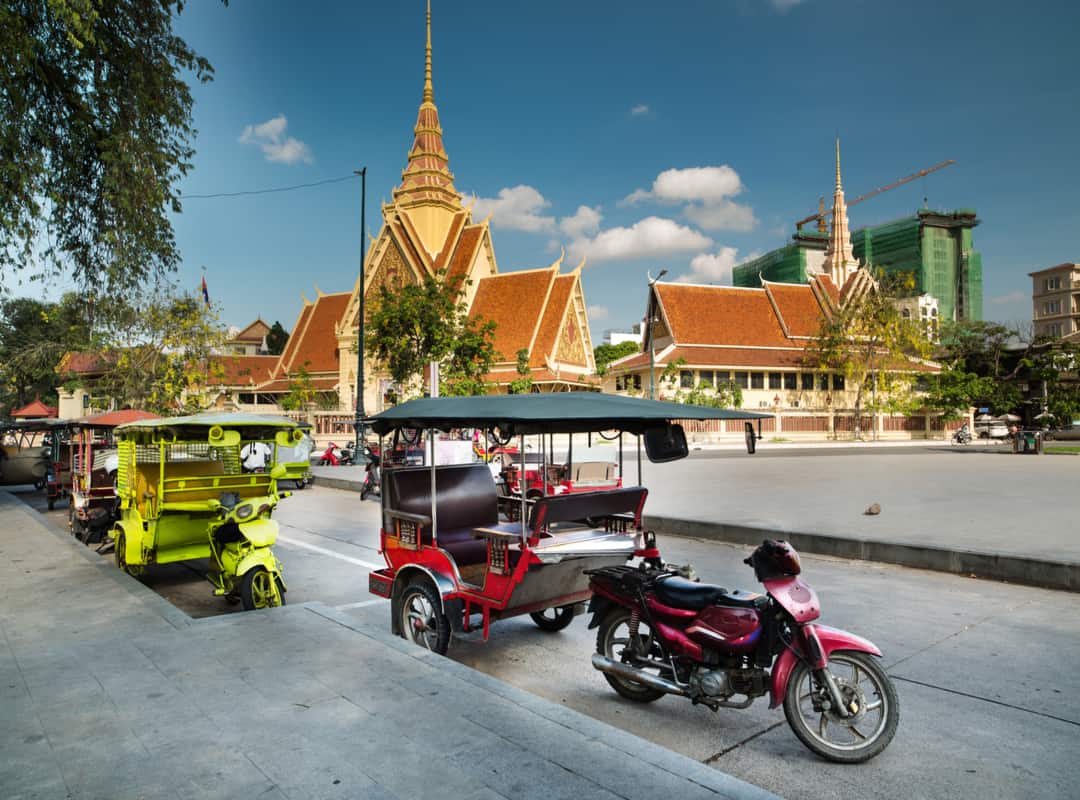
    Ketersediaan transportasi umum yang andal masih rendah. Meskipun ada bus dan tuk-tuk, banyak warga yang terpaksa menggunakan kendaraan pribadi, yang berkontribusi pada kemacetan lalu lintas dan polusi.
  3. Kurangnya Keamanan dan Regulasi
    Kecelakaan lalu lintas adalah masalah serius di Kamboja. Kurangnya penegakan hukum dan regulasi lalu lintas membuat pengemudi cenderung mengabaikan aturan. Ini meningkatkan risiko kecelakaan dan mengancam keselamatan pengguna jalan.
  4. Ketergantungan pada Kendaraan Pribadi
    Dengan pertumbuhan kelas menengah, banyak warga yang beralih ke kendaraan pribadi. Hal ini tidak hanya memperburuk kemacetan tetapi juga menambah polusi udara.

Solusi yang Dapat Diterapkan

  1. Peningkatan Infrastruktur Jalan
    Pemerintah perlu berinvestasi dalam perbaikan jalan, terutama di daerah pedesaan. Pembangunan jalan yang lebih baik dan penguatan infrastruktur yang ada dapat meningkatkan aksesibilitas dan mengurangi kemacetan.
  2. Pengembangan Sistem Transportasi Umum
    Meningkatkan jaringan transportasi umum dengan menyediakan bus yang lebih banyak, rute yang lebih efisien, dan tarif yang terjangkau dapat mendorong masyarakat untuk beralih dari kendaraan pribadi. Selain itu, perluasan layanan transportasi umum ke daerah pinggiran kota juga penting.
  3. Penegakan Hukum Lalu Lintas yang Lebih Ketat
    Meningkatkan penegakan hukum terhadap pelanggaran lalu lintas, seperti penggunaan helm, sabuk pengaman, dan batas kecepatan, dapat membantu mengurangi jumlah kecelakaan. Edukasi masyarakat mengenai keselamatan berkendara juga sangat diperlukan.
  4. Pengembangan Transportasi Berkelanjutan
    Memperkenalkan opsi transportasi yang ramah lingkungan, seperti sepeda dan sistem transportasi berbasis listrik, dapat membantu mengurangi ketergantungan pada bahan bakar fosil. Pembangunan jalur sepeda dan ruang terbuka hijau juga dapat mendorong penggunaan transportasi berkelanjutan.
  5. Partisipasi Masyarakat dan Stakeholder
    Melibatkan masyarakat dan stakeholder dalam perencanaan transportasi sangat penting. Dengan mendengarkan kebutuhan dan masukan dari warga, pemerintah dapat merancang sistem yang lebih efektif dan responsif terhadap kebutuhan masyarakat.

Kesimpulan

Krisis transportasi di Kamboja adalah tantangan besar yang memerlukan perhatian serius. Dengan pendekatan yang komprehensif, termasuk peningkatan infrastruktur, pengembangan transportasi umum, penegakan hukum lalu lintas, dan penerapan solusi berkelanjutan, Kamboja dapat menciptakan sistem transportasi yang lebih baik. Hal ini tidak hanya akan meningkatkan kualitas hidup masyarakat tetapi juga mendorong pertumbuhan ekonomi yang berkelanjutan.

Albania’s Influence on European History

mashupch.com – Albania, a small yet strategically located country in the Balkans, has played a significant role in European history. Despite its size, Albania’s influence extends across various historical epochs, from ancient times to the modern era. This article explores the pivotal contributions and influences of Albania on the broader European historical landscape.

Ancient Illyrian Roots

The roots of Albania’s historical influence can be traced back to the ancient Illyrians, an Indo-European people who inhabited the western Balkans. The Illyrians were known for their skills in warfare and trade, and they established several powerful kingdoms, such as the Kingdom of Dardania and the Kingdom of Epirus. These kingdoms engaged in commerce and conflict with neighboring civilizations, including the Greeks and Romans, leaving a lasting impact on the region’s development.

The Roman and Byzantine Eras

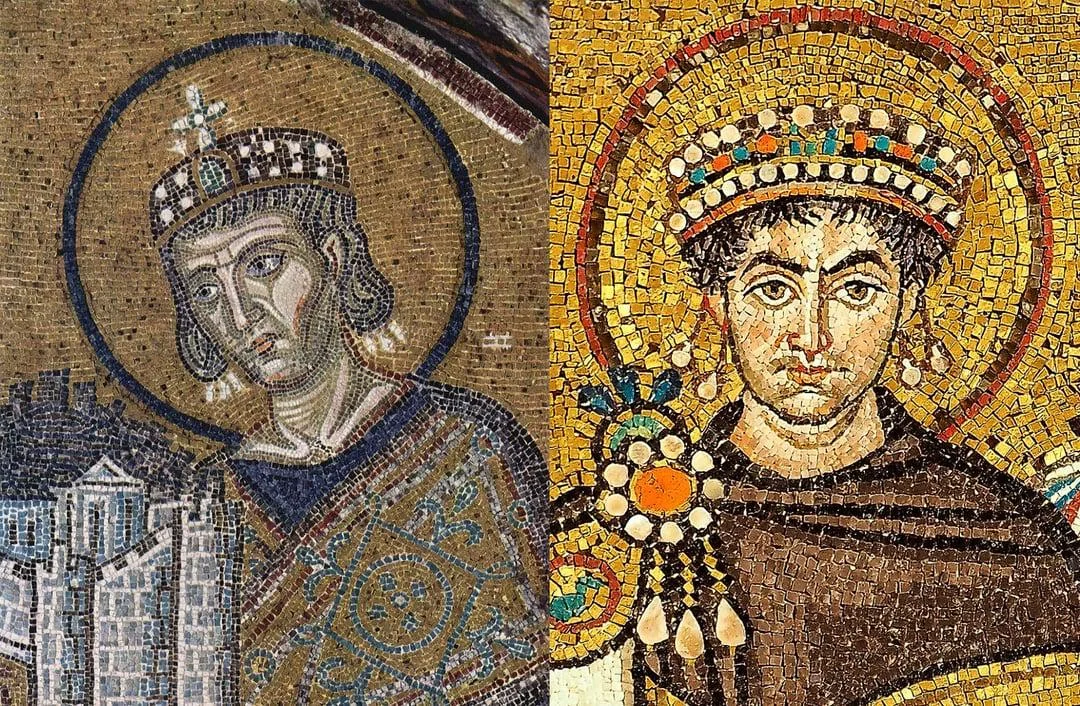
As part of the Roman Empire, and later the Byzantine Empire, Albania’s strategic location served as a crucial link between the Western and Eastern worlds. The Via Egnatia, a major Roman road, passed through Albanian territory, facilitating trade and cultural exchange between Rome and Byzantium. This connectivity allowed Albania to play a role in the spread of Christianity and the blending of Eastern and Western cultural elements.

The Ottoman Period

The Ottoman Empire’s expansion into the Balkans in the late Middle Ages brought significant changes to Albania. Despite being under Ottoman rule for several centuries, Albania retained a distinct cultural identity. The legendary Albanian national hero, Skanderbeg, resisted Ottoman forces for decades, becoming a symbol of resistance and inspiring other European powers to challenge Ottoman dominance. Skanderbeg’s legacy continues to influence Albanian national consciousness and European perceptions of resistance against the Ottomans.

The Albanian Renaissance

In the 19th century, the Albanian Renaissance was a cultural and political movement that sought to revive Albanian national identity and secure independence from the Ottoman Empire. Prominent figures like Pashko Vasa and Ismail Qemali played crucial roles in advocating for Albanian independence and the preservation of the Albanian language and culture. This movement contributed to the broader wave of nationalism that swept across Europe during this period.

Albania in the 20th Century

Albania’s influence on European history continued into the 20th century, particularly during the Cold War. Under the leadership of Enver Hoxha, Albania became one of the most isolated and Stalinist regimes in Europe. Despite its isolation, Albania’s unique position as a communist state that distanced itself from both the Soviet Union and China intrigued Western powers, adding complexity to Cold War dynamics in the region.

Albania’s Path to European Integration

Today, Albania is on a path towards European integration, aspiring to join the European Union. The country’s efforts to embrace democratic reforms, economic development, and regional cooperation reflect its ongoing influence in shaping the future of the Balkans and its role in European stability and progress.

Conclusion

Albania’s influence on European history is characterized by its strategic location, cultural resilience, and significant historical figures. From ancient Illyrian times to its modern aspirations for European integration, Albania has played a crucial role in shaping the historical and cultural landscape of Europe. As the country continues to forge its path in the 21st century, Albania’s historical legacy remains a testament to its enduring influence on the continent.

Lithuania: Echoes of the Grand Duchy

mashupch.com – Lithuania, a nation with a rich and storied past, was once the centerpiece of one of Europe’s largest and most influential states: the Grand Duchy of Lithuania. Spanning from the Baltic to the Black Sea, the Grand Duchy left an indelible mark on the history and culture of Eastern Europe. This article delves into the echoes of this grand era that continue to resonate in modern Lithuania.

The Rise of the Grand Duchy

The Grand Duchy of Lithuania emerged in the 13th century as a formidable power under the leadership of Grand Duke Mindaugas, who became the first and only crowned king of Lithuania. By the 14th century, the Grand Duchy had expanded its territory significantly, encompassing lands that are now part of Belarus, Ukraine, Poland, and Russia. This expansion was marked by a series of strategic alliances and military campaigns.

Cultural and Religious Influence

Despite being one of the last pagan states in Europe, the Grand Duchy eventually embraced Christianity in the late 14th century. The conversion brought about significant cultural and religious changes, fostering closer ties with Western Europe. The Grand Duchy became a melting pot of cultures and religions, where Catholicism, Orthodoxy, and pagan traditions coexisted.

The establishment of the Union of Krewo in 1385, which led to the personal union between Lithuania and Poland, was a pivotal moment in the region’s history. This union laid the foundation for the Polish-Lithuanian Commonwealth, one of the largest and most populous states in Europe at the time.

Architectural Heritage

The architectural legacy of the Grand Duchy is still visible across Lithuania. Vilnius, the capital, is a treasure trove of Gothic, Renaissance, and Baroque architecture. The Vilnius Old Town, a UNESCO World Heritage Site, reflects the city’s medieval past with its narrow winding streets and historic buildings.

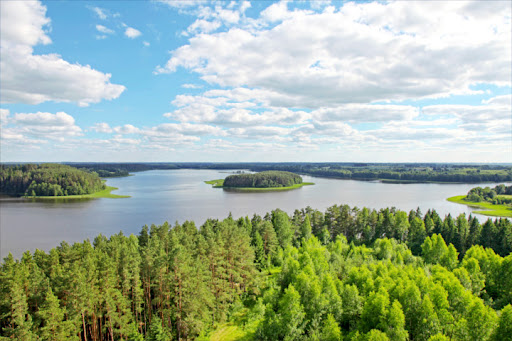
Trakai Island Castle, located on Lake Galvė, is another iconic symbol of this era. Originally built in the 14th century, the castle served as a strategic defense point and a residence for the Grand Dukes. Today, it stands as a testament to Lithuania’s medieval grandeur and is a popular tourist attraction.

The Legal and Educational Legacy

The Statutes of Lithuania, first codified in the 16th century, were among the most advanced legal codes of their time. These statutes emphasized personal freedoms and property rights, influencing legal systems in neighboring regions. The Grand Duchy was also a center of learning, with Vilnius University, founded in 1579, becoming a leading educational institution in Eastern Europe.

Conclusion

The echoes of the Grand Duchy of Lithuania continue to resonate in the country’s cultural, architectural, and legal landscapes. This grand era, marked by territorial expansion, cultural fusion, and legal innovation, has shaped the identity of modern Lithuania. As you explore Lithuania today, you’ll find that the legacy of the Grand Duchy is not just a relic of the past, but a living part of the nation’s heritage.

The Architecture of Yemen: From Ancient to Modern

mashupch.com – Yemen, a country rich in history and culture, boasts a unique architectural heritage that spans from ancient times to the modern era. This article explores the evolution of Yemeni architecture, highlighting the distinct styles and construction techniques that have shaped its cities and landscapes.

Ancient Architecture

Yemen’s architectural history dates back thousands of years, with evidence of settlements as early as 2500 BCE. The ancient city of Shibam, often referred to as the “Manhattan of the Desert,” features mudbrick skyscrapers that have stood for centuries. These buildings, some reaching up to 11 stories, demonstrate the advanced engineering skills of ancient Yemeni builders. The Marib Dam, another testament to ancient Yemen’s architectural prowess, played a crucial role in the region’s agricultural success and is considered one of the greatest feats of ancient engineering.

Islamic Influence

With the advent of Islam in the 7th century, Yemen’s architectural style began to incorporate Islamic elements. Mosques became central to city planning, characterized by domes, minarets, and intricate geometric patterns. The Great Mosque of Sana’a, built in the early Islamic period, is a prime example of this fusion, showcasing traditional Yemeni design with Islamic architectural features.

Traditional Tower Houses

Yemen is renowned for its traditional tower houses, particularly in the capital city of Sana’a. These multi-storied buildings are constructed using locally sourced materials like stone, mudbrick, and wood. The distinctive architecture features ornate wooden windows and doors, which not only provide aesthetic appeal but also serve functional purposes such as ventilation and lighting. The design of these houses reflects the need for protection and privacy, as well as the adaptation to Yemen’s climate.

Modern Developments

In recent decades, Yemen has seen a blend of traditional and modern architectural styles. While new buildings incorporate contemporary design elements and materials, there is a strong emphasis on preserving cultural identity. Sustainable practices, such as the use of eco-friendly materials and energy-efficient systems, are becoming more prevalent in modern Yemeni architecture. This approach ensures that new developments are in harmony with the environment and cultural heritage.

Challenges and Preservation Efforts

The ongoing conflict in Yemen poses significant challenges to the preservation of its architectural heritage. Many historical sites have suffered damage, prompting efforts by local and international organizations to safeguard and restore these irreplaceable structures. Preservation initiatives focus on maintaining the cultural integrity of ancient buildings while adapting them to meet modern needs.

Conclusion

Yemen’s architecture is a testament to its rich history and cultural diversity. From ancient mudbrick towers to modern eco-friendly designs, Yemeni architecture continues to evolve, reflecting the resilience and creativity of its people. As efforts to preserve this heritage continue, Yemen’s architectural legacy will remain a source of pride and inspiration for generations to come.

Lebanon’s Education System: Striving for Excellence

mashupch.com – Lebanon, a country known for its cultural diversity and historical richness, also boasts a unique and resilient education system. Despite facing numerous challenges over the years, Lebanon’s commitment to education remains steadfast. The nation’s education system plays a crucial role in shaping its future, striving for excellence in providing quality education to its youth.

A Multilingual Approach

One of the defining features of Lebanon’s education system is its multilingual approach. From an early age, students are exposed to multiple languages, with Arabic, English, and French being the primary languages of instruction. This approach not only enhances students’ linguistic abilities but also prepares them for a globalized world where multilingualism is an asset.

Structure and Curriculum

The Lebanese education system is structured into several stages: pre-school, elementary, intermediate, and secondary education. Education is compulsory from ages 6 to 14, covering the elementary and intermediate stages. The curriculum is designed to be comprehensive, emphasizing core subjects such as mathematics, sciences, and languages, alongside humanities and arts.

Private and Public Schools

Lebanon’s education landscape is characterized by a significant number of private schools, which often follow either the Lebanese curriculum or international curricula such as the French Baccalaureate or the International Baccalaureate (IB). Public schools, while less prevalent, are an essential part of the system, providing education to a large portion of the population.

Higher Education and Global Recognition

Lebanon is home to several prestigious universities, such as the American University of Beirut (AUB) and Saint Joseph University (USJ), which attract students from across the region and the world. Lebanese universities are renowned for their academic rigor and have made significant contributions to research and development in the Middle East.

Challenges and Reforms

Despite its strengths, Lebanon’s education system faces challenges, including political instability, economic constraints, and disparities in educational resources. The government, along with local and international organizations, is working towards reforms to address these issues, aiming to ensure equitable access to quality education for all students.

Conclusion

Lebanon’s education system is a testament to the country’s resilience and commitment to nurturing its future generations. By striving for excellence and embracing diversity, Lebanon continues to invest in its youth, empowering them with the knowledge and skills needed to thrive in an ever-changing world. As the nation navigates its challenges, the pursuit of educational excellence remains a beacon of hope and progress.

The Night Markets of Taiwan: A Food Lover’s Paradise

mashupch.com – Taiwan is renowned for its vibrant culture, stunning landscapes, and most notably, its bustling night markets. These markets are a food lover’s paradise, offering an endless array of culinary delights that showcase the rich and diverse flavors of Taiwanese cuisine. As the sun sets, these energetic hubs come to life, drawing locals and tourists alike to experience the unique atmosphere and mouthwatering dishes.

A Cultural and Culinary Experience

Night markets in Taiwan are more than just places to eat; they are a cultural experience. Each market has its own distinct vibe and specialty foods, reflecting the local culture and traditions. From the busy streets of Taipei to the coastal cities of Kaohsiung and Tainan, night markets are an integral part of Taiwanese life.

Must-Try Dishes

One of the highlights of visiting a night market is the opportunity to sample a wide variety of street foods. Here are a few must-try dishes:

  • Stinky Tofu: Despite its pungent aroma, stinky tofu is a beloved snack in Taiwan. It’s deep-fried to perfection and often served with a spicy or sweet sauce.
  • Oyster Omelet: A savory dish made with fresh oysters, eggs, and a starchy batter, the oyster omelet is a staple at many night markets.
  • Bubble Tea: Originating in Taiwan, bubble tea is a refreshing drink made with tea, milk, and chewy tapioca pearls.
  • Pineapple Cake: These sweet pastries with a tangy pineapple filling are a popular souvenir and a tasty treat.

Popular Night Markets

Taiwan boasts numerous night markets, each offering a unique experience. Some of the most popular ones include:

  • Shilin Night Market (Taipei): One of the largest and most famous night markets in Taiwan, Shilin offers a vast array of food, clothes, and entertainment.
  • Raohe Street Night Market (Taipei): Known for its vibrant atmosphere and traditional Taiwanese snacks, Raohe is a must-visit for food enthusiasts.
  • Liuhe Night Market (Kaohsiung): Located in southern Taiwan, Liuhe is famous for its seafood and local delicacies.

Tips for Visiting Night Markets

To make the most of your night market experience, keep these tips in mind:

  1. Go Hungry: With so many delicious options, you’ll want to try a little bit of everything.
  2. Bring Cash: Most vendors accept only cash, so make sure to have some on hand.
  3. Be Adventurous: Don’t be afraid to try new and unfamiliar foods; you might discover a new favorite dish.
  4. Visit Early: Arriving early can help you avoid crowds and ensure you get to try popular items before they sell out.

Conclusion

The night markets of Taiwan are a testament to the island’s rich culinary heritage and vibrant street food culture. Whether you’re a seasoned foodie or a curious traveler, these markets offer a feast for the senses and an unforgettable taste of Taiwan. So, come hungry and ready to explore the delicious world of Taiwanese night markets!

TRISULA88 ALTERNATIF: Pilihan Akses Terbaik

Dalam dunia permainan daring yang semakin berkembang, TRISULA 88 hadir sebagai solusi tepat bagi para pecinta game untuk tetap merasakan keseruan tanpa hambatan. Menawarkan pengalaman bermain yang lebih lancar dan aksesibilitas tinggi, LINK ALTERNATIF TRISULA88 menjadi jembatan bagi pemain untuk menikmati berbagai jenis permainan menarik. Dengan DAFTAR TRISULA88 yang cepat dan mudah, pengguna baru pun dapat langsung bergabung dan menjelajahi semua fasilitas yang tersedia. Ketika saatnya tiba untuk masuk ke dalam petualangan seru ini, proses TRISULA88 LOGIN hanya memerlukan beberapa detik saja. Pastikan Anda tidak ketinggalan dengan berkunjung ke situs resmi atau mencari informasi tentang LOGIN TRISULA88 agar bisa mengakses setiap fitur eksklusif dari platform ini. Di era digital seperti sekarang, ALTERNATIF TRISULA88 menawarkan kenyamanan serta keamanan ekstra dalam bertransaksi dan bermain, menjadikannya pilihan favorit di kalangan gamer sejati yang ingin menantang adrenalin mereka bersama komunitas T RISUL A 8 dengan cara yang menyenangkan!

Di dunia permainan online, TRISULA88 ALTERNATIF menjadi pilihan yang menarik bagi para penggemar judi daring. Sering kali, akses ke situs utama seperti TRISULA88 mengalami kendala, sehingga penting untuk mengetahui cara DAFTAR TRISULA88 melalui LINK ALTERNATIF TRISULA88 yang aman dan terjamin. Dengan menggunakan TRISULA 88 di platform alternatif ini, para pemain tetap bisa menikmati beragam permainan seru tanpa hambatan. Saat Anda ingin bergabung kembali setelah menikmati keseruan bermain sebelumnya, cukup lakukan TRISULA88 LOGIN dengan langkah-langkah sederhana dan nikmati kemudahan dalam mengakses seluruh fitur menariknya. Bagi Anda yang sedang mencari informasi lebih lanjut mengenai LOGIN TRISULA88 atau mencari berbagai opsi lain lewat ALTERNATIF TRISULA88, pastikan untuk selalu mengikuti perkembangan terbaru agar pengalaman bermain semakin menyenangkan!

Dalam dunia hiburan dan permainan daring, TRISULA88 ALTERNATIF hadir sebagai solusi menarik bagi para penggemar yang ingin merasakan pengalaman bermain yang tak terlupakan. Dengan DAFTAR TRISULA88 yang mudah dan cepat, para pemain dapat segera menikmati berbagai jenis permainan dengan hanya beberapa langkah sederhana. Setelah mendaftar, proses TRISULA88 LOGIN pun menjadi sangat praktis, sehingga Anda bisa langsung memasuki dunia seru dari TRISULA 88 tanpa hambatan. Jika Anda mengalami kesulitan dalam mengakses situs utama, jangan khawatir! Terdapat LINK ALTERNATIF TRISULA88 yang siap membantu Anda tetap terhubung dengan platform favorit ini. Tidak ada lagi alasan untuk melewatkan keseruan di panggung virtual tersebut; cukup lakukan LOGIN TRISULA88 menggunakan salah satu link alternatifnya dan bersiaplah menjelajah berbagai peluang menang besar sambil bersenang-senang! Bagi pencinta judi online sejati, ALTERNATIF TRISULA88 adalah gerbang menuju kebebasan berkreasi dalam bermain. Mari bergabung bersama komunitas pengguna aktif lainnya dan nikmati setiap momennya di dunia TRISULA 88!

Di dunia perjudian online yang semakin berkembang, TRISULA88 ALTERNATIF hadir sebagai solusi bagi para pemain yang menginginkan pengalaman bermain yang lebih lancar dan tanpa hambatan. Ketika Anda mencari DAFTAR TRISULA88, Anda akan menemukan beragam pilihan menarik untuk meraih kemenangan. Dengan kemudahan dalam proses TRISULA88 LOGIN, aksesibilitas platform ini sangat diperhatikan guna memastikan semua pengguna dapat menikmati permainan favorit mereka. Bagi Anda yang mengalami kesulitan saat mengakses situs utama, LINK ALTERNATIF TRISULA88 menjadi penyelamat sehingga aktivitas berjudi tetap seru dan menyenangkan. Pastikan untuk memanfaatkan keunggulan dari TRISULA 88; di sini segala sesuatu dirancang dengan hati-hati demi kepuasan pelanggan. Jangan ragu untuk menjelajahi setiap sudut dari ALTERNATIF TRISULA88 agar pengalaman bermain Anda semakin mendebarkan! Cukup lakukan LOGIN TRISULA88 jika ingin segera merasakan sensasi taruhan terbaik bersama komunitas pecinta judi lainnya! Keterhubungan antara pemain dan platform membuat perjalanan permainan menjadi lebih berbobot dan penuh keseruan yang tak terlupakan di era digital sekarang ini.

Historical Landmarks of Pakistan

mashupch.com – Pakistan, a country rich in history and culture, boasts a multitude of historical landmarks that reflect the diverse civilizations and empires that have shaped its past. From ancient archaeological sites to stunning architectural marvels, these landmarks offer a glimpse into the country’s storied history.

Ancient Civilizations

Mohenjo-Daro

Located in the Sindh province, Mohenjo-Daro is one of the earliest urban settlements in the world, dating back to 2500 BCE. This UNESCO World Heritage site showcases the advanced urban planning and sophisticated drainage systems of the Indus Valley Civilization.

Taxila

Taxila, another UNESCO World Heritage site, was a major center of learning and culture in ancient times. It is home to numerous ruins, including stupas and monasteries, highlighting its significance in Buddhist history.

Mughal Architecture

Lahore Fort and Shalimar Gardens

The Lahore Fort and Shalimar Gardens, both UNESCO World Heritage sites, are prime examples of Mughal architecture. The fort, with its grand palaces and intricately decorated halls, and the gardens, with their beautiful terraces and fountains, reflect the opulence of the Mughal era.

Badshahi Mosque

The Badshahi Mosque in Lahore is one of the largest mosques in the world. Built by Emperor Aurangzeb in 1673, its stunning red sandstone and marble architecture make it a masterpiece of Mughal design.

Islamic Heritage

Faisal Mosque

In Islamabad, the Faisal Mosque stands as a symbol of modern Islamic architecture. Completed in 1986, its unique design incorporates traditional Islamic art with contemporary architectural elements.

Rohtas Fort

This massive fortification in Punjab was built by the Afghan king Sher Shah Suri in the 16th century. Rohtas Fort is renowned for its robust defensive walls and intricate gateways, representing the strategic military architecture of its time.

Sikh Heritage

Gurdwara Panja Sahib

Located in Hasan Abdal, Gurdwara Panja Sahib is one of the most sacred Sikh pilgrimage sites. It commemorates Guru Nanak, the founder of Sikhism, and is famous for the holy rock bearing his handprint.

Conclusion

The historical landmarks of Pakistan are not just tourist attractions, but also a testament to the country’s rich and diverse cultural heritage. They provide an invaluable insight into the civilizations and empires that have left their mark on the region, making Pakistan a fascinating destination for history enthusiasts and travelers alike.

Education and Innovation in Syria

mashupch.com – Education and innovation are crucial pillars for the development and progress of any nation. In Syria, these elements have played significant roles in shaping the country’s social and economic landscape, despite the challenges posed by years of conflict and instability. This article explores the state of education in Syria, the drive for innovation, and the efforts being made to rebuild and enhance the educational system.

The State of Education in Syria

Before the outbreak of the Syrian conflict in 2011, the country boasted a relatively robust educational system. Primary and secondary education were widely accessible, and literacy rates were on the rise. Syrian universities offered a range of programs, and there was a growing emphasis on science and technology.

However, the ongoing conflict has severely impacted the education sector. Many schools and universities have been damaged or destroyed, leading to a significant disruption in educational services. Millions of children have been displaced, and access to education has become a challenge, particularly in conflict-affected areas.

Innovation Amidst Adversity

Despite these challenges, Syria has witnessed remarkable resilience and innovation. Syrian students and educators have shown incredible determination in continuing their education under difficult circumstances. Online platforms and distance learning have become vital tools in providing education to those who cannot attend traditional schools.

Initiatives like “Education Cannot Wait” and local community efforts have helped create makeshift schools and learning centers, ensuring that education remains a priority even amidst adversity. These efforts highlight the innovative spirit of Syrians in finding solutions to maintain educational access.

The Role of Technology in Education

Technology has become a significant enabler of education in Syria. Digital learning platforms, mobile applications, and virtual classrooms have provided alternative means for students to continue their studies. These technological solutions have not only bridged the gap caused by physical disruptions but have also introduced new methods of teaching and learning.

Organizations and tech companies have collaborated to provide digital resources, training, and support to both students and teachers. This integration of technology into education has the potential to transform the learning experience and foster a culture of innovation among Syrian youth.

Efforts to Rebuild and Enhance Education

Rebuilding the education system in Syria requires coordinated efforts from the government, international organizations, and local communities. Initiatives are underway to repair and reconstruct damaged schools and universities, ensuring safe and conducive learning environments.

Furthermore, there is a growing emphasis on curriculum reform and teacher training to align education with the demands of the modern world. Programs that focus on science, technology, engineering, and mathematics (STEM) are being promoted to equip students with skills necessary for future innovation and economic development.

Conclusion

Education and innovation are essential for Syria’s recovery and future prosperity. Despite the challenges posed by years of conflict, the resilience and determination of Syrian students, educators, and communities remain strong. By investing in education and fostering innovation, Syria can rebuild its educational system and create opportunities for its youth to contribute to the country’s development. The journey is challenging, but the potential for positive change is immense.

Cara Mudah Merencanakan Keuangan Pribadi di Usia Muda

Merencanakan keuangan pribadi sejak usia muda adalah langkah yang sangat bijaksana, karena Trisula88 alternatif dapat membantu mencapai tujuan keuangan jangka panjang dan menghindari masalah keuangan di masa depan. Berikut beberapa cara mudah untuk merencanakan keuangan pribadi:

1. Buat Anggaran Bulanan

  • Catat semua pemasukan dan pengeluaran bulanan. Pemasukan bisa berasal dari gaji, tunjangan, atau penghasilan tambahan lainnya.
  • Buatlah daftar pengeluaran seperti kebutuhan pokok (makanan, transportasi, sewa), tagihan bulanan, dan hiburan.
  • Gunakan prinsip 50/30/20: 50% untuk kebutuhan, 30% untuk keinginan, dan 20% untuk tabungan atau investasi.

2. Tentukan Tujuan Keuangan

  • Tujuan keuangan membantu menjaga fokus dan motivasi. Mulailah dengan tujuan jangka pendek (3-6 bulan), jangka menengah (1-5 tahun), dan jangka panjang (lebih dari 5 tahun).
  • Contohnya, tujuan jangka pendek bisa menabung untuk liburan, sedangkan tujuan jangka panjang bisa seperti membeli rumah atau pensiun nyaman.

3. Miliki Dana Darurat

  • Dana darurat sangat penting untuk menghadapi situasi tak terduga seperti kehilangan pekerjaan atau kebutuhan mendesak lainnya.
  • Usahakan memiliki dana darurat sebesar 3-6 kali pengeluaran bulanan untuk perlindungan finansial.

4. Lunasi Hutang dengan Bijak

  • Prioritaskan pelunasan hutang berbunga tinggi seperti kartu kredit. Bayar lebih dari minimum jika memungkinkan untuk mengurangi beban bunga.
  • Jika memiliki pinjaman pelajar atau lainnya, atur strategi pelunasan secara bertahap.

5. Investasi Sedini Mungkin

  • Dengan mulai berinvestasi sedini mungkin, kamu bisa memanfaatkan efek compounding yang akan membuat uang bertumbuh lebih cepat.
  • Pelajari instrumen investasi yang sesuai dengan profil risiko, seperti reksa dana, saham, atau properti.

6. Pantau dan Evaluasi Keuangan Secara Rutin

  • Rencanakan untuk mengevaluasi anggaran dan tujuan keuangan setiap bulan atau setiap tiga bulan.
  • Tinjau apakah kamu telah memenuhi target yang ditetapkan dan apakah ada penyesuaian yang perlu dilakukan.

7. Gunakan Aplikasi atau Alat Pengelola Keuangan

  • Ada banyak aplikasi yang bisa membantu melacak pengeluaran dan mengelola anggaran. Pilih aplikasi yang mudah digunakan dan cocok dengan gaya hidupmu.
  • Dengan aplikasi, kamu bisa lebih disiplin dalam mengatur keuangan.

8. Tingkatkan Pengetahuan Keuangan

  • Bacalah buku, ikuti kursus keuangan, atau ikuti seminar online tentang keuangan. Pengetahuan yang lebih baik akan membantumu membuat keputusan keuangan yang lebih bijak.

9. Tabungan untuk Pensiun

  • Meskipun masih muda, penting untuk mulai menabung untuk pensiun. Kamu bisa mempertimbangkan membuka rekening pensiun atau berinvestasi pada instrumen yang bisa menopang dana pensiun di masa depan.

Merencanakan keuangan di usia muda memang membutuhkan komitmen, tapi hasilnya akan sangat berharga di masa depan.

Mengungkap Rahasia Gacor Slot 777: Strategi Terbaik untuk Menang Besar!

Siapa yang tidak ingin merasakan sensasi menang besar di dunia permainan kasino? Mengungkap rahasia gacor slot 777 adalah langkah pertama menuju kemenangan yang gemilang! Dengan mengakses slot 777 login, para pemain bisa langsung terhubung ke situs slot777 login dan menikmati beragam pilihan menarik dari slot 777 online. Rahasianya terletak pada pemilihan waktu dan strategi bermain, di mana Anda dapat memanfaatkan fitur-fitur menawan dalam aplikasi seperti slot777 apk untuk meningkatkan peluang mendapatkan jackpot. Jangan lupa juga untuk mencari informasi tentang game-game dengan tingkat pembayaran tinggi, karena banyak pemain bersaksi bahwa beberapa variasi slot777 gacor mampu memberikan pengalaman luar biasa dalam hal keuntungan. Dengan keberuntungan dan strategi yang tepat, saatnya mengeksplorasi dunia seru dari slot 777, nikmati setiap putaran dan siapkan diri Anda untuk meraih kemenangan fantastis!

Dalam dunia perjudian daring, mengungkap rahasia slot777 gacor adalah impian setiap pemain yang ingin meraih kemenangan besar. Dengan memanfaatkan strategi terbaik untuk permainan slot 777, Anda bisa meningkatkan peluang menang secara signifikan! Pertama-tama, pastikan Anda melakukan slot 777 login di situs terpercaya agar pengalaman bermain menjadi lebih aman dan menyenangkan. Setelah masuk ke dalam akun Anda, jangan ragu untuk menjelajahi berbagai pilihan dari 777 slot online yang ditawarkan. Selain itu, jika menggunakan ponsel pintar, unduhlah aplikasi slot777 apk untuk kemudahan akses saat bermain kapan saja. Berbagai fitur menarik akan membantu anda memahami cara kerja dari slot 777, sehingga memungkinkan Anda menemukan pola-pola menarik yang sering muncul di mesin tersebut. Manfaatkan juga informasi mengenai situs situs slot777 login karena banyak promo dan bonus menunggu para anggota baru di sana! Dengan begitu banyak opsi dan strategi jitu ini, siap-siaplah merasakan sensasi jackpot luar biasa pada permainan favorit anda!

Bergabunglah dalam petualangan menarik di dunia slot777 gacor yang penuh rahasia dan keajaiban! Di mana pun Anda berada, cukup lakukan slot 777 login untuk memulai perjalanan seru ini. Dengan berbagai pilihan permainan seperti 777 slot online, setiap putaran akan memunculkan peluang baru untuk menang besar! Nikmati pengalaman bermain yang tak terlupakan melalui aplikasi slot777 apk yang dirancang khusus untuk memberikan kenyamanan ekstra. Jangan lewatkan kesempatan untuk menjelajahi situs-situs terkemuka di mana Anda bisa dengan mudah mengakses situs slot777 login dan menemukan strategi terbaik. Apakah Anda siap mengeksplorasi lebih jauh? Raikan keberuntungan bersama kami di slot 777, temukan trik jitu, dan saksikan bagaimana keberuntungan berpihak pada pemain cerdas seperti Anda!

Di dunia perjudian daring, slot777 gacor telah menjadi perbincangan hangat di kalangan para pemain yang ingin meraih kemenangan besar. Dengan menggunakan strategi terbaik, kamu bisa memaksimalkan peluang menang saat mengakses slot 777 login dan mulai bermain di 777 slot online. Kunci sukses terletak pada pemahaman terhadap pola permainan serta kejelian dalam memilih waktu bermain yang tepat. Saat menjelajahi slot 777, pastikan untuk mencoba berbagai jenis mesin demi menemukan mana yang paling cocok dengan gaya permainanmu. Jangan lupa download slot777 apk dari sumber terpercaya supaya pengalaman bermainmu semakin optimal! Bergabunglah dengan komunitas di situs slot777 login untuk berbagi tips dan trik, serta memperoleh info terbaru mengenai game-game seru. Dengan melibatkan diri lebih jauh dansmendalami seluk-beluk permainan ini, kamu berpeluang untuk jadi salah satu pemenang beruntung di jagat maya slot!

Upaya Kamboja untuk Mengatasi Masalah Sampah Plastik

mashupch – Kamboja, seperti banyak negara berkembang lainnya, menghadapi tantangan serius dalam mengelola limbah plastik. Dengan meningkatnya konsumsi produk plastik, terutama yang sekali pakai, negara ini berjuang untuk menangani dampak lingkungan yang merugikan dari sampah plastik yang tak terkendali. Namun, berbagai upaya mulai dilakukan oleh pemerintah, organisasi non-pemerintah (LSM), dan masyarakat untuk mengatasi masalah ini.

Pertumbuhan ekonomi Kamboja selama beberapa dekade terakhir telah memicu peningkatan konsumsi barang-barang yang dikemas dalam plastik. Dari kantong plastik di pasar hingga kemasan makanan, penggunaan plastik sekali pakai sangat lazim. Berdasarkan data dari Ministry of Environment, setiap tahun Kamboja menghasilkan lebih dari 10 juta ton sampah, dan 20% di antaranya adalah sampah plastik. Sampah ini tidak hanya mencemari lingkungan darat, tetapi juga mencemari sungai dan laut, merusak ekosistem serta kehidupan laut.

Pemerintah Kamboja menyadari urgensi masalah ini dan telah mengimplementasikan berbagai kebijakan untuk mengurangi penggunaan plastik. Salah satu kebijakan penting adalah pengenaan pajak pada penggunaan kantong plastik di pasar dan supermarket besar di seluruh negeri. Kebijakan ini bertujuan untuk membatasi penggunaan plastik dengan cara memberikan disinsentif ekonomi kepada konsumen.

Selain itu, pemerintah Kamboja juga bekerja sama dengan beberapa organisasi internasional dalam meningkatkan infrastruktur pengelolaan limbah. Program-program pengelolaan limbah yang lebih baik, termasuk proyek daur ulang plastik, sedang dikembangkan. Upaya ini diharapkan dapat mengurangi jumlah sampah plastik yang berakhir di tempat pembuangan akhir atau mencemari lingkungan.

upaya-kamboja-untuk-mengatasi-masalah-sampah-plastik

Beberapa LSM juga aktif dalam membantu pemerintah dan masyarakat untuk meningkatkan kesadaran akan bahaya sampah plastik. Plastic Free Cambodia adalah salah satu organisasi yang secara aktif melakukan kampanye dan edukasi tentang pengurangan plastik. Mereka sering mengadakan lokakarya, seminar, dan kampanye di media sosial untuk mendorong masyarakat mengadopsi gaya hidup yang lebih ramah lingkungan, termasuk penggunaan tas kain dan produk daur ulang.

Di tingkat lokal, ada juga inisiatif yang muncul dari komunitas. Misalnya, di beberapa desa di kamboja slot, penduduk setempat mulai membangun sistem pengelolaan limbah mandiri, di mana mereka mendaur ulang plastik menjadi produk yang berguna, seperti bahan bangunan atau kerajinan tangan. Inisiatif seperti ini tidak hanya membantu mengurangi sampah plastik, tetapi juga memberikan keuntungan ekonomi bagi masyarakat setempat.

Meskipun berbagai upaya telah dilakukan, Kamboja masih menghadapi tantangan besar dalam mengatasi masalah sampah plastik. Infrastruktur pengelolaan sampah yang terbatas, kurangnya fasilitas daur ulang, serta kesadaran masyarakat yang masih rendah menjadi hambatan utama. Selain itu, kebiasaan penggunaan plastik sekali pakai sudah mengakar kuat dalam budaya konsumsi, sehingga sulit untuk mengubah perilaku ini dalam waktu singkat.

Masalah lainnya adalah terbatasnya penegakan hukum terhadap kebijakan pengurangan plastik. Meskipun ada pajak untuk kantong plastik, tidak semua pedagang menerapkannya secara konsisten, sehingga efektivitas kebijakan ini masih dipertanyakan.

upaya-kamboja-untuk-mengatasi-masalah-sampah-plastik

Untuk ke depannya, ada harapan bahwa dengan kolaborasi yang lebih erat antara pemerintah, LSM, dan masyarakat, Kamboja dapat mengurangi dampak buruk sampah plastik. Pemerintah perlu terus memperkuat kebijakan lingkungan dan berinvestasi dalam teknologi serta infrastruktur pengelolaan sampah yang lebih efisien. Selain itu, upaya pendidikan dan penyadaran masyarakat tentang pentingnya mengurangi penggunaan plastik harus ditingkatkan.

Dengan pendekatan yang berkelanjutan, Kamboja berpotensi menjadi contoh bagi negara-negara berkembang lainnya dalam mengatasi krisis sampah plastik, sambil tetap mendorong pertumbuhan ekonomi yang ramah lingkungan.

The Architecture of Malaysia: Old Meets New

mashupch.com – Malaysia is a country where tradition and modernity coexist harmoniously, and nowhere is this more evident than in its architecture. A fascinating blend of old and new styles, Malaysian architecture reflects the country’s rich cultural tapestry, historical influences, and rapid development.

Traditional Architectural Styles

Malaysia’s traditional architecture is deeply rooted in its diverse cultural heritage, shaped by indigenous, Malay, Chinese, Indian, and colonial influences.

Malay Vernacular Architecture

Malay traditional houses, known as “rumah kampung,” are designed to adapt to the tropical climate. These wooden structures are often built on stilts to protect against floods and allow ventilation. The intricate carvings and steep roofs are distinctive features reflecting Malay craftsmanship and cultural values.

Chinese Shophouses

In urban areas, particularly Penang and Malacca, Chinese shophouses are a common sight. These buildings, dating back to the 18th and 19th centuries, exhibit a unique fusion of Chinese, European, and Malay architectural elements. Characterized by narrow facades, internal courtyards, and decorative tiles, they serve as both commercial and residential spaces.

Indian Temples

Indian architecture in Malaysia is prominently represented by Hindu temples. These temples are adorned with intricate carvings, colorful sculptures, and towering gopurams (gateway towers), reflecting the rich traditions of South Indian temple architecture.

Colonial Influences

Malaysia’s colonial past has left a significant impact on its architectural landscape. British, Portuguese, and Dutch colonial buildings can be found throughout the country, showcasing European styles adapted to the tropical environment.

British Colonial Architecture

During the British colonial period, many government buildings, schools, and churches were constructed in the Neo-Classical and Tudor Revival styles. Iconic examples include the Sultan Abdul Samad Building in Kuala Lumpur and the Penang City Hall, which feature grand facades and elegant design.

Modern Architectural Marvels

As Malaysia has developed, its skyline has transformed with modern architectural marvels that symbolize progress and innovation.

Petronas Twin Towers

The Petronas Twin Towers in Kuala Lumpur are perhaps the most recognizable symbol of modern Malaysia. Standing at 452 meters, these twin skyscrapers were the tallest buildings in the world from 1998 to 2004. Their design incorporates Islamic motifs, reflecting Malaysia’s cultural identity while embracing modern engineering.

The Exchange 106

Another addition to Kuala Lumpur’s skyline is The Exchange 106, one of the tallest buildings in Southeast Asia. This contemporary structure features a sleek, futuristic design, representing Malaysia’s growing economic prowess.

The Blend of Old and New

In Malaysia, the juxtaposition of traditional and modern architecture creates a dynamic urban landscape. Efforts to preserve heritage sites while embracing new developments ensure that the country’s architectural identity remains distinctive and vibrant.

Adaptive Reuse

Adaptive reuse projects are becoming increasingly popular, where historic buildings are repurposed for modern use. This approach not only preserves cultural heritage but also infuses new life into old structures, creating a seamless blend of past and present.

Conclusion

The architecture of Malaysia is a testament to the country’s ability to honor its historical roots while embracing contemporary innovation. From traditional kampung houses to towering skyscrapers, Malaysia’s architectural landscape is as diverse and dynamic as its culture. Exploring the built environment offers a unique insight into the country’s rich history and its vision for the future.

Mengapa Makanan Cepat Saji Mengandung Lemak Trans yang Berbahaya?

Makanan cepat saji sering kali mengandung lemak trans, yang berbahaya bagi kesehatan, karena proses pengolahannya dan bahan-bahan yang digunakan link alternatif trisula88. Berikut penjelasan mengapa lemak trans ditemukan dalam makanan cepat saji dan mengapa lemak ini berbahaya:

1. Proses Hidrogenasi Minyak

  • Pembentukan Lemak Trans: Lemak trans terbentuk terutama melalui proses hidrogenasi parsial, di mana minyak nabati cair diubah menjadi lemak padat dengan menambahkan hidrogen. Proses ini digunakan untuk meningkatkan kestabilan dan umur simpan makanan.
  • Minyak yang Tahan Lama: Lemak trans dihasilkan karena minyak yang telah dihidrogenasi menjadi lebih tahan terhadap oksidasi dan tidak cepat rusak, menjadikannya pilihan populer dalam industri makanan cepat saji. Lemak ini membantu makanan tetap renyah dan lezat dalam jangka waktu yang lebih lama.

2. Penggorengan pada Suhu Tinggi

  • Penggunaan Minyak Goreng yang Berulang: Banyak restoran cepat saji menggunakan minyak goreng secara berulang untuk menggoreng makanan pada suhu tinggi. Minyak yang digunakan berulang kali pada suhu tinggi cenderung menghasilkan lemak trans, yang sangat berbahaya bagi kesehatan.
  • Kerenyahan dan Tekstur: Lemak trans juga membantu menciptakan tekstur renyah yang diinginkan dalam produk seperti kentang goreng, ayam goreng, dan makanan cepat saji lainnya.

3. Peningkatan Umur Simpan

  • Mengawetkan Produk: Lemak trans digunakan dalam produk olahan untuk memperpanjang umur simpan makanan seperti roti, biskuit, dan camilan cepat saji lainnya. Ini karena lemak trans cenderung lebih stabil dibandingkan dengan lemak tak jenuh alami.
  • Efisiensi Biaya: Penggunaan lemak trans sering kali lebih murah daripada menggunakan minyak yang lebih sehat, seperti minyak zaitun atau minyak kelapa, yang dapat mempercepat kerusakan produk.

4. Keterjangkauan dan Rasa

  • Meningkatkan Cita Rasa: Lemak trans memberikan rasa yang lebih kaya dan tekstur yang memuaskan. Ini menjadi salah satu alasan utama mengapa lemak trans digunakan dalam makanan cepat saji—untuk meningkatkan cita rasa yang diinginkan oleh konsumen.
  • Harga Lebih Terjangkau: Produksi makanan cepat saji dalam skala besar sering kali menggunakan bahan yang lebih murah untuk menekan biaya. Lemak trans yang lebih tahan lama dan murah menjadi pilihan bahan yang sering digunakan dalam makanan cepat saji.

Mengapa Lemak Trans Berbahaya?

Lemak trans diketahui berdampak buruk bagi kesehatan, terutama untuk kesehatan jantung dan pembuluh darah. Beberapa alasan mengapa lemak trans dianggap berbahaya:

1. Meningkatkan Kolesterol Jahat (LDL)

  • Peningkatan Risiko Penyakit Jantung: Lemak trans secara signifikan meningkatkan kadar kolesterol LDL (low-density lipoprotein), atau kolesterol “jahat”, dalam darah. LDL yang tinggi dapat menyebabkan penumpukan plak di arteri, yang meningkatkan risiko aterosklerosis (penyempitan dan pengerasan arteri).

2. Menurunkan Kolesterol Baik (HDL)

  • Menurunkan Perlindungan Jantung: Lemak trans juga menurunkan kadar kolesterol HDL (high-density lipoprotein), atau kolesterol “baik”, yang seharusnya melindungi jantung dengan membawa kolesterol jahat kembali ke hati untuk diolah. Ini menyebabkan ketidakseimbangan yang semakin membahayakan kesehatan jantung.

3. Meningkatkan Risiko Diabetes Tipe 2

  • Resistensi Insulin: Konsumsi lemak trans dapat memengaruhi kemampuan tubuh untuk memproses insulin secara efisien, meningkatkan risiko diabetes tipe 2. Ini terjadi karena lemak trans dapat menyebabkan peradangan yang mengganggu fungsi insulin dalam tubuh.

4. Meningkatkan Peradangan

  • Efek Peradangan Sistemik: Lemak trans dapat memicu peradangan kronis dalam tubuh, yang terkait dengan berbagai penyakit kronis, termasuk penyakit jantung, diabetes, dan bahkan kanker. Peradangan juga dapat merusak sel dan jaringan tubuh dalam jangka panjang.

5. Memicu Kenaikan Berat Badan

  • Kalori Tinggi dan Lemak yang Sulit Dipecah: Makanan cepat saji yang kaya lemak trans cenderung tinggi kalori dan sulit dicerna, sehingga berkontribusi pada kenaikan berat badan yang tidak sehat dan obesitas. Obesitas sendiri merupakan faktor risiko utama untuk penyakit kronis seperti hipertensi, diabetes, dan gangguan metabolik lainnya.

Kesimpulan

Makanan cepat saji mengandung lemak trans karena proses pengolahan yang membuat makanan lebih tahan lama, renyah, dan lezat. Namun, lemak trans sangat berbahaya bagi kesehatan, terutama karena dapat meningkatkan risiko penyakit jantung, diabetes, peradangan, dan obesitas. Oleh karena itu, penting bagi konsumen untuk membatasi konsumsi makanan yang mengandung lemak trans dan memilih opsi yang lebih sehat.

Laos’ Climate: Tropical Monsoon and Its Impact

mashupch.com – Laos, a landlocked country in Southeast Asia, is characterized by its tropical monsoon climate. This climate significantly influences the country’s agriculture, biodiversity, and daily life. Understanding the nuances of the tropical monsoon climate is essential for appreciating how it shapes the landscapes and livelihoods in Laos.

The Tropical Monsoon Climate

Laos experiences a tropical monsoon climate, which is marked by distinct wet and dry seasons. The wet season, dominated by the southwest monsoon, typically lasts from May to October. During this period, the country receives the majority of its annual rainfall, with lush greenery enveloping its landscape. The dry season extends from November to April, offering a respite from the heavy rains with cooler temperatures and lower humidity levels.

Impact on Agriculture

Agriculture is a cornerstone of Laos’ economy, and the monsoon climate plays a crucial role in shaping agricultural practices. The wet season is vital for rice cultivation, which relies heavily on the monsoon rains for irrigation. Rice paddies thrive during this time, and the abundance of water supports other crops like corn, coffee, and vegetables.

However, the reliance on monsoon rains also presents challenges. Unpredictable weather patterns and excessive rainfall can lead to flooding, damaging crops and affecting food security. Conversely, insufficient rainfall can result in droughts, impacting water availability and agricultural yields.

Biodiversity and Ecosystems

Laos is renowned for its rich biodiversity, and the monsoon climate contributes to this ecological wealth. The country’s forests, rivers, and wetlands provide habitats for a wide variety of plant and animal species. The wet season enhances the growth of tropical forests, supporting diverse ecosystems and promoting the proliferation of wildlife.

Seasonal changes also influence the behavior of many species. For instance, the wet season encourages the breeding of amphibians and the migration of certain bird species. These seasonal shifts highlight the intricate relationship between the climate and the natural world in Laos.

Challenges and Adaptation

While the monsoon climate supports agriculture and biodiversity, it also poses challenges for infrastructure and daily life. Flooding during the wet season can disrupt transportation, damage homes, and hinder access to essential services. In response, communities have developed adaptive strategies, such as building raised houses and implementing flood management systems.

Climate change further exacerbates these challenges by altering precipitation patterns and increasing the frequency of extreme weather events. To address these issues, Laos is investing in climate resilience initiatives, including improved water management practices and sustainable agriculture techniques.

Conclusion

The tropical monsoon climate is a defining feature of Laos, influencing its agriculture, ecosystems, and everyday life. While it brings both opportunities and challenges, the people of Laos have demonstrated resilience and adaptability in the face of changing weather patterns. Understanding and addressing the impacts of this climate is crucial for ensuring the sustainable development and prosperity of the nation.

Inside the Vatican: The Secrets of the Papal State

mashupch.com – The Vatican’s Secret Archives, one of the most iconic bastions of religion and culture, have long been shrouded in mystery. Housed within the walls of the Vatican City, these archives contain centuries of historical documents, including official papers and papal correspondence dating back to the 8th century38. The archives have been a subject of fascination and speculation, with many believing they hold untold secrets of the Catholic Church.

The Keeper of the Secrets

For years, the Vatican has been working to debunk the myth that its archives are filled with hidden secrets. The longtime keeper of the Vatican Apostolic Archive, who has spent over 45 years in this role, is now retiring and has decided to reveal some of the lesser-known details from his tenure. In a new book-length interview titled “Secretum,” he divulges behind-the-scenes information about the Holy See, including how some documents survived historical events like Napoleon Bonaparte’s seizure of the archives in 1810.

Recent Revelations and Controversies

Recent years have seen a series of revelations and controversies surrounding the Vatican’s secret documents. In 2012, a scandal erupted when internal Vatican documents were leaked, allegedly by a papal chamberlain. This led to the publication of a book by Gianluigi Nuzzi, “His Holiness: Secret Papers of Benedict XVI,” which included copies of leaked documents. The Vatican has been trying to manage the fallout from these leaks, which have shed light on internal conflicts and controversies within the papal state.

The Vatican’s Efforts to Open Up

Despite the controversies, the Vatican has been making efforts to open up its archives. In recent years, it has made portions of its archives accessible to researchers and historians, debunking the notion that the archives are entirely secret. This move has been part of a broader strategy to increase transparency and reduce the mystique surrounding the Vatican’s historical records.

Conclusion

The Vatican’s Secret Archives remain a source of intrigue and historical significance. As the keeper of these secrets retires and shares his insights, the world gains a deeper understanding of the inner workings of the papal state. While controversies and leaks continue to challenge the Vatican’s image, the institution’s efforts to open up its archives reflect a commitment to transparency and historical accuracy.

Mexico: The Fourteenth Largest Country by Area

mashupch.com – Mexico, a country rich in history, culture, and natural beauty, holds the distinction of being the fourteenth-largest country in the world by total area. Spanning across an impressive 1.96 million square kilometers, Mexico is a land of diverse ecosystems, from the arid deserts of the north to the lush rainforests of the south. This article explores the geographical, cultural, and economic aspects that make Mexico a unique and significant nation on the global stage.

Geographical Overview

Mexico’s vast size is a result of its extensive landmass, which stretches from the Gulf of Mexico in the east to the Pacific Ocean in the west, and from the United States in the north to Central America in the south. This geographical diversity has endowed the country with a rich array of ecosystems and natural wonders.

Diverse Landscapes

The country’s landscape is characterized by its natural beauty, with the Sierra Madre Mountains, the Yucatan Peninsula, and the Baja California Peninsula being some of its most notable geographical features. Mexico is also home to numerous beaches, archaeological sites, and national parks.

Climate Variations

Given its size, Mexico experiences a wide range of climates, from the hot and arid climate of the north to the tropical climate of the south. This diversity in climate contributes to the country’s rich biodiversity and offers a variety of outdoor activities for residents and visitors alike.

Cultural Tapestry

Mexico’s cultural landscape is as diverse as its geographical one, with a population that reflects a blend of indigenous peoples, Spanish colonizers, and a multitude of other ethnic groups. This multiculturalism is a defining feature of Mexican society, celebrated through festivals, cuisine, and art.

Multiculturalism

Mexico’s multicultural heritage, shaped by its indigenous roots and Spanish colonial history, has fostered a society that is both traditional and dynamic. This blend is evident in the country’s cuisine, music, and literature, which have gained international recognition.

Indigenous Cultures

The indigenous peoples of Mexico, including the Maya, Aztec, and Zapotec, have a rich cultural heritage that dates back thousands of years. Their contributions to Mexican society are increasingly recognized, with efforts to preserve their languages, traditions, and rights.

Economic Strength

Mexico’s economy is one of the largest in Latin America, driven by abundant natural resources, a growing manufacturing sector, and a strategic geographical location that makes it a key player in international trade.

Natural Resources

Mexico’s vast natural resources have been a cornerstone of its economy, with the country being one of the world’s largest producers of silver and a significant producer of oil, natural gas, and agricultural products such as avocados and tomatoes.

Innovation and Technology

Beyond natural resources, Mexico has made significant contributions to innovation and technology. The country has a growing number of tech companies and startups, particularly in cities like Mexico City, Guadalajara, and Monterrey. Mexico’s commitment to research and development has led to advancements in fields such as automotive, aerospace, and renewable energy.

Conclusion

Mexico’s status as the fourteenth-largest country by area is a testament to its geographical vastness and cultural richness. From its stunning landscapes to its diverse population, Mexico offers a unique blend of natural beauty, cultural heritage, and economic opportunity. As the country continues to grow and evolve, it remains a significant player on the global stage, celebrated for its vibrant culture, historical significance, and natural splendor.

Symbols of Distinction: Luxembourg’s Honorary Orders

mashupch.com – Luxembourg, a small yet influential country in Western Europe, boasts a rich tradition of honoring its citizens and foreign dignitaries through its honorary orders. These orders not only serve as symbols of distinction but also reflect the country’s history, values, and commitment to excellence. This article delves into the four main honorary orders of Luxembourg, exploring their origins, significance, and the criteria for their awarding.

The Order of the Gold Lion of the House of Nassau

The Order of the Gold Lion of the House of Nassau is the highest and most prestigious distinction in Luxembourg. Established in 1858 by King William III of the Netherlands and Duke Adolphe of Nassau, this order commemorates the division of the House of Nassau into two branches: Walramian and Ottonian. The order is shared by both the Netherlands and Luxembourg, with the sovereigns of both countries serving as joint Grand Masters.

The insignia of the Order of the Gold Lion includes a sash worn from the right shoulder to the left hip, a badge at the hip, and a star. The badge features a white-enameled Maltese Cross with a gold monogram ‘N’ between the arms, and a central blue enameled disc bearing the gold lion of the House of Nassau. The reverse of the disc is also blue-enameled and contains the motto ‘Je Maintiendrai’ (I Shall Maintain).

The Order of Civil and Military Merit of Adolphe of Nassau

The Order of Civil and Military Merit of Adolphe of Nassau was founded by Adolphe, Grand Duke of Luxembourg, in 1858. This order is intended to reward individuals who have distinguished themselves by their loyalty and meritorious services to the Grand Duke, the Grand Ducal House, and the country. The insignia includes a sash, a badge, and a star, with the sash being blue with a small orange stripe at both edges.

The Order of the Oak Crown

The Order of the Oak Crown is another significant honorary order in Luxembourg. It is awarded to individuals who have rendered exceptional services to the country. The order’s insignia includes a sash, a badge, and a star, with the badge featuring an oak crown as its central motif. This order is often awarded to civil servants and other public figures who have made notable contributions to Luxembourg’s development and well-being.

The Order of Merit of the Grand Duchy of Luxembourg

The Order of Merit of the Grand Duchy of Luxembourg is the most recent of the four main orders, established in 1981. It is awarded to individuals who have demonstrated outstanding merit in various fields, including science, culture, and public service. The insignia of this order includes a sash, a badge, and a star, with the badge featuring the coat of arms of Luxembourg.

Conclusion

Luxembourg’s honorary orders are not just symbols of distinction; they are a testament to the country’s rich history and its commitment to recognizing excellence and service. Each order carries its own unique significance and is awarded based on specific criteria, ensuring that those who receive them are truly deserving of such high honors. These orders continue to play a vital role in Luxembourg’s cultural and diplomatic landscape, serving as a bridge between the past and the present, and honoring those who contribute to the nation’s prosperity and international relations.

Australia: Edith Cowan – Pioneering the Path for Women in Politics

mashupch.com – Edith Cowan is a name synonymous with the struggle for gender equality in Australian politics. Born on April 2, 1861, in Geraldton, Western Australia, Cowan made history when she became the first woman to be elected to an Australian parliament. Her achievement in 1921 was a significant milestone in the struggle for gender equality in the country, paving the way for greater participation of women in the democratic process.

Early Life and Advocacy

Edith Cowan’s early life was marked by personal tragedy, resilience, and a strong sense of social justice. She was born into a family of modest means and faced the challenges of being a single mother after the death of her husband. Despite these difficulties, Cowan was determined to make a difference in her community. She became actively involved in various social causes, including women’s rights, child welfare, and education.

Political Pioneer

Cowan’s advocacy work did not go unnoticed, and her reputation as a community leader grew. In 1921, she took a historic step by contesting a seat in the Western Australian Legislative Assembly. Her election to the parliament was a groundbreaking moment, not just for women’s rights but for the entire nation. Cowan’s victory demonstrated that women could not only participate in the democratic process but also contribute meaningfully to the governance of the country.

Legislative Achievements

During her time in parliament, Edith Cowan focused on issues that were close to her heart. She advocated for the welfare of children, the rights of women, and the improvement of education. Cowan’s legislative achievements included the establishment of the Children’s Court, which aimed to provide a more supportive environment for young offenders, and the introduction of laws to protect women and children from domestic violence.

Legacy

Edith Cowan’s legacy is a testament to her pioneering spirit and her unwavering commitment to social justice. Her election to the Western Australian Legislative Assembly in 1921 was a watershed moment that inspired generations of women to pursue careers in politics. Cowan’s life and work continue to be celebrated in Australia, with her image featured on the country’s $50 note and numerous institutions and awards named in her honor.

Conclusion

Edith Cowan’s journey from a young woman facing personal adversity to a trailblazing politician is a powerful narrative of resilience and determination. Her achievements in the early 20th century laid the foundation for greater participation of women in Australian politics. Today, Cowan is remembered not just as a political pioneer but as a symbol of the enduring struggle for gender equality in the democratic process. Her legacy serves as an inspiration to all who seek to make a positive impact on society through political engagement.

A Symbol of Division: The Demilitarized Zone

mashupch.com – The Korean Demilitarized Zone (DMZ) is a heavily militarized strip of land that runs across the Korean Peninsula, dividing North Korea and South Korea. Established under the provisions of the Korean Armistice Agreement, the DMZ serves as a buffer zone between the two nations, symbolizing the ongoing division and tension that has persisted since the Korean War.

Historical Context

The division of Korea along the 38th parallel was not a result of a long-standing border but rather a consequence of the geopolitical landscape following World War II. The United States and the Soviet Union, as occupying powers, agreed to divide Korea into two occupation zones, which eventually led to the establishment of two separate governments: the Democratic People’s Republic of Korea in the north and the Republic of Korea in the south.

The Korean Armistice Agreement

The Korean War, which lasted from 1950 to 1953, ended with the signing of the Korean Armistice Agreement. This agreement, which was a cease-fire rather than a peace treaty, established the Military Demarcation Line (MDL) and the DMZ as a buffer zone to prevent further conflict. The DMZ stretches for approximately 250 kilometers (155 miles) across the peninsula and is about 4 kilometers (2.5 miles) wide.

Symbolism and Impact

The DMZ is not just a physical boundary but also a powerful symbol of the division and unresolved conflict between North and South Korea. It remains one of the most heavily fortified borders in the world, with both sides maintaining a significant military presence. The DMZ has become a stark reminder of the ongoing political and ideological differences between the two Koreas, as well as the broader Cold War legacy that continues to shape the region’s geopolitics.

Environmental and Cultural Impact

Despite its militarized nature, the DMZ has inadvertently become a haven for wildlife, as human activity has been largely restricted within its boundaries. This has led to the preservation of diverse ecosystems and the survival of several endangered species. Additionally, the DMZ has become a site of cultural significance, with various museums and tours offering insights into the history and impact of the division.

Conclusion

The Korean Demilitarized Zone stands as a poignant symbol of division, representing the complex and often tense relationship between North and South Korea. While it serves as a buffer to prevent direct military conflict, it also underscores the unresolved issues and the ongoing search for peace and reunification on the Korean Peninsula. The DMZ remains a critical area of focus for international diplomacy and a reminder of the human cost of prolonged conflict and division.

The Female Counterpart of Grand Dukes: Grand Duchess

mashupch.com – The title of Grand Duchess holds a significant place in the hierarchy of nobility, particularly within the context of European royal and imperial families. It is the female equivalent of a Grand Duke, a rank that is typically bestowed upon the wives of Grand Dukes, although in some cases, it can be a title in its own right. This article delves into the historical and contemporary significance of the title of Grand Duchess, exploring its origins, the responsibilities associated with it, and notable figures who have held this esteemed position.

Origins and Historical Context

The title of Grand Duchess has its roots in the medieval period, when it was used to denote the wife of a Grand Duke, a ruler who governed a grand duchy, a territory that was considered to be of significant size and importance but not quite at the level of a kingdom. Over time, the title became more formalized and was recognized across various European monarchies.

In some instances, the title of Grand Duchess was also granted to female members of the imperial family who were not married to Grand Dukes but were entitled to the title due to their birthright or specific decrees. This was particularly common in the Russian Empire, where the title was frequently bestowed upon the daughters and granddaughters of the reigning Tsar.

Responsibilities and Role

The role of a Grand Duchess is multifaceted, encompassing both ceremonial duties and active participation in the governance of the grand duchy. Historically, Grand Duchesses were expected to support their husbands in their official capacities, attending state functions, engaging in diplomatic activities, and representing the grand duchy on the international stage.

In addition to their public duties, Grand Duchesses often played a pivotal role in the social and cultural life of their territories. Many were patrons of the arts, supporting artists, musicians, and writers, and funding the construction of cultural institutions such as theaters and museums.

Notable Grand Duchesses

Throughout history, several Grand Duchesses have left a lasting legacy due to their contributions to their countries and their involvement in significant historical events. One of the most famous is Grand Duchess Elizabeth Feodorovna of Russia, who was canonized as a saint by the Russian Orthodox Church for her charitable work and her martyrdom during the Russian Revolution.

Another notable figure is Grand Duchess Maria Pavlovna of Russia, known as “Maria the Younger,” who was renowned for her beauty and her patronage of the arts. She played a significant role in the cultural life of St. Petersburg and was a key figure in the Russian imperial court.

Conclusion

The title of Grand Duchess is a testament to the enduring legacy of European nobility and the important roles that women have played within these dynasties. While the political power of grand duchies has waned in the modern era, the title of Grand Duchess remains a symbol of prestige and distinction. It serves as a reminder of the historical contributions of these women, whose influence extended beyond the confines of their titles to impact the social, cultural, and political landscapes of their times.

Dari Asing ke Sahabat: Cara Membangun Jaringan Sosial di Jepang

Di tengah kesibukan masyarakat Jepang yang serba cepat, membangun jaringan sosial di negeri sakura ini bisa jadi tantangan tersendiri, tapi jangan khawatir! Kamu bisa mulai dengan mengunjungi berbagai acara lokal atau bahkan gabung di komunitas online yang berbincang soal hobi sama. Misalnya, ketika kamu main slot jepang gacor di situs slot server jepang, jangan malas untuk berinteraksi lewat forum atau grup media sosialnya; itu cara gampang buat cari teman baru. Siapa tau ada yang punya tips rahasia biar menang terus saat main slot server jepang? Selain itu, coba deh eksplorasi tradisi dan budaya setempat sambil sesekali mampir ke kafe-kafe kece buat ngobrol santai. Ingat, setiap pertemuan kecil bisa jadi langkah awal menuju persahabatan yang lebih dekat! Dalam proses mencari sahabat baru ini, kamu juga bakal mendapatkan pengalaman seru dari orang-orang dengan latar belakang berbeda – dan siapa tahu mereka juga penggemar berat game seperti kamu!

Ketika kita nyampe di Jepang, rasanya kayak jadi alien yang terdampar di planet lain, kan? Tapi jangan khawatir! Di balik semua hal asing itu, ada cara seru buat membangun jaringan sosial sama seperti cari tahu situs jepang slot atau slot gacor jepang yang lagi trending. Pertama-tama, lu bisa kenalan sama orang-orang lokal lewat event-event komunitas, sambil ngobrol santai tentang hobi dan minat misalnya permainan slot server japan. Bayangin aja lo lagi asik main bareng teman baru di situs slot server jepang yang hits, sambil ngeliatin hasilnya dari mesin-mesin slot jepang tuh! Siapa sangka obrolan tentang pengalaman nge-game ini bisa ngebuka jalan untuk bersahabat? Dengan memanfaatkan koneksi online serta offline di dunia per-slot-an ini, lo pasti bakal nemuin teman-teman baru yang juga ngerasa slot gacor, alias cocok banget sama vibe lo. Dan ingatlah: semangat itu penting karena setiap persahabatan dimulai dengan langkah sederhana seperti klik “play” pada game favorit kalian!

Di Jepang, membangun jaringan sosial itu kayak main slot di situs Jepang yang gacor, bro! Pertama-tama, kita harus tahu cara beradaptasi dengan lingkungan baru ini. Coba deh eksplor situs slot server Jepang yang menawarkan banyak permainan dan fitur menarik; sama kayak ngobrol sama orang lokal, kita bisa belajar banyak tentang budaya mereka sambil menikmati keseruan. Jangan lupa untuk aktif di komunitas online seperti forum atau media sosial—itu adalah langkah awal buat menjalin persahabatan yang bermanfaat. Misalnya, gabung dalam grup pecinta game slot gacor Jepang bisa jadi jembatan kamu untuk kenalan dengan temen-temen baru sesama gamer. Gimana lagi? Ikuti acara meet-up atau festival lokal biar interaksi langsung terasa lebih nyata dan nggak kaku kayak server Jepang saat loading lama. Dengan sabar dan kreativitas, siapa tahu dari pengalaman seru ini muncul sahabat-sahabat baru di ujung cerita!

The Undisputed Future of WWE: Seth Rollins

mashupch.com – Seth Rollins, born Colby Daniel Lopez on May 28, 1986, in Buffalo, Iowa, is a prominent figure in the world of professional wrestling. Before signing with WWE, Rollins competed under the ring name “Tyler Black” in various independent wrestling promotions. His journey to stardom began in 2012 when he joined forces with Dean Ambrose and Roman Reigns to form the iconic team “The Shield”.

Achievements and Titles

Rollins has achieved numerous accolades throughout his career. He is the first-ever NXT Champion and has won the WWE World Heavyweight Championship twice. Additionally, he has secured three double championships, including the WWE Tag Team Championship with Roman Reigns, Dean Ambrose, and Jason Jordan. His success was further cemented in 2015 when he was ranked number one by PWI (Pro Wrestling Illustrated).

Notable Matches and Moments

One of Rollins’ most memorable moments came at WrestleMania 31, where he won the WWE World Heavyweight Championship by cashing in his Money in the Bank contract. Another significant victory was at SummerSlam 2015, where he defeated Sheamus to become the WWE United States Champion and WWE World Heavyweight Champion simultaneously.

Writing and Creativity

Beyond his wrestling career, Rollins is known for his creative writing skills. He often improvises his promos, preferring to have a general idea in his head rather than memorizing scripted lines. This approach allows him to stay authentic and spontaneous in the ring.

Personal Life and Interests

Rollins has shown a passion for poetry, which he has shared in exclusive videos. This interest in creative writing complements his in-ring persona, showcasing his versatility and depth as an entertainer.

Conclusion

Seth Rollins has established himself as a dominant force in WWE, earning the nickname “The Undisputed Future of WWE.” His achievements, combined with his creative writing skills and passion for poetry, make him a multifaceted talent in the world of professional wrestling.

The Role of the Land & Titles Act in Solomon Islands

mashupch.com – The Land and Titles Act in Solomon Islands is a crucial piece of legislation that governs the administration, allocation, and development of land within the country. This act has undergone several amendments to address the evolving needs of the Solomon Islands’ land management system. This article explores the significance of the Land and Titles Act and its amendments, highlighting their impact on land administration and development.

Historical Context

The Land and Titles Act was first established in 1978, providing a framework for the management of land in Solomon Islands. Over the years, the act has been amended to adapt to the changing socio-economic landscape and to address emerging challenges in land administration.

Key Provisions of the Land and Titles Act

Allocation of Land Interests

One of the primary functions of the Land and Titles Act is the allocation of interests in land. This includes the distribution of land rights among various stakeholders, ensuring that the process is fair, transparent, and equitable. The act aims to balance the interests of traditional landowners, developers, and the government, promoting sustainable land use and economic development.

Development of Land

The act also plays a significant role in the development of land. It outlines the procedures for land development, ensuring that projects are carried out in a manner that respects the rights of landowners and the environment. This includes provisions for environmental impact assessments and community consultations, which are essential for sustainable development.

Administration of Land

The administration of land is another critical aspect of the Land and Titles Act. The act delegates powers to the Commissioner of Lands to manage land-related matters, including the registration of land titles and the resolution of land disputes. This ensures that the administration of land is carried out efficiently and in accordance with the law.

Amendments to the Land and Titles Act

Land and Titles (Amendment) Act 2014

The Land and Titles (Amendment) Act 2014 introduced several significant changes to the original act. These amendments focused on improving the allocation of land interests, ensuring that the development of land is carried out in a fair and equitable manner. The act also strengthened the administrative framework for land management, enhancing the transparency and accountability of land-related processes.

Land and Titles (Amendment) Act 2016

The Land and Titles (Amendment) Act 2016 further refined the act by inserting new sections that address specific issues related to land administration. These amendments aimed to streamline the registration process, improve the resolution of land disputes, and enhance the overall efficiency of land management in Solomon Islands.

Impact and Challenges

The Land and Titles Act and its amendments have had a significant impact on land administration and development in Solomon Islands. They have helped to create a more transparent and equitable system for land management, promoting sustainable economic development. However, challenges remain, particularly in the implementation of the act and ensuring that all stakeholders, including traditional landowners, are adequately represented in land-related decisions.

Conclusion

The Land and Titles Act in Solomon Islands is a vital piece of legislation that plays a crucial role in the administration, allocation, and development of land. Through its amendments, the act has evolved to address the changing needs of the country, promoting sustainable land use and economic development. Despite the challenges, the act remains a cornerstone of land management in Solomon Islands, ensuring that land-related processes are carried out in a fair, transparent, and equitable manner.

Exploring Sierra Leone’s Diverse Geography

mashupch.com – Sierra Leone, a small country located on the western coast of Africa, boasts a rich and varied geography that encompasses a wide range of landscapes and ecosystems. Bordered by Guinea to the north and east, Liberia to the southeast, and the Atlantic Ocean to the west, Sierra Leone’s diverse topography includes coastal mangroves, wooded hill country, upland plateaus, and eastern mountains. This article delves into the distinct geographical regions of Sierra Leone, highlighting the unique features and characteristics of each.

Coastal Guinean Mangroves

The coastal region of Sierra Leone is characterized by extensive mangrove swamps that line the Atlantic Ocean. This area is a flat, low-lying plain that is frequently flooded, extending for about 200 miles (320 km) along the coast. The mangrove swamps are composed mainly of sands and clays, with numerous creeks and estuaries that support a rich biodiversity. The coastal landscape is also marked by sandbars and silting lagoons, which often form the actual coastline.

Wooded Hill Country

Inland from the coastal swamps, the Sierra Leone Peninsula rises to form a region of thickly wooded mountains. These mountains run parallel to the sea for about 25 miles (40 km) and include the Peninsula Mountains, which rise from the coastal swamps to heights of up to 2,900 feet (880 meters) at Picket Hill. This region is a crucial part of Sierra Leone’s geography, offering a stark contrast to the low-lying coastal areas with its dense forests and elevated terrain.

Upland Plateau

The interior plains of Sierra Leone are a mix of featureless seasonal swamps in the north, known as “Bolilands,” and rolling wooded country in the south. The Bolilands are characterized by lands that flood during the rainy season and become dry and hard during the dry season, supporting only grass. In the south, the plains are more varied, with isolated hills rising abruptly to over 1,000 feet (300 meters). This region transitions into the interior plateau and mountain region, which encompasses roughly the eastern half of the country.

Eastern Mountains

The eastern part of Sierra Leone is dominated by a series of mountain ranges, including the Loma Mountains and the Tingi Mountains. The Loma Mountains are crowned by Mount Loma Mansa (Mount Bintimani), which stands at 6,391 feet (1,948 meters), making it the highest peak in the country. The Tingi Mountains also rise significantly, with Sankanbiriwa Peak reaching 6,080 feet (1,853 meters). These mountain ranges are composed mainly of granite with a thick laterite crust, and they are bounded to the west by the Kambui Schists, a narrow outcrop of mineral-bearing metamorphic rocks.

Drainage System

Sierra Leone’s drainage system is dense and complex, with numerous rivers rising in the Fouta Djallon highlands of Guinea and flowing in a general northeast-to-southwest direction across the country. The principal rivers include the Great Scarcies, Little Scarcies, Rokel, Gbangbaia, Jong, Sewa, Waanje, Moa, and Mano. These rivers are interrupted by rapids that restrict navigability, and their levels fluctuate significantly with the seasons.

Conclusion

Sierra Leone’s diverse geography is a testament to the country’s natural beauty and ecological richness. From the coastal mangroves to the eastern mountains, each region offers a unique landscape and ecosystem. Understanding and appreciating this diversity is crucial for the sustainable development and conservation of Sierra Leone’s natural resources.

By exploring the distinct geographical regions of Sierra Leone, we gain a deeper appreciation for the country’s natural heritage and the challenges and opportunities it presents for its people and environment.

Micronesia’s Role in World War II

mashupch.com – Micronesia, a collection of islands in the western Pacific Ocean, played a significant role during World War II. The region, which includes the Mariana Islands, Caroline Islands, and Marshall Islands, was a strategic battleground between the United States and Japan. This article explores the impact of World War II on Micronesia, focusing on the military operations, the experiences of the local population, and the lasting effects on the region.

Strategic Importance

Micronesia’s strategic location made it a crucial area for both the United States and Japan during World War II. The islands served as bases for naval and air operations, and their control was essential for projecting power across the Pacific. The Japanese captured many of these islands shortly after the outbreak of the war, using them to launch attacks on Allied forces and to defend against potential invasions.

Major Battles and Operations

Several significant battles took place in Micronesia, including the Battle of the Philippine Sea, the Battle of Saipan, and the Battle of Iwo Jima. These battles were pivotal in the Pacific campaign, leading to the eventual defeat of Japanese forces in the region. The islands of Chuuk (formerly Truk) were particularly important, serving as a major Japanese naval base until its destruction during Operation Hailstone in 1944.

Impact on the Local Population

The war had a profound impact on the indigenous Micronesian population. The years of conflict brought dramatic political, economic, and lifestyle shifts. Islanders experienced attacks, invasions, and the harsh realities of war, including the effects of diseases like beriberi and dysentery, as well as malnutrition311. The civilian population, culture, and infrastructure were completely changed due to the logistical requirements of the Allies in their war against Japan.

Post-War Administration

Following the war, Micronesia came under U.S. administration in 1947. The region was placed under a United Nations trusteeship, with the United States as the administering authority. This period marked the beginning of a long-standing relationship between Micronesia and the United States, which continues to influence the region’s political, economic, and social structures.

Legacy and Remembrance

The legacy of World War II in Micronesia is evident in the numerous war relics and historical sites scattered across the islands. These remnants serve as a reminder of the region’s pivotal role in the Pacific campaign and the sacrifices made by both military personnel and civilians. Today, these sites attract tourists and historians interested in the history of the Pacific theater of World War II.

Conclusion

Micronesia’s role in World War II was multifaceted, involving significant military operations, profound changes for the local population, and a lasting impact on the region’s political and social landscape. The islands’ strategic importance and the experiences of their inhabitants during the war continue to shape the history and identity of Micronesia.

Access and Services: Healthcare in Kiribati

mashupch.com – Kiribati, an island nation in the central Pacific Ocean, faces unique challenges in providing healthcare services due to its remote location and limited resources. Despite these challenges, the government and international organizations are working to improve access and quality of healthcare services for its citizens.

Access to Healthcare Services

Kiribati’s healthcare system is primarily managed by the Ministry of Health and Medical Services (MHMS), which operates a network of hospitals, health centers, and clinics across the country. Health services are delivered free of charge through this network, which includes four hospitals, 30 health centers, and 75 clinics. This system aims to provide accessible, efficient, and effective health services to the population.

The World Bank is supporting Kiribati’s commitment to advancing Universal Health Coverage (UHC) to ensure that all citizens, known as I-Kiribati, can access health services when needed. This includes upgrading the health information system and increasing access to telehealth services, as well as funding the purchase of sea ambulances to improve emergency medical services.

Challenges and Improvements

One of the major challenges facing Kiribati’s healthcare system is the limited availability and quality of services due to the island’s small size and remoteness. The country also suffers from unsafe drinking water and high child mortality rates, which contribute to the overall health challenges.

To address these issues, the Kiribati Health Strategic Plan 2016-2019 aims to improve access to high-quality comprehensive family planning services and maternal health. The plan also focuses on delivering safe, quality health services to support a healthy population.

Future Outlook

The future of healthcare in Kiribati looks promising with ongoing efforts to improve access and quality of services. The World Bank’s support in advancing UHC and the upgrades to the health information system are expected to significantly enhance the healthcare infrastructure and services available to the population.

In conclusion, while Kiribati faces significant challenges in providing healthcare services due to its remote location and limited resources, the government and international organizations are actively working to improve access and quality. These efforts are crucial in ensuring that all I-Kiribati can receive the necessary healthcare services to lead healthy lives.

Pristina, Kosovo’s Capital: A City in Transition

mashupch.com – Pristina, the vibrant capital of Kosovo, is a city that embodies the spirit of transition and renewal. This article explores the historical, cultural, and economic developments that have shaped Pristina into the dynamic urban center it is today.

Historical Background

Pristina has a rich history that reflects the broader narrative of the Balkans. Originally a small settlement, it grew in importance under Ottoman rule, developing a distinct cultural and architectural identity. The 20th century brought significant changes, with Pristina becoming the capital of the Socialist Autonomous Province of Kosovo within Yugoslavia.

Urban Development

Since the declaration of Kosovo’s independence in 2008, Pristina has undergone rapid urban development. The city has expanded physically, with new residential areas, commercial zones, and infrastructure projects. This growth is a response to both the increasing population and the economic development of Kosovo.

Cultural Scene

Pristina is a melting pot of cultures, reflecting the diverse ethnic and religious backgrounds of its inhabitants. The city is home to numerous cultural institutions, including museums, galleries, and theaters. The annual Pristina International Film Festival is a highlight, attracting filmmakers and cinephiles from around the world.

Economic Hub

As the capital, Pristina is the economic heart of Kosovo. The city is home to the country’s major banks, businesses, and government institutions. The IT sector, in particular, has seen significant growth, with Pristina becoming a regional hub for software development and digital services.

Challenges and Opportunities

Despite its progress, Pristina faces several challenges. Urban sprawl and inadequate infrastructure are major issues, leading to traffic congestion and environmental concerns. Additionally, the city must balance its development with the preservation of its historical and cultural heritage.

However, these challenges also present opportunities for innovation and sustainable growth. By investing in green spaces, public transportation, and smart urban planning, Pristina can become a model for modern, livable cities.

Conclusion

Pristina is a city that perfectly encapsulates the essence of transition. From its historical roots to its contemporary developments, Pristina is a testament to the resilience and dynamism of its people. As Kosovo’s capital continues to evolve, it holds the promise of a bright future, blending tradition with innovation to create a unique urban experience.

The journey of Pristina is a story of transformation and potential. By addressing its challenges with vision and determination, Pristina can continue to thrive as a beacon of progress in the Balkans.

Makanan Sehat untuk Keluarga: Resep dan Cara Mengkonsumsinya yang Akan Disukai Semua Anggota Keluarga

Kalau ngomongin makanan sehat untuk keluarga, pasti banyak yang kepikiran resep-resep ribet yang bikin males, ya kan? Nah, biar semua anggota keluarga betah dan happy saat makan, coba deh sajikan menu-menu kece dengan bahan-bahan fresh! Misalnya, kamu bisa bikin salad quinoa campur sayuran segar dengan dressing lemon yang asam-asam manis. Selain itu, ada juga sup ayam herbal yang bukan cuma enak tapi juga menyehatkan. Keluarga bakalan cinta sama rasa gurihnya! Jangan lupa ajak mereka buat bareng-bareng menikmati hidangan ini sambil ngeracunin info seru tentang cara login ke situs Trisula88 atau sekadar ngobrol seputar link alternatif Trisula88. Siapa tahu di tengah-tengah mealtime bisa curi-curi waktu buat bahas main game seru di LOGIN TRISULA88 setelah makan malam. Dengan begitu, selain menjaga kesehatan lewat makanan bergizi, momen kebersamaan keluarga pun akan semakin hangat dan penuh tawa!

Di era serba modern ini, penting banget untuk menjaga kesehatan keluarga dengan makanan yang bikin semua anggota rumah happy. Misalnya, kamu bisa coba resep quinoa salad yang super sehat dan mudah dibuat! Cukup campurkan quinoa yang sudah dimasak dengan sayuran segar seperti tomat ceri, mentimun, dan paprika berwarna-warni. Tambahkan dressing dari minyak zaitun dan perasan jeruk nipis agar lebih segar! Nah, sambil menikmati hidangan lezat ini, jangan lupa cek juga Trisula88 Login atau alternatif situsnya biar tetap update sama tren-foodie lainnya. Agar makin asyik, ajak anak-anakmu ikut memasak; siapa tahu mereka jadi tertarik sama masakan sehat! Selain itu, link alternatif Trisula88 juga bisa jadi tempat seru buat cari inspirasi resep di waktu santai setelah makan siang bareng keluarga. Pastikan setiap suapan mengandung gizi maksimal supaya energi sekeluarga selalu terjaga saat bermain permainan luar ruangan atau sekadar bersantai di ruang tamu menonton film kesukaan!

Pernah merasa bingung mencari resep makanan sehat yang bisa disukai semua anggota keluarga? Nah, jangan khawatir! Kita bisa eksplorasi berbagai bahan segar untuk membuat hidangan yang bukan cuma enak tapi juga bergizi. Misalnya, coba deh bikin salad quinoa dengan sayuran berwarna-warni seperti paprika dan brokoli, lalu tambahkan dressing lezat dari yogurt dan lemon. Untuk camilan ringan, buah-buahan segar seperti mangga atau berry bisa jadi pilihan top kenyang dan tetap stylish! Di tengah kesibukan ini, luangkan waktu buat hangout bareng keluarga sambil nyobain masakan buatan sendiri. Oh iya, setelah makan enak-enak, jangan lupa sneak peek ke Trisula88 Alternatif buat main game seru sambil berbagi cerita lucu bareng orang-orang tercinta di rumah. Dengan cara ini, kuliner sehat kita nggak hanya memanjakan lidah tapi juga memperkuat bonding dalam keluarga! Biar makin asyik lagi, cek Situs Trisula88, Link Alternatif Trisula88, LOGIN TRISULA88 biar pengalaman serunya tambah lengkap setiap harinya.

Timoreesch: Unveiling the Southeast Asian People

mashupch.com – The Timoreesch, a Southeast Asian people, are a fascinating group with a rich cultural heritage and a history marked by resilience and adaptation. This article delves into the origins, cultural practices, and contemporary challenges faced by the Timoreesch, shedding light on their unique place within the diverse tapestry of Southeast Asian societies.

Origins and Historical Background

The Timoreesch people trace their origins to the island of Timor, located in the eastern part of Indonesia. Their history is a complex narrative of indigenous development, external influences, and resilience in the face of colonial and post-colonial challenges. The Timoreesch have been shaped by centuries of interaction with various cultures, including the Portuguese, Dutch, and Indonesians, yet they have managed to preserve their distinct identity and traditions.

Cultural Practices and Traditions

The cultural practices of the Timoreesch are a vibrant blend of indigenous beliefs and external influences. Their traditional arts, music, and dance reflect the richness of their cultural heritage, often telling stories of their history, mythology, and daily life. The Timoreesch are also known for their intricate textiles, which are not only a form of artistic expression but also carry significant cultural and symbolic meanings.

Language and Communication

The Timoreesch language, known as Tetum, is a vital aspect of their identity. It is one of the official languages of East Timor, alongside Portuguese, and is widely spoken among the Timoreesch diaspora. The language serves as a tool for preserving their cultural heritage, transmitting traditional knowledge, and fostering a sense of community among its speakers.

Contemporary Challenges and Adaptation

Like many indigenous peoples, the Timoreesch face various challenges in the modern world. These include issues related to land rights, cultural preservation, and political representation. Despite these challenges, the Timoreesch have demonstrated remarkable resilience and adaptability. They are actively engaged in efforts to preserve their language and cultural practices, while also advocating for their rights and participating in the socio-political processes of their respective countries.

The Role of the Diaspora

The Timoreesch diaspora plays a crucial role in maintaining the cultural identity and promoting the welfare of the community. Through cultural events, educational initiatives, and advocacy work, the diaspora helps to ensure that the Timoreesch heritage is preserved and celebrated. It also serves as a bridge between the Timoreesch and the wider world, fostering understanding and solidarity.

Conclusion

The Timoreesch people are a testament to the enduring strength of cultural identity and the resilience of indigenous communities in the face of globalization and modern challenges. Their rich cultural heritage, language, and traditions are not only a source of pride but also an invaluable contribution to the diversity and richness of Southeast Asian societies. As the Timoreesch continue to navigate the complexities of the modern world, their journey offers important lessons about the importance of cultural preservation, resilience, and the enduring power of community.